Latest Articles

Articles in press have been peer-reviewed and accepted, which are not yet assigned to volumes/issues, but are citable by Digital Object Identifier (DOI).
Display Method:
Research on Non-cooperative Interference Suppression Technology for Dual Antennas without Channel Prior Information
YAN Cheng, LI Tong, PAN Wensheng, DUAN Baiyu, SHAO Shihai
Available online  , doi: 10.11999/JEIT250378
Abstract:
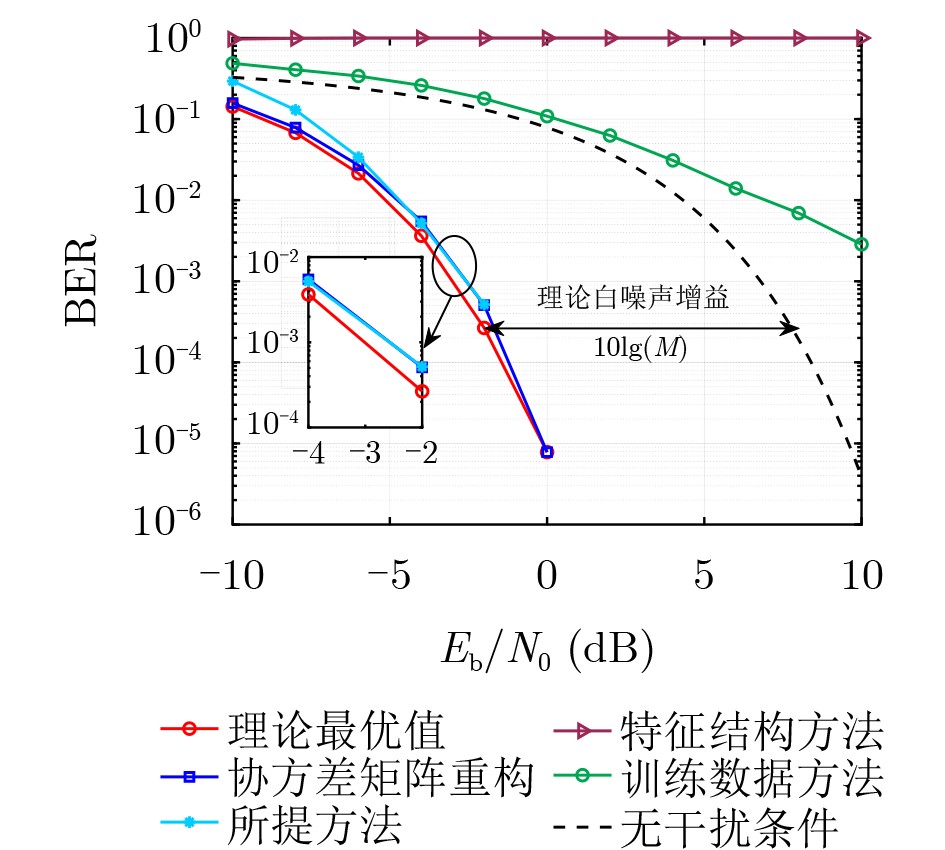
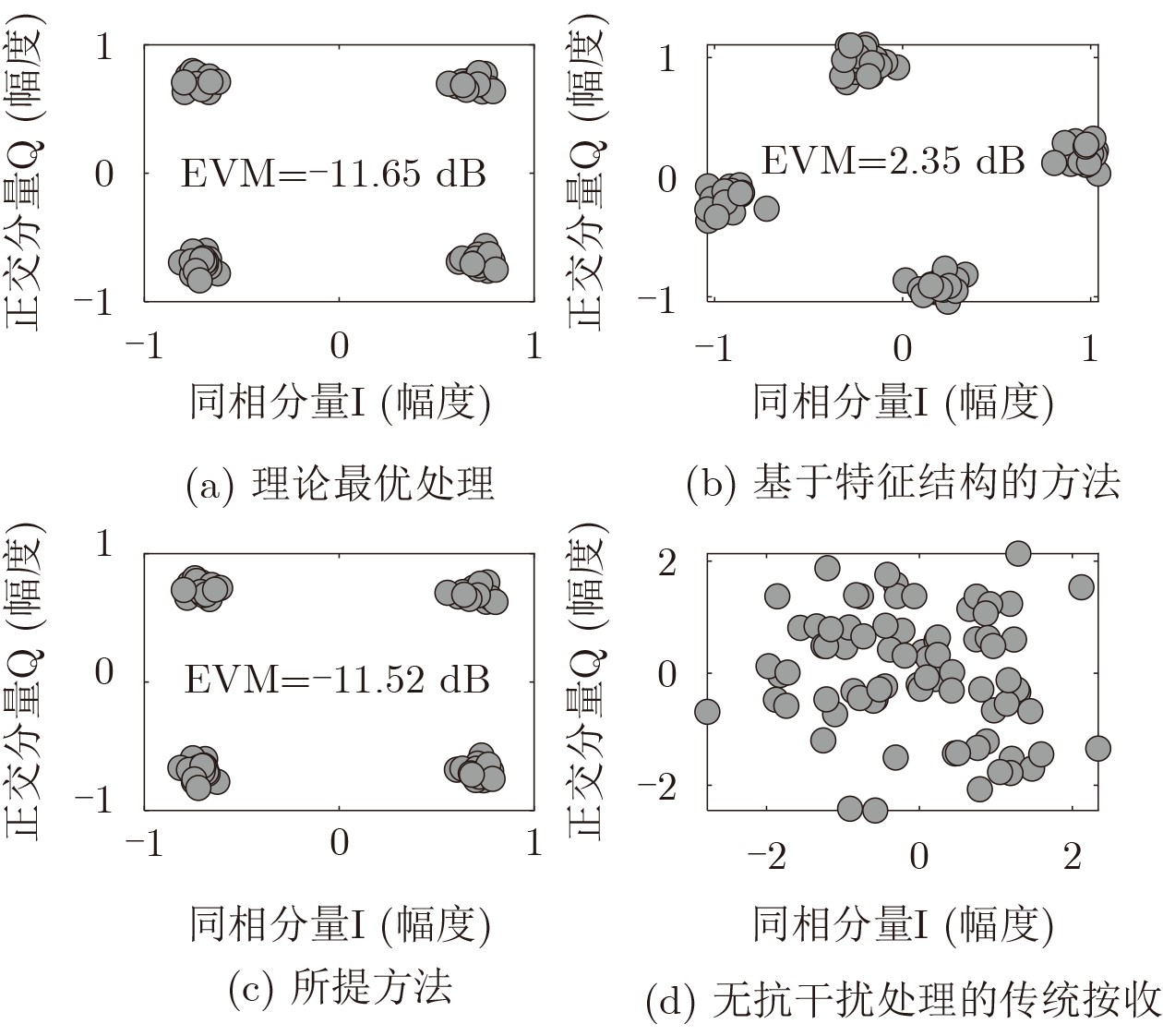
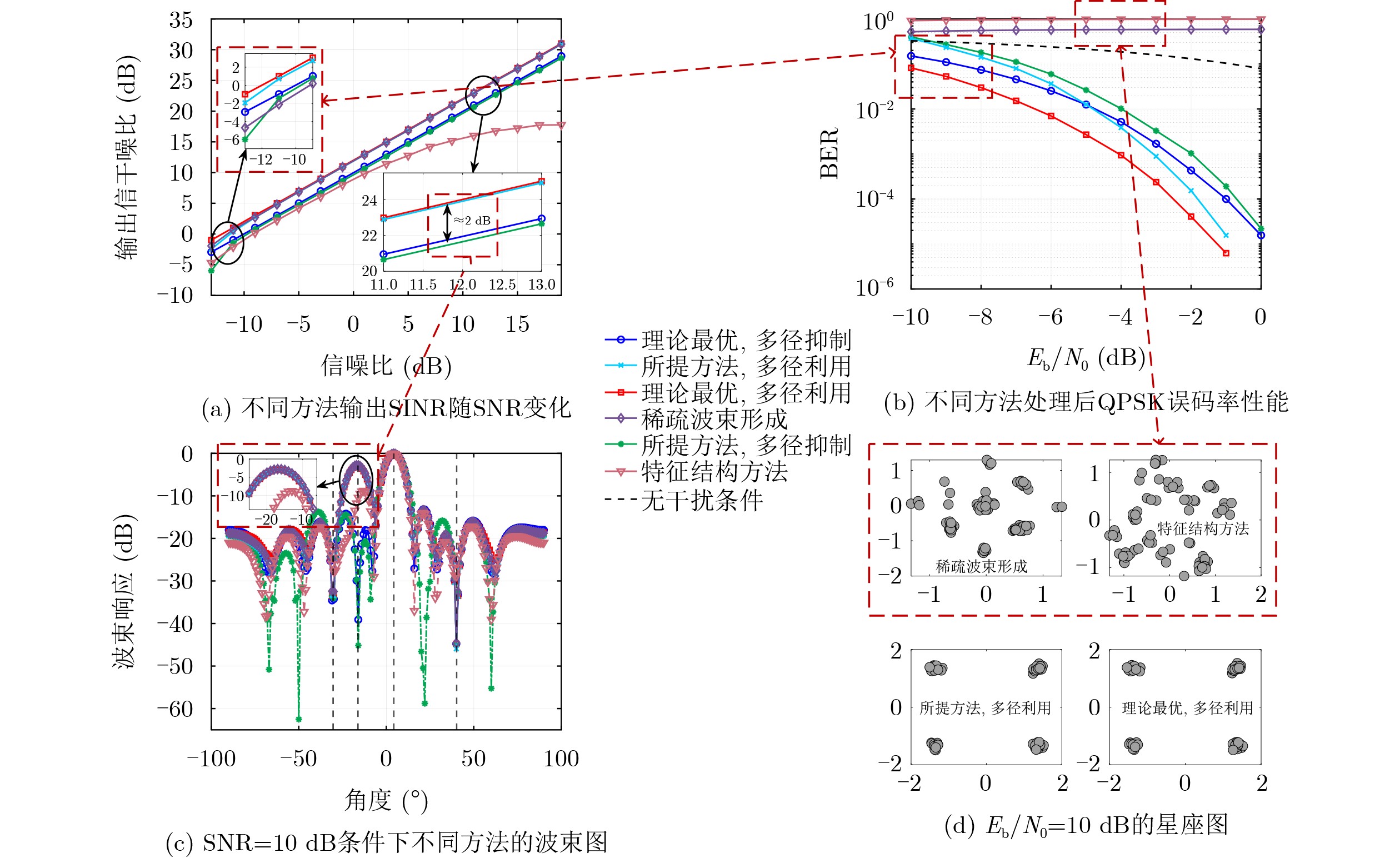
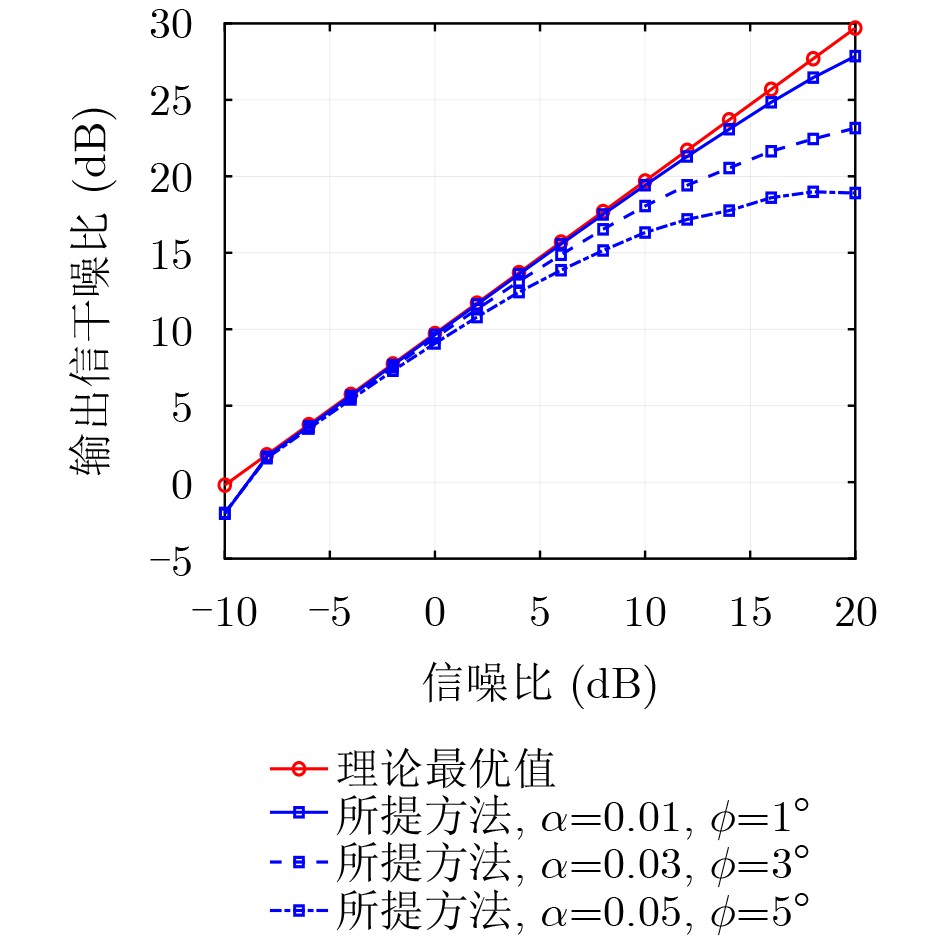
  Objective  In electronic countermeasures, friendly communication links are vulnerable to interference from adversaries. The auxiliary antenna scheme is employed to extract reference signals for interference cancellation, which improves communication quality. Although the auxiliary antenna is designed to capture interference signals, it often receives communication signals at the same time, and this reduces the suppression capability. Typical approaches for non-cooperative interference suppression include interference rejection combining and spatial domain adaptive filtering. These approaches rely on the uncorrelated nature of the interference and desired signals to achieve suppression. They also require channel information and interference noise information, which restricts their applicability in some scenarios.  Methods  This paper proposes the Fast ICA-based Simulated Annealing Algorithm for SINR Maximization (FSA) to address non-cooperative interference suppression in communication systems. Designed for scenarios without prior channel information, FSA applies a weighted reconstruction cancellation method implemented through a Finite Impulse Response (FIR) filter. The method operates in a dual-antenna system in which one antenna supports communication and the other provides an auxiliary reference for interference. Its central innovation is the optimization of weighted reconstruction coefficients using the Simulated Annealing algorithm, together with Fast Independent Component Analysis (Fast ICA) for SINR estimation. The FIR filter reconstructs interference from the auxiliary antenna signal using optimized coefficients and then subtracts this reconstructed interference from the main received signal to improve communication quality. Accurate SINR estimation in non-cooperative settings is difficult because the received signals contain mixed components. FSA addresses this through blind source separation based on Fast ICA, which extracts sample signals of both communication and interference components. SINR is then calculated from cross-correlation results between these separated signals and the signals after interference suppression. The Simulated Annealing algorithm functions as a probabilistic optimization process that adjusts reconstruction coefficients to maximize the output SINR. Starting from initial coefficients, the algorithm perturbs them and evaluates the resulting SINR. Using the Monte Carlo acceptance rule, it allows occasional acceptance of perturbations that do not yield immediate improvement, which supports escape from local optima and promotes convergence toward global solutions. This iterative process identifies optimal filter coefficients within the search range. The combined use of Fast ICA and Simulated Annealing enables interference suppression without prior channel information. By pairing blind estimation with robust optimization, the method provides reliable performance in dynamic interference environments. The FIR-based structure offers a practical basis for real-time interference cancellation. FSA is therefore suitable for electronic countermeasure applications where channel conditions are unknown and change rapidly. This approach advances beyond conventional techniques that require channel state information and offers improved adaptability in non-cooperative scenarios while maintaining computational efficiency through the combined use of blind source separation and intelligent optimization.  Results and Discussions  The performance of the proposed FSA is assessed through simulations and experiments. The output SINR is improved under varied conditions. In simulations, a maximum SINR improvement of 27.2 dB is achieved when the communication and auxiliary antennas have a large SINR difference and are placed farther apart (Fig. 5). The performance is reduced when the channel correlation between the antennas increases. Experimental results confirm these observations, and an SINR improvement of 19.6 dB is measured at a 2 m antenna separation (Fig. 7). The method is shown to be effective for non-cooperative interference suppression without prior channel information, although its performance is affected by antenna configuration and channel correlation.  Conclusions  The proposed FSA method provides an effective solution for non-cooperative interference suppression in communication systems. The method applies weighted reconstruction cancellation optimized by the Simulated Annealing algorithm and uses Fast ICA-based SINR estimation to improve communication quality without prior channel information. The results from simulations and experiments show that the method performs well across varied conditions and has potential for practical electronic warfare applications. The study finds that the performance of the FSA method depends on the SINR difference and the channel correlation between the communication and auxiliary antennas. Future research focuses on refining the algorithm for more complex scenarios and examining the effect of system parameters on its performance. These findings support the development of communication systems that operate reliably in challenging interference environments.
Modeling, Detection, and Defense Theories and Methods for Cyber-Physical Fusion Attacks in Smart Grid
WANG Wenting, TIAN Boyan, WU Fazong, HE Yunpeng, WANG Xin, YANG Ming, FENG Dongqin
Available online  , doi: 10.11999/JEIT250659
Abstract:
  Significance   Smart Grid (SG), the core of modern power systems, enables efficient energy management and dynamic regulation through cyber–physical integration. However, its high interconnectivity makes it a prime target for cyberattacks, including False Data Injection Attacks (FDIAs) and Denial-of-Service (DoS) attacks. These threats jeopardize the stability of power grids and may trigger severe consequences such as large-scale blackouts. Therefore, advancing research on the modeling, detection, and defense of cyber–physical attacks is essential to ensure the safe and reliable operation of SGs.  Progress   Significant progress has been achieved in cyber–physical security research for SGs. In attack modeling, discrete linear time-invariant system models effectively capture diverse attack patterns. Detection technologies are advancing rapidly, with physical-based methods (e.g., physical watermarking and moving target defense) complementing intelligent algorithms (e.g., deep learning and reinforcement learning). Defense systems are also being strengthened: lightweight encryption and blockchain technologies are applied to prevention, security-optimized Phasor Measurement Unit (PMU) deployment enhances equipment protection, and response mechanisms are being continuously refined.  Conclusions  Current research still requires improvement in attack modeling accuracy and real-time detection algorithms. Future work should focus on developing collaborative protection mechanisms between the cyber and physical layers, designing solutions that balance security with cost-effectiveness, and validating defense effectiveness through high-fidelity simulation platforms. This study establishes a systematic theoretical framework and technical roadmap for SG security, providing essential insights for safeguarding critical infrastructure.  Prospects   Future research should advance in several directions: (1) deepening synergistic defense mechanisms between the information and physical layers; (2) prioritizing the development of cost-effective security solutions; (3) constructing high-fidelity information–physical simulation platforms to support research; and (4) exploring the application of emerging technologies such as digital twins and interpretable Artificial Intelligence (AI).
Design and Optimization for Orbital Angular Momentum–based wireless-powered Noma Communication System
CHEN Ruirui, CHEN Yu, RAN Jiale, SUN Yanjing, LI Song
Available online  , doi: 10.11999/JEIT250634
Abstract:
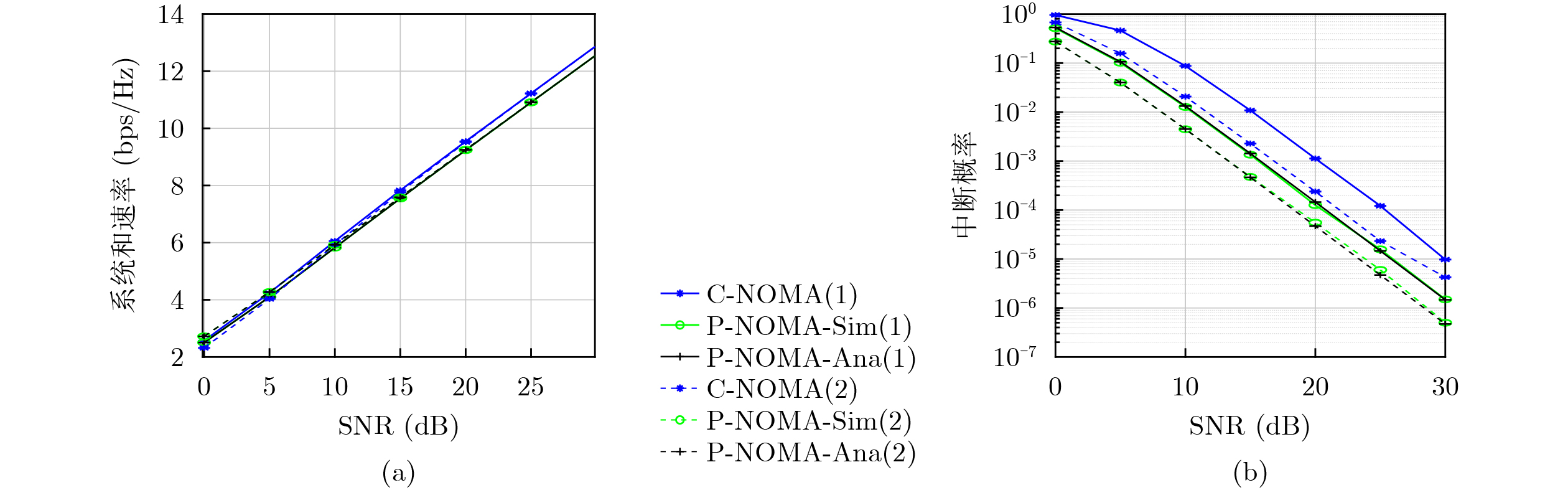
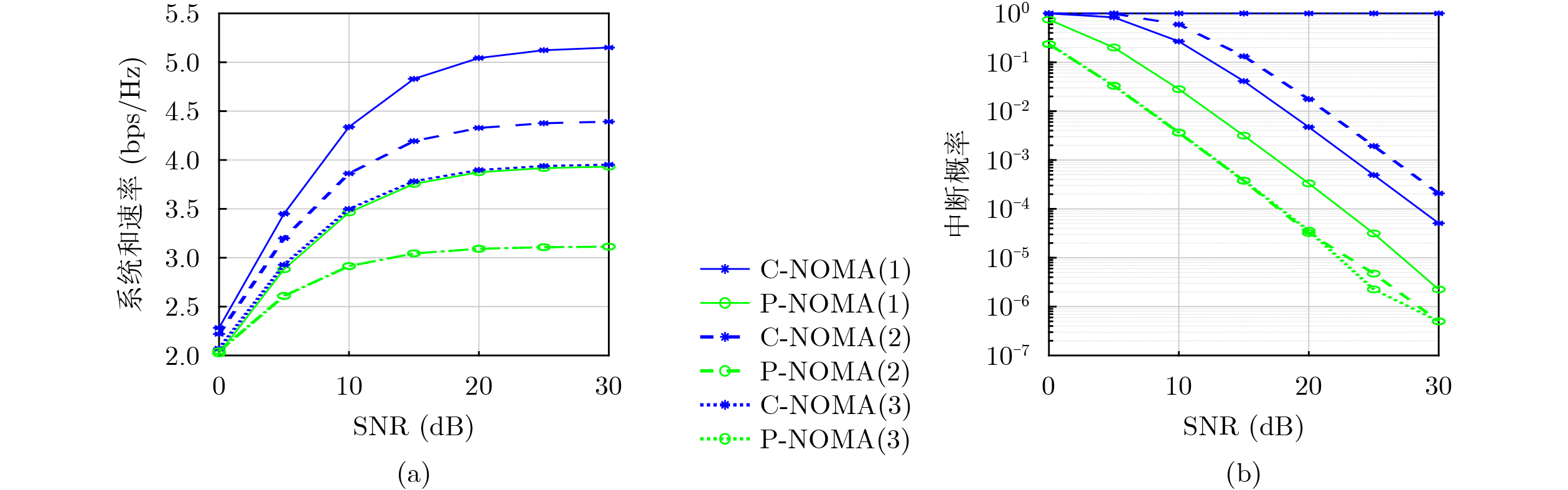
  Objective  The Internet of Things (IoT) requires not only interconnection among devices but also seamless connectivity among users, information, and things. Ensuring stable operation and extending the lifespan of IoT Devices (IDs) through continuous power supply have become urgent challenges in IoT-driven Sixth-Generation (6G) communications. Radio Frequency (RF) signals can simultaneously transmit information and energy, forming the basis for Simultaneous Wireless Information and Power Transfer (SWIPT). Non-Orthogonal Multiple Access (NOMA), a key technology in Fifth-Generation (5G) communications, enables multiple users to share the same time and frequency resources. Efficient wireless-powered NOMA communication requires a Line-of-Sight (LoS) channel. However, the strong correlation in LoS channels severely limits the degree of freedom, making it difficult for conventional spatial multiplexing to achieve capacity gains. To address this limitation, this study designs an Orbital Angular Momentum (OAM)-based wireless-powered NOMA communication system. By exploiting OAM mode multiplexing, multiple data streams can be transmitted independently through orthogonal OAM modes, thereby significantly enhancing communication capacity in LoS channels.  Methods  The OAM-based wireless-powered NOMA communication system is designed to enable simultaneous energy transfer and multi-channel information transmission for IDs under LoS conditions. Under the constraints of the communication capacity threshold and the harvested energy threshold, this study formulates a sum-capacity maximization problem by converting harvested energy into the achievable uplink information capacity. The optimization problem is decomposed into two subproblems. A closed-form expression for the optimal Power-Splitting (PS) factor is derived, and the optimal power allocation is obtained using the subgradient method. The transmitting Uniform Circular Array (UCA) employs the Movable Antenna (MA) technique to adjust both position and array angle. To maintain system performance under typical parallel misalignment conditions, a beam-steering method is investigated.  Results and Discussions  Simulation results demonstrate that the proposed OAM-based wireless-powered NOMA communication system effectively enhances capacity performance compared with conventional wireless communication systems. As the OAM mode increases, the sum capacity of the ID decreases. This occurs because higher OAM modes exhibit stronger hollow divergence characteristics, resulting in greater energy attenuation of the received OAM signals (Fig. 3). The sum capacity of the ID increases with the PS factor (Fig. 4). However, as the harvested energy threshold increases, the system’s sum capacity decreases (Fig. 5). When the communication capacity threshold increases, the sum capacity first rises and then gradually declines (Fig. 6). In power allocation optimization, allocating more power to the ID with the best channel condition further improves the total system capacity.  Conclusions  To enhance communication capacity under LoS conditions, this study designs an OAM-based wireless-powered NOMA communication system that employs mode multiplexing to achieve independent multi-channel information transmission. On this basis, a sum-capacity maximization problem is formulated under communication capacity and harvested energy threshold constraints by transforming harvested energy into achievable uplink information capacity. The optimization problem is decomposed into two subproblems. A closed-form expression for the optimal PS factor is derived, and the optimal power allocation is obtained using the subgradient method. In future work, the MA technique will be integrated into the proposed OAM-based wireless-powered NOMA system to further optimize sum-capacity performance based on the three-dimensional spatial configuration and adjustable array angle.
Speaker Verification Based on Tide-Ripple Convolution Neural Network
CHEN Chen, YI Zhixin, LI Dongyuan, CHEN Deyun
Available online  , doi: 10.11999/JEIT250713
Abstract:
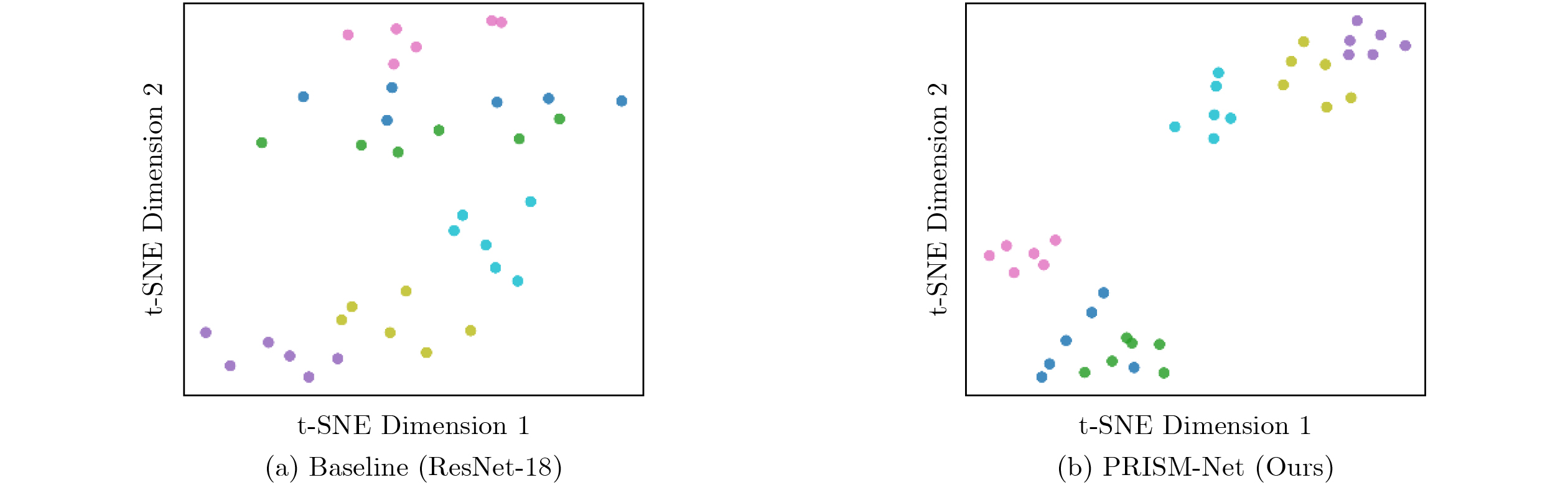
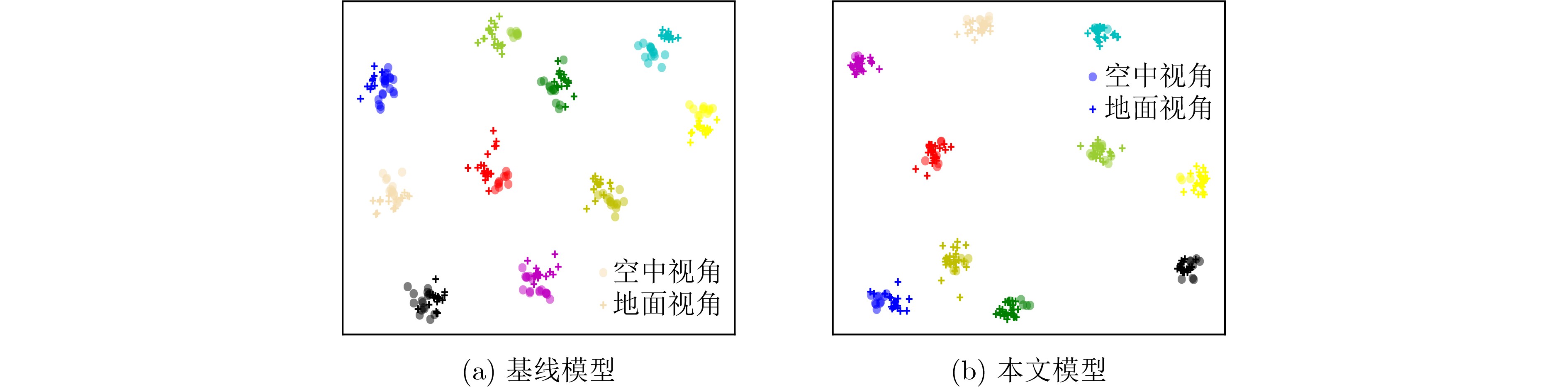
  Objective  State-of-the-art speaker verification models typically rely on fixed receptive fields, which limits their ability to represent multi-scale acoustic patterns while increasing parameter counts and computational loads. Speech contains layered temporal–spectral structures, yet the use of dynamic receptive fields to characterize these structures is still not well explored. The design principles for effective dynamic receptive field mechanisms also remain unclear.  Methods  Inspired by the non-linear coupling behavior of tidal surges, a Tide-Ripple Convolution (TR-Conv) layer is proposed to form a more effective receptive field. TR-Conv constructs primary and auxiliary receptive fields within a window by applying power-of-two interpolation. It then employs a scan-pooling mechanism to capture salient information outside the window and an operator mechanism to perceive fine-grained variations within it. The fusion of these components produces a variable receptive field that is multi-scale and dynamic. A Tide-Ripple Convolutional Neural Network (TR-CNN) is developed to validate this design. To mitigate label noise in training datasets, a total loss function is introduced by combining a NoneTarget with Dynamic Normalization (NTDN) loss and a weighted Sub-center AAM Loss variant, improving model robustness and performance.  Results and Discussions  The TR-CNN is evaluated on the VoxCeleb1-O/E/H benchmarks. The results show that TR-CNN achieves a competitive balance of accuracy, computation, and parameter efficiency (Table 1). Compared with the strong ECAPA-TDNN baseline, the TR-CNN (C=512, n=1) model attains relative EER reductions of 4.95%, 4.03%, and 6.03%, and MinDCF reductions of 31.55%, 17.14%, and 17.42% across the three test sets, while requiring 32.7% fewer parameters and 23.5% less computation (Table 2). The optimal TR-CNN (C=1024, n=1) model further improves performance, achieving EERs of 0.85%, 1.10%, and 2.05%. Robustness is strengthened by the proposed total loss function, which yields consistent improvements in EER and MinDCF during fine-tuning (Table 3). Additional evaluations, including ablation studies (Tables 5 and 6), component analyses (Fig. 3 and Table 4), and t-SNE visualizations (Fig. 4), confirm the effectiveness and robustness of each module in the TR-CNN architecture.  Conclusions  This research proposes a simple and effective TR-Conv layer built on the T-RRF mechanism. Experimental results show that TR-Conv forms a more expressive and effective receptive field, reducing parameter count and computational cost while exceeding conventional one-dimensional convolution in speech feature modeling. It also exhibits strong lightweight characteristics and scalability. Furthermore, a total loss function combining the NTDN loss and a Sub-center AAM loss variant is proposed to enhance the discriminability and robustness of speaker embeddings, particularly under label noise. TR-Conv shows potential as a general-purpose module for integration into deeper and more complex network architectures.
Dynamic Target Localization Method Based on Optical Quantum Transmission Distance Matrix Constructing
ZHOU Mu, WANG Min, CAO Jingyang, HE Wei
Available online  , doi: 10.11999/JEIT250020
Abstract:
  Objective  Quantum information research has grown rapidly with the integration of quantum mechanics, information science, and computer science. Grounded in principles such as quantum superposition and quantum entanglement, quantum information technology can overcome the limitations of traditional approaches and address problems that classical information technologies and conventional computers cannot resolve. As a core technology, space-based quantum information technology has advanced quickly, offering new possibilities to overcome the performance bottlenecks of conventional positioning systems. However, existing quantum positioning methods mainly focus on stationary targets and have difficulty addressing the dynamic variations in the transmission channels of entangled photon pairs caused by particles, scatterers, and noise photons in the environment. These factors hinder the detection of moving targets and increase positioning errors because of reduced data acquisition at fixed points during target motion. Traditional wireless signal-based localization methods also face challenges in dynamic target tracking, including signal attenuation, multipath effects, and noise interference in complex environments. To address these limitations, a dynamic target localization method based on constructing an optical quantum transmission distance matrix is proposed. This method achieves high-precision and robust dynamic localization, meeting the requirements for moving target localization in practical scenarios. It provides centimeter-level positioning accuracy and significantly enhances the adaptability and stability of the system for moving targets, supporting the future practical application of quantum-based dynamic localization technology.  Methods  To improve the accuracy of the dynamic target localization system, a dynamic threshold optical quantum detection model based on background noise estimation is proposed, utilizing the characteristics of optical quantum echo signals. A dynamic target localization optical path is established in which two entangled optical signals are generated through the Spontaneous Parametric Down-Conversion (SPDC) process. One signal is retained as a reference in a local Single-Photon Detector (SPD), and the other is transmitted toward the moving target as the signal light. The optical quantum echo signals are analyzed, and the background noise is estimated using a coincidence counting algorithm. The detection threshold is then dynamically adjusted and compared with the signals from the detection unit, enabling rapid detection of dynamic targets. To accommodate variations in quantum echo signals caused by target motion, an adaptive optical quantum grouping method based on velocity measurement is introduced. The time pulse sequence is initially coarsely grouped to calculate the rough velocity of the target. The grouping size is subsequently adjusted according to the target’s speed, updating the time grouping sequence and further optimizing the distance measurement accuracy to generate an updated velocity matrix. The photon transmission distance matrix is refined using the relative velocity error matrix. By constructing a system of equations involving the coordinates of the light source, the optical quantum transmission distance matrix, and the dynamic target coordinate sequence, the target position is estimated through the least squares method. This approach improves localization accuracy and effectively reduces errors arising from target motion.  Results and Discussions  The effectiveness of the proposed method is verified through both simulations and experimental validation on a practical measurement platform. The experimental results demonstrate that the dynamic threshold detection approach based on background noise estimation achieves high-sensitivity detection performance (Fig. 7). When a moving target enters the detection range, rapid identification is realized, enabling subsequent dynamic localization. The adaptive grouping method based on velocity measurement significantly improves the performance of the quantum dynamic target localization system. Through grouped coincidence counting, the problem of blurred coincidence counting peaks caused by target movement is effectively mitigated (Fig. 8), achieving high-precision velocity measurement (Table 1) and reducing localization errors associated with motion. Centimeter-level positioning accuracy is attained (Fig. 9). Furthermore, an entangled optical quantum experimental platform is established, with analyses focusing on measurement results under different velocities and localization performances across various methods. The findings confirm the reliability and adaptability of the proposed approach in improving distance measurement accuracy (Fig. 12).  Conclusions  A novel method for dynamic target localization in entangled optical quantum dynamics is proposed based on constructing an optical quantum transmission distance matrix. The method enhances distance measurement accuracy and optimizes the overall positioning accuracy of the localization system through a background noise estimation-based dynamic threshold detection model and a velocity measurement-based adaptive grouping approach. By integrating the optical quantum transmission distance matrix with the least squares optimization method, the proposed framework offers a promising direction for achieving more precise quantum localization systems and demonstrates strong potential for real-time dynamic target tracking. This approach not only improves the accuracy of dynamic quantum localization systems but also broadens the applicability of quantum localization technology in complex environments. It is expected to provide solid support for real-time quantum dynamic target localization and find applications in intelligent health monitoring, the Internet of Things, and autonomous driving.
Performance Optimization of UAV-RIS-assisted Communication Networks Under No-Fly Zone Constraints
XU Junjie, LI Bin, YANG Jingsong
Available online  , doi: 10.11999/JEIT250681
Abstract:
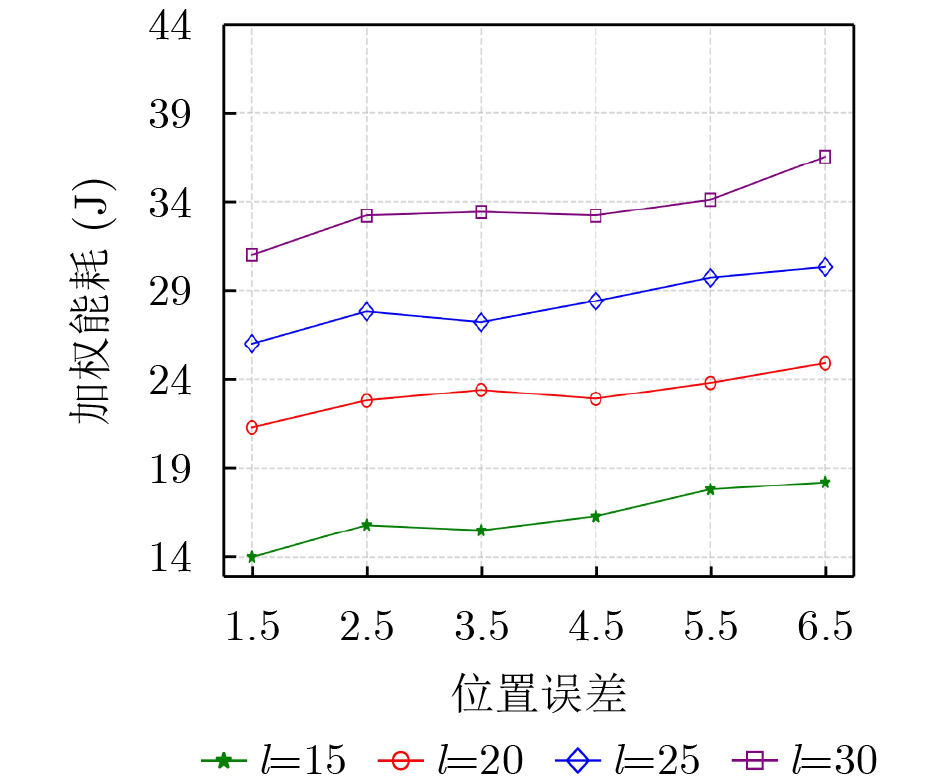
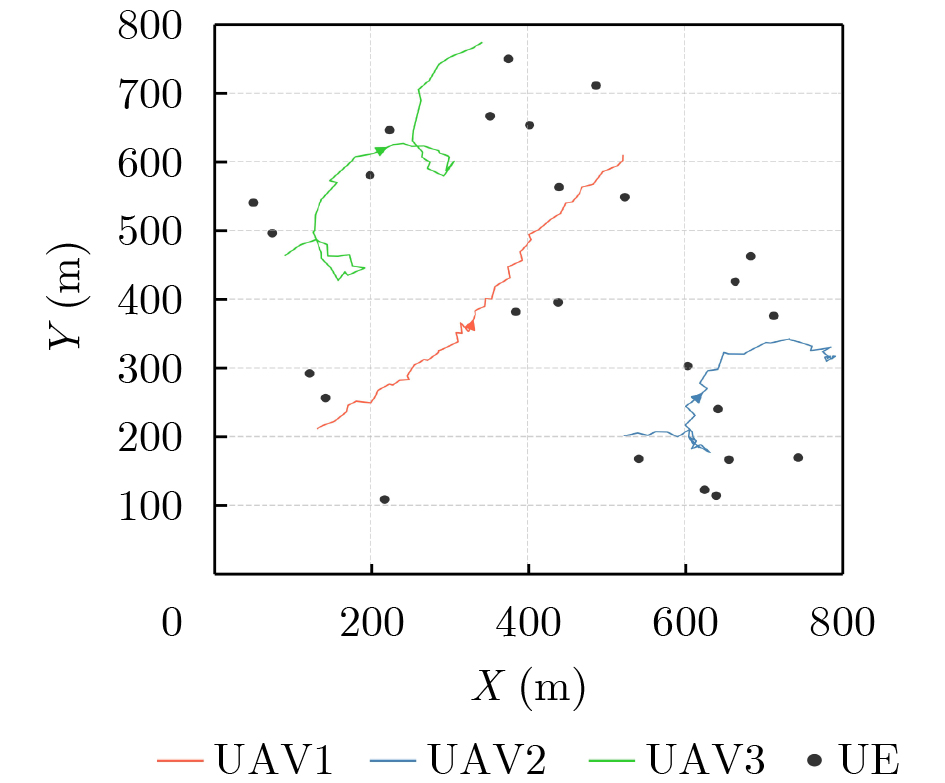
  Objective  Reconfigurable Intelligent Surfaces (RIS) mounted on Unmanned Aerial Vehicles (UAVs) are considered an effective approach to enhance wireless communication coverage and adaptability in complex or constrained environments. However, two major challenges remain in practical deployment. The existence of No-Fly Zones (NFZs), such as airports, government facilities, and high-rise areas, restricts the UAV flight trajectory and may result in communication blind spots. In addition, the continuous attitude variation of UAVs during flight causes dynamic misalignment between the RIS and the desired reflection direction, which reduces signal strength and system throughput. To address these challenges, a UAV-RIS-assisted communication framework is proposed that simultaneously considers NFZ avoidance and UAV attitude adjustment. In this framework, a quadrotor UAV equipped with a bottom-mounted RIS operates in an environment containing multiple polygonal NFZs and a group of Ground Users (GUs). The aim is to jointly optimize the UAV trajectory, RIS phase shift, UAV attitude (represented by Euler angles), and Base Station (BS) beamforming to maximize the system sum rate while ensuring complete obstacle avoidance and stable, high-quality service for GUs located both inside and outside NFZs.  Methods  To achieve this objective, a multi-variable coupled non-convex optimization problem is formulated, jointly capturing UAV trajectory, RIS configuration, UAV attitude, and BS beamforming under NFZ constraints. The RIS phase shifts are dynamically adjusted according to the UAV orientation to maintain beam alignment, and UAV motion follows quadrotor dynamics while avoiding polygonal NFZs. Because of the high dimensionality and non-convexity of the problem, conventional optimization approaches are computationally intensive and lack real-time adaptability. To address this issue, the problem is reformulated as a Markov Decision Process (MDP), which enables policy learning through deep reinforcement learning. The Soft Actor-Critic (SAC) algorithm is employed, leveraging entropy regularization to improve exploration efficiency and convergence stability. The UAV-RIS agent interacts iteratively with the environment, updating actor-critic networks to determine UAV position, RIS phase configuration, and BS beamforming. Through continuous learning, the proposed framework achieves higher throughput and reliable NFZ avoidance, outperforming existing benchmarks.  Results and Discussions  As shown in (Fig. 3), the proposed SAC algorithm achieves higher communication rates than PPO, DDPG, and TD3 during training, benefiting from entropy-regularized exploration that prevents premature convergence. Although DDPG converges faster, it exhibits instability and inferior long-term performance. As illustrated in (Fig. 4), the UAV trajectories under different conditions demonstrate the proposed algorithm’s capability to achieve complete obstacle avoidance while maintaining reliable communication. Regardless of variations in initial UAV positions, BS locations, or NFZ configurations, the UAV consistently avoids all NFZs and dynamically adjusts its trajectory to serve users located both inside and outside restricted zones, indicating strong adaptability and scalability of the proposed model. As shown in (Fig. 5), increasing the number of BS antennas enhances system performance. The proposed framework significantly outperforms fixed phase shift, random phase shift, and non-RIS schemes because of improved beamforming flexibility.  Conclusions  This paper investigates a UAV-RIS-assisted wireless communication system in which a quadrotor UAV carries an RIS to enhance signal reflection and ensure NFZ avoidance. Unlike conventional approaches that emphasize avoidance alone, a path integral-based method is proposed to generate obstacle-free trajectories while maintaining reliable service for GUs both inside and outside NFZs. To improve generality, NFZs are represented as prismatic obstacles with regular n-sided polygonal cross-sections. The system jointly optimizes UAV trajectory, RIS phase shifts, UAV attitude, and BS beamforming. A DRL framework based on the SAC algorithm is developed to enhance system efficiency. Simulation results demonstrate that the proposed approach achieves reliable NFZ avoidance and maximized sum rate, outperforms benchmarks in communication performance, scalability, and stability.
Minimax Robust Kalman Filtering under Multistep Random Measurement Delays and Packet Dropouts
YANG Chunshan, ZHAO Ying, LIU Zheng, QIU Yuan, JING Benqin
Available online  , doi: 10.11999/JEIT250741
Abstract:
  Objective  Networked Control Systems (NCSs) provide advantages such as flexible installation, convenient maintenance, and reduced cost, but they also present challenges arising from random measurement delays and packet dropouts caused by communication network unreliability and limited bandwidth. Moreover, system noise variance may fluctuate significantly under strong electromagnetic interference. In NCSs, time delays are random and uncertain. When a set of Bernoulli-distributed random variables is used to describe multistep random measurement delays and packet dropouts, the fictitious noise method in existing studies introduces autocorrelation among different components, which complicates the computation of fictitious noise variances and makes it difficult to establish robustness. This study presents a solution for minimax robust Kalman filtering in systems characterized by uncertain noise variance, multistep random measurement delays, and packet dropouts.  Methods  The main challenges lie in model transformation and robustness verification. When a set of Bernoulli-distributed random variables is employed to represent multistep random measurement delays and packet dropouts, a series of strategies are applied to address the minimax robust Kalman filtering problem. First, a new model transformation method is proposed based on the flexibility of the Hadamard product in multidimensional data processing, after which a robust time-varying Kalman estimator is designed in a unified framework following the minimax robust filtering principle. Second, the robustness proof is established using matrix elementary transformation, strictly diagonally dominant matrices, the Gerŝgorin circle theorem, and the Hadamard product theorem within the framework of the generalized Lyapunov equation method. Additionally, by converting the Hadamard product into a matrix product through matrix factorization, a sufficient condition for the existence of a steady-state estimator is derived, and the robust steady-state Kalman estimator is subsequently designed.  Results and Discussions  The proposed minimax robust Kalman filter extends the robust Kalman filtering framework and provides new theoretical support for addressing the robust fusion filtering problem in complex NCSs. The curves (Fig. 5) present the actual accuracy \begin{document}${\text{tr}}{{\mathbf{\bar P}}^l}(N)$\end{document}, \begin{document}$l = a,b,c,d$\end{document} as a function of \begin{document}$ 0.1 \le {\alpha _0} $\end{document}, \begin{document}${\alpha _1} $\end{document}, \begin{document}${\alpha _2} \le 1 $\end{document}. It is observed that situation (1) achieves the highest robust accuracy, followed by situations (2) and (3), whereas situation (4) exhibits poorer accuracy. This difference arises because the estimators in situation (1) receive measurements with one-step random delay, whereas situation (4) experiences a higher packet loss rate. The curves (Fig. 5) confirm the validity and effectiveness of the proposed method. Another simulation is conducted for a mass-spring-damper system. The comparison between the proposed approach and the optimal robust filtering method (Table 2, Fig. 7) indicates that although the proposed method ensures that the actual prediction error variance attains the minimum upper bound, its actual accuracy is slightly lower than the optimal prediction accuracy.  Conclusions  The minimax robust Kalman filtering problem is investigated for systems characterized by uncertain noise variance, multistep random measurement delays, and packet dropouts. The system noise variance is uncertain but bounded by known conservative upper limits, and a set of Bernoulli-distributed random variables with known probabilities is used to represent the multistep random measurement delays and packet dropouts between the sensor and the estimator. The Hadamard product is used to enhance the model transformation method, followed by the design of a minimax robust time-varying Kalman estimator. Robustness is demonstrated through matrix elementary transformation, the Gerschgorin circle theorem, the Hadamard product theorem, matrix factorization, and the Lyapunov equation method. A sufficient condition is established for the time-varying generalized Lyapunov equation to possess a unique steady-state positive semidefinite solution, based on which a robust steady-state estimator is constructed. The convergence between the time-varying and steady-state estimators is also proven. Two simulation examples verify the effectiveness of the proposed approach. The presented methods overcome the limitations of existing techniques and provide theoretical support for solving the robust fusion filtering problem in complex NCSs.
Short Packet Secure Covert Communication Design and Optimization
TIAN Bo, YANG Weiwei, SHA Li, SHANG Zhihui, CAO Kuo, LIU Changming
Available online  , doi: 10.11999/JEIT250800
Abstract:
  Objective  The study addresses the dual security threats of eavesdropping and detection in Multiple-Input Single-Output (MISO) communication systems under short packet transmission conditions. An integrated secure and covert transmission scheme is proposed, combining physical layer security with covert communication techniques. The approach aims to overcome the limitations of conventional encryption in short packet scenarios, enhance communication concealment, and ensure information confidentiality. The optimization objective is to maximize the Average Effective Secrecy and Covert Rate (AESCR) through the joint optimization of packet length and transmit power, thereby providing robust security for low-latency Internet of Things (IoT) applications.  Methods  An MISO system model employing MRT beamforming is adopted to exploit spatial degrees of freedom for improved security. Through theoretical analysis, closed-form expressions are derived for the warden’s (Willie’s) optimal detection threshold and minimum detection error probability. A statistical covertness constraint based on Kullback–Leibler (KL) divergence is formulated to convert intractable instantaneous requirements into a tractable average constraint. A new performance metric, the AESCR, is proposed to comprehensively assess system performance in terms of covertness, secrecy, and reliability. The optimization strategy centers on the joint design of packet length and transmit power. By utilizing the inherent coupling between these variables, the original dual-variable maximization problem is reformulated into a tractable form solvable through an efficient one-dimensional search.  Results and Discussions   Simulation results confirm the theoretical analysis, showing close consistency between the derived expressions and Monte Carlo simulations for Willie’s detection error probability. The findings indicate that multi-antenna configurations markedly enhance the AESCR by directing signal energy toward the legitimate receiver and reducing eavesdropping risk. The proposed joint optimization of transmit power and packet length achieves a substantially higher AESCR than power-only optimization, particularly under stringent covertness constraints. The study further reveals key trade-offs: an optimal packet length exists that balances coding gain and exposure risk, while relaxed covertness constraints yield continuous improvements in AESCR. Moreover, multi-antenna technology is shown to be crucial for mitigating the inherent low-power limitations of covert communication.  Conclusions  This study presents an integrated framework for secure and covert communication in short packet MISO systems, achieving notable performance gains through the joint optimization of transmit power and packet length. The main contributions include: (1) a transmission architecture that combines security and covertness, supported by closed-form solutions for the warden’s detection threshold and error probability under a KL divergence-based constraint; (2) the introduction of the AESCR metric, which unifies the assessment of secrecy, covertness, and reliability; and (3) the formulation and efficient resolution of the AESCR maximization problem. Simulation results verify that the proposed joint optimization strategy exceeds power-only optimization, particularly under stringent covertness conditions. The AESCR increases monotonically with the number of transmit antennas, and an optimal packet length is identified that balances transmission efficiency and covertness.
Coalition Formation Game based User and Networking Method for Status Update Satellite Internet of Things
GAO Zhixiang, LIU Aijun, HAN Chen, ZHANG Senbai, LIN Xin
Available online  , doi: 10.11999/JEIT250838
Abstract:
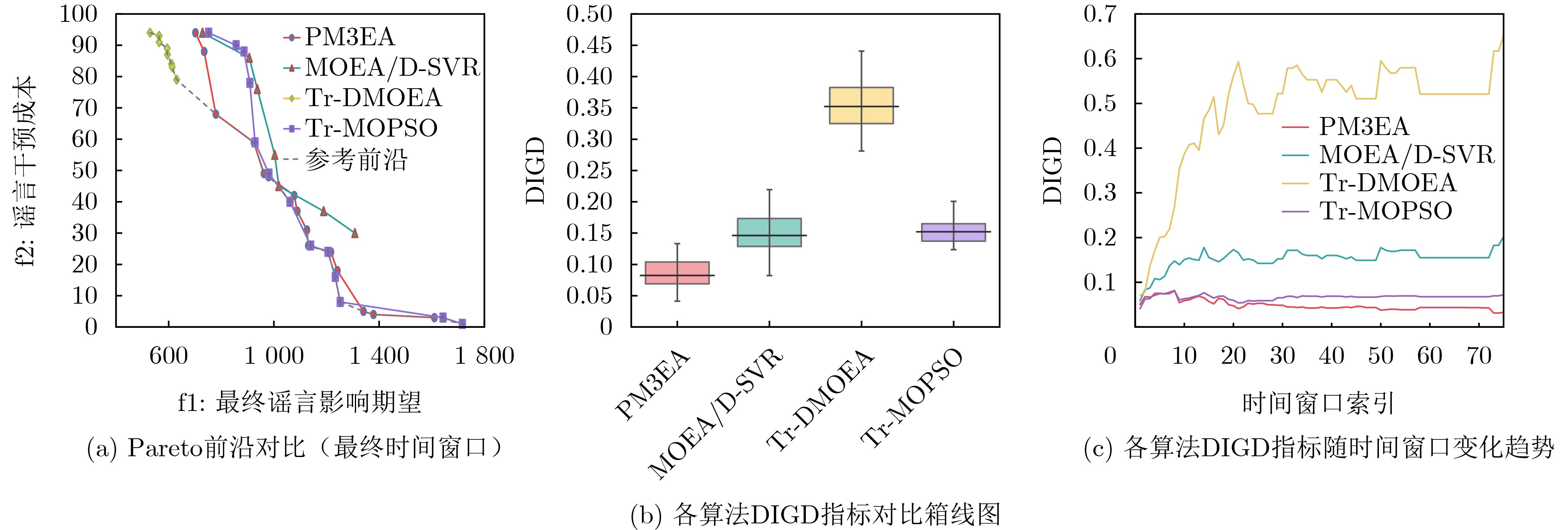
  Objective  Satellite communication has become a major focus in the development of next-generation wireless networks due to its advantages of wide coverage, long communication distance, and high flexibility in networking. Short-packet communication represents a critical scenario in the Satellite Internet of Things (S-IoT). However, research on the status update problem for massive users remains limited. It is necessary to design reasonable user-networking schemes to address the contradiction between massive user access demands and limited communication resources. In addition, under the condition of large-scale user access, the design of user-networking schemes with low complexity remains a key research challenge. This study presents a solution for status updates in S-IoT based on dynamic orthogonal access for massive users.  Methods  In the S-IoT, a state update model for user orthogonal dual-layer access is established. A dual-layer networking scheme is proposed in which users dynamically allocate bandwidth to access the base station, and the base station adopts time-slot polling to access the satellite. The closed-form expression of the average Age of Information (aAoI) for users is derived based on short-packet communication theory, and a simplified approximate expression is further obtained under high signal-to-noise ratio conditions. Subsequently, a distributed Dual-layer Coalition Formation Game User-base Station-Satellite Networking (DCFGUSSN) algorithm is proposed based on the coalition formation game framework.  Results and Discussions  The approximate aAoI expression effectively reduces computational complexity. The exact potential game is used to demonstrate that the proposed DCFGUSSN algorithm achieves stable networking formation. Simulation results verify the correctness of the theoretical analysis of user aAoI in the proposed state update model (Fig. 5). The results further indicate that with an increasing number of iterations, the user aAoI gradually decreases and eventually converges (Fig. 6). Compared with other access schemes, the proposed dual-layer access scheme achieves a lower aAoI (Figs. 7\begin{document}$ \sim $\end{document}9).  Conclusions  This study investigates the networking problem of massive users assisted by base stations in the status update S-IoT. A dynamic dual-layer user access framework and the corresponding status update model are first established. Based on this framework, the DCFGUSSN algorithm is proposed to reduce user aAoI. Theoretical and simulation results show strong consistency, and the proposed algorithm demonstrates significant performance improvement compared with traditional algorithms.
Vegetation Height Prediction Dataset Oriented to Mountainous Forest Areas
YU Cuilin, ZHONG Zixuan, PANG Hongyi, DING Yusheng, LAI Tao, Huang Haifeng, WANG Qingsong
Available online  , doi: 10.11999/JEIT250941
Abstract:
  Objective   Vegetation height is a key ecological parameter that reflects forest vertical structure, biomass, ecosystem functions, and biodiversity. Existing open-source vegetation height datasets are often sparse, unstable, and poorly suited to mountainous forest regions, which limits their utility for large-scale modeling. This study constructs the Vegetation Height Prediction Dataset (VHP-Dataset) to provide a standardized large-scale training resource that integrates multi-source remote sensing features and supports supervised learning tasks for vegetation height estimation.  Methods   The VHP-Dataset is constructed by integrating Landsat 8 multispectral imagery, the digital elevation model AW3D30 (ALOS World 3D, 30 m), land cover data CGLS-LC100 (Copernicus Global Land Service, Land Cover 100 m), and tree canopy cover data GFCC30TC (Global Forest Canopy Cover 30 m Tree Canopy). Canopy height from GEDI L2A (Global Ecosystem Dynamics Investigation, Level 2A) footprints is used as the target variable. A total of 18 input features is extracted, covering spatial location, spectral reflectance, topographic structure, vegetation indices, and vegetation cover information (Table 4, Fig. 4). For model validation, five representative approaches are applied: Extremely Randomized Trees (ExtraTree), Random Forest (RF), Artificial Neural Network (ANN), Broad Learning System (BLS), and Transformer. Model performance is assessed using Root Mean Square Error (RMSE), Mean Absolute Error (MAE), Standard Deviation (SD), and Coefficient of Determination (R2).  Results and Discussions   The experimental results show that the VHP-Dataset supports stable vegetation height prediction across regions and terrain conditions, which reflects its scientific validity and practical applicability. Model comparisons indicate that ExtraTree achieves the best performance in most regions, and Transformer performs well in specific areas, which confirms that the dataset is compatible with different approaches (Table 6). Stratified analyses show that prediction errors increase under high canopy cover and steep slope conditions, and predictions remain more stable at higher elevations (Figs. 69). These findings indicate that the dataset captures the effects of complex topography and canopy structure on model accuracy. Feature importance analysis shows that spatial location, topographic factors, and canopy cover indices are the primary drivers of prediction accuracy, while spectral and land cover information provide complementary contributions (Fig. 10).  Conclusions   The results show that the VHP-Dataset supports vegetation height prediction across regions and terrain types, which reflects its scientific validity and applicability. The dataset enables robust predictions with traditional machine learning methods such as tree-based models, and it also provides a foundation for deep learning approaches such as Transformers, which reflects broad methodological compatibility. Stratified analyses based on vegetation cover and terrain show the effects of complex canopy structures and topographic factors on prediction accuracy, and feature importance analysis identifies spatial location, topographic attributes, and canopy cover indices as the primary drivers. Overall, the VHP-Dataset fills the gap in large-scale high-quality datasets for vegetation height prediction in mountainous forests and provides a standardized benchmark for cross-regional model evaluation and comparison. This offers value for research on vegetation height prediction and forest ecosystem monitoring.
Comparison of DeepSeek-V3.1 and ChatGPT-5 in Multidisciplinary Team Decision-making for Colorectal Liver Metastases
ZHANG Yangzi, XU Ting, GAO Zhaoya, SI Zhenduo, XU Weiran
Available online  , doi: 10.11999/JEIT250849
Abstract:
  Objective   ColoRectal Cancer (CRC) is the third most commonly diagnosed malignancy worldwide. Approximately 25~50% of patients with CRC develop liver metastases during the course of their disease, which increases the disease burden. Although the MultiDisciplinary Team (MDT) model improves survival in ColoRectal Liver Metastases (CRLM), its broader implementation is limited by delayed knowledge updates and regional differences in medical standards. Large Language Models (LLMs) can integrate multimodal data, clinical guidelines, and recent research findings, and can generate structured diagnostic and therapeutic recommendations. These features suggest potential to support MDT-based care. However, the actual effectiveness of LLMs in MDT decision-making for CRLM has not been systematically evaluated. This study assesses the performance of DeepSeek-V3.1 and ChatGPT-5 in supporting MDT decisions for CRLM and examines the consistency of their recommendations with MDT expert consensus. The findings provide evidence-based guidance and identify directions for optimizing LLM applications in clinical practice.  Methods   Six representative virtual CRLM cases are designed to capture key clinical dimensions, including colorectal tumor recurrence risk, resectability of liver metastases, genetic mutation profiles (e.g., KRAS/BRAF mutations, HER2 amplification status, and microsatellite instability), and patient functional status. Using a structured prompt strategy, MDT treatment recommendations are generated separately by the DeepSeek-V3.1 and ChatGPT-5 models. Independent evaluations are conducted by four MDT specialists from gastrointestinal oncology, gastrointestinal surgery, hepatobiliary surgery, and radiation oncology. The model outputs are scored using a 5-point Likert scale across seven dimensions: accuracy, comprehensiveness, frontier relevance, clarity, individualization, hallucination risk, and ethical safety. Statistical analysis is performed to compare the performance of DeepSeek-V3.1 and ChatGPT-5 across individual cases, evaluation dimensions, and clinical disciplines.  Results and Discussions   Both LLMs, DeepSeek-V3.1 and ChatGPT-5, show robust performance across all six virtual CRLM cases, with an average overall score of ≥ 4.0 on a 5-point scale. This performance indicates that clinically acceptable decision support is provided within a complex MDT framework. DeepSeek-V3.1 shows superior overall performance compared with ChatGPT-5 (4.27±0.77 vs. 4.08±0.86, P=0.03). Case-by-case analysis shows that DeepSeek-V3.1 performs significantly better in Cases 1, 4, and 6 (P=0.04, P<0.01, and P =0.01, respectively), whereas ChatGPT-5 receives higher scores in Case 2 (P<0.01). No significant differences are observed in Cases 3 and 5 (P=0.12 and P=1.00, respectively), suggesting complementary strengths across clinical scenarios (Table 3). In the multidimensional assessment, both models receive high scores (range: 4.12\begin{document}$ \sim $\end{document}4.87) in clarity, individualization, hallucination risk, and ethical safety, confirming that readable, patient-tailored, reliable, and ethically sound recommendations are generated. Improvements are still needed in accuracy, comprehensiveness, and frontier relevance (Fig. 1). DeepSeek-V3.1 shows a significant advantage in frontier relevance (3.90±0.65 vs. 3.24±0.72, P=0.03) and ethical safety (4.87±0.34 vs. 4.58±0.65, P= 0.03) (Table 4), indicating more effective incorporation of recent evidence and more consistent delivery of ethically robust guidance. For the case with concomitant BRAF V600E and KRAS G12D mutations, DeepSeek-V3.1 accurately references a phase III randomized controlled study published in the New England Journal of Medicine in 2025 and recommends a triple regimen consisting of a BRAF inhibitor + EGFR monoclonal antibody + FOLFOX. By contrast, ChatGPT-5 follows conventional recommendations for RAS/BRAF mutant populations-FOLFOXIRI+bevacizumab-without integrating recent evidence on targeted combination therapy. This difference shows the effect of timely knowledge updates on the clinical value of LLM-generated recommendations. For MSI-H CRLM, ChatGPT-5’s recommendation of “postoperative immunotherapy” is not supported by phase III evidence or existing guidelines. Direct use of such recommendations may lead to overtreatment or ineffective therapy, representing a clear ethical concern and illustrating hallucination risks in LLMs. Discipline-specific analysis shows notable variation. In radiation oncology, DeepSeek-V3.1 provides significantly more precise guidance on treatment timing, dosage, and techniques than ChatGPT-5 (4.55±0.67 vs. 3.38±0.91, P<0.01), demonstrating closer alignment with clinical guidelines. In contrast, ChatGPT-5 performs better in gastrointestinal surgery (4.48±0.67 vs. 4.17 ±0.85, P=0.02), with experts rating its recommendations on surgical timing and resectability as more concise and accurate. No significant differences are identified in gastrointestinal oncology and hepatobiliary surgery (P=0.89 and P=0.14, respectively), indicating comparable performance in these areas (Table 5). These findings show a performance bias across medical sub-specialties, demonstrating that LLM effectiveness depends on the distribution and quality of training data.  Conclusions   Both DeepSeek-V3.1 and ChatGPT-5 demonstrated strong capabilities in providing reliable recommendations for CRLM-MDT decision-making. Specifically, DeepSeek-V3.1 showed notable advantages in integrating cutting-edge knowledge, ensuring ethical safety, and performing in the field of radiation oncology, whereas ChatGPT-5 excelled in gastrointestinal surgery, reflecting a complementary strength between the two models. This study confirms the feasibility of leveraging LLMs as “MDT collaborators”, offering a readily applicable and robust technical solution to bridge regional disparities in clinical expertise and enhance the efficiency of decision-making. However, model hallucination and insufficient evidence grading remain key limitations. Moving forward, mechanisms such as real-world clinical validation, evidence traceability, and reinforcement learning from human feedback are expected to further advance LLMs into more powerful auxiliary tools for CRLM-MDT decision support.
Unsupervised Anomaly Detection of Hydro-Turbine Generator Acoustics by Integrating Pre-Trained Audio Large Model and Density Estimation
WU Ting, WEN Shulin, YAN Zhaoli, FU Gaoyuan, LI Linfeng, LIU Xudu, CHENG Xiaobin, YANG Jun
Available online  , doi: 10.11999/JEIT250934
Abstract:
  Objective  Hydro-Turbine Generator Units (HTGUs) require reliable early fault detection to maintain operational safety and reduce maintenance cost. Acoustic signals provide a non-intrusive and sensitive monitoring approach, but their use is limited by complex structural acoustics, strong background noise, and the scarcity of abnormal data. An unsupervised acoustic anomaly detection framework is presented, in which a large-scale pretrained audio model is integrated with density-based k-nearest neighbors estimation. This framework is designed to detect anomalies using only normal data and to maintain robustness and strong generalization across different operational conditions of HTGUs.  Methods  The framework performs unsupervised acoustic anomaly detection for HTGUs using only normal data. Time-domain signals are preprocessed with Z-score normalization and Fbank features, and random masking is applied to enhance robustness and generalization. A large-scale pretrained BEATs model is used as the feature encoder, and an Attentive Statistical Pooling module aggregates frame-level representations into discriminative segment-level embeddings by emphasizing informative frames. To improve class separability, an ArcFace loss replaces the conventional classification layer during training, and a warm-up learning rate strategy is adopted to ensure stable convergence. During inference, density-based k-nearest neighbors estimation is applied to the learned embeddings to detect acoustic anomalies.  Results and Discussions  The effectiveness of the proposed unsupervised acoustic anomaly detection framework for HTGUs is examined using data collected from eight real-world machines. As shown in Fig. 7 and Table 2, large-scale pretrained audio representations show superior capability compared with traditional features in distinguishing abnormal sounds. With the FED-KE algorithm, the framework attains high accuracy across six metrics, with Hmean reaching 98.7% in the wind tunnel and exceeding 99.9% in the slip-ring environment, indicating strong robustness under complex industrial conditions. As shown in Table 4, ablation studies confirm the complementary effects of feature enhancement, ASP-based representation refinement, and density-based k-NN inference. The framework requires only normal data for training, reducing dependence on scarce fault labels and enhancing practical applicability. Remaining challenges include computational cost introduced by the pretrained model and the absence of multimodal fusion, which will be addressed in future work.  Conclusions  An unsupervised acoustic anomaly detection framework is proposed for HTGUs, addressing the scarcity of fault samples and the complexity of industrial acoustic environments. A pretrained large-scale audio foundation model is adopted and fine-tuned with turbine-specific strategies to improve the modeling of normal operational acoustics. During inference, a density-estimation-based k-NN mechanism is applied to detect abnormal patterns using only normal data. Experiments conducted on real-world hydropower station recordings show high detection accuracy and strong generalization across different operating conditions, exceeding conventional supervised approaches. The framework introduces foundation-model-based audio representation learning into the hydro-turbine domain, provides an efficient adaptation strategy tailored to turbine acoustics, and integrates a robust density-based anomaly scoring mechanism. These components jointly reduce dependence on labeled anomalies and support practical deployment for intelligent condition monitoring. Future work will examine model compression, such as knowledge distillation, to enable on-device deployment, and explore semi-/self-supervised learning and multimodal fusion to enhance robustness, scalability, and cross-station adaptability.
Research on Proximal Policy Optimization for Autonomous Long-Distance Rapid Rendezvous of Spacecraft
LIN Zheng, HU Haiying, DI Peng, ZHU Yongsheng, ZHOU Meijiang
Available online  , doi: 10.11999/JEIT250844
Abstract:
Objective With the increasing demands of deep-space exploration, on-orbit servicing, and space debris removal missions, autonomous long-range rapid rendezvous capabilities have become critical for future space operations. Traditional trajectory planning approaches based on analytical methods or heuristic optimization often exhibit limitations when dealing with complex dynamics, strong disturbances, and uncertainties, which often makes it difficult to balance efficiency and robustness. Deep Reinforcement Learning (DRL), by combining the approximation capabilities of deep neural networks with the decision-making strengths of reinforcement learning, enables adaptive learning and real-time decision-making in high-dimensional continuous state and action spaces. In particular, the Proximal Policy Optimization (PPO) algorithm, with its training stability, sample efficiency, and ease of implementation, has emerged as a representative policy gradient method that enhances policy exploration while ensuring stable policy updates. Therefore, integrating DRL with PPO into spacecraft long-range rapid rendezvous tasks can not only overcome the limitations of conventional methods but also provide an intelligent, efficient, and robust solution for autonomous guidance in complex orbital environments.Methods This study first establishes a spacecraft orbital dynamics model incorporating the effects of J2 perturbation, while also modeling uncertainties such as position and velocity measurement errors and actuator deviations during on-orbit operations. Subsequently, the long-range rapid rendezvous problem is formulated as a Markov Decision Process (MDP), with the state space defined by variables including position, velocity, and relative distance, and the action space characterized by impulse duration and direction. The model further integrates fuel consumption and terminal position and velocity constraints. Based on this formulation, a DRL framework leveraging PPO was constructed, in which the policy network outputs maneuver command distributions and the value network estimate state values to improve training stability. To address convergence difficulties arising from sparse rewards, an enhanced dense reward function was designed, combining a position potential function with a velocity-guidance function to guide the agent toward the target while gradually decelerating and ensuring fuel efficiency. Finally, the optimal maneuver strategy for the spacecraft was obtained through simulation-based training, and its robustness was validated under various uncertainty conditions.Results and Discussions Based on the aforementioned DRL framework, a comprehensive simulation was conducted to evaluate the effectiveness and robustness of the proposed improved algorithm. In Case 1, three reward structures were tested: sparse reward, traditional dense reward, and an improved dense reward integrating a relative position potential function and a velocity guidance term. The results indicate that the design of the reward function significantly impacts convergence behavior and policy stability. With a sparse reward structure, the agent lacks process feedback, which hinders effective exploration of feasible actions. The traditional dense reward provides continuous feedback, allowing for gradual convergence toward local optima. However, terminal velocity deviations remain uncorrected in the later stages, leading to suboptimal convergence and incomplete satisfaction of terminal constraints. In contrast, the improved dense reward effectively guides the agent toward favorable behaviors from the early training stages while penalizing undesirable actions at each step, thereby accelerating convergence and enhancing robustness. The velocity guidance term enables the agent to anticipate necessary adjustments during the mid-to-late phases of the approach, rather than postponing corrections until the terminal phase, resulting in more fuel-efficient maneuvers. The simulation results further demonstrate the actual performance: the maneuvering spacecraft executed 10 impulsive maneuvers throughout the mission, achieving a terminal relative distance of 21.326 km, a relative velocity of 0.0050 km/s, and a total fuel consumption of 111.2123 kg. Furthermore, to validate the robustness of the trained model against realistic uncertainties in orbital operations, 1000 Monte Carlo simulations were performed. As presented in Table 5, the mission success rate reached 63.40%, with fuel consumption in all trials remaining within acceptable bounds. Finally, to verify the superiority of the PPO algorithm, its performance was compared with that of DDPG in a multi-impulse fast-approach rendezvous mission in Case 2. The results from PPO training show that the maneuvering spacecraft performed 5 impulsive maneuvers, achieving a terminal separation of 2.2818 km, a relative velocity of 0.0038 km/s, and a total fuel consumption of 4.1486 kg. The DDPG training results indicate that the maneuvering spacecraft consumed 4.3225 kg of fuel, achieving a final separation of 4.2731 km and a relative velocity of 0.0020 km/s. Both algorithms successfully fulfill mission requirements, with comparable fuel usage. However, it is noted that DDPG required a training duration of 9 hours and 23 minutes, incurring significant computational resource consumption. In contrast, the PPO training process was relatively more efficient, converging within 6 hours and 4 minutes. Therefore, although DDPG exhibits higher sample efficiency, its longer training cycle and greater computational burden make it less efficient than PPO in practical applications. The comparative analysis demonstrates that the proposed PPO with the improved dense reward significantly enhances learning efficiency, policy stability, and robustness.Conclusions This study addressed the problem of autonomous long-range rapid rendezvous for spacecraft under J2 perturbation and uncertainties, and proposed a PPO-based trajectory optimization method. The results demonstrated that the proposed approach could generate maneuver trajectories satisfying terminal constraints under limited fuel and transfer time, while outperforming conventional methods in terms of convergence speed, fuel efficiency, and robustness. The main contributions of this work are: (1) the development of an orbital dynamics framework that incorporates J2 perturbation and uncertainty modeling, and the formulation of the rendezvous problem as a MDP; (2) the design of an enhanced dense reward function combining a position potential function and a velocity-guidance function, which effectively improved training stability and convergence efficiency; (3) simulation-based validation of PPO’s applicability and robustness in complex orbital environments, providing a feasible solution for future autonomous rendezvous and on-orbit servicing missions. Future work will consider sensor noise, environmental disturbances, and multi-spacecraft cooperative rendezvous in complex mission scenarios, aiming to enhance the algorithm’s practical applicability and generalization to real-world operations.
Optimization of Energy Consumption in Semantic Communication Networks for Image Recovery Tasks
CHEN Yang, MA Huan, JI Zhi, LI Ying Qi, LIANG Jia Yu, GUO Lan
Available online  , doi: 10.11999/JEIT250915
Abstract:
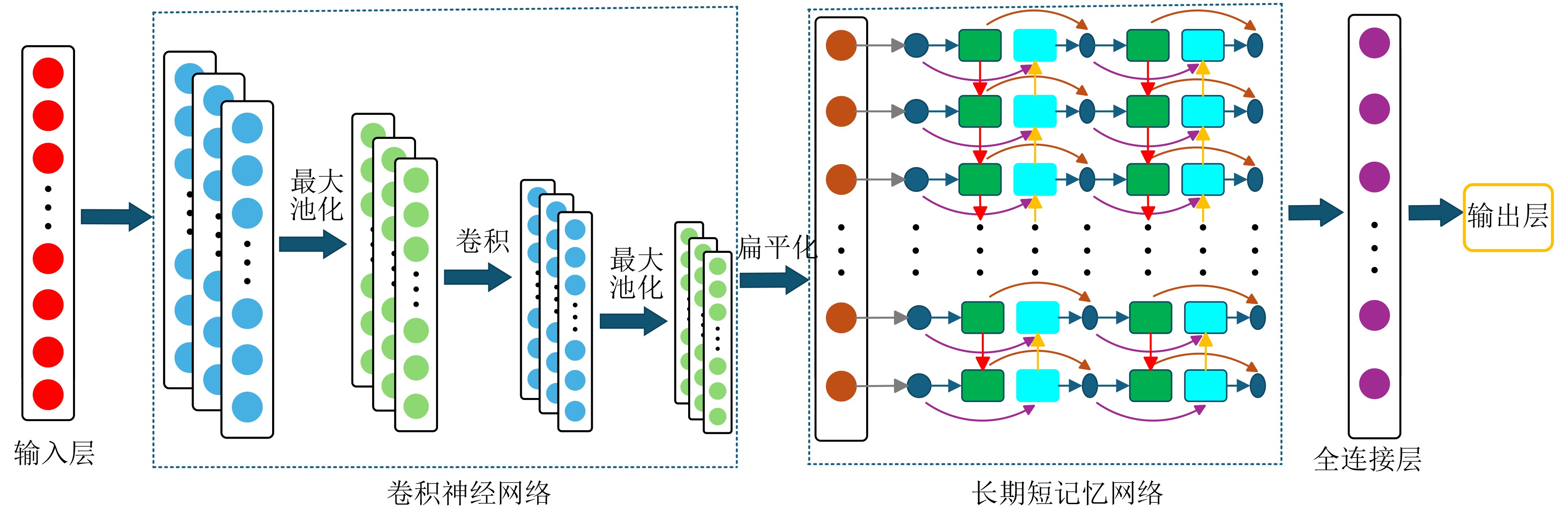
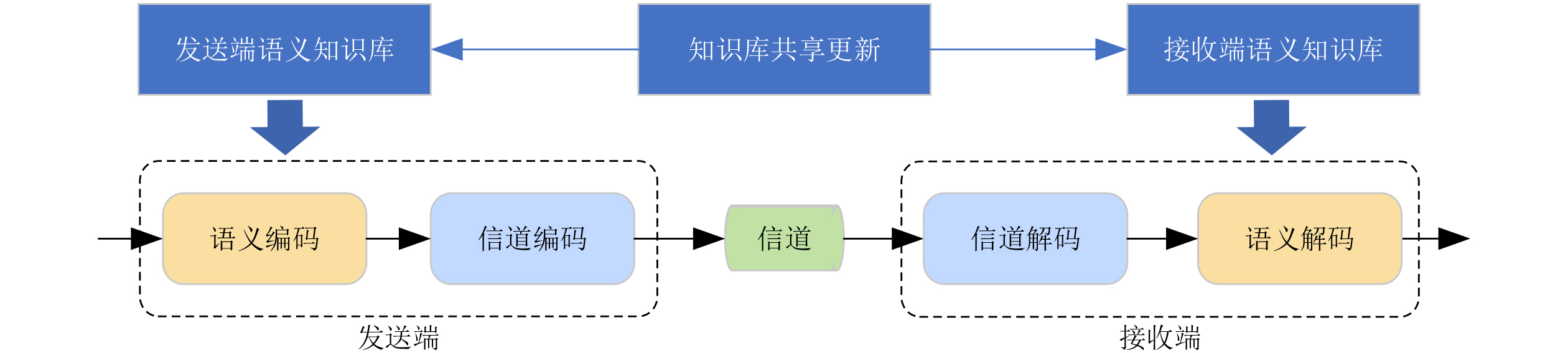
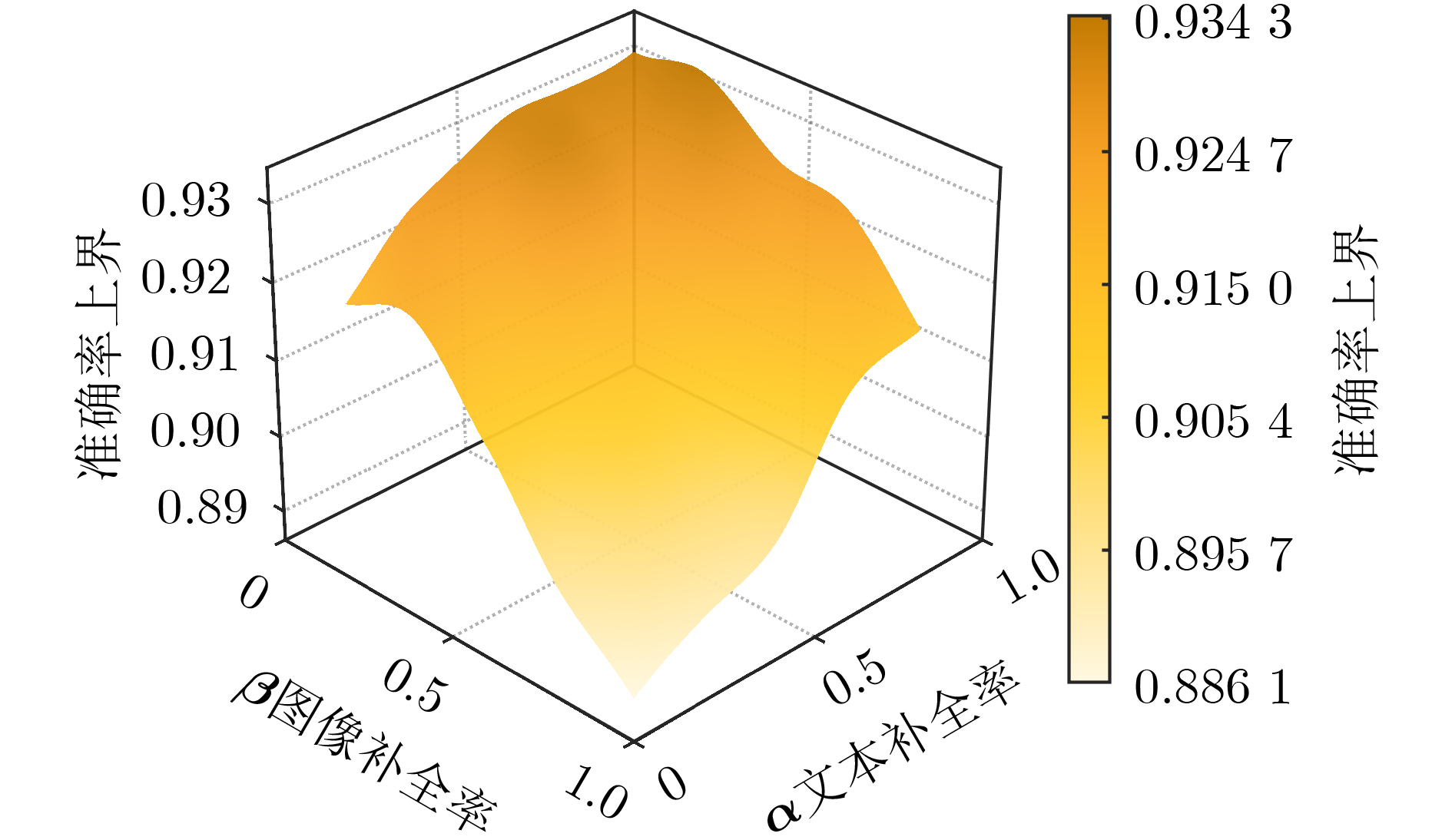
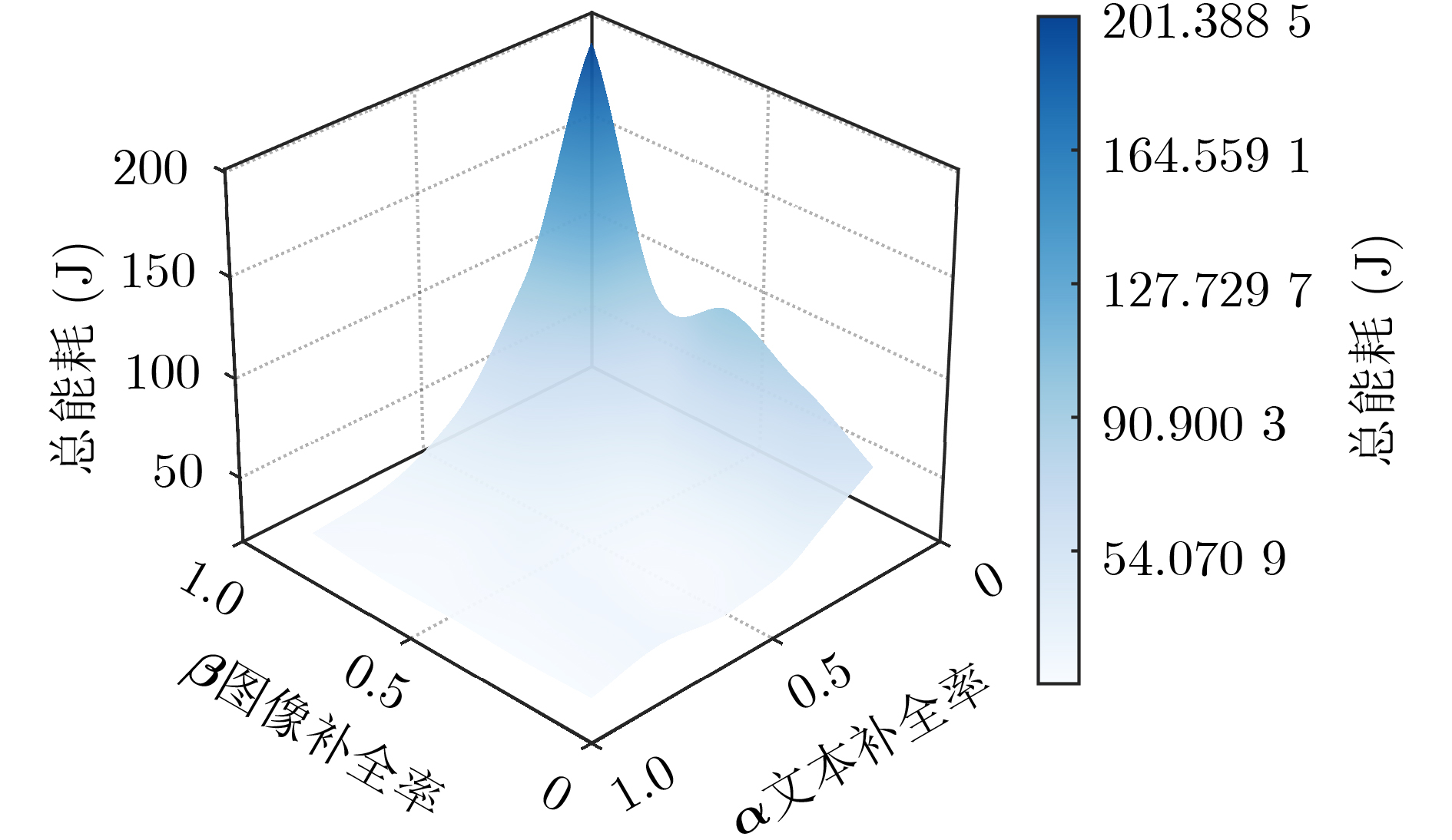
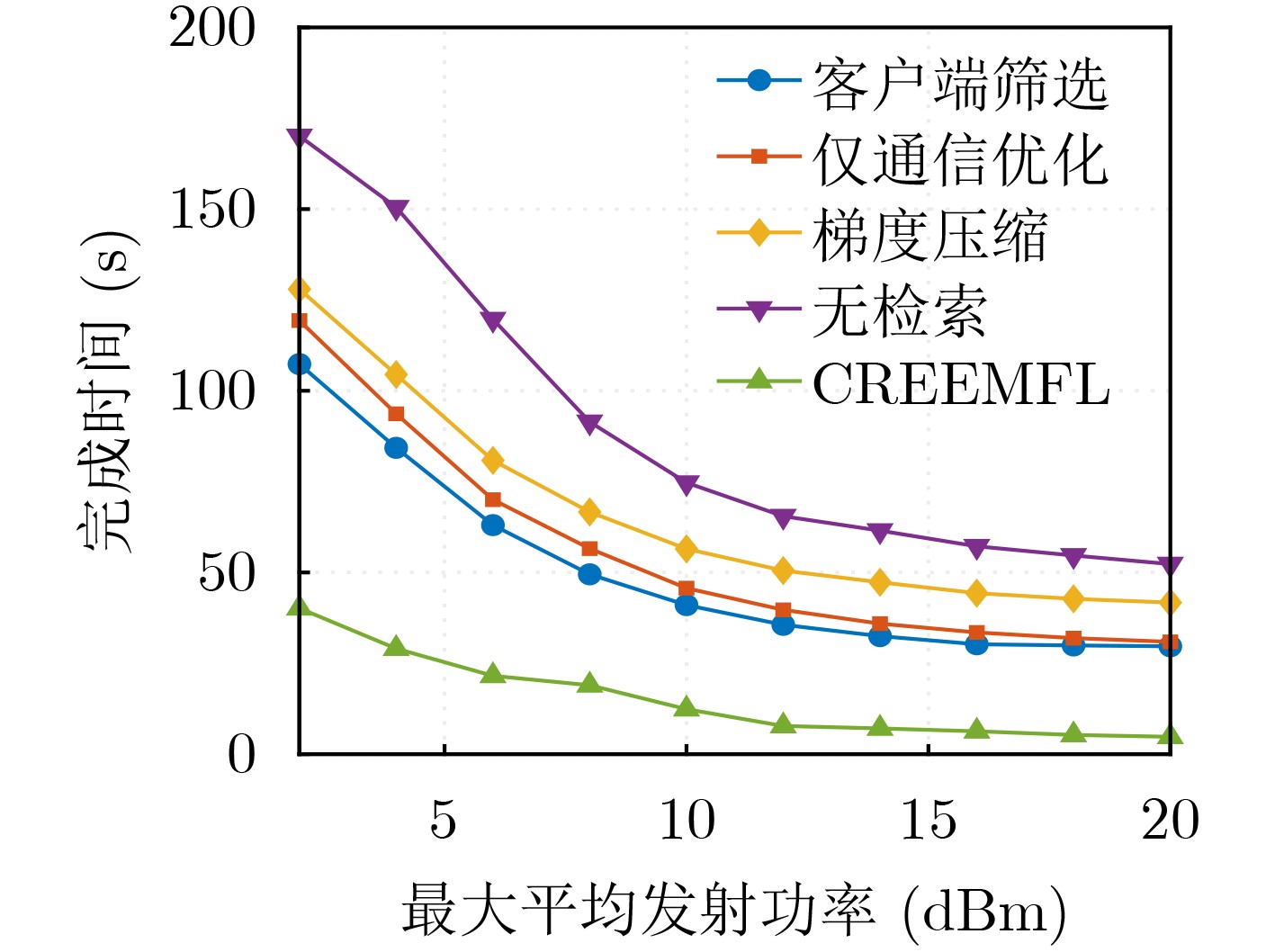
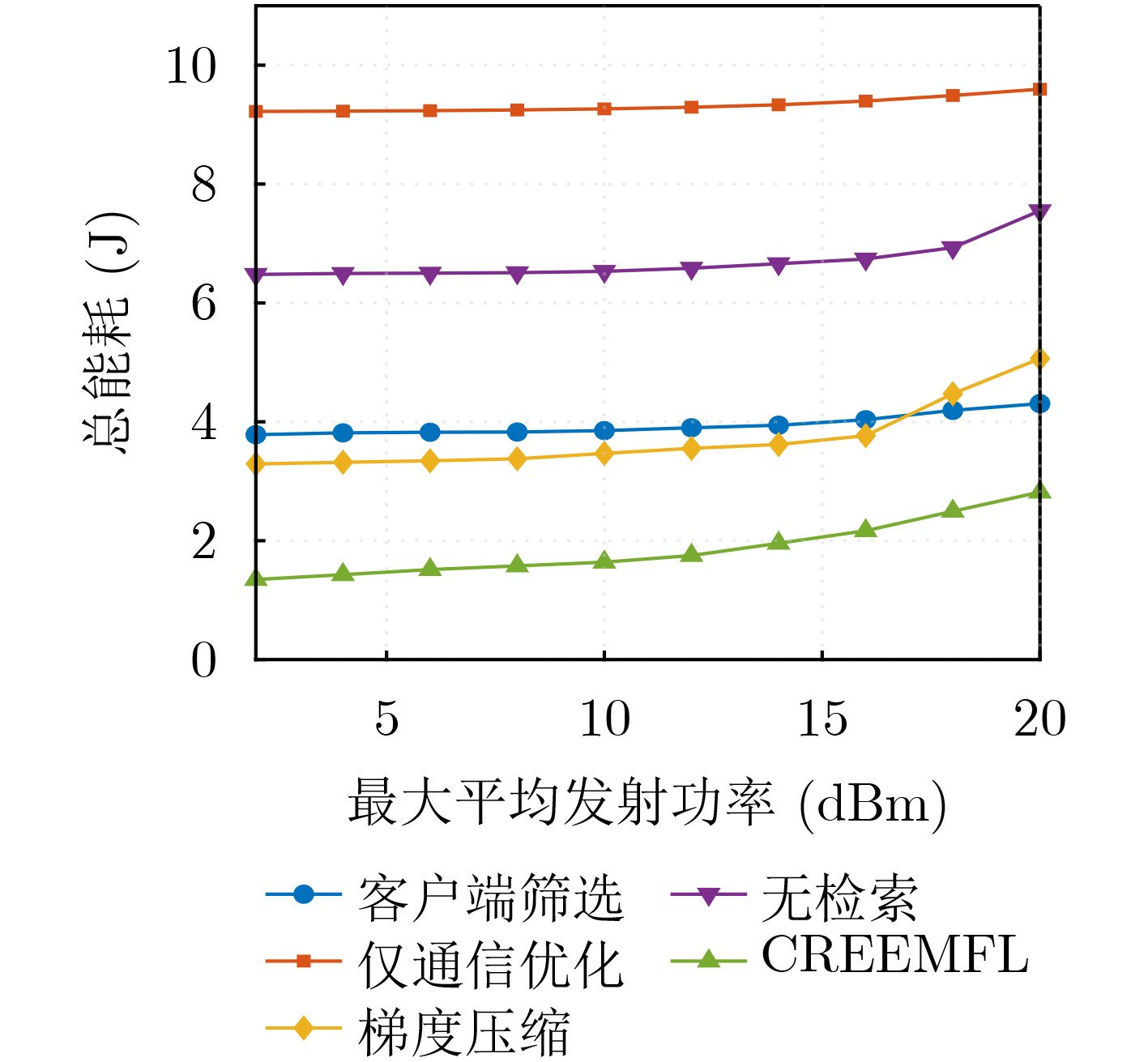
  Objective  With the rapid development of semantic communication and the increasing demand for high-fidelity image recovery, high computation and transmission energy consumption have become critical issues limiting network deployment. However, existing resource management strategies are mostly static and have limitations in adapting to dynamic wireless environments and user mobility. To address these challenges, a robust energy optimization strategy driven by a modified Multi-Agent Proximal Policy Optimization (MAPPO) algorithm has emerged as a promising approach. By jointly optimizing communication and computing resources, it is possible to minimize the total network energy consumption while strictly satisfying multi-dimensional constraints such as latency and image recovery quality.  Methods  First, a theoretical model for the semantic communication network is constructed , and a closed-form expression for the user Symbol Error Rate (SER) is derived via asymptotic analysis of the uplink Signal-to-Interference-plus-Noise Ratio (SINR). Subsequently, the coupling relationship among semantic extraction rate, transmit power, computing resources, and network energy consumption is quantified. Based on this, a joint optimization model is established to minimize the total energy under constraints of delay, accuracy, and reliability. To solve this complex mixed-integer nonlinear programming problem, a modified MAPPO algorithm is designed. This algorithm incorporates Long Short-Term Memory (LSTM) networks to capture temporal dynamics of user positions and channel states, and introduces a noise mechanism into the global state and advantage function to enhance policy exploration and robustness.  Results and Discussions  Simulation results demonstrate that the proposed algorithm significantly outperforms baseline methods (including standard MAPPO, NOISE-MAPPO, LSTM-MAPPO, MADDPG, and Greedy algorithms). Specifically, the proposed strategy accelerates the training convergence speed by 66.7%–80% compared to benchmarks. Furthermore, the algorithm exhibits superior stability in dynamic environments, improving the stability of network energy consumption by approximately 50% and user latency stability by over 96%. Additionally, the average SER is effectively reduced by 4%–16.33% without compromising the ultimate image recovery performance, verifying the algorithm's capability to balance energy efficiency and task reliability.  Conclusions   This paper addresses the challenge of energy optimization in semantic communication networks by integrating theoretical modeling with a modified deep reinforcement learning framework. The proposed decision-making method enhances the standard MAPPO algorithm by leveraging LSTM for temporal feature extraction and noise mechanisms for robust exploration. The method is evaluated through simulations in dynamic single-cell and multi-cell scenarios, and the results show that: (1) The proposed method significantly improves convergence efficiency and system stability over the baselines; (2) A better trade-off between energy consumption and service quality is achieved, providing a theoretical foundation and an efficient resource management framework for future energy-constrained semantic communication systems.
Differentiable Sparse Mask Guided Infrared Small Target Fast Detection Network
SHENG Weidong, WU Shuanglin, XIAO Chao, LONG Yunli, LI Xiaobin, ZHANG Yiming
Available online  , doi: 10.11999/JEIT250989
Abstract:
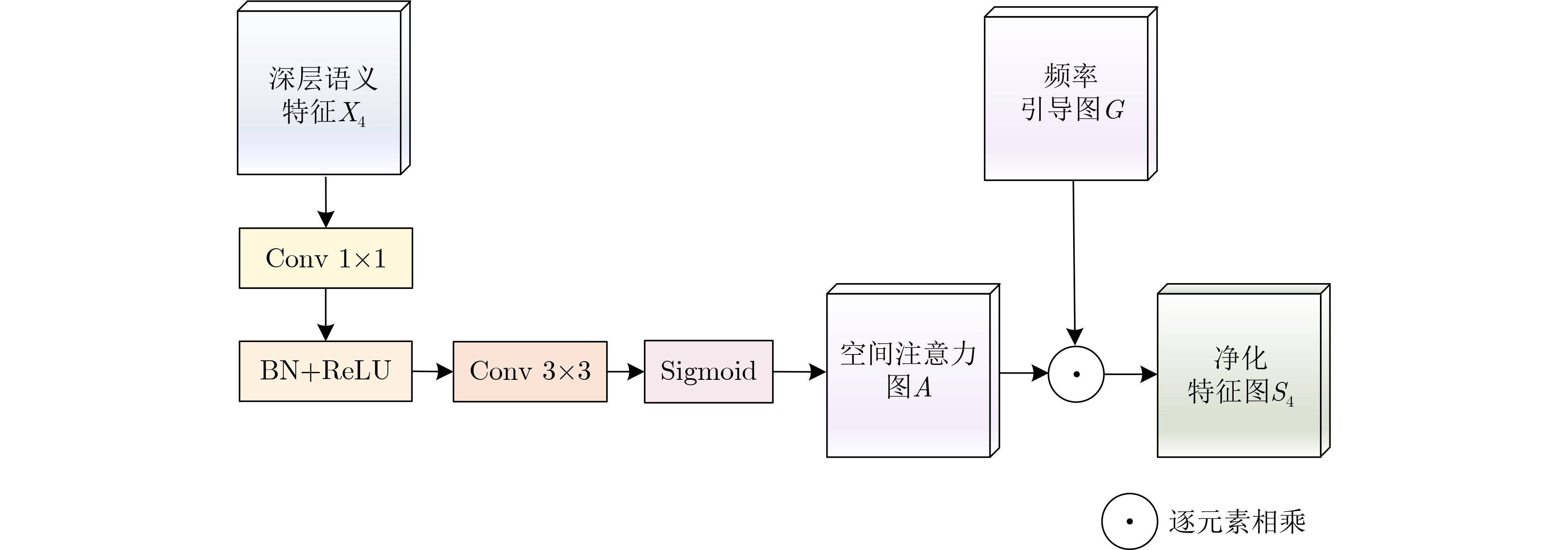
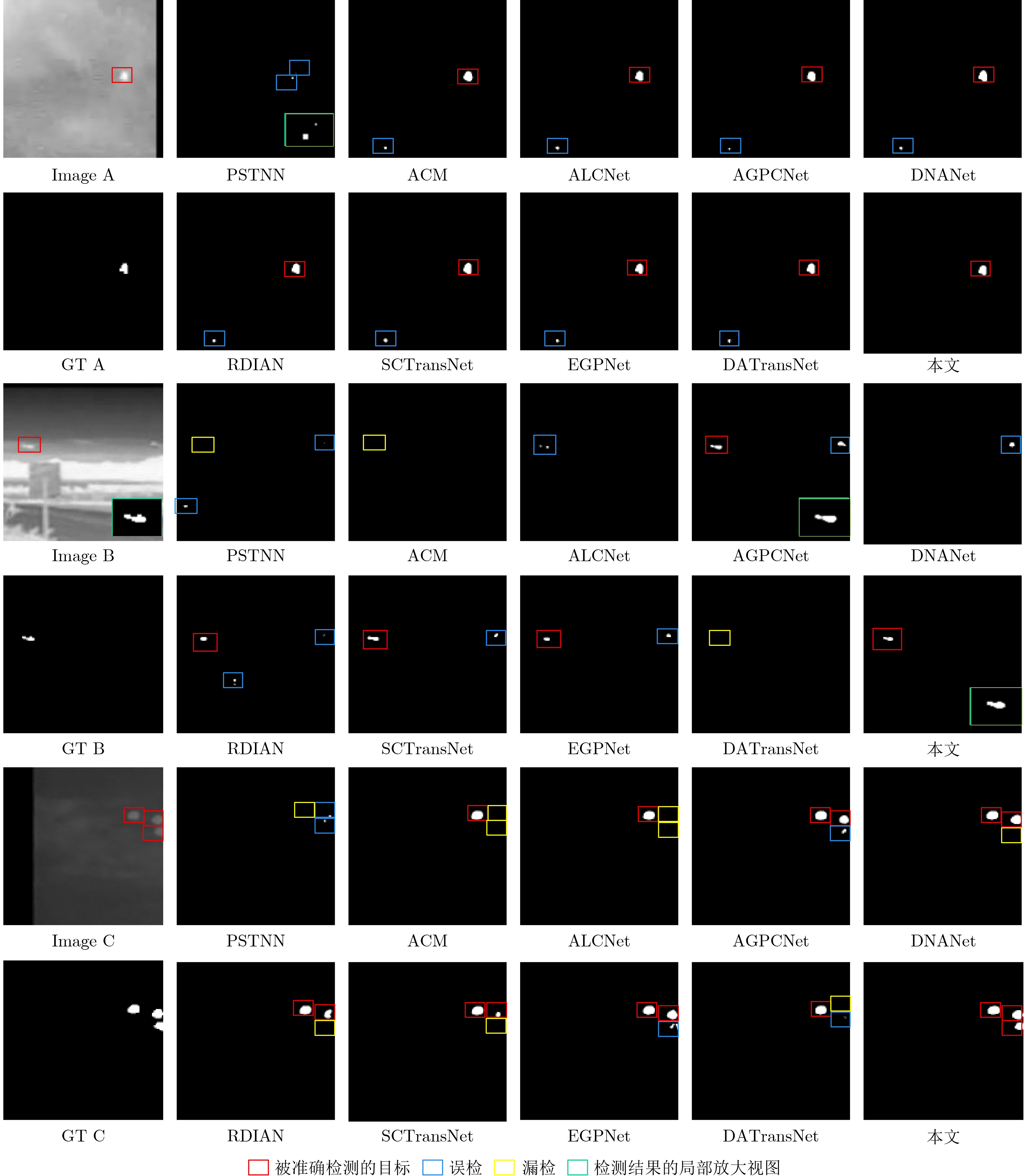
  Objective  Infrared small target detection holds significant and irreplaceable application value across various critical domains, including infrared guidance, environmental monitoring, and security surveillance. Its importance is underscored by tasks such as early warning systems, precision targeting, and pollution tracking, where timely and accurate detection is paramount. The core challenges in this domain stem from the inherent characteristics of infrared small targets: their extremely small size (typically less than 9×9 pixels), limited spatial features due to long imaging distance and the high probability of being overwhelmed by complex and cluttered backgrounds, such as cloud cover, sea glint, or urban thermal noise. These factors make it difficult to distinguish genuine targets from background clutter using conventional methods. Existing approaches to infrared small target detection can be broadly categorized into traditional model-based methods and modern deep learning techniques. Traditional methods often rely on manually designed background suppression operators, such as morphological filters (e.g., Top-Hat) or low-rank matrix recovery (e.g., IPI). While these methods are interpretable in simple scenarios, they struggle to adapt to dynamic and complex real-world environments, leading to high false alarm rates and limited robustness. On the other hand, deep learning-based methods, particularly those employing dense convolutional neural networks (CNNs), have shown improved detection performance by leveraging data-driven feature learning. However, these networks often fail to fully account for the extreme imbalance between target and background pixels—where targets typically constitute less than 1% of the entire image. This imbalance results in significant computational redundancy, as the network processes vast background regions that contribute little to the detection task, thereby hampering efficiency and real-time performance. To address these challenges, exploiting the sparsity of infrared small targets offers a promising direction. By designing a sparse mask generation module that capitalizes on target sparsity, it becomes feasible to coarsely extract potential target regions while filtering out the majority of redundant background areas. This coarse target region can then be refined through subsequent processing stages to achieve satisfactory detection performance. This paper presents an intelligent solution that effectively balances high detection accuracy with computational efficiency, making it suitable for real-time applications.  Methods  This paper proposes an end-to-end infrared small target detection network guided by a differentiable sparse mask. First, an input infrared image is preprocessed with convolution to generate raw features. A differentiable sparse mask generation module then uses two convolution branches to produce a probability map and a threshold map, and outputs a binary mask via a differentiable binarization function to extract target candidate regions and filter background redundancy. Next, a target region sampling module converts dense raw features into sparse features based on the binary mask. A sparse feature extraction module with a U-shaped structure (composed of encoders, decoders, and skip connections) using Minkowski Engine sparse convolution performs refined processing only on non-zero target regions to reduce computation. Finally, a pyramid pooling module fuses multi-scale sparse features, and the fused features are fed into a target-background binary classifier to output detection results.  Results and Discussions  To fully validate the effectiveness of the proposed method, comprehensive experiments were conducted on two mainstream infrared small target datasets: NUAA-SIRST, which contains 427 real-world infrared images extracted from actual videos, and NUDT-SIRST, a large-scale synthetic dataset with 1327 diverse images. The method was compared against 3 representative traditional algorithms (e.g., Top-Hat, IPI) and 6 state-of-the-art deep learning methods (e.g., DNA-Net, ACM). Results demonstrate the method achieves competitive detection performance: on NUAA-SIRST, it attains 74.38% IoU, 100% Pd, and 7.98×10⁻⁶ Fa; on NUDT-SIRST, it reaches 83.03% IoU, 97.67% Pd, and 9.81×10⁻⁶ Fa, matching the performance of leading deep learning methods. Notably, it excels in efficiency: with only 0.35M parameters, 11.10G Flops, and 215.06 FPS, its FPS is 4.8 times that of DNA-Net, significantly cutting computational redundancy. Ablation experiments (Fig.6) confirm the differentiable sparse mask module effectively filters most backgrounds while preserving target regions. Visual results (Fig.5) show fewer false alarms than traditional methods like PSTNN, as its "coarse-to-fine" mode reduces background interference, verifying balanced performance and efficiency.  Conclusions  This paper addresses the massive computational redundancy of existing dense computing methods in infrared small target detection—caused by extremely unbalanced target-background proportion (target proportion is usually smaller than 1% of the whole image)—by proposing a fast infrared small target detection network guided by a differentiable sparse mask. The network adaptively extracts candidate target regions and filters background redundancy via a differentiable sparse mask generation module, and constructs a feature extraction module based on Minkowski Engine sparse convolution to reduce computation, forming an end-to-end "coarse-to-fine" detection framework. Experiments on NUDT-SIRST and NUAA-SIRST datasets demonstrate that the proposed method achieves comparable detection performance to existing deep learning methods while significantly optimizing computational efficiency, balancing detection accuracy and speed. It provides a new idea for reducing redundancy based on sparsity in infrared small target detection, is applicable to scenarios like remote sensing detection, infrared guidance and environmental monitoring that require both real-time performance and accuracy, and offers useful references for the lightweight development of the field.
Physical Layer Authentication for Large Language Models in Maritime Communications
CHEN Qiaoxin, XIAO Liang, WANG Pengcheng, LI Jieling, YAO Jinqing, XU Xiaoyu
Available online  , doi: 10.11999/JEIT250804
Abstract:
  Objective  Physical (PHY)-layer authentication exploits channel state information of radio transmitters to detect spoofing attacks, but the accuracy and speed have to be further improved for LLM based smart ocean applications, due to insufficient channel estimation and fast time-varying channels in short-packet communication with limited preamble length. In this paper, we propose an environment perception-aware PHY-layer authentication scheme for LLM edge inference in smart ocean application, which designs a hypothesis testing based multi-mode authentication to evaluate channel state information and packet arrival interval. The application type and the environmental indicators inferred by LLM are exploited in reinforcement learning to optimize the authentication mode and test threshold, enhancing authentication accuracy and speed.  Methods  The environment perception-aware PHY-layer authentication scheme is proposed for LLM edge inference in maritime wireless networks, which designs a hypothesis testing based multi-mode authentication to evaluate channel state information and packet arrival interval to detect spoofing. Reinforcement learning is utilized to jointly optimize authentication mode and test threshold based on application types and the environmental indicators inferred by the multimodal LLM fed both images and prompts, thus enhancing authentication accuracy. The multi-level policy risk function is formulated to quantify the potential of miss detection, reducing the exploration probability for unsafe policies. A Benna-Fusi synapse model based continual learning mechanism is proposed to obtain multi-scale optimization experiences across multiple maritime scenarios, such as deck and cabin, and replays in the same cases to enhance policy optimization speed.  Results and Discussions  Simulations are performed based on a legal device and a shipborne server using the maritime channel data collected in the Xiamen Pearl Harbor area against a spoofing attacker at 1.5 m/s that sends false data packets to the server with up to 100 mW. Simulation results show the performance gain over benchmarks, e.g., providing 82.3% lower false alarm rate and 84.2% lower miss detection rate compared with RLPA, due to the use of environmental indicator derived from LLM and the safe exploration mechanism to avoid choosing the risk authentication policy that leads to a decline in miss detection.  Conclusions  This paper proposes a PHY-layer authentication scheme for LLM-enabled intelligent maritime wireless networks to optimize both the authentication mode and test threshold against spoofing attacks. Based on the environmental indicator derived from LLM, the channel state information, and the packet arrival interval, the safe exploration mechanism in the policy distribution is used to improve authentication accuracy and efficiency. Simulation results show that our proposed scheme reduces 82.3% false alarm rate and 84.2% miss rate compared with the benchmark RLPA.
A Deception Jamming Discrimination Algorithm Based on Phase Fluctuation for Airborne Distributed Radar System
LV Zhuoyu, YANG Chao, SUO Chengyu, WEN Cai
Available online  , doi: 10.11999/JEIT240787
Abstract:
  Objective   Deception jamming in airborne distributed radar systems presents a crucial challenge, as false echoes generated by Digital Radio Frequency Memory (DRFM) devices tend to mimic true target returns in amplitude, delay, and Doppler characteristics. These similarities complicate target recognition and subsequently degrade tracking accuracy. To address this problem, attention is directed to phase fluctuation signatures, which differ inherently between authentic scattering responses and synthesized interference replicas. Leveraging this distinction is proposed as a means of improving discrimination reliability under complex electromagnetic confrontation conditions.  Methods   A signal-level fusion discrimination algorithm is proposed based on phase fluctuation variance. Five categories of synchronization errors that affect the phase of received echoes are analyzed and corrected, including filter mismatch, node position errors, and equivalent amplitude-phase deviations. Precise matched filters are constructed through a fine-grid iterative search to eliminate residual phase distortion caused by limited sampling resolution. Node position errors are estimated using a DRFM-based calibration array, and equivalent amplitude-phase deviations are corrected through an eigendecomposition-based procedure. After calibration, phase vectors associated with target returns are extracted, and the variance of these vectors is taken as the discrimination criterion. Authentic targets present large phase fluctuations due to complex scattering, whereas DRFM-generated replicas exhibit only small variations.  Results and Discussions   Simulation results show that the proposed method achieves reliable discrimination under typical airborne distributed radar conditions. When the signal-to-noise ratio is 25 dB and the jamming-to-noise ratio is 3 dB, the misjudgment rate for false targets approaches zero when more than five receiving nodes are used (Fig.10, Fig.11). The method remains robust even when only a few false targets are present and performs better than previously reported approaches, where discrimination fails in single- or dual-false-target scenarios (Fig.14). High recognition stability is maintained across different jamming-to-noise ratios and receiver quantities (Fig.13). The importance of system-level error correction is confirmed, as discrimination accuracy declines significantly when synchronization errors are not compensated (Fig.12).  Conclusions   A phase-fluctuation-based discrimination algorithm for airborne distributed radar systems is presented. By correcting system-level errors and exploiting the distinct fluctuation behavior of phase signatures from real and false echoes, the method achieves reliable deception-jamming discrimination in complex electromagnetic environments. Simulations indicate stable performance under varying numbers of false targets, demonstrating good applicability for distributed configurations. Future work will aim to enhance robustness under stronger environmental noise and clutter.
Hybrid Vibration Isolation Design Based on Piezoelectric Actuator and Quasi-zero Stiffness System
YANG Liu, ZHAO Haiyang, ZHAO Kun, CHENG Jiajia, LI Dongjie
Available online  , doi: 10.11999/JEIT250310
Abstract:
  Objective  Precision instruments now operate under increasingly demanding vibration conditions, and conventional passive isolation methods are insufficient for maintaining stable laboratory environments. Vibrations generated by personnel movement, machinery operation, and vehicle transit can travel long distances and penetrate structural materials, reaching instrument platforms and reducing measurement accuracy, stability, and reliability. Passive isolation units such as rubber elements and springs show limited performance when dealing with low-frequency and small-amplitude excitation. Quasi-Zero Stiffness (QZS) systems improve low-frequency isolation but their performance depends on amplitude and requires strict installation accuracy. Active vibration isolation uses controlled actuators between the vibration source and the support structure to reduce disturbances. Piezoelectric ceramics offer high precision and rapid response, and are widely applied in such systems. Purely active isolation, however, may perform poorly at high frequencies due to sensor sampling limitations and actuator response bandwidth. High-frequency or large-amplitude excitation also results in high actuator energy demand, while the hysteresis characteristics of piezoelectric ceramics reduce control precision. Combining active and passive approaches is therefore an effective strategy for ensuring vibration stability in precision laboratory applications.  Methods  A hybrid vibration isolation strategy is developed by integrating a piezoelectric actuator with a QZS mechanism. A stacked piezoelectric ceramic actuator is designed to generate the required output force and displacement, and elastic spacers are used to apply a preload that improves operational stability and linearity. The QZS system is formed by combining positive and negative stiffness components to achieve high static stiffness with low dynamic stiffness. To address hysteresis in the piezoelectric actuator, an improved Bouc–Wen (B-W) model is adopted and an inverse model is constructed to enable hysteresis compensation. The actuator is then coupled with the QZS structure, and the vibration isolation performance of the hybrid system is assessed through numerical simulation.  Results and Discussions  An active–passive vibration isolation device is developed, comprising a QZS system formed by linear springs and an active piezoelectric stack actuator (Fig. 9a). Because the traditional B-W algorithm does not accurately describe the dynamic relationship between acceleration and voltage, a voltage-derivative term (Equation 13) is introduced to improve the conventional model. This modification refines the force–voltage representation, enhances model adaptability, and enables accurate description of the acceleration–voltage response over a broader operating range. Forward model parameters are identified using the differential evolution algorithm (Table 1), and an inverse model is constructed through direct inversion with parameters obtained using the same optimization method (Table 2). The forward and inverse modules are then cascaded to compensate for hysteresis (Fig. 8). Dynamic equations for the QZS system and the linearized piezoelectric actuator are derived (Equation 16). An adaptive sliding-mode controller incorporating a Luenberger sliding-mode observer is subsequently designed to regulate vibration signals, and active isolation performance is verified.  Conclusions  The proposed hybrid vibration isolation design integrates the passive low-frequency isolation capability of the QZS system with the active control potential of the piezoelectric actuator, offering a feasible approach for vibration suppression in precision instruments. The hysteresis behavior of piezoelectric ceramics is characterized and fitted effectively, and an inverse model is established to compensate for the nonlinear voltage–acceleration response. A dynamic model of the combined passive–active configuration is derived, and vibration signals are regulated using adaptive sliding-mode control with a Luenberger sliding-mode observer. The resulting system demonstrates stable vibration reduction, indicating strong applicability and research value.
Detection of Underwater Acoustic Transient Signals under Alpha Stable Distribution Noise
CHEN Wen, ZOU Nan, ZHANG Guangpu, LI Yanhe
Available online  , doi: 10.11999/JEIT250500
Abstract:
  Objective  Transient signals are generated during changes in the state of underwater acoustic targets and are difficult to suppress or remove. Therefore, they serve as an important basis for covert detection of underwater targets. Practical marine noise exhibits non-Gaussian behavior with impulsive components, which degrade or disable conventional Gaussian-based detectors, including energy detection commonly used in engineering systems. Existing approaches apply nonlinear processing or fractional lower-order statistics to mitigate non-Gaussian noise, yet they face drawbacks such as signal distortion and increased computational cost. To address these issues, an Alpha-stable noise model is adopted. A Data-Preprocessing denoising Short-Time Cross-Correntropy Detection (DP-STCCD) method is proposed to enable passive detection and Time-of-Arrival (ToA) estimation for unknown deterministic transient signals in non-Gaussian underwater environments.  Methods  The method consists of two stages: data-preprocessing denoising and short-time cross-correntropy detection. In the preprocessing stage, an outlier detection approach based on the InterQuartile Range (IQR) is used. Upper and lower thresholds are calculated to remove impulsive spikes while retaining local signal structure. Multi-stage filtering is then applied to further reduce noise. Median filtering reconstructs the signal with limited detail loss, and modified mean filtering suppresses remaining spikes by discarding extreme values within local windows. In the detection stage, the denoised signal is divided into short frames. Short-time cross-correntropy with a Gaussian kernel is calculated between adjacent frames to form the detection statistic. A first-order recursive filter estimates background noise and determines adaptive thresholds. Detection outputs are generated using joint amplitude–width decision rules. ToA estimation is performed by locating peaks in the short-time cross-correntropy. The method does not require prior noise information and improves robustness in non-Gaussian environments through data cleaning and information-theoretic feature extraction.  Results and Discussions  Simulations under symmetric Alpha-stable noise verify the effectiveness of the method. The preprocessing stage removes impulsive spikes while preserving key temporal features (Fig. 3). After denoising, the performance of energy detection shows partial recovery, and the peak-to-average ratio of short-time cross-correntropy features increases by 10 dB (Fig. 4, Fig. 5). Experimental results show that DP-STCCD provides higher detection probability and improved ToA estimation accuracy compared with Data Preprocessing denoising-Energy Detection(DP-ED). Under conditions with characteristic index α=1.5 and a Generalized Signal-to-Noise Ratio (GSNR) of −11 dB, DP-STCCD yields a 30.2% improvement in detection probability and an 18.4% increase in ToA estimation precision relative to the comparative method (Fig. 6, Fig. 9(a)). These findings confirm the robustness and detection capability of the proposed approach in non-Gaussian underwater noise environments.  Conclusions  A joint detection method, DP-STCCD, combining data-preprocessing denoising and short-time cross-correntropy features is proposed for transient signal detection under Alpha-stable noise. Preprocessing approaches based on IQR outlier detection and multi-stage filtering suppress impulsive interference while preserving key time-domain characteristics. Short-time cross-correntropy improves detection sensitivity and ToA estimation accuracy. The results show that the proposed method provides better performance than traditional energy detection under low GSNR and maintains stable behavior across different characteristic indices. The method offers a feasible solution for covert underwater target detection in non-Gaussian environments. Future work will optimize the algorithm for real marine noise and improve its engineering applicability.
Two-Channel Joint Coding Detection for Cyber-Physical Systems Against Integrity Attacks
MO Xiaolei, ZENG Weixin, FU Jiawei, DOU Keqin, WANG Yanwei, SUN Ximing, LIN Sida, SUI Tianju
Available online  , doi: 10.11999/JEIT250729
Abstract:
  Objective  Cyber-Physical Systems (CPS) are widely applied across infrastructure, aviation, energy, healthcare, manufacturing, and transportation, as computing, control, and sensing technologies advance. Due to the real-time interaction between information and physical processes, such systems are exposed to security risks during data exchange. Attacks on CPS can be grouped into availability, integrity, and reliability attacks based on information security properties. Integrity attacks manipulate data streams to disrupt the consistency between system inputs and outputs. Compared with the other two types, integrity attacks are more difficult to detect because of their covert and dynamic nature. Existing detection strategies generally modify control signals, sensing signals, or system models. Although these approaches can detect specific categories of attacks, they may reduce control performance and increase model complexity and response delay.  Methods  A joint additive and multiplicative coding detection scheme for the two-channel structure of control and output is proposed. Three representative integrity attacks are tested, including a control-channel bias attack, an output-channel replay attack, and a two-channel covert attack. These attacks remain stealthy by partially or fully obtaining system information and manipulating data so the residual-based χ2 detector output stays below the detection threshold. The proposed method introduces paired additive watermarking signals with positive and negative patterns, together with paired multiplicative coding and decoding matrices on both channels. These additional unknown signals and parameters introduce information uncertainty to the attacker and cause the residual statistics to deviate from the expected values constructed using known system information. The watermarking pairs and matrix pairs operate through different mechanisms. One uses opposite-sign injection, while the other uses a mutually inverse transformation. Therefore, normal control performance is maintained when no attack is present. The time-varying structure also prevents attackers from reconstructing or bypassing the detection mechanism.  Results and Discussions  Simulation experiments on an aerial vehicle trajectory model are conducted to assess both the influence of integrity attacks on flight paths and the effectiveness of the proposed detection scheme. The trajectory is modeled using Newton’s equations of motion, and attitude dynamics and rotational motion are omitted to focus on positional behavior. Detection performance with and without the proposed method is compared under the three attack scenarios (Fig. 2, Fig. 3, Fig. 4). The results show that the proposed scheme enables effective identification of all attack types and maintains stable system behavior, demonstrating its practical applicability and improvement over existing approaches.  Conclusions  This study addresses the detection of integrity attacks in CPS. Three representative attack types (bias, replay, and covert attacks) are modeled, and the conditions required for their successful execution are analyzed. A detection approach combining additive watermarking and multiplicative encoding matrices is proposed and shown to detect all three attack types. The design uses paired positive–negative additive watermarks and paired encoding and decoding matrices to ensure accurate detection while maintaining normal control performance. A time-varying configuration is adopted to prevent attackers from reconstructing or bypassing the detection elements. Using an aerial vehicle trajectory simulation, the proposed approach is demonstrated to be effective and applicable to cyber-physical system security enhancement.
Geospatial Identifier Network Modal Design and Scenario Applications for Vehicle-infrastructure Cooperative Networks
PAN Zhongxia, SHEN Congqi, LUO Hanguang, ZHU Jun, ZOU Tao, LONG Keping
Available online  , doi: 10.11999/JEIT250807
Abstract:
  Objective  Vehicle-infrastructure cooperative Networks (V2X)are open and contain large numbers of nodes with high mobility, frequent topology changes, unstable wireless channels, and varied service requirements. These characteristics create challenges to efficient data transmission. A flexible network that supports rapid reconfiguration to meet different service requirements is considered essential in Intelligent Transportation Systems (ITS). With the development of programmable network technologies, programmable data-plane techniques are shifting the architecture from rigid designs to adaptive and flexible systems. In this work, a protocol standard based on geospatial information is proposed and combined with a polymorphic network architecture to design a geospatial identifier network modal. In this modal, the traditional three-layer protocol structure is replaced by packet forwarding based on geospatial identifiers. Packets carry geographic location information, and forwarding is executed directly according to this information. Addressing and routing based on geospatial information are more efficient and convenient than traditional IP-based approaches. A vehicle-infrastructure cooperative traffic system based on geospatial identifiers is further designed for intelligent transportation scenarios. This system supports direct geographic forwarding for road safety message dissemination and traffic information exchange. It enhances safety and improves route-planning efficiency within V2X.  Methods  The geospatial identifier network modal is built on a protocol standard that uses geographic location information and a flexible polymorphic network architecture. In this design, the traditional IP addressing mechanism in the three-layer network is replaced by a geospatial identifier protocol, and addressing and routing are executed on programmable polymorphic network elements. To support end-to-end transmission, a protocol stack for the geospatial identifier network modal is constructed, enabling unified transmission across different network modals. A dynamic geographic routing mechanism is further developed to meet the transmission requirements of the GEO modal. This mechanism functions in a multimodal network controller and uses the relatively stable coverage of roadside base stations to form a two-level mapping: “geographic region–base station/geographic coordinates–terminal.” This mapping supports precise path matching for GEO modal packets and enables flexible, centrally controlled geographic forwarding. To verify the feasibility of the geospatial identifier network modal, a vehicle-infrastructure cooperative intelligent transportation system supporting geospatial identifier addressing is developed. The system is designed to facilitate efficient dissemination of road safety and traffic information. The functional requirements of the system are analyzed, and the business processing flow and overall architecture are designed. Key hardware and software modules are also developed, including the geospatial representation data-plane code, traffic control center services, roadside base stations, and in-vehicle terminals, and their implementation logic is presented.  Results and Discussions  System evaluation is carried out from four aspects: evaluation environment, operational effectiveness, theoretical analysis, and performance testing. A prototype intelligent transportation system is deployed, as shown in Figure 7 and Figure 8. The prototype demonstrates correct message transmission based on the geospatial identifier modal. A typical vehicle-to-vehicle communication case is used to assess forwarding efficiency, where an onboard terminal (T3) sends a road-condition alert (M) to another terminal (T2). Sequence-based analysis is applied to compare forwarding performance between the GEO modal and a traditional IP protocol. Theoretical analysis indicates that the GEO modal provides higher forwarding efficiency, as shown in Fig. 9. Additional performance tests are conducted by adjusting the number of terminals (Fig. 10), background traffic (Fig. 11), and transmission bandwidth (Fig. 12) to observe the transmission behavior of geospatial identifier packets. The results show that the intelligent transportation system maintains stable and efficient transmission performance under varying network conditions. System evaluation confirms its suitability for typical vehicle-infrastructure cooperative communication scenarios, supporting massive connectivity and elastic traffic loads.  Conclusions  By integrating a flexible polymorphic network architecture with a protocol standard based on geographic information, a geospatial identifier network modal is developed and implemented. The modal enables direct packet forwarding based on geospatial location. A prototype vehicle-infrastructure cooperative intelligent transportation system using geospatial identifier addressing is also designed for intelligent transportation scenarios. The system supports applications such as road-safety alerts and traffic information broadcasting, improves vehicle safety, and enhances route-planning efficiency. Experimental evaluation shows that the system maintains stable and efficient performance under typical traffic conditions, including massive connectivity, fluctuating background traffic, and elastic service loads. With the continued development of vehicular networking technologies, the proposed system is expected to support broader intelligent transportation applications and contribute to safer and more efficient mobility systems.
Neighboring Mutual-Coupling Channel Model and Tunable-Impedance Optimization Method for Reconfigurable-Intelligent-Surface Aided Communications
WU Wei, WANG Wennai
Available online  , doi: 10.11999/JEIT251109
Abstract:
  Objective  Reconfigurable Intelligent Surfaces (RIS) have attracted significant attention due to their capability to intelligently manipulate electromagnetic wave propagation. A typical RIS comprises a dense array of reflecting elements (REs) spaced no more than half a wavelength apart, where electromagnetic mutual-coupling inevitably arises between adjacent REs. This mutual-coupling effect becomes particularly pronounced when the RE spacing is less than half the wavelength, substantially influencing the performance and efficiency of RIS-assisted systems. Therefore, accurate modeling of mutual-coupling is crucial for RIS optimization. However, existing mutual-coupling-aware channel models often incur high computational complexity owing to the large dimensionality of the mutual impedance matrix, which limits their practical applicability. To address this issue, this paper proposes a simplified mutual-coupling-aware channel model based on a sparse neighboring mutual-coupling matrix, together with an efficient optimization method for configuring the tunable impedances of the RIS.  Methods  First, a simplified mutual-coupling-aware channel model is developed through two key steps: (1) constructing a neighboring mutual-coupling matrix based on the exponentially decaying nature of mutual impedance with distance, and (2) deriving a closed-form approximation for mutual impedance between the transmitter/receiver and reflecting elements under far-field conditions. Specifically, by leveraging the rapid decay of mutual impedance with increasing inter-element spacing, only eight or three mutual-coupling parameters are retained, along with one self-impedance parameter. These parameters are systematically organized into a neighboring mutual-coupling matrix using predefined support matrices. Furthermore, to reduce the computational complexity in evaluating mutual impedance, the distance term is approximated by a central value under far-field assumptions, allowing the integral expression to be simplified into a compact analytical form. Building upon this simplified channel model, we then propose an efficient optimization scheme for the RIS tunable impedances. Using an impedance decomposition approach, we analytically derive a closed-form expression for the optimal tunable impedance matrix. This enables low-complexity configuration of the RIS, with a computational cost independent of the number of RIS elements.  Results and Discussions  The accuracy and computational efficiency of the proposed simplified models, together with the effectiveness of the proposed impedance optimization method, are verified through numerical simulations. First, the two proposed simplified models are compared with the reference model. The first simplified model employs a neighboring mutual-coupling matrix that accounts for interactions among elements separated by no more than one intermediate unit, whereas the second model considers only the immediately adjacent elements. Results show that the channel gain increases as the RE spacing decreases, with more rapid growth observed at smaller spacings (Fig. 4). The modeling error between the simplified models and the reference model remains below 0.1 when the RE spacing does not exceed \begin{document}$ \lambda /4 $\end{document}; however, the error increases noticeably when the spacing reaches a larger value. In addition, the error curves indicate that the modeling errors of both simplified models become negligible when the spacing is below \begin{document}$ \lambda /4 $\end{document}, suggesting that the second model can be adopted to further reduce complexity (Fig. 6). Second, the computational complexity of the proposed models is compared with that of the reference model. It is shown that when the number of REs exceeds 4, the complexity of computing the mutual-coupling matrix in the reference model begins to exceed that of the proposed adjacent mutual-coupling matrix. Moreover, as the number of REs increases, the complexity of the reference model grows rapidly, whereas that of the proposed model remains constant (Fig. 5). Finally, the proposed impedance optimization method is compared with two benchmark approaches (Fig. 7, Fig. 8). Results show that when the RE spacing is no more than \begin{document}$ \lambda /4 $\end{document}, the channel gain achieved by the proposed method is close to that of the algorithm introduced in [18]. However, as the spacing increases beyond that range, a noticeable performance gap emerges between the two methods. Furthermore, the performance of the proposed method consistently exceeds that of the coherent phase-shift optimization method.  Conclusions  The integration of numerous densely arranged REs in a RIS introduces significant mutual-coupling effects. These effects can considerably impact system performance and therefore should be accounted for in channel modeling and impedance optimization. To address this challenge, this paper has proposed a simplified mutual-coupling-aware channel model based on a neighboring mutual-coupling matrix, together with an efficient optimization method for configuring the tunable impedances. Specifically, a low-complexity channel model has been developed by incorporating the neighboring mutual-coupling matrix and a simplified mutual-impedance expression derived under far-field assumptions. Furthermore, based on this model and through an impedance decomposition approach, a closed-form solution for the optimal RIS tunable impedances has been derived. Simulation results demonstrate that the proposed channel model and impedance optimization method maintain satisfactory accuracy and effectiveness when the element spacing does not exceed \begin{document}$ \lambda /4 $\end{document}. This work provides a practical theoretical framework and useful design insights for analyzing and optimizing RIS-assisted systems in the presence of mutual-coupling effects.
An Implicit Certificate-Based Lightweight Authentication Scheme for Power Industrial Internet of Things
WANG Sheng, ZHANG Linghao, TENG Yufei, LIU Hongli, HAO Junyang, WU Wenjuan
Available online  , doi: 10.11999/JEIT250457
Abstract:
  Objective  The rapid development of the Internet of Things, cloud computing, and edge computing drives the evolution of the Power Industrial Internet of Things (PIIoT) into core infrastructure for smart power systems. In this architecture, terminal devices collect operational data and send it to edge gateways for preliminary processing before transmission to cloud platforms for further analysis and control. This structure improves efficiency, reliability, and security in power systems. However, the integration of traditional industrial systems with open networks introduces cybersecurity risks. Resource-constrained devices in PIIoT are exposed to threats that may lead to data leakage, privacy exposure, or disruption of power services. Existing authentication mechanisms either impose high computational and communication overhead or lack sufficient protection, such as forward secrecy or resistance to replay and man-in-the-middle attacks. This study focuses on designing a lightweight and secure authentication method suitable for the PIIoT environment. The method is intended to meet the operational needs of power terminal devices with limited computing capability while ensuring strong security protection.  Methods  A secure and lightweight identity authentication scheme is designed to address these challenges. Implicit certificate technology is applied during device identity registration, embedding public key authentication information into the signature rather than transmitting a complete certificate during communication. Compared with explicit certificates, implicit certificates are shorter and allow faster verification, reducing transmission and validation overhead. Based on this design, a lightweight authentication protocol is constructed using only hash functions, XOR operations, and elliptic curve point multiplication. This protocol supports secure mutual authentication and session key agreement while remaining suitable for resource-constrained power terminal devices. A formal analysis is then performed to evaluate security performance. The results show that the scheme achieves secure mutual authentication, protects session key confidentiality, ensures forward secrecy, and resists replay and man-in-the-middle attacks. Finally, experimental comparisons with advanced authentication protocols are conducted. The results indicate that the proposed scheme requires significantly lower computational and communication overhead, supporting its feasibility for practical deployment.  Results and Discussions  The proposed scheme is evaluated through simulation and numerical comparison with existing methods. The implementation is performed on a virtual machine configured with 8 GB RAM, an Intel i7-12700H processor, and Ubuntu 22.04, using the Miracl-Python cryptographic library. The security level is set to 128 bits, with the ed25519 elliptic curve, SHA-256 hash function, and AES-128 symmetric encryption. Table 1 summarizes the performance of the cryptographic primitives. As shown in Table 2, the proposed scheme achieves the lowest computational cost, requiring three elliptic curve point multiplications on the device side and five on the gateway side. These values are substantially lower than those of traditional certificate-based authentication, which may require up to 14 and 12 operations, respectively. Compared with other representative authentication approaches, the proposed method further reduces the computational burden on devices, improving suitability for resource-limited environments. Table 3 shows that communication overhead is also minimized, with the smallest total message size (3 456 bits) and three communication rounds, attributed to the implicit certificate mechanism. As shown in Fig. 5, the authentication process exhibits the shortest execution time among all evaluated schemes. The runtime is 47.72 ms on devices and 82.88 ms on gateways, indicating lightweight performance and suitability for deployment in Industrial Internet of Things applications.  Conclusions  A lightweight and secure identity authentication scheme based on implicit certificates is presented for resource-constrained terminal devices in the PIIoT. Through the integration of a low-overhead authentication protocol and efficient certificate processing, the scheme maintains a balance between security and performance. It enables secure mutual authentication, protects session key confidentiality, and ensures forward secrecy while keeping computational and communication overhead minimal. Security analysis and experimental evaluation confirm that the scheme provides stronger protection and higher efficiency compared with existing approaches. It offers a practical and scalable solution for enhancing the security architecture of modern power systems.
Full Field-of-View Optical Calibration with Microradian-Level Accuracy for Space Laser Communication Terminals on Low-Earth-Orbit Constellation Applications
XIE Qingkun, XU Changzhi, BIAN Jingying, ZHENG Xiaosong, ZHANG Bo
Available online  , doi: 10.11999/JEIT250734
Abstract:
  Objective  The Coarse Pointing Assembly (CPA) is a core element in laser communication systems and supports wide-field scanning, active orbit–attitude compensation, and dynamic disturbance isolation. To address multi-source disturbances such as orbital perturbations and attitude maneuvers, a high-precision, high-bandwidth, and fast-response Pointing, Acquisition, and Tracking (PAT) algorithm is required. Establishing a full Field-Of-View (FOV) optical calibration model between the CPA and the detector is essential for suppressing image degradation caused by spatial pointing deviations. Conventional calibration methods often rely on ray tracing to simulate beam offsets and infer calibration relationships, yet they show several limitations. These limitations include high modeling complexity caused by non-coaxial paths, multi-reflective surfaces, and freeform optics; susceptibility to systematic errors generated by assembly tolerances, detector non-uniformity, and thermal drift; and restricted applicability across the full FOV due to spatial anisotropy. A high-precision calibration method that remains effective across the entire FOV is therefore needed to overcome these challenges and ensure stable and reliable laser communication links.  Methods  To achieve precise CPA–detector calibration and address the limitations of traditional approaches, this paper presents a full FOV optical calibration method with microradian-level accuracy. Based on the optical design characteristics of periscope-type laser terminals, an equivalent optical transmission model of the CPA is established and the mechanism of image rotation is examined. Leveraging the structural rigidity of the optical transceiver channel, the optical transmission matrix is simplified to a constant matrix, yielding a full-space calibration model that directly links CPA micro-perturbations to spot displacements. By correlating the CPA rotation angles between the calibration target points and the actual operating positions, the calibration task is further reduced to estimating the calibration matrix at the target points. Random micro-perturbations are applied to the CPA to induce corresponding micro-displacements of the detector spot. A calibration equation based on CPA motion and spot displacement is formulated, and the calibration matrix is obtained through least-squares regression. The full-space calibration relationship between the CPA and detector is then derived through matrix operations.  Results and Discussions  Using the proposed calibration method, an experimental platform (Fig. 4) is constructed for calibration and verification with a periscope laser terminal. Accurate measurements of the conjugate motion relationship between the CPA and the CCD detector spot are obtained (Table. 1). To evaluate calibration accuracy and full-space applicability, systematic verification is conducted through single-step static pointing and continuous dynamic tracking. In the static pointing verification, the mechanical rotary table is moved to three extreme diagonal positions, and the CPA performs open-loop pointing based on the established CPA–detector calibration relationship. Experimental results show that the spot reaches the intended target position (Fig. 5), with a pointing accuracy below 12 mrad (RMS). In the dynamic tracking experiment, system control parameters are optimized to maintain stable tracking of the platform beam. During low-angular-velocity motion of the rotary table, the laser terminal sustains stable tracking (Fig. 6). The CPA trajectory shows a clear conjugate relationship with the rotary table motion (Fig. 6(a), Fig. 6(b)), and the tracking accuracy in both orthogonal directions is below 4 mrad (Fig. 6(c), Fig. 6(d)). The independence of the optical transmission matrix from the selection of calibration target points is also examined. By increasing the spatial accessibility of calibration points, the method reduces operational complexity while maintaining calibration precision. Improved spatial distribution of calibration points further enhances calibration efficiency and accuracy.  Conclusions  This paper presents a full FOV optical calibration method with microradian-level accuracy based on single-target micro-perturbation measurement. To satisfy engineering requirements for rapid linking and stable tracking, a full-space optical matrix model for CPA–detector calibration is constructed using matrix optics. Random micro-perturbations applied to the CPA at a single target point generate a generalized transfer equation, from which the calibration matrix is obtained through least-squares estimation. Experimental results show that the model mitigates image rotation, mirroring, and tracking anomalies, suppresses calibration residuals to below 12 mrad across the full FOV, and limits the dynamic tracking error to within 5 mrad per axis. The method eliminates the need for additional hardware and complex alignment procedures, providing a high-precision and low-complexity solution that supports rapid deployment in the mass production of Low-Earth-Orbit (LEO) laser terminals.
Visible Figure Part of Multi-source Maritime Ship Dataset
CUI Yaqi, ZHOU Tian, XIONG Wei, XU Saifei, LIN Chuanqi, XIA Mutao, SUN Weiwei, TANG Tiantian, ZHANG Jie, GUO Hengguang, SONG Penghan, HUAN Yingchun, ZHANG Zhenjie
Available online  , doi: 10.11999/JEIT250138
Abstract:
  Objective  The increasing intensity of marine resource development and maritime operations has heightened the need for accurate vessel detection under complex marine conditions, which is essential for protecting maritime rights and interests. In recent years, object detection algorithms based on deep learning—such as YOLO and Faster R-CNN—have emerged as key methods for maritime target perception due to their strong feature extraction capabilities. However, their performance relies heavily on large-scale, high-quality training data. Existing general-purpose datasets, such as COCO and PASCAL VOC, offer limited vessel classes and predominantly feature static, urban, or terrestrial scenes, making them unsuitable for marine environments. Similarly, specialized datasets like SeaShips and the Singapore Marine Dataset (SMD) suffer from constraints such as limited data sources, simple scenes, small sample sizes, and incomplete coverage of marine target categories. These limitations significantly hinder further performance improvement of detection algorithms. Therefore, the development of large-scale, multimodal, and comprehensive marine-specific datasets represents a critical step toward resolving current application challenges. This effort is urgently needed to strengthen marine monitoring capabilities and ensure operational safety at sea.  Methods  To overcome the aforementioned challenges, a multi-sensor marine target acquisition system integrating radar, visible-light, infrared, laser, Automatic Identification System (AIS), and Global Positioning System (GPS) technologies is developed. A two-month shipborne observation campaign is conducted, yielding 200 hours of maritime monitoring and over 90 TB of multimodal raw data. To efficiently process this large volume of low-value-density data, a rapid annotation pipeline is designed, combining automated labeling with manual verification. Iterative training of intelligent annotation models, supplemented by extensive manual correction, enables the construction of the Visible Figure Part of the Multi-Source Maritime Ship Dataset (MSMS-VF). This dataset comprises 265,233 visible-light images with 1,097,268 bounding boxes across nine target categories: passenger ship, cargo vessel, speedboat, sailboat, fishing boat, buoy, floater, offshore platform, and others. Notably, 55.84% of targets are small, with pixel areas below 1,024. The dataset incorporates diverse environmental conditions including backlighting, haze, rain, and occlusion, and spans representative maritime settings such as harbor basins, open seas, and navigation channels. MSMS-VF offers a comprehensive data foundation for advancing maritime target detection, recognition, and tracking research.  Results and Discussions  The MSMS-VF dataset exhibits substantially greater diversity than existing datasets (Table 1, Table 2). Small targets, including buoys and floaters, occur frequently (Table 5), posing significant challenges for detection. Five object detection models—YOLO series, Real-Time Detection Transformer (RT-DETR), Faster R-CNN, Single Shot MultiBox Detector (SSD), and RetinaNet—are assessed, together with five multi-object tracking algorithms: Simple Online and Realtime Tracking (SORT), Optimal Compute for SORT (OC-SORT), DeepSORT, ByteTrack, and MotionTrack. YOLO models exhibit the most favorable trade-off between speed and accuracy. YOLOv11 achieves a mAP50 of 0.838 on the test set and a processing speed of 34.43 FPS (Table 6). However, substantial performance gaps remain for small targets; for instance, YOLOv11 yields a mAP50 of 0.549 for speedboats, markedly lower than the 0.946 obtained for large targets such as cargo vessels (Table 7). RT-DETR shows moderate performance on small objects, achieving a mAP50 of 0.532 for floaters, whereas conventional models like Faster R-CNN perform poorly, with mAP50 values below 0.1. For tracking, MotionTrack performs best under low-frame-rate conditions, achieving a MOTA of 0.606, IDF1 of 0.750, and S of 0.681 using a Gaussian distance cascade-matching strategy (Table 8, Fig. 13).  Conclusions  This study presents the MSMS-VF dataset, which offers essential data support for maritime perception research through its integration of multi-source inputs, diverse environmental scenarios, and a high proportion of small targets. Experimental validation confirms the dataset’s utility in training and evaluating state-of-the-art algorithms, while also revealing persistent challenges in detecting and tracking small objects under dynamic maritime conditions. Nevertheless, the dataset has limitations. The current data are predominantly sourced from waters near Yantai, leading to imbalanced ship-type representation and the absence of certain vessel categories. Future efforts will focus on expanding data acquisition to additional maritime regions, broadening the scope of multi-source data collection, and incrementally releasing extended components of the dataset to support ongoing research.
Performance Analysis for Self-Sustainable Intelligent Metasurface Based Reliable and Secure Communication Strategies
QU Yayun, CAO Kunrui, WANG Ji, XU Yongjun, CHEN Jingyu, DING Haiyang, JIN Liang
Available online  , doi: 10.11999/JEIT250637
Abstract:
  Objective  The Reconfigurable Intelligent Surface (RIS) is generally powered by a wired method, and its power cable functions as a “tail” that restricts RIS maneuverability during outdoor deployment. A Self-Sustainable Intelligent Metasurface (SIM) that integrates RIS with energy harvesting is examined, and an amplified SIM architecture is presented. The reliability and security of SIM communication are analyzed, and the analysis provides a basis for its rational deployment in practical design.  Methods   The static wireless-powered and dynamic wireless-powered SIM communication strategies are proposed to address the energy and information outage challenges faced by SIM. The communication mechanism of the un-amplified SIM and amplified SIM (U-SIM and A-SIM) under these two strategies is examined. New integrated performance metrics of energy and information, termed joint outage probability and joint intercept probability, are proposed to evaluate the strategies from the perspectives of communication reliability and communication security.  Results and Discussions   The simulations evaluate the effect of several critical parameters on the communication reliability and security of each strategy. The results indicate that: (1) Compared to alternative schemes, at low base station transmit power, A-SIM achieves optimal reliability under the dynamic wireless-powered strategy and optimal security under the static wireless-powered strategy (Figs. 2 and 3). (2) Under the same strategy type, increasing the number of elements at SIM generally enhances reliability but reduces security. With a large number of elements, U-SIM maintains higher reliability than A-SIM, while A-SIM achieves higher security than U-SIM (Figs. 4 and 5). (3) An optimal amplification factor maximizes communication reliability for SIM systems (Fig. 6).  Conclusions   The results show that the dynamic wireless-powered strategy can mitigate the reduction in the reliability of SIM communication caused by insufficient energy. Although the amplified noise of A-SIM decreases reliability, it can improve security. Under the same static or dynamic strategies, as the number of elements at SIM increases, A-SIM provides better security, whereas U-SIM provides better reliability.
Energy Consumption Optimization of Cooperative NOMA Secure Offload for Mobile Edge Computing
CHEN Jian, MA Tianrui, YANG Long, LÜ Lu, XU Yongjun
Available online  , doi: 10.11999/JEIT250606
Abstract:
  Objective  Mobile Edge Computing (MEC) is used to strengthen the computational capability and response speed of mobile devices by shifting computing and caching functions to the network edge. Non-Orthogonal Multiple Access (NOMA) further supports high spectral efficiency and large-scale connectivity. Because wireless channels are broadcast, the MEC offload transmission process is exposed to potential eavesdropping. To address this risk, physical-layer security is integrated into a NOMA-MEC system to safeguard secure offloading. Existing studies mainly optimize performance metrics such as energy use, latency, and throughput, or improve security through NOMA-based co-channel interference and cooperative interference. However, the combined effect of performance and security has not been fully examined. To reduce the energy required for secure offloading, a cooperative NOMA secure offload scheme is designed. The distinctive feature of the proposed scheme is that cooperative nodes provide forwarding and computational assistance at the same time. Through joint local computation between users and cooperative nodes, the scheme strengthens security in the offload process while reducing system energy consumption.  Methods  The joint design of computational and communication resource allocation for the nodes is examined by dividing the offloading procedure into two stages: NOMA offloading and cooperative offloading. Offloading strategies for different nodes in each stage are considered, and an optimization problem is formulated to minimize the weighted total system energy consumption under secrecy outage constraints. To handle the coupled multi-variable and non-convex structure, secrecy transmission rate constraints and secrecy outage probability constraints, originally expressed in probabilistic form, are first transformed. The main optimization problem is then separated into two subproblems: slot and task allocation, and power allocation. For the non-convex power allocation subproblem, the non-convex constraints are replaced with bilinear substitutions, and sequential convex approximations are applied. An alternating iterative resource allocation algorithm is ultimately proposed, allowing the load, power, and slot assignment between users and cooperative nodes to be adjusted according to channel conditions so that energy consumption is minimized while security requirements are satisfied.  Results and Discussions  Theoretical analysis and simulation results show that the proposed scheme converges quickly and maintains low computational complexity. Relative to existing NOMA full-offloading schemes, assisted computing schemes, and NOMA cooperative interference schemes, the proposed offloading design reduces system energy consumption and supports a higher load under identical secrecy constraints. The scheme also demonstrates strong robustness, as its performance is less affected by weak channel conditions or increased eavesdropping capability.  Conclusions  The study shows that system energy consumption and security constraints are closely coupled. In the MECg offloading process, communication, computation, and security are not independent. Performance and security can be improved at the same time through the effective use of cooperative nodes. When cooperative nodes are present, NOMA and forwarding cooperation can reduce the effects of weak channel conditions or high eavesdropping risks on secure and reliable transmission. Cooperative nodes can also share users’ local computational load to strengthen overall system performance. Joint local computation between users and cooperative nodes further reduces the security risks associated with long-distance wireless transmission. Thus, secure offloading in MEC is not only a Physical Layer Security issue in wireless transmission but also reflects the coupled relationship between communication and computation that is specific to MEC. By making full use of idle resources in the network, cooperative communication and computation among idle nodes can enhance system security while maintaining performance.
Robust Adaptive Beamforming for Sparse Arrays
FAN Xuhui, WANG Yuyi, WANG Anyi, XU Yanhong, CUI Can
Available online  , doi: 10.11999/JEIT250952
Abstract:
  Objective  The rapid advancement of modern communication technologies (e.g., 5G networks and IoT applications) has led to increased complexity in signal processing for wireless communication and radar systems. Adaptive beamforming techniques have found extensive applications in these areas owing to their effectiveness in extracting the signal of interest amidst interference and noise. Traditional robust adaptive beamforming methods can effectively handle steering vector mismatch. Such mismatches may arise from environmental non-stationarity, direction-of-arrival estimation errors, imperfect array calibration, antenna deformation, and local scattering effects. However, they ignore the potential benefits of the sparse arrays, which can significantly reduce hardware complexity and system cost. Moreover, they frequently fail to suppress sidelobe levels (SLL) in environments with interference source, limiting their practical utility in complex electromagnetic scenarios. To overcome these limitations, this paper proposes a robust adaptive beamforming algorithm that achieves both the sparse arrays and low SLL constraints.  Methods  Unlike conventional sparse approaches that place the l0 norm penalty in the objective function, the proposed method introduces the l0 norm into the constraint. This formulation ensures that the optimized array configuration satisfies the pre-specified number of active sensors, thereby avoiding the uncertainty caused by adjusting sparse weights in multi-objective optimization models. In addition to the sparsity constraint, a SLL suppression constraint is also introduced. This design imposes an upper bound on the array response in interference and clutter directions, thereby effectively suppressing undesired signals. By integrating these constraints into the optimization framework, the proposed method achieves a robust Minimum Variance Distortionless Response (MVDR) beamforming that exhibits sparsity, adaptivity, and robustness. To address the nonconvexity of the formulated optimization problem, a convex relaxation strategy is adopted to transform the non-convex constrain into a convex one. Therefore, this paper proposes robust adaptive beamforming methods that generates a sparse weight solution from a uniform linear array (ULA). It is worth noting that although the proposed method is derived from a ULA, obtaining a sparse weight solution provides several practical benefits. By assigning zero weights to certain sensors, the method effectively reduces the number of active elements, lowering hardware cost and computational complexity, while still maintaining desirable beamforming performance. The main contribution of this paper lies in proposing a unified framework that enables collaborative optimization of robustness, beam performance, SLL, and array sparsity.  Results and Discussions  A series of simulation experiments were conducted to evaluate the performance of the proposed sparse robust beamforming algorithm under various scenarios, including multiple interference environments, steering vector mismatch, angle-of-arrival (AOA) mismatch, low signal-to-noise ratio (SNR) conditions, and complex electromagnetic environments based on practical antenna arrays. Simulation results demonstrate that the proposed algorithm can maintain stable mainlobe gain in the desired signal direction while forming deep nulls in the interference directions. First, in the presence of steering vector mismatch, conventional MVDR beamformers often suffer from reduced mainlobe gain or even beam pointing deviations, which severely compromise the reception of the desired signal. In contrast, the proposed algorithm is capable of maintaining a stable and distortionless mainlobe direction under mismatch conditions, thereby ensuring high gain in the desired signal direction (Fig. 2(a), Fig. 3(a)). Second, by introducing a sidelobe constraint, the proposed algorithm effectively suppresses clutter and achieves significantly lower peak sidelobe levels compared with other approaches (Fig. 2(b)). Third, under low-SNR conditions, the algorithm demonstrates strong noise resistance. Even in severely noise-contaminated scenarios, it is able to maintain effective interference suppression and achieve high output Signal-to-Interference-plus-Noise Ratio (SINR). This indicates that the method has good adaptability in weak target detection and in cluttered environments. Moreover, the optimized sparse array configuration achieves beamforming performance close to that of a ULA despite activating only a subset of sensors (Fig. 2). Finally, experimental validation based on real antenna arrays further confirmed the effectiveness of the proposed method (Fig. 3). The algorithm maintains stable performance and is still able to achieve high gain in the desired direction even in the presence of AOA estimation mismatches (Fig. 4). In summary, experimental results demonstrate that the proposed algorithm achieves significant improvements in robustness and hardware efficiency. Furthermore, it exhibits reliable performance and effectiveness in complex electromagnetic environments.  Conclusions  This paper proposes a robust adaptive beamforming algorithm for sparse arrays. The core innovation lies in establishing a joint optimization model that incorporates array sparsity, steering vector mismatch robustness, and low SLL constraints into a unified framework. Compared with methods such as MVDR[9] (which primarily focuses on interference suppression), CMR[12] (which achieves robustness), or NA-CS[30] (which only achieves array sparsity), the proposed method achieves a balanced across multiple dimensions. Simulation results demonstrate that, in complex scenarios involving steering vector errors, AOA estimation mismatches, and low SNR conditions, this method can maintain satisfactory beamforming performance with lower hardware costs, exhibiting stronger practical engineering value and application potential.
A multi-step channel prediction method based on pseudo-3D convolutional neural network with attention mechanism
TAO Jing, HOU Meng, PENG Wei, ZHANG Guoyan, DAI Jiaming, LIU Weiming, WANG Haidong, WANG Zhen
Available online  , doi: 10.11999/JEIT251090
Abstract:
  Objective  With the rapid increase in the number of connections and data traffic in the fifth generation mobile networks, massive MIMO has become the key to improving network performance. The spectral efficiency and energy efficiency of massive MIMO transmission performance depend on accurate channel state information (CSI). However, the non-stationary characteristics of the wireless channel, the delay of terminal processing and the application of ultra-high frequency band aggravate the outdated problem of CSI, which needs to be compensated by channel prediction. Most of the mainstream prediction schemes are based on generalized stationary channels, and most of them are single-step channel prediction methods. In non-stationary environments, the CSI obtained by single-step prediction is highly likely to be outdated, and frequent single-step prediction will greatly increase the pilot overhead of the system. In order to cope with these challenges, this study proposes a multi-step channel prediction method based on pseudo-three-dimensional convolutional neural network and attention mechanism, which can learn the time-frequency characteristics of CSI at the same time. By using the high correlation in frequency domain, the influence of low correlation in time domain on multi-step prediction can be alleviated, and the performance of prediction can be improved.  Methods  In this paper, the uplink model of massive MIMO system is constructed (Fig. 1). The channel state information is obtained by channel estimation through IFFT at the transmitter and FFT at the receiver. Through the actual channel measurement, the channel state information data set with dimension of time domain-frequency domain is obtained, and the autocorrelation analysis of time dimension and frequency dimension is carried out. Based on pseudo three-dimensional convolution and mixed attention mechanism CBAM, a multi-step channel prediction network structure (P3D-CNN-CBAM) (Fig. 13) is designed. The P3D-CNN structure is used to replace the traditional 3D-CNN structure. The three-dimensional convolution operation is decomposed into two-dimensional convolution operation in the frequency domain and one-dimensional convolution operation in the time domain, which greatly reduces the computational complexity. The mixed attention mechanism CBAM is introduced to extract the global information in the frequency domain and the channel domain, which further improves the channel prediction accuracy.  Results and Discussions  Based on the measured channel state information data set, this paper uses the channel prediction method based on AR model, the channel prediction method based on fully connected long short-term memory (FC-LSTM) and the channel prediction method based on P3D-CNN-CBAM to compare the prediction performance under different prediction steps. The simulation results show that the average NMSE of the proposed channel prediction method based on P3D-CNN-CBAM is smaller than that of the other two methods (Fig. 17). As the prediction step increases from 1 to 10, the prediction error rises sharply because the AR model and FC-LSTM only use the correlation in the time domain. When the prediction step size is 10, the average NMSE of the prediction method based on AR model and FC-LSTM reaches 0.5868 and 0.7648, respectively. The average NMSE of the prediction method based on P3D-CNN-CBAM is only 0.3078, maintaining good prediction ability. This paper also compares and confirms the improvement of P3D-CNN network prediction performance brought by the hybrid attention mechanism CBAM (Fig. 18). Finally, using the method of transfer learning, the proposed method is transformed from a single day to a single day.  Conclusions  Based on the measured channel state information data set, this paper adopts the information based on AR model. Aiming at the CSI outdated problem of single-step prediction method in massive MIMO channel prediction, this paper proposes a multi-step channel prediction method based on pseudo-three-dimensional convolutional neural network and attention mechanism. By using pseudo-three-dimensional convolution instead of three-dimensional convolution, the information of CSI time-frequency domain is extracted, and a hybrid attention mechanism (CBAM) is introduced to improve the learning ability of channel prediction network for global information. The experimental results based on the measured channel data show that: (1) The proposed method has great advantages over the prediction methods based on AR model and FC-LSTM; (2) Based on the idea of transfer learning, the multi-step channel prediction is extended from single antenna to multi-antenna.
MCL-PhishNet: A Multi-Modal Contrastive Learning Network for Phishing URL Detection
DONG Qingwei, FU Xueting, ZHANG Benkui
Available online  , doi: 10.11999/JEIT250758
Abstract:
  Objective  With the increasing complexity and dynamism of phishing attacks, traditional detection methods face challenges such as feature redundancy, multi-modal mis-match, and insufficient robustness to adversarial samples when confronting emerging attacks.  Methods  This paper proposes MCL-PhishNet, a multi-modal contrastive learning framework, to achieve precise phishing URL detection through a hierarchical syntactic encoder, bidirectional cross-modal attention mechanisms, and curriculum contrastive learning strategies. Specifically, multi-scale residual convolutions and Transformers collaboratively model local grammatical patterns and global de-pendency relationships of URLs, while 17-dimensional statistical features enhance robustness to adversarial samples. The dynamic contrastive learning mechanism optimizes feature space distribution via online spectral clustering-based semantic subspace partitioning and boundary margin constraints.  Results and Discussions  Experimental results demonstrate that MCL-PhishNet achieves an accuracy of 99.41% and an F1-score of 99.65% on datasets including EBUU17 and PhishStorm(Fig. 4 and Fig. 5), significantly outperforming traditional machine learning and deep learning approaches.  Conclusions  This framework provides an end-to-end technical paradigm for detecting dynamically evolving adversarial attacks.
Quality Map-guided Fidelity Compression Method for High-energy Regions of Spectral Data
LIU Xiangli, LI Zan, CHEN Yifeng, CHEN Le
Available online  , doi: 10.11999/JEIT250650
Abstract:
  Objective  In the context of intelligent evolution in communication and radar technologies, the inefficiency of radio frequency (RF) data compression has become a critical bottleneck restricting the expansion of transmission bandwidth and the improvement of system energy efficiency. Traditional compression methods struggle to balance compression ratio and reconstruction accuracy in complex scenarios with non-uniform energy distribution. This study aims to address the challenge of fidelity compression for spectral data with non-uniform energy distribution by developing an innovative method guided by a quality map to preserve high-energy regions, thereby enhancing the adaptability of RF signal processing in complex environments.  Methods  The proposed method employs a three-dimensional energy mask to dynamically guide the encoder to enhance features in high-energy regions, combined with multi-level complex convolution and inverted residual connections for efficient feature extraction and reconstruction. Key components include: Quality map: Derived from RF signals’ local energy and amplitude changes, fusing energy proportion and variation as structured prior. Loss function: Rate-distortion joint optimization integrating WMSE, complex correlation, and phase difference losses, with learnable parameters balancing objectives (Fig. 1).Compression network: Encoder-decoder framework with quality map extractors, deep encoders/decoders, and entropy coding, using complex convolution, residual spatial transformation (multi-scale features, high-frequency details), and gated normalization (low-energy noise suppression) (Figs. 26).  Results and Discussions  Experiments on the public dataset RML2018.01a demonstrate the superiority of the proposed method:Reconstruction Accuracy: Visual comparisons of real/imaginary parts and amplitude spectra show high overlap between reconstructed and original signals (Figs. 78), with errors concentrated in low-energy regions. PSNR remains ≥35 dB across the tested –4–20 dB SNR range, ensuring robust performance even in extreme low-SNR conditions (Fig. 9).Ablation Experiments: Removing the quality map guidance mechanism leads to significant reconstruction errors in high-energy regions, as reflected by lower PSNR, higher mean relative error (MRE), and reduced correlation coefficients compared to the full algorithm (Figs. 9), validating the quality map’s critical role in protecting high-energy features.Comparative Analysis: Compared with traditional methods (LFZip, CORAD), the proposed method achieves superior performance at -4 dB SNR: higher PSNR (35.75 dB vs. ≤29.45 dB), lower MRE (6.91% vs. ≥8.45%), and stronger correlation coefficients (0.898 vs. ≤0.832), with a slightly lower compression ratio (Table 1).Self-built Dataset Validation: To verify adaptability to practical complex scenarios, supplementary experiments were conducted on a MATLAB-simulated dataset (Table 3): 5 modulations (BPSK, QPSK, 8PSK, 16QAM, 64QAM), AWGN+Rayleigh fading channel, –4–20 dB SNR (step 6 dB), 25k samples (1k per modulation per SNR), 8:1:1 split. Even under fading channels, the method outperforms baselines at –4 dB SNR: PSNR 34.61 dB (vs. 28.46/27.88 dB), MRE 7.53% (vs. 9.00%/9.38%), correlation 0.885 (vs. 0.821/0.808; Table 3), with optimal rate-distortion performance across all compression ratios (Fig. 11).Slight performance reduction vs. RML2018.01a is attributed to Rayleigh fading-induced energy dispersion, but consistent superiority across datasets confirms the method’s strong robustness to non-uniform energy distribution and complex channel characteristics in practical applications.  Conclusions  This study presents a quality map-guided fidelity compression method for RF data in the frequency domain, addressing the challenge of non-uniform energy distribution. The method efficiently preserves high-energy region features through dynamic feature enhancement and multi-dimensional loss optimization. Experimental results highlight its advantages in reconstruction accuracy and noise resistance, providing a new framework for high-fidelity compression of complex RF signals in communication and radar systems. Future work will focus on extending the method to real-time processing scenarios and integrating physical layer constraints to further improve practical applicability.
Ultra-Low-Power IM3 Backscatter Passive Sensing System for IoT Applications
HUANG Ruiyang, WU Pengde
Available online  , doi: 10.11999/JEIT250787
Abstract:
  Objective  With the advancement of wireless communication and electronic manufacturing, the Internet of Things (IoT) has progressed remarkably, healthcare, agriculture, logistics, and other fields. The exponential growth of IoT devices brings significant challenges: billions of devices demand enormous cumulative energy, and traditional battery-powered devices require frequent charging, increasing operational costs and exacerbating electronic waste. Thus, innovative energy-saving solutions are crucial for IoT’s sustainable development. Core strategies to address energy and lifecycle constraints involve enhancing energy supply and reducing device power consumption. Energy harvesting (EH) technology enables devices to collect and store solar, thermal, kinetic, and radio frequency (RF) energy for Ambient IoT (AmIoT) applications. However, existing EH technologies have limitations: conventional IoT devices (especially active RF components) consume high power, and insufficient EH efficiency may hinder real-time data transmission. To tackle these issues, this paper proposes a novel IM3 backscatter passive sensing system for direct analog sensing transmission without compromising RF energy harvesting efficiency.  Methods  The third-order intermodulation (IM3) signal is a nonlinear distortion product generated when two fundamental frequency tones are processed by nonlinear devices (e.g., transistors, diodes) in communication systems, with frequencies of 2f1-f2 and 2f2-f1. The core innovation of this work is establishing a controllable functional relationship between sensor information and IM3 signal frequencies, enabling information encoding via IM3 frequencies. A key regulatory component is an embedded impedance module—designed as a parallel resonant tank with resistors, inductors, and capacitors—integrated into the rectifier circuit. Tuning the tank’s resonant frequency selectively adjusts the conversion efficiency from fundamental tones to IM3 signals: aligning with a target IM3 frequency introduces a high-impedance load, reducing that IM3 component’s efficiency, while other IM3 signals remain unaffected. Sensor information dynamically adjusts the module’s resonant frequency by converting the information into a DC voltage applied to a voltage-controlled varactor. By linking sensor information to impedance states, impedance states to IM3 conversion efficiency, and IM3 frequency characteristics to sensor information, the system achieves novel passive sensing.  Results and Discussions  A rectifying transmitter operating in the UHF 900 MHz band was designed and fabricated (Fig. 8). One signal source was fixed at 910.5 MHz, and the other cyclically scanned 917–920 MHz, generating IM3 signals in the 923.5–929.5 MHz range. Both sources had an output power of 0 dBm, with DC voltage as the transmitted sensor information. Experimental results show a power trough in the backscattered IM3 spectrum; as the DC voltage varies 0–5 V, the trough position shifts accordingly (Fig. 9), with an attenuation of over 10 dB throughout, ensuring good resolution (related to the varactor diode’s capacitance ratio). Additionally, the embedded impedance module has little impact on RF-DC efficiency (Fig. 10): at fixed DC voltage, efficiency decreases by 5 basis points at the modulation frequency, independent of input power; under fixed input power, different sampled voltages cause ~5 basis points efficiency reduction at different frequencies. These results confirm the rectifier circuit’s stable efficiency, meeting low-power data transmission requirements.  Conclusions  This paper proposes a novel passive sensing system based on backscattered third-order intermodulation (IM3) signals, enabling simultaneous efficient radio frequency (RF) energy harvesting and sensing readout. It reveals the regulation mechanism between difference-frequency embedded impedance module and backscattered IM3 intensity. Controlled by sensing information, the module correlates sensing data with IM3 intensity for passive readout. Experimental results show the embedded impedance reduces target frequency IM3 intensity by over 10 dB and the RF-DC efficiency decreases by only 5 percentage points during readout. The microwave anechoic chamber tests confirm the error between IM3-parsed bias voltage and measured value is stably within 5%, indicating good stability. This system breaks the coordinated energy-information transmission bottleneck, providing battery-free communication for passive sensor nodes. It extends device lifespan and reduces maintenance costs in ultra-low-power scenarios like wireless sensor networks and implantable medical devices, with significant engineering application value.
A Neural Network-Based Robust Direction Finding Algorithm for Mixed Circular and Non-Circular Signals Under Array Imperfections
YU Qi, YIN Jiexin, LIU Zhengwu, WANG Ding
Available online  , doi: 10.11999/JEIT250884
Abstract:
  Objective   Direction of Arrival (DOA) estimation faces significant challenges in practical environments characterized by low signal-to-noise ratios (SNR), the coexistence of circular and non-circular signals, and various array imperfections. Traditional subspace algorithms often suffer from model mismatch and performance degradation under these complex conditions. While deep learning offers promising data-driven solutions, effectively leveraging the unique statistical properties of non-circular signals and ensuring robustness against diverse array errors remain critical yet under-explored areas. This study aims to develop a robust DOA estimation algorithm capable of handling mixed signals and array imperfections, thereby enhancing estimation accuracy and reliability in challenging scenarios.  Methods   This paper proposes a robust DOA estimation algorithm based on an improved Vision Transformer (ViT) model. First, a novel six-channel, image-like input structure is constructed by fusing multiple features derived from the received signal's covariance matrix and pseudo-covariance matrix, including the real part, imaginary part, magnitude, phase, magnitude ratio (for non-circular characteristic), and phase of the pseudo-covariance matrix. A gradient masking mechanism is introduced to adaptively fuse these core and auxiliary features. Second, the traditional ViT architecture is enhanced: the standard patch embedding is replaced with a convolutional layer for better local feature extraction, and a dual-class token attention mechanism (one at the sequence head and one at the tail) is designed to enrich feature representation. The model utilizes a standard Transformer encoder for deep feature learning and ultimately performs DOA estimation via a multi-label classification head.  Results and Discussions   Extensive simulations were conducted to evaluate the proposed algorithm (6C-ViT) against several benchmarks, including MUSIC, NC-MUSIC, CNN-based (6C-CNN), ResNet-based (6C-ResNet), and MLP-based (6C-MLP) methods. Performance was assessed using Root Mean Square Error (RMSE) and angular estimation error under various conditions.Under single-source scenarios with low SNR and no array errors, the proposed 6C-ViT achieved near-zero RMSE across most angles, particularly in the central region, and demonstrated minimal edge errors (Fig. 2). It maintained the lowest RMSE across the tested SNR range from –20 dB to 15 dB (Fig. 3), showing good generalization even to untrained SNR levels. In dual-source scenarios involving mixed circular and non-circular signals under array errors, 6C-ViT significantly outperformed all competitors, with estimation errors fluctuating minimally around zero, while other methods exhibited larger errors and instabilities, especially at array edges (Fig. 4). Its RMSE decreased consistently with increasing SNR, dropping below 0.1° at high SNR, whereas traditional methods plateaued around 0.4° (Fig. 5). Further tests confirmed 6C-ViT's strong adaptability and robustness. It exhibited superior performance and stability across varying numbers of signal sources (K=1,2,3) and snapshot numbers (from 100 to 2 000), where other methods showed significant performance degradation or instability, particularly at low snapshots or with multiple sources (Fig. 6). When tested with unknown modulation signals (UQPSK with non-circularity rate 0.6 and 64QAM) under array errors, 6C-ViT maintained the lowest RMSE across most angles (Fig. 7), demonstrating excellent generalization capability. Ablation studies (Fig. 8) verified the individual contributions of the proposed six-channel input, gradient masking, convolutional embedding, and dual-class token mechanism, with the complete model delivering the best overall performance.  Conclusions   The proposed improved ViT-based DOA estimation algorithm demonstrates superior performance and strong robustness in complex scenarios involving mixed circular and non-circular signals, multiple array imperfections, low SNR, and closely spaced sources. By effectively fusing multi-dimensional signal features and leveraging an enhanced Transformer architecture, the algorithm achieves higher estimation accuracy and better generalization across varying signal types, error conditions, snapshot numbers, and noise environments compared to existing subspace and deep learning methods. This work provides an effective solution for reliable DOA estimation in challenging practical settings.
Modeling and Dynamic Analysis of Controllable Multi-Double Scroll Memristor Hopfield Neural Network
LIU Song, LI Zihan, QIU Da, LUO Min, LAI Qiang
Available online  , doi: 10.11999/JEIT250972
Abstract:
Objective:The human brain is a complex neural system capable of integrated information storage, computation, and parallel processing. The collective activity of neuronal populations processes and coordinates sensory inputs, resulting in highly nonlinear dynamics. Therefore, developing artificial neural network models and analyzing them with nonlinear dynamics theories is of considerable scientific and practical importance. As a brain-inspired model, the Hopfield neural network (HNN) can exhibit more diverse dynamics when a memristor is incorporated into its structure. Among various memristive neural networks, those generating multi-scroll attractors are particularly advantageous due to their richer dynamical behaviors and more complex topological structures, granting them significant research value and application potential in fields such as image encryption.Methods: A memristor model based on an arctangent function series is proposed and introduced into a fully connected HNN. This constructs a class of memristive HNNs that incorporate electromagnetic radiation effects and memristive synaptic weights. The generation mechanism of multi-double-scroll chaotic attractors is verified through equilibrium point analysis. Dynamical characteristics, including the effects of memristive synaptic coupling strength and initial offset-boosting behavior, are investigated using bifurcation diagrams, Lyapunov exponent spectra, and attraction basins. Finally, the system is implemented on an FPGA platform.Results and Discussions:This class of memristive HNN is capable of generating an arbitrary number of multi-directional multi-double-scroll chaotic attractors (Figs. 4, 5, 6). By adjusting the memristive synaptic coupling strength, various distinct types of coexisting attractors are observed (Figs. 7, 8). Furthermore, multiple coexisting multi-double-scroll chaotic attractors are revealed through modifications of the initial values (Figs. 9, 10, 11, 12). Finally, the hardware implementation on an FPGA (Figs. 13, 14) verifies the correctness and feasibility of the system.Conclusions:The findings indicate that the proposed model can generate unidirectional, bidirectional, and tridirectional multi-double-scroll chaotic attractors in phase space. The number of scrolls is precisely adjustable via the memristor’s control parameter. The system also exhibits initial-offset-boosting behavior, where the number of coexisting attractors is likewise regulated by this parameter. A higher-dimensional network can be constructed by increasing the number of memristive synapses, demonstrating the considerable universality of the proposed system. Benefiting from its intricate topology and rich dynamics, this network holds promising application prospects in engineering fields.
Defeating Voice Conversion Forgery by Active Defense with Diffusion Reconstruction
TIAN Haoyuan, CHEN Yuxuan, CHEN Beijing, FU Zhangjie
Available online  , doi: 10.11999/JEIT250709
Abstract:
  Objective  Voice deep generation technology is able to produce speech that is perceptually realistic. Although it enriches entertainment and everyday applications, it is also exploited for voice forgery, creating risks to personal privacy and social security. Existing active defense techniques serve as a major line of protection against such forgery, yet their performance remains limited in balancing defensive strength with the imperceptibility of defensive speech examples, and in maintaining robustness.  Methods  An active defense method against voice conversion forgery is proposed on the basis of diffusion reconstruction. The diffusion vocoder PriorGrad is used as the generator, and the gradual denoising process is guided by the diffusion prior of the target speech so that the protected speech is reconstructed and defensive speech examples are obtained directly. A multi-scale auditory perceptual loss is further introduced to suppress perturbation amplitudes in frequency bands sensitive to the human auditory system, which improves the imperceptibility of the defensive examples.  Results and Discussions  Defense experiments conducted on four leading voice conversion models show that the proposed method maintains the imperceptibility of defensive speech examples and, when speaker verification accuracy is used as the evaluation metric, improves defense ability by about 32% on average in white-box scenarios and about 16% in black-box scenarios compared with the second-best method, achieving a stronger balance between defense ability and imperceptibility (Table 2). In robustness experiments, the proposed method yields an average improvement of about 29% in white-box scenarios and about 18% in black-box scenarios under three compression attacks (Table 3), and an average improvement of about 35% in the white-box scenario and about 17% in the black-box scenario under Gaussian filtering attack (Table 4). Ablation experiments further show that the use of multi-scale auditory perceptual loss improves defense ability by 5% to 10% compared with the use of single-scale auditory perceptual loss (Table 5).  Conclusions  An active defense method against voice conversion forgery based on diffusion reconstruction is proposed. Defensive speech examples are reconstructed directly through a diffusion vocoder so that the generated audio better approximates the distribution of the original target speech, and a multi-scale auditory perceptual loss is integrated to improve the imperceptibility of the defensive speech. Experimental results show that the proposed method achieves stronger defense performance than existing approaches in both white-box and black-box scenarios and remains robust under compression coding and smoothing filtering. Although the method demonstrates clear advantages in defense performance and robustness, its computational efficiency requires further improvement. Future work is directed toward diffusion generators that operate with a single time step or fewer time steps to enhance computational efficiency while maintaining defense performance.
Available online  , doi: 10.11999/JEIT251086
Abstract:
Single-Channel High-Precision Sparse DOA Estimation of GNSS Signals for Deception Suppression
KANG Weiquan, LU Zunkun, LI Baiyu, SONG Jie, XIAO Wei
Available online  , doi: 10.11999/JEIT250725
Abstract:
  Objective  The proliferation of spoofing attacks poses a significant threat to the reliability and security of Global Navigation Satellite Systems (GNSS), which are critical for navigation and positioning across civilian and military applications. Traditional anti-spoofing methods relying on multi-antenna arrays incur high hardware complexity and exhibit limited estimation accuracy under low signal-to-noise ratio (SNR) conditions, compromising their effectiveness in resource-constrained or adverse environments. This research proposes a novel single-channel high-precision sparse direction-of-arrival (DOA) estimation method aimed at suppressing spoofing signals in GNSS receivers. The primary goals are to substantially reduce the hardware complexity associated with spoofing detection and to achieve superior DOA estimation performance even in extremely low SNR scenarios. By exploiting the spatial sparsity of GNSS signals and integrating advanced signal processing techniques, this approach seeks to deliver a cost-effective, robust solution for enhancing GNSS security against deceptive interference.  Methods  The proposed method leverages a single-channel processing framework to estimate the DOA of GNSS signals with high precision, employing a multi-step strategy tailored for spoofing suppression. The process begins with reconstructing the digital intermediate frequency signal using tracking loop parameters—such as code phase and carrier Doppler—derived from a reference array element. This reconstruction capitalizes on the orthogonality of pseudo-random noise codes inherent to GNSS signals, enabling correlation between the reconstructed signal and the original array data to enhance the SNR prior to despreading. This step isolates a clean steering vector, minimizing noise and interference contributions. The method then harnesses the spatial sparsity of GNSS signals, which arises from the limited number of authentic satellites and potential spoofing sources in the angular domain. An overcomplete dictionary is constructed, comprising steering vectors corresponding to a grid of possible azimuth and elevation angles. The DOA estimation is reformulated as a sparse reconstruction problem, where the steering vector is represented as a sparse combination of dictionary elements. To solve this efficiently, the Alternating Direction Method of Multipliers (ADMM) is employed, iteratively optimizing a regularized objective that balances data fidelity with sparsity. A two-stage grid refinement approach—starting with a coarse search followed by a finer resolution—reduces computational demands while maintaining accuracy. Once DOA estimates are obtained, spoofing signals are identified by their angular proximity to authentic signals, and a Linearly Constrained Minimum Variance (LCMV) beamformer is applied to suppress these interferers while preserving legitimate signals.  Results and Discussions  Simulations were conducted to assess the proposed method’s performance across various low SNR conditions, using a 4×4 uniform planar array and Beidou B3I signals as a test case. The results reveal that the single-channel sparse DOA estimation method significantly outperforms traditional algorithms like Unitary ESPRIT and Cyclic MUSIC in both accuracy and resolution. In scenarios with an SNR as low as –35 dB, the proposed approach achieves root mean square errors (RMSE) for azimuth and elevation estimates below 1 degree (Fig.2), compared to errors exceeding 30 degrees for the benchmark methods (Fig. 3(a), Fig. 3(b)). It also resolves signals separated by as little as 1 degree (Fig. 4(a), Fig. 4(b)), highlighting its superior resolution capability. Building upon the accurate DOA estimates obtained in the proposed method, LCMV beamforming successfully suppressed spoofing signals. As shown in Fig. 5(b), the proposed method's high-fidelity DOA estimates allowed the beamformer to place deep nulls precisely at the estimated spoofing directions (e.g., (10°, 250°) and (20°, 250°)), effectively attenuating spoofers while preserving genuine signals. In contrast, the lower DOA estimation accuracy of Cyclic MUSIC (Fig. 5(a)) resulted in misaligned nulls and compromised suppression performance. This validates the practical utility of the high-precision DOA estimates for robust spoofing mitigation.  Conclusions  This study introduces a pioneering single-channel high-precision sparse DOA estimation method for GNSS spoofing suppression, addressing the limitations of traditional multi-antenna approaches in terms of complexity and low-SNR performance. By integrating signal reconstruction, sparse modeling, and ADMM-based optimization, the method achieves exceptional accuracy and resolution under challenging conditions, validated through simulations showing RMSE below 1 degree at -35 dB SNR. Coupled with LCMV beamforming, it effectively mitigates spoofing threats, enhancing GNSS reliability with minimal hardware requirements. This cost-effective solution is particularly valuable for resource-limited applications, reducing dependency on complex arrays while maintaining robust security. Future work could explore its adaptability to dynamic environments, such as moving spoofers or multipath scenarios, and its integration with complementary anti-spoofing techniques. Overall, this research provides a practical, high-performance framework for securing GNSS systems, with significant implications for navigation safety and operational efficiency.
Dynamic State Estimation of Distribution Network by Integrating High-degree Cubature Kalman Filter and LSTM Under FDIA
XU Daxing, SU Lei, HAN Heqiao, WANG Hailun, ZHANG Heng, CHEN Bo
Available online  , doi: 10.11999/JEIT250805
Abstract:
  Objective  Dynamic state estimation of distribution networks is a key technology for the safe and stable operation of cyber-physical power systems, but its accuracy and security are constrained by the system's strong nonlinearity, high-dimensional characteristics, and false data injection attacks (FDIA). This paper proposes a dynamic state estimation method fusing high-degree cubature Kalman filter (HCKF) and long short-term memory network (LSTM): first, HCKF is used to improve the estimation accuracy of nonlinear high-dimensional systems; second, the estimation results of HCKF and weighted least squares (WLS) are combined to achieve rapid FDIA detection based on residual analysis; finally, the LSTM model is adopted to reconstruct the measured data of attacked nodes and correct the state estimation results. The effectiveness of the proposed algorithm is verified on the IEEE 33-bus distribution system.  Methods   Due to the strong nonlinearity of the distribution system, the dynamic estimation method based on Cubature Kalman Filter (CKF) has limited state estimation accuracy. To this end, a hybrid measurement state estimation model based on Phasor Measurement Unit (PMU) and Supervisory Control and Data Acquisition (SCADA) is established. HCKF is used to improve the state estimation accuracy of strongly nonlinear and high-dimensional distribution networks through a high-degree cubature point generation strategy. In the face of FDIA launched by malicious attackers, the state estimation values of WLS and HCKF are combined, and rapid detection of FDIA is realized based on residual analysis and state consistency check. When FDIA is detected, the LSTM model is used for time-series prediction and reconstruction of the measurement data of the attacked nodes. Then, abnormal data is replaced and the state estimation results are corrected.  Results and Discussions  Experiments on the IEEE 33-bus distribution system show that in the absence of FDIA, the estimation accuracy of HCKF for voltage amplitude and phase angle is significantly better than that of CKF. The Average Voltage Relative Error (ARE) of voltage amplitude is reduced by 57.9%, and the ARE of voltage phase angle is reduced by 28.9%. These verify the advantage of the proposed algorithm in handling strongly nonlinear and high-dimensional systems. In the FDIA scenario, the detection method based on residual analysis can effectively identify cyber attacks and avoid false positives and false negatives. The prediction error of LSTM for the measurement data of attacked nodes and associated branches is on the order of 10-6, indicating that the reconstructed data is reliable. The method combining HCKF and LSTM can still stably track the real state after the attack. The performance of the proposed algorithm is better than that of WLS, adaptive Unscented Kalman Filter.  Conclusions  The dynamic state estimation method combining HCKF and LSTM proposed in this paper improves the adaptability to the strong nonlinearity and high-dimensional characteristics of the distribution network through HCKF. Rapid and accurate detection of FDIA is realized based on residual analysis. The measurement data of attacked nodes is effectively reconstructed by means of LSTM. The proposed method can provide high-precision estimation in the absence of attacks. In the FDIA scenario, it can resist attack interference and maintain estimation stability and accuracy. It provides key technical support for the safe and stable operation of the distribution network in the environment of cyber attacks.
Multi-modal Joint Automatic Modulation Recognition Method Towards Low SNR Sequences
WANG Zhen, LIU Wei, LU Wanjie, NIU Chaoyang, LI Runsheng
Available online  , doi: 10.11999/JEIT250594
Abstract:
  Objective  The rapid evolution of data-driven intelligent algorithms and the rise of multi-modal data indicate that the future of Automatic Modulation Recognition (AMR) lies in joint approaches that integrate multiple domains, use multiple frameworks, and connect multiple scales. However, the embedding spaces of different modalities are heterogeneous, and existing models lack cross-modal adaptive representation, limiting their ability to achieve collaborative interpretation. To address this challenge, this study proposes a performance-interpretable two-stage deep learning–based AMR (DL-AMR) method that jointly models the signal in the time and transform domains. The approach explicitly and implicitly represents signals from multiple perspectives, including temporal, spatial, frequency, and intensity dimensions. This design provides theoretical support for multi-modal AMR and offers an intelligent solution for modeling low Signal-to-Noise Ratio (SNR) time sequences in open environments.  Methods  The proposed AMR network begins with a preprocessing stage, where the input signal is represented as an in-phase and quadrature (I–Q) sequence. After wavelet thresholding denoising, the signal is converted into a dual-channel representation, with one channel undergoing Short-Time Fourier transform (STFT). This preprocessing yields a dual-stream representation comprising both time-domain and transform-domain signals. The signal is then tokenized through time-domain and transform-domain encoders. In the first stage, explicit modal alignment is performed. The token sequences from the time and transform domains are input in parallel into a contrastive learning module, which explicitly captures and strengthens correlations between the two modalities in dimensions such as temporal structure and amplitude. The learned features are then passed into the feature fusion module. Bidirectional Long Short-Term Memory (BiLSTM) and local representation layers are employed to capture temporally sparse features, enabling subsequent feature decomposition and reconstruction. To refine feature extraction, a subspace attention mechanism is applied to the high-dimensional sparse feature space, allowing efficient capture of discriminative information contained in both high-frequency and low-frequency components. Finally, Convolutional Neural Network – Kolmogorov-Arnold Network (CNN-KAN) layers replace traditional multilayer perceptrons as classifiers, thereby enhancing classification performance under low SNR conditions.  Results and Discussions  The proposed method is experimentally validated on three datasets: RML2016.10a, RML2016.10b, and HisarMod2019.1. Under high SNR conditions (SNR > 0 dB), classification accuracies of 93.36%, 93.13%, and 93.37% are achieved on the three datasets, respectively. Under low SNR conditions, where signals are severely corrupted or blurred by noise, recognition performance decreases but remains robust. When the SNR ranges from –6 dB to 0 dB, overall accuracies of 78.36%, 80.72%, and 85.43% are maintained, respectively. Even at SNR levels below –6 dB, accuracies of 17.10%, 21.30%, and 29.85% are obtained. At particularly challenging low-SNR levels, the model still achieves 43.45%, 44.54%, and 60.02%. Compared with traditional approaches, and while maintaining a low parameter count (0.33–0.41 M), the proposed method improves average recognition accuracy by 2.12–7.89%, 0.45–4.64%, and 6.18–9.53% on the three datasets. The improvements under low SNR conditions are especially significant, reaching 4.89–12.70% (RML2016.10a), 2.62–8.72% (RML2016.10b), and 4.96–11.63% (HisarMod2019.1). The results indicate that explicit modeling of time–transform domain correlations through contrastive learning, combined with the hybrid architecture consisting of LSTM for temporal sequence modeling, CNN for local feature extraction, and KAN for nonlinear approximation, substantially enhances the noise robustness of the model.  Conclusions  This study proposes a two-stage AMR method based on time–transform domain multimodal fusion. Explicit multimodal alignment is achieved through contrastive learning, while temporal and local features are extracted using a combination of LSTM and CNN. The KAN is used to enhance nonlinear modeling, enabling implicit feature-level multimodal fusion. Experiments conducted on three benchmark datasets demonstrate that, compared with classical methods, the proposed approach improves recognition accuracy by 2.62–11.63% within the SNR range of –20 to 0 dB, while maintaining a similar number of parameters. The performance gains are particularly significant under low-SNR conditions, confirming the effectiveness of multimodal joint modeling for robust AMR.
Power Allocation for Downlink Short Packet Transmission with Superimposed Pilots in Cell-free Massive MIMO
SHEN Luyao, ZHOU Xingguang, XU Zile, WANG Yihang, XIA Wenchao, ZHU Hongbo
Available online  , doi: 10.11999/JEIT250655
Abstract:
  Objective  With the advancement of 5th Generation mobile communication, the volume of communication service interactions increases rapidly. To meet this growth in demand, Cell-Free Massive Multiple-Input Multiple-Output (CF-mMIMO) is regarded as a key technology. Multi-user access in CF-mMIMO systems creates complexity in channel estimation. Conventional methods based on Regular Pilots (RP) generate high overhead, which reduces the number of symbols available for data transmission. This reduction lowers the transmission rate, and the effect is stronger in short packet transmission. This study examines a downlink short packet transmission scheme based on Superimposed Pilots (SP) in CF-mMIMO systems to improve short packet transmission performance.  Methods  This study examines an SP-based downlink short packet transmission scenario in CF-mMIMO systems and proposes a power allocation algorithm. Considering energy consumption and resource constraints in practical settings, a User-Centric (UC) approach is used. Based on the Maximum Ratio Transmission (MRT) precoding scheme, a closed-form expression for the downlink achievable rate is derived under imperfect Channel State Information (CSI). Because pilot signals and data signals create cross-interference, an iterative optimization algorithm based on Geometric Programming (GP) and Successive Convex Approximation (SCA) is developed. The objective is to optimize the power allocation between pilot signals and data signals under the minimum data rate requirement and uplink and downlink power constraints. Using logarithmic function approximation and SCA, the non-convex optimization problem is converted into a GP problem, then an iterative algorithm is designed to obtain the solution. This study also compares the SP scheme with the RP scheme to show the superiority of the SP scheme and the proposed algorithm.  Results and Discussions  Simulation results confirm the accuracy of the closed-form expressions for the downlink sum rate under both SP and RP schemes (Fig. 2). To assess the effectiveness of the proposed algorithm, a comparative analysis of weighted sum rate is conducted. The comparison considers the proposed power allocation algorithm under both the SP ansd RP schemes, as well as fixed power allocation under the SP scheme. The number of antennas of APs (Fig. 3), the number of UEs (Fig. 4), block length (Fig. 5), and decoding error probability (Fig. 6) are treated as variables. The results show that the weighted sum rate achieved with the proposed power allocation algorithm under the SP scheme is higher than that achieved with the RP scheme and the fixed power allocation scheme.  Conclusions  This paper investigates the downlink power allocation problem under the SP scheme in CF-mMIMO systems for short packet transmission. The UC scheme is adopted to derive a closed-form expression for the lower bound of the downlink transmission rate under imperfect CSI and MRT precoding. The downlink weighted sum-rate maximization problem for the SP scheme is then formulated, and the non-convex problem is converted into a solvable GP problem through the SCA method. An iterative algorithm is employed to obtain the solution. Simulation results confirm the correctness of the closed-form expression for the transmission rate and show the superiority of the proposed power allocation algorithm.
A Vehicle-Infrastructure Cooperative 3D Object Detection Scheme Based on Adaptive Feature Selection
LIANG Yan, YANG Huilin, SHAO Kai
Available online  , doi: 10.11999/JEIT250601
Abstract:
  Objective  Vehicle-infrastructure cooperative Three-Dimensional (3D) object detection is viewed as a core technology for intelligent transportation systems. As autonomous driving advances, the fusion of roadside and vehicle-mounted LiDAR data provides beyond-line-of-sight perception for vehicles, offering clear potential for improving traffic safety and efficiency. Conventional cooperative perception, however, is constrained by limited communication bandwidth and insufficient aggregation of heterogeneous data, which restricts the balance between detection performance and bandwidth usage. These constraints hinder the practical deployment of cooperative perception in complex traffic environments. This study proposes an Adaptive Feature Selection-based Vehicle-Infrastructure Cooperative 3D Object Detection Scheme (AFS-VIC3D) to address these challenges. Spatial filtering theory is used to identify and transmit the critical features required for detection, improving 3D perception performance while reducing bandwidth consumption.  Methods  AFS-VIC3D uses a coordinated design for roadside and vehicle-mounted terminals. Incoming point clouds are encoded into Bird’s-Eye View (BEV) features through PointPillar encoders, and metadata synchronization ensures spatiotemporal alignment. At the roadside terminal, key features are selected using two parallel branches: a Graph Structure Feature Enhancement Module (GSFEM) and an Adaptive Communication Mask Generation Module (ACMGM). Multi-scale features are then extracted hierarchically with a ResNet backbone. The outputs of both branches are fused through elementwise multiplication to generate optimized features for transmission. At the vehicle-mounted terminal, BEV features are processed using homogeneous backbones and fused through a Multi-Scale Feature Aggregation (MSFA) module across scale, spatial, and channel dimensions, reducing sensor heterogeneity and improving detection robustness.  Results and Discussions  The effectiveness and robustness of AFS-VIC3D are validated on both the DAIRV2X real-world dataset and the V2XSet simulation dataset. Comparative experiments (Table 1, Fig. 5) show that the model attains higher detection accuracy with lower communication overhead and exhibits slower degradation under low-bandwidth conditions. Ablation studies (Table 2) demonstrate that each module (GSFEM, ACMGM, and MSFA) contributes to performance. GSFEM improves the discriminability of target features, and ACMGM used with GSFEM further reduces communication cost. A comparison of feature transmission methods (Table 3) shows that adaptive sampling based on scene complexity and target density (C-DASFAN) yields higher accuracy and lower bandwidth usage, confirming the advantage of ACMGM. BEV visualizations (Fig. 6) indicate that predicted bounding boxes align closely with ground truth with minimal redundancy. Analysis of complex scenarios (Fig. 7) shows fewer missed detections and false positives, demonstrating robustness in high-density and complex road environments. Feature-level visualization (Fig. 8) further verifies that GSFEM and ACMGM enhance target features and suppress background noise, improving overall detection performance.  Conclusions  This study presents an AFS-VIC3D that addresses the key challenges of limited communication bandwidth and heterogeneous data aggregation through a coordinated design combining roadside dual-branch feature optimization and vehicle-mounted MSFA. The GSFEM module uses graph neural networks to enhance the discriminability of target features, the ACMGM module optimizes communication resources through communication mask generation, and the MSFA module improves heterogeneous data aggregation between vehicle and infrastructure terminals through joint spatial and channel aggregation. Experiments on the DAIR-V2X and V2XSet datasets show that AFS-VIC3D improves 3D detection accuracy while lowering communication overhead, with clear advantages in complex traffic scenarios. The framework offers a practical and effective solution for vehicle-infrastructure cooperative 3D perception and demonstrates strong potential for deployment in bandwidth-constrained intelligent transportation systems.
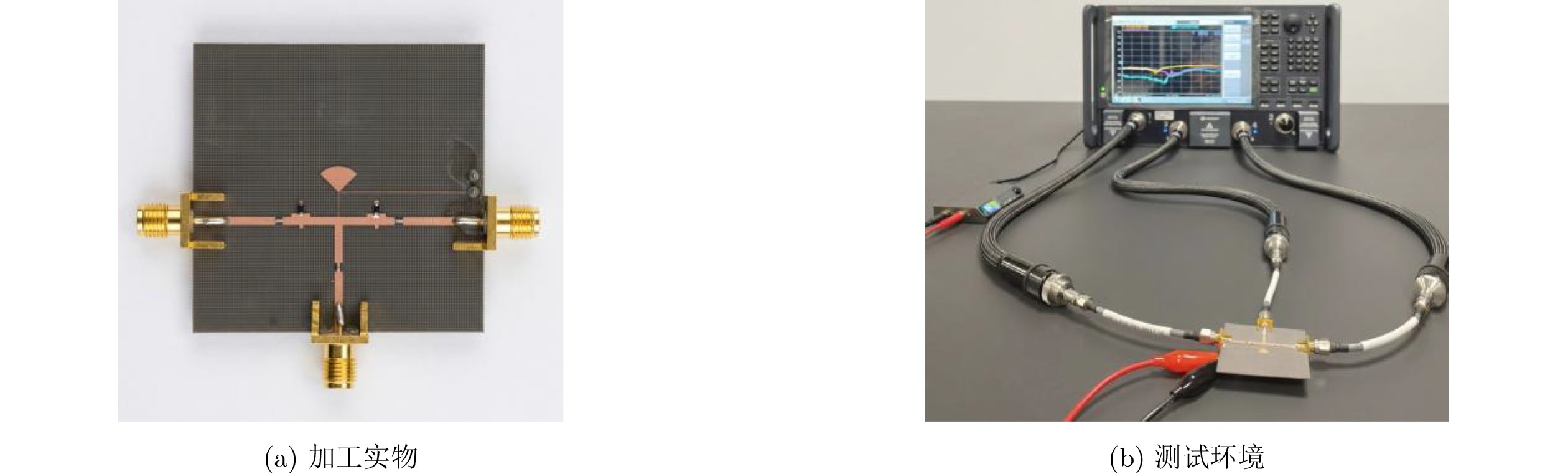
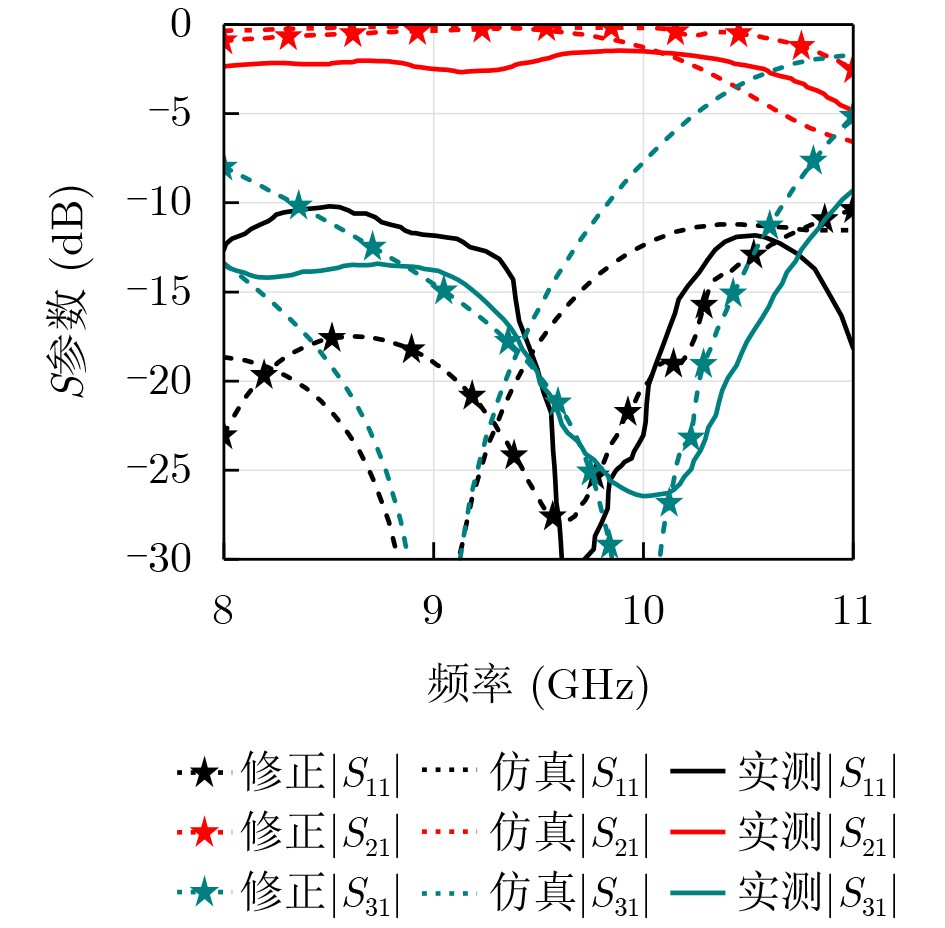
Considering Workload Uncertainty in Strategy Gradient-based Hyper-heuristic Scheduling for Software Projects
SHEN Xiaoning, SHI Jiangyi, MA Yanzhao, CHEN Wenyan, SHE Juan
Available online  , doi: 10.11999/JEIT250769
Abstract:
  Objective  The Software Project Scheduling Problem (SPSP) is essential for allocating resources and arranging tasks in software development, and it affects economic efficiency and competitiveness. Deterministic assumptions used in traditional models overlook common fluctuations in task effort caused by requirement changes or estimation deviation. These assumptions often reduce feasibility and weaken scheduling stability in dynamic development settings. This study develops a multi-objective model that integrates task effort uncertainty and represents it using asymmetric triangular interval type-2 fuzzy numbers to reflect real development conditions. The aim is to improve decision quality under uncertainty by designing an optimization method that shortens project duration and increases employee satisfaction, thereby strengthening robustness and adaptability in software project scheduling.  Methods  A Policy Gradient-based Hyper-Heuristic Algorithm (PGHHA) is developed to solve the formulated model. The framework contains a High-Level Strategy (HLS) and a set of Low-Level Heuristics (LLHs). The High-Level Strategy applies an Actor-Critic reinforcement learning structure. The Actor network selects appropriate LLHs based on real-time evolutionary indicators, including population convergence and diversity, and the Critic network evaluates the actions selected by the Actor. Eight LLHs are constructed by combining two global search operators, the matrix crossover operator and the Jaya operator with random jitter, with two local mining strategies, duration-based search and satisfaction-based search. Each LLH is configured with two neighborhood depths (V1=5 and V2=20), determined through Taguchi orthogonal experiments. Each candidate solution is encoded as a real-valued task-employee effort matrix. Constraints including skill coverage, maximum dedication, and maximum participant limits are applied during optimization. A prioritized experience replay mechanism is introduced to reuse historical trajectories, which accelerates convergence and improves network updating efficiency.  Results and Discussions  Experimental evaluation is performed on twelve synthetic cases and three real software projects. The algorithm is assessed against six representative methods to validate the proposed strategies. HyperVolume Ratio (HVR) and Inverted Generational Distance (IGD) are used as performance indicators, and statistical significance is examined using Wilcoxon rank-sum tests with a 0.05 threshold. The findings show that the PGHHA achieves better convergence and diversity than all comparison methods in most cases. The quantitative improvements are reflected in the summarized values (Table 5, Table 6). The visual distribution of Pareto fronts (Fig. 4, Fig. 5) shows that the obtained solutions lie below those of alternative algorithms and display more uniform coverage, indicating higher convergence precision and improved spread. The computational cost increases because of neural network training and the experience replay mechanism, as shown in Fig. 6. However, the improvement in solution quality is acceptable considering the longer planning period of software development. Modeling effort uncertainty with asymmetric triangular interval type-2 fuzzy numbers enhances system stability. The adaptive heuristic selection driven by the Actor-Critic mechanism and the prioritized experience replay strengthens performance under dynamic and uncertain conditions. Collectively, the evidence indicates that the PGHHA provides more reliable support for software project scheduling, maintaining diversity while optimizing conflicting objectives under uncertain workload environments.  Conclusions  A multi-objective software project scheduling model is developed in this study, where task effort uncertainty is represented using asymmetric triangular interval type-2 fuzzy numbers. A PGHHA is designed to solve the model. The algorithm applies an Actor-Critic reinforcement learning structure as the high-level strategy to adaptively select LLHs according to the evolutionary state. A prioritized experience replay mechanism is incorporated to enhance learning efficiency and accelerate convergence. Tests on synthetic and real cases show that: (1) The proposed algorithm delivers stronger convergence and diversity under uncertainty than six representative algorithms; (2) The combination of global search operators and local mining strategies maintains a suitable balance between exploration and exploitation. (3) The use of type-2 fuzzy representation offers a more stable characterization of effort uncertainty than type-1 fuzzy numbers. The current work focuses on a single-project context. Future work will extend the model to multi-project environments with shared resources and inter-project dependencies. Additional research will examine adaptive reward strategies and lightweight network designs to reduce computational demand while preserving solution quality.
High Area-efficiency Radix-4 Number Theoretic Transform Hardware Architecture with Conflict-free Memory Access Optimization for Lattice-based Cryptography
ZHENG Jiwen, ZHAO Shilei, ZHANG Ziyue, LIU Zhiwei, YU Bin, HUANG Hai
Available online  , doi: 10.11999/JEIT250687
Abstract:
  Objective  The advancement of Post-Quantum Cryptography (PQC) standardization increases the demand for efficient Number Theoretic Transform (NTT) hardware modules. Existing high-radix NTT studies primarily optimize in-place computation and configurability, yet the performance is constrained by complex memory access behavior and a lack of designs tailored to the parameter characteristics of lattice-based schemes. To address these limitations, a high area-efficiency radix-4 NTT design with a Constant-Geometry (CG) structure is proposed. The modular multiplication unit is optimized through an analysis of common modulus properties and the integration of multi-level operations, while memory allocation and address-generation strategies are refined to reduce capacity requirements and improve data-access efficiency. The design supports out-of-place storage and achieves conflict-free memory access, providing an effective hardware solution for radix-4 CG NTT implementation.  Methods  At the algorithmic level, the proposed radix-4 CG NTT/INTT employs a low-complexity design and removes the bit-reversal step to reduce multiplication count and computation cycles, with a redesigned twiddle-factor access scheme. For the modular multiplication step, which is the most time-consuming stage in the radix-4 butterfly, the critical path is shortened by integrating the multiplication with the first-stage K−RED reduction and simplifying the correction logic. To support three parameter configurations, a scalable modular-multiplication method is developed through an analysis of the shared properties of the moduli. At the architectural level, two coefficients are concatenated and stored at the same memory address. A data-decomposition and reorganization scheme is designed to coordinate memory interaction with the dual-butterfly units efficiently. To achieve conflict-free memory access, a cyclic memory-reuse strategy is employed, and read and write address-generation schemes using sequential and stepped access patterns are designed, which reduces required memory capacity and lowers control-logic complexity.  Results and Discussions  Experimental results on Field Programmable Gate Arrays demonstrate that the proposed NTT architecture achieves high operating frequency and low resource consumption under three parameter configurations, together with notable improvement in the Area–Time Product (ATP) compared with existing designs (Table 1). For the configuration with 256 terms and a modulus of 7 681, the design uses 2 397 slices, 4 BRAMs, and 16 DSPs, achieves an operating frequency of 363 MHz, and yields at least a 56.4% improvement in ATP. For the configuration with 256 terms and a modulus of 8 380 417, it uses 3 760 slices, 6 BRAMs, and 16 DSPs, achieves an operating frequency of 338 MHz, and yields at least a 69.8% improvement in ATP. For the configuration with 1 024 terms and a modulus of 12 289, it uses 2 379 slices, 4 BRAMs, and 16 DSPs, achieves an operating frequency of 357 MHz, and yields at least a 50.3% improvement in ATP.  Conclusions  A high area-efficiency radix-4 NTT hardware architecture for lattice-based PQC is proposed. The use of a low-complexity radix-4 CG NTT/INTT and the removal of the bit-reversal step reduce latency. Through an analysis of shared characteristics among three moduli and the merging of partial computations, a scalable modular-multiplication architecture based on K²−RED reduction is designed. The challenges of increased storage requirements and complex address-generation logic are addressed by reusing memory efficiently and designing sequential and stepped address-generation schemes. Experimental results show that the proposed design increases operating frequency and reduces resource consumption, yielding lower ATP under all three parameter configurations. As the present work focuses on a dual-butterfly architecture, future research may examine higher-parallelism designs to meet broader performance requirements.
Tensor-Train Decomposition for Lightweight Liver Tumor Segmentation
MA Jinlin, YANG Jipeng
Available online  , doi: 10.11999/JEIT250293
Abstract:
  Objective  Convolutional Neural Networks (CNNs) have recently achieved notable progress in medical image segmentation. Their conventional convolution operations, however, remain constrained by locality, which reduces their ability to capture global contextual information. Researchers have pursued two main strategies to address this limitation. Hybrid CNN–Transformer architectures use self-attention to model long-range dependencies, and this markedly improves segmentation accuracy. State-space models such as the Mamba series reduce computational cost and retain global modeling capacity, and they also show favorable scalability. Although CNN–Transformer models remain computationally demanding for real-time use, Mamba-based approaches still face challenges such as boundary blur and parameter redundancy when segmenting small targets and low-contrast regions. Lightweight network design has therefore become a research focus. Existing lightweight methods, however, still show limited segmentation accuracy for liver tumor targets with very small sizes and highly complex boundaries. This paper proposes an efficient lightweight method for liver tumor segmentation that aims to meet the combined requirements of high accuracy and real-time performance for small targets with complex boundaries.  Methods  The proposed method integrates three strategies. A Tensor-Train Multi-Scale Convolutional Attention (TT-MSCA) module is designed to improve segmentation accuracy for small targets and complex boundaries. This module optimizes multi-scale feature fusion through a TT_Layer and employs tensor decomposition to integrate feature information across scales, which supports more accurate identification and segmentation of tumor regions in challenging images. A feature extraction module with a multi-branch residual structure, termed the IncepRes Block, strengthens the model’s capacity to capture global contextual information. Its parallel multi-branch design processes features at several scales and enriches feature representation at a relatively low computational cost. All standard 3×3 convolutions are then decoupled into two consecutive strip convolutions. This reduces the number of parameters and computational cost although the feature extraction capacity is preserved. The combination of these modules allows the method to improve segmentation accuracy and maintain high efficiency, and it demonstrates strong performance for small targets and blurry boundary regions.  Results and Discussions  Experiments on the LiTS2017 and 3Dircadb datasets show that the proposed method reaches Dice coefficients of 98.54% and 97.95% for liver segmentation, and 94.11% and 94.35% for tumor segmentation. Ablation studies show that the TT-MSCA module and the IncepRes Block improve segmentation performance with only a modest computational cost, and the SC Block reduces computational cost while accuracy is preserved (Table 2). When the TT-MSCA module is inserted into the reduced U-Net on the LiTS2017 dataset, the tumor Dice and IoU reach 93.73% and 83.60%. These values are second only to the final model. On the 3Dircadb dataset, adding the SC Block after TT-MSCA produces a slight accuracy decrease but reduces GFLOPs by a factor of 4.15. Compared with the original U-Net, the present method improves liver IoU by 3.35% and tumor IoU by 5.89%. The TT-MSCA module also consistently exceeds the baseline MSCA module. It increases liver and tumor IoU by 2.59% and 1.95% on LiTS2017, and by 2.03% and 3.13% on 3Dircadb (Table 5). These results show that the TT_Layer strengthens global context perception and fine-detail representation through multi-scale feature fusion. The proposed network contains 0.79 M parameters and 1.43 GFLOPs, which represents a 74.9% reduction in parameters compared with CMUNeXt (3.15 M). Real-time performance evaluation records 156.62 FPS, more than three times the 50.23 FPS of the vanilla U-Net (Table 6). Although accuracy decreases slightly in a few isolated metrics, the overall accuracy–compression balance is improved, and the method demonstrates strong practical value for lightweight liver tumor segmentation.  Conclusions  This paper proposes an efficient liver tumor segmentation method that improves segmentation accuracy and meets real-time requirements. The TT-MSCA module enhances recognition of small targets and complex boundaries through the integration of spatial and channel attention. The IncepRes Block strengthens the network’s perception of liver tumors of different sizes. The decoupling of standard 3×3 convolutions into two consecutive strip convolutions reduces the parameter count and computational cost while preserving feature extraction capacity. Experimental evidence shows that the method reduces errors caused by complex boundaries and small tumor sizes and can satisfy real-time deployment needs. It offers a practical technical option for liver tumor segmentation. The method requires many training iterations to reach optimal data fitting, and future work will address improvements in convergence speed.
A Polymorphic Network Backend Compiler for Domestic Switching Chips
TU Huaqing, WANG Yuanhong, XU Qi, ZHU Jun, ZOU Tao, LONG Keping
Available online  , doi: 10.11999/JEIT250132
Abstract:
  Objective  The P4 language and programmable switching chips offer a feasible approach for deploying polymorphic networks. However, polymorphic network packets written in P4 cannot be directly executed on the domestically produced TsingMa.MX programmable switching chip developed by Centec, which necessitates the design of a specialized compiler to translate and deploy the P4 language on this chip. Existing backend compilers are mainly designed and optimized for software-programmable switches such as BMv2, FPGAs, and Intel Tofino series chips, rendering them unsuitable for compiling polymorphic network programs for the TsingMa.MX chip. To resolve this limitation, a backend compiler named p4c-TsingMa is proposed for the TsingMa.MX switching chip. This compiler enables the translation of high-level network programming languages into executable formats for the TsingMa.MX chip, thereby supporting the concurrent parsing and forwarding of multiple network modal packets.  Methods  p4c-TsingMa first employs a preorder traversal approach to extract key information, including protocol types, protocol fields, and actions, from the Intermediate Representation (IR). It then performs instruction translation to generate corresponding control commands for the TsingMa.MX chip. Additionally, p4c-TsingMa adopts a User Defined Field (UDF) entry merging method to consolidate matching instructions from different network modalities into a unified lookup table. This design enables the extraction of multiple modal matching entries in a single operation, thereby enhancing chip resource utilization.  Results and Discussions  The p4c-TsingMa compiler is implemented in C++, mapping network modal programs written in the P4 language into configuration instructions for the TsingMa.MX switching chip. A polymorphic network packet testing environment (Fig. 7) is established, where multiple types of network data packets are simultaneously transmitted to the same switch port. According to the configured flow tables, the chip successfully identifies polymorphic network data packets and forwards them to their corresponding ports (Fig. 9). Additionally, the table entry merging algorithm improves register resource utilization by 37.5% to 75%, enabling the chip to process more than two types of modal data packets concurrently.  Conclusions  A polymorphic network backend compiler, p4c-TsingMa, is designed specifically for domestic switching chips. By utilizing the FlexParser and FlexEdit functions of the TsingMa chip, the compiler translates polymorphic network programs into executable commands for the TsingMa.MX chip, enabling the chip to parse and modify polymorphic data packets. Experimental results demonstrate that p4c-TsingMa achieves high compilation efficiency and improves register resource utilization by 37.5% to 75%.
LLM-based Data Compliance Checking for Internet of Things Scenarios
LI Chaohao, WANG Haoran, ZHOU Shaopeng, YAN Haonan, ZHANG Feng, LU Tianyang, XI Ning, WANG Bin
Available online  , doi: 10.11999/JEIT250704
Abstract:
  Objective  The implementation of regulations such as the Data Security Law of the People’s Republic of China, the Personal Information Protection Law of the People’s Republic of China, and the European Union General Data Protection Regulation (GDPR) has established data compliance checking as a central mechanism for regulating data processing activities, ensuring data security, and protecting the legitimate rights and interests of individuals and organizations. However, the characteristics of the Internet of Things (IoT), defined by large numbers of heterogeneous devices and the dynamic, extensive, and variable nature of transmitted data, increase the difficulty of compliance checking. Logs and traffic data generated by IoT devices are long, unstructured, and often ambiguous, which results in a high false-positive rate when traditional rule-matching methods are applied. In addition, the dynamic business environments and user-defined compliance requirements further increase the complexity of rule design, maintenance, and decision-making.  Methods  A large language model-driven data compliance checking method for IoT scenarios is proposed to address the identified challenges. In the first stage, a fast regular expression matching algorithm is employed to efficiently screen potential non-compliant data based on a comprehensive rule database. This process produces structured preliminary checking results that include the original non-compliant content and the corresponding violation type. The rule database incorporates current legislation and regulations, standard requirements, enterprise norms, and customized business requirements, and it maintains flexibility and expandability. By relying on the efficiency of regular expression matching and generating structured preliminary results, this stage addresses the difficulty of reviewing large volumes of long IoT text data and enhances the accuracy of the subsequent large language model review. In the second stage, a Large Language Model (LLM) is employed to evaluate the precision of the initial detection results. For different categories of violations, the LLM adaptively selects different prompt words to perform differentiated classification detection.  Results and Discussions  Data are collected from 52 IoT devices operating in a real environment, including log and traffic data (Table 2). A compliance-checking rule library for IoT devices is established in accordance with the Cybersecurity Law, the Data Security Law, other relevant regulations, and internal enterprise information-security requirements. Based on this library, the collected data undergo a first-stage rule-matching process, yielding a false-positive rate of 64.3% and identifying 55 080 potential non-compliant data points. Three aspects are examined: benchmark models, prompt schemes, and role prompts. In the benchmark model comparison, eight mainstream large language models are used to evaluate detection performance (Table 5), including Qwen2.5-32B-Instruct, DeepSeek-R1-70B, and DeepSeek-R1-0528 with different parameter configurations. After review and testing by the large language model, the initial false-positive rate is reduced to 6.9%, which demonstrates a substantial improvement in the quality of compliance checking. The model’s own error rate remains below 0.01%. The prompt-engineering assessment shows that prompt design exerts a strong effect on review accuracy (Table 6). When general prompts are applied, the final false-positive rate remains high at 59%. When only chain-of-thought prompts or concise sample prompts are used, the false-positive rate is reduced to approximately 12% and 6%, respectively, and the model’s own error rate decreases to about 30% and 13%. Combining these strategies further reduces the error rate of the small-sample prompt approach to 0.01%. The effect of system-role prompt words on review accuracy is also evaluated (Table 7). Simple role prompts yield higher accuracy and F1 scores than the absence of role prompts, whereas detailed role prompts provide a clearer overall advantage than simple role prompts. Ablation experiments (Table 8) further examine the contribution of rule classification and prompt engineering to compliance checking. Knowledge supplementation is applied to reduce interference and misjudgment among rules, lower prompt redundancy, and decrease the false-alarm rate during large language model review.  Conclusions  A large language model-driven data compliance checking method for IoT scenarios is presented. The method is designed to address the challenge of assessing compliance in large-scale unstructured device data. Its feasibility is verified through rationality analysis experiments, and the results indicate that false-positive rates are effectively reduced during compliance checking. The initial rule-based method yields a false-positive rate of 64.3%, which is reduced to 6.9% after review by the large language model. Additionally, the error introduced by the model itself is maintained below 0.01%.
Vision Enabled Multimodal Integrated Sensing and Communications: Key Technologies and Prototype Validation
ZHAO Chuanbin, XU Weihua, LIN bo, ZHANG Tengyu, FENG Yuan, GAO Feifei
Available online  , doi: 10.11999/JEIT250685
Abstract:
  Objective  Integrated Sensing And Communications (ISAC) is regarded as a key enabling technology for Sixth-Generation mobile communications (6G), as it simultaneously senses and monitors information in the physical world while maintaining communication with users. The technology supports emerging scenarios such as low-altitude economy, digital twin systems, and vehicle networking. Current ISAC research primarily concentrates on wireless devices that include base stations and terminals. Visual sensing, which provides strong visibility and detailed environmental information, has long been a major research direction in computer science. This study proposes the integration of visual sensing with wireless-device sensing to construct a multimodal ISAC system. In this system, visual sensing captures environmental information to assist wireless communications, and wireless signals help overcome limitations inherent to visual sensing.  Methods  The study first explores the correlation mechanism between environmental vision and wireless communications. Key algorithms for visual-sensing-assisted wireless communication are then discussed, including beam prediction, occlusion prediction, and resource scheduling and allocation methods for multiple base stations and users. These schemes demonstrate that visual sensing, used as prior information, enhances the communication performance of the multimodal ISAC system. The sensing gains provided by wireless devices combined with visual sensors are subsequently explored. A static-environment reconstruction scheme and a dynamic-target sensing scheme based on wireless–visual fusion are proposed to obtain global information about the physical world. In addition, a “vision–communication” simulation and measurement dataset is constructed, establishing a complete theoretical and technical framework for multimodal ISAC.  Results and Discussions  For visual-sensing-assisted wireless communications, the hardware prototype system constructed in this study is shown in (Fig. 6) and (Fig. 7), and the corresponding hardware test results are presented in (Table 1). The results show that visual sensing assists millimetre-wave communications in performing beam alignment and beam prediction more effectively, thereby improving system communication performance. For wireless-communication-assisted sensing, the hardware prototype system is shown in (Fig. 8), and the experimental results are shown in (Fig. 9) and (Table 2). The static-environment reconstruction obtained through wireless–visual fusion shows improved robustness and higher accuracy. Depth estimation based on visual and communication fusion also presents strong robustness in rainy and snowy weather, with the RMSE reduced by approximately 50% compared with pure visual algorithms. These experimental results indicate that vision-enabled multimodal ISAC systems present strong potential for practical application.  Conclusions  A multimodal ISAC system that integrates visual sensing with wireless-device sensing is proposed. In this system, visual sensing captures environmental information to assist wireless communications, and wireless signals help overcome the inherent limitations of visual sensing. Key algorithms for visual-sensing-assisted wireless communication are examined, including beam prediction, occlusion prediction, and resource scheduling and allocation for multiple base stations and users. The sensing gains brought by wireless devices combined with visual sensors are also analysed. Static-environment reconstruction and dynamic-target sensing schemes based on wireless–visual fusion are proposed to obtain global information about the physical world. A “vision–communication” simulation and measurement dataset is further constructed, forming a coherent theoretical and technical framework for multimodal ISAC. Experimental results show that vision-enabled multimodal ISAC systems present strong potential for use in 6G networks.
IRS Deployment for Highly Time Sensitive Short Packet Communications: Distributed or Centralized Deployment?
ZHANG Yangyi, GUAN Xinrong, YANG Weiwei, CAO Kuo, WANG Meng, CAI Yueming
Available online  , doi: 10.11999/JEIT250720
Abstract:
  Objective  The rapid advancement of the Industrial Internet of Things (IIoT) creates latency-sensitive applications such as environmental monitoring and precision control, which depend on short-packet communications and require strict timeliness of information delivery. An Intelligent Reflecting Surface (IRS) is regarded as a feasible method to enhance the reliability and timeliness of these communications because its reflection coefficients can be dynamically adjusted. Previous work has mainly focused on optimizing the phase shifts of IRS elements, whereas the potential gains associated with flexible IRS deployment have not been fully examined. Adjusting the physical placement of IRS units provides additional degrees of freedom that can improve timeliness performance. Two representative deployment strategies, distributed IRS and centralized IRS, form different effective channels and result in different capacity characteristics. This study investigates and compares these deployment modes in IRS-assisted short-packet communication systems. By assessing their Age of Information (AoI) performance under practical channel estimation overheads, the analysis offers guidance on selecting deployment strategies that achieve superior timeliness under diverse system conditions.  Methods  The paper investigates an IRS-assisted short-packet communication system in which multiple terminal devices transmit short packets to an Access Point (AP) through IRS reflection. Two deployment strategies are considered: distributed and centralized IRS. In the distributed scheme, each device is supported by a dedicated IRS with M reflecting elements positioned nearby. In the centralized scheme, all IRS elements are placed near the AP. The average AoI is used as the performance metric to compare the timeliness of these strategies. The complex distribution of the composite channel gain makes closed-form average AoI analysis difficult. To address this issue, the Moment Matching (MM) approximation is employed to estimate the distribution of the composite channel gain. By incorporating pilot overhead into the analytical model, closed-form expressions for the average AoI of both deployment schemes are obtained, enabling a thorough performance comparison.  Results and Discussions  Simulation results show that the AoI performance of distributed and centralized IRS deployments differs under varying system conditions. When the IRS carries a large number of reflecting elements, the distributed configuration yields better AoI performance (Fig. 4). Under high transmission power, the centralized configuration presents improved AoI performance (Fig. 5). For scenarios with long AP–device distances, the distributed deployment produces more favorable AoI results (Fig. 6). As the system bandwidth increases, the centralized architecture shows a rapid decrease in AoI and eventually performs better than the distributed configuration (Fig. 7).  Conclusions  This study provides a comparative analysis of timeliness performance in IRS-assisted short-packet communication systems under distributed and centralized deployment strategies. The MM method is employed to approximate the composite channel gain with a gamma distribution, which supports the derivation of an approximate expression for the average packet error rate. A closed-form expression for the average AoI is then developed by accounting for channel estimation overhead. Simulation results show that the two deployment strategies exhibit different AoI advantages under varying operating conditions. The distributed configuration achieves better AoI performance when a large number of reflecting elements is used or when the AP–device distance is long. The centralized configuration provides improved AoI performance under high transmission power or wide system bandwidth.
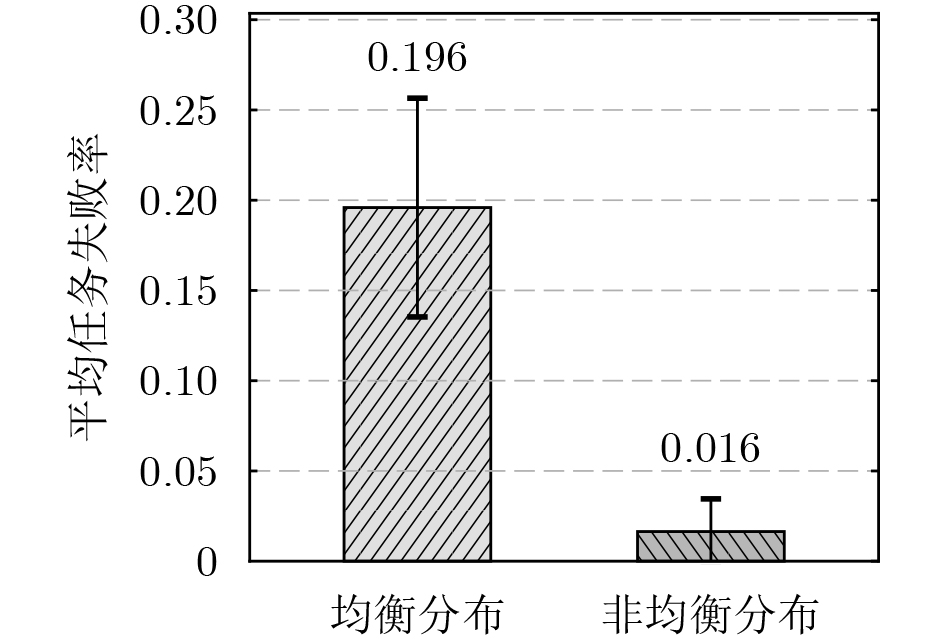
A Review on Phase Rotation and Beamforming Scheme for Intelligent Reflecting Surface Assisted Wireless Communication Systems
XING Zhitong, LI Yun, WU Guangfu, XIA Shichao
Available online  , doi: 10.11999/JEIT250790
Abstract:
  Objective  Since the large-scale commercial deployment of 5G networks in 2020 and the continued development of 6G technology, modern communication systems need to function under increasingly complex channel conditions. These include ultra-high-density urban environments and remote areas such as oceanic regions, deserts, and forests. To meet these challenges, low-energy solutions capable of dynamically adjusting and reconfiguring wireless channels are required. Such solutions would improve transmission performance by lowering latency, increasing data rates, and strengthening signal reception, and would support more efficient deployment in demanding environments. The Intelligent Reflecting Surface (IRS) has gained attention as a promising approach for reshaping channel conditions. Unlike traditional active relays, an IRS operates passively and adds minimal energy consumption. When integrated with communication architectures such as Single Input Single Output (SISO), Multiple Input Single Output (MISO), and Multiple Input Multiple Output (MIMO), an IRS can improve transmission efficiency, reduce power consumption, and enhance adaptability in complex scenarios. This paper reviews IRS-assisted communication systems, with emphasis on signal transmission models, beamforming methods, and phase-shift optimization strategies.  Methods  This review examines IRS technology in modern communication systems by analyzing signal transmission models across three fundamental configurations. The discussion begins with IRS-assisted SISO systems, in which IRS control of incident signals through reflection and phase shifting improves single-antenna communication by mitigating traditional propagation constraints. The analysis then extends to MISO and MIMO architectures, where the relationship between IRS phase adjustments and MIMO precoding is assessed to determine strategies that support high spectral efficiency. Based on these transmission models, this review surveys joint optimization and precoding methods tailored for IRS-enhanced MIMO systems. These algorithms can be grouped into four categories that meet different operational requirements. The first aims to minimize power consumption by reducing total energy use while maintaining acceptable communication quality, which is important for energy-sensitive applications such as IoT systems and green communication scenarios. The second seeks to maximize energy efficiency by optimizing the ratio of achievable data rate to power consumption rather than lowering energy use alone, thereby improving performance per unit of energy. The third focuses on maximizing the sum rate by increasing aggregated throughput across users to strengthen overall system capacity in high-density 5G and 6G environments. The fourth prioritizes fairness-aware rate maximization by applying resource allocation methods that ensure equitable bandwidth distribution among users while sustaining high Quality of Service (QoS). Together, these optimization approaches provide a framework for advancing IRS-assisted MIMO systems and allow engineers and researchers to balance performance, energy efficiency, and user fairness according to specific application needs in next-generation wireless networks.  Results and Discussions  This review shows that IRS assisted communication systems provide important capabilities for next-generation wireless networks through four major advantages. First, IRS strengthens system performance by reconfiguring propagation environments and improving signal strength and coverage in non-line-of-sight conditions, including urban canyons, indoor environments, and remote regions, while also maintaining reliable connectivity in high-mobility cases such as vehicular communication. Second, the technology supports high energy efficiency because of its passive operation, which adds minimal power overhead yet improves spectral efficiency. This characteristic is valuable for sustainable large-scale IoT deployments and green 6G systems that may incorporate energy-harvesting designs. Third, IRS shows strong adaptability when integrated with different communication architectures, including SISO for basic signal enhancement, MISO for improved beamforming, and MIMO for spatial multiplexing, enabling use across environments ranging from ultra-dense urban networks to remote or airborne communication platforms. Finally, recent progress in beamforming and phase-shift optimization strengthens system performance through coherent signal combining, interference suppression in multi-user settings, and low-latency operation for time-critical applications. Machine learning methods such as deep reinforcement learning are also being investigated for real-time optimization. Together, these capabilities position IRS as a key technology for future 6G networks with the potential to support smart radio environments and broad-area connectivity, although further study is required to address challenges in channel estimation, scalability, and standardization.  Conclusions  This review highlights the potential of IRS technology in next-generation wireless communication systems. By enabling dynamic channel reconfiguration with minimal energy overhead, IRS strengthens the performance of SISO, MISO, and MIMO systems and supports reliable operation in complex propagation environments. The surveyed signal transmission models and optimization methods form a technical basis for continued development of IRS-assisted communication frameworks. As research and industry move toward 6G, IRS is expected to support ultra-reliable, low-latency, and energy-efficient global connectivity. Future studies should address practical deployment challenges such as hardware design, real-time signal processing, and progress toward standardization.
Knowledge-guided Few-shot Earth Surface Anomalies Detection
JI Hong, GAO Zhi, CHEN Boan, AO Wei, CAO Min, WANG Qiao
Available online  , doi: 10.11999/JEIT251000
Abstract:
  Objective   Earth Surface Anomalies (ESAs), defined as sudden natural or human-generated disruptions on the Earth’s surface, present severe risks and widespread effects. Timely and accurate ESA detection is therefore essential for public security and sustainable development. Remote sensing offers an effective approach for this task. However, current deep learning models remain limited due to the scarcity of labeled data, the complexity of anomalous backgrounds, and distribution shifts across multi-source remote sensing imagery. To address these issues, this paper proposes a knowledge-guided few-shot learning method. Large language models generate abstract textual descriptions of normal and anomalous geospatial features. These descriptions are encoded and fused with visual prototypes to construct a cross-modal joint representation. The integrated representation improves prototype discriminability in few-shot settings and demonstrates that linguistic knowledge strengthens ESA detection. The findings suggest a feasible direction for reliable disaster monitoring when annotated data are limited.  Methods   The knowledge-guided few-shot learning method is constructed on a metric-based paradigm in which each episode contains support and query sets, and classification is achieved by comparing query features with class prototypes through distance-based similarity and cross-entropy optimization (Fig. 1). To supplement limited visual prototypes, class-level textual descriptions are generated with ChatGPT through carefully designed prompts, producing semantic sentences that characterize the appearance, attributes, and contextual relations of normal and anomalous categories (Fig. 2, 3). These descriptions encode domain-specific properties such as anomaly extent, morphology, and environmental effect, which are otherwise difficult to capture when only a few visual samples are available. The sentences are encoded with a Contrastive Language–Image Pre-training (CLIP) text encoder, and task-adaptive soft prompts are introduced by generating tokens from support features and concatenating them with static embeddings to form adaptive word embeddings. Encoded sentence vectors are processed with a lightweight self-attention module to model dependencies across multiple descriptions and to obtain a coherent paragraph-level semantic representation (Fig. 4). The resulting semantic prototypes are fused with the visual prototypes through weighted addition to produce cross-modal prototypes that integrate visual grounding and linguistic abstraction. During training, query samples are compared with the cross-modal prototypes, and optimization is guided by two objectives: a classification loss that enforces accurate query–prototype alignment, and a prototype regularization loss that ensures semantic prototypes are discriminative and well separated. The entire method is implemented in an episodic training framework (Algorithm 1).  Results and Discussions   The proposed method is evaluated under both cross-domain and in-domain few-shot settings. In the cross-domain case, models are trained on NWPU45 or AID and tested on ESAD to assess ESAs recognition. As shown in the comparisons (Table 2), traditional meta-learning methods such as MAML and Meta-SGD reach accuracies below 50%, whereas metric-based baselines such as ProtoNet and RelationNet demonstrate greater stability but remain limited. The proposed method reaches 61.99% on the NWPU45→ESAD and 59.79% on the AID→ESAD settings, outperforming ProtoNet by 4.72% and 2.67% respectively. In the in-domain setting, where training and testing are conducted on the same dataset, the method reaches 76.94% on NWPU45 and 72.98% on AID, and consistently exceeds state-of-the-art baselines such as S2M2 and IDLN (Table 3). Ablation experiments further support the contribution of each component. Using only visual prototypes produces accuracies of 57.74% and 72.16%, and progressively incorporating simple class names, task-oriented templates, and ChatGPT-generated descriptions improves performance. The best accuracy is achieved by combining ChatGPT descriptions, learnable tokens, and an attention-based mechanism, reaching 61.99% and 76.94% (Table 4). Parameter sensitivity analysis shows that an appropriate weight for language features (α = 0.2) and the use of two learnable tokens yield optimal performance (Fig. 5).  Conclusions   This paper addresses ESAs detection in remote sensing imagery through a knowledge-guided few-shot learning method. The approach uses large language models to generate abstract textual descriptions for anomaly categories and conventional remote sensing scenes, thereby constructing multimodal training and testing resources. These descriptions are encoded into semantic feature vectors with a pretrained text encoder. To extract task-specific knowledge, a dynamic token learning strategy is developed in which a small number of learnable parameters are guided by visual samples within few-shot tasks to generate adaptive semantic vectors. An attention-based semantic knowledge module models dependencies among language features and produces cross-modal semantic vectors for each class. By fusing these vectors with visual prototypes, the method forms joint multimodal representations used for query–prototype matching and network optimization. Experimental evaluations show that the method effectively leverages prior knowledge contained in pretrained models, compensates for limited visual data, and improves feature discriminability for anomalies recognition. Both cross-domain and in-domain results confirm consistent gains over competitive baselines, highlighting the potential of the approach for reliable application in real-world remote sensing anomalies detection scenarios.
Power Grid Data Recovery Method Driven by Temporal Composite Diffusion Networks
YAN Yandong, LI Chenxi, LI Shijie, YANG Yang, GE Yuhao, HUANG Yu
Available online  , doi: 10.11999/JEIT250435
Abstract:
  Objective  Smart grid construction drives modern power systems, and distribution networks serve as the key interface between the main grid and end users. Their stability, power quality, and efficiency depend on accurate data management and analysis. Distribution networks generate large volumes of multi-source heterogeneous data that contain user consumption records, real-time meteorology, equipment status, and marketing information. These data streams often become incomplete during collection or transmission due to noise, sensor failures, equipment aging, or adverse weather. Missing data reduces the reliability of real-time monitoring and affects essential tasks such as load forecasting, fault diagnosis, health assessment, and operational decision making. Conventional approaches such as mean or regression imputation lack the capacity to maintain temporal dependencies. Generative models such as Generative Adversarial Networks (GANs) and Variational AutoEncoders (VAEs) do not represent the complex statistical characteristics of grid data with sufficient accuracy. This study proposes a diffusion model based data recovery method for distribution networks. The method is designed to reconstruct missing data, preserve semantic and statistical integrity, and enhance data utility to support smart grid stability and efficiency.  Methods  This paper proposes a power grid data augmentation method based on diffusion models. The core of the method is that input Gaussian noise is mapped to the target distribution space of the missing data so that the recovered data follows its original distribution characteristics. To reduce semantic discrepancy between the reconstructed data and the actual data, the method uses time series sequence embeddings as conditional information. This conditional input guides and improves the diffusion generation process so that the imputation remains consistent with the surrounding temporal context.  Results and Discussions  Experimental results show that the proposed diffusion model based data augmentation method achieves higher accuracy in recovering missing power grid data than conventional approaches. The performance demonstrates that the method improves the completeness and reliability of datasets that support analytical tasks and operational decision making in smart grids.  Conclusions  This study proposes and validates a diffusion model based data augmentation method designed to address data missingness in power distribution networks. Traditional restoration methods and generative models have difficulty capturing the temporal dependencies and complex distribution characteristics of grid data. The method presented here uses temporal sequence information as conditional guidance, which enables accurate imputation of missing values and preserves the semantic integrity and statistical consistency of the original data. By improving the accuracy of distribution network data recovery, the method provides a reliable approach for strengthening data quality and supports the stability and efficiency of smart grid operations.
An Overview on Integrated Sensing and Communication for Low altitude economy
ZHU Zhengyu, WEN Xinping, LI Xingwang, WEI Zhiqing, ZHANG Peichang, LIU Fan, FENG Zhiyong
Available online  , doi: 10.11999/JEIT250747
Abstract:
The Low-altitude Internet of Things (IoT) develops rapidly, and the Low Altitude Economy is treated as a national strategic emerging industry. Integrated Sensing and Communication (ISAC) for the Low Altitude Economy is expected to support more complex tasks in complex environments and provides a foundation for improved security, flexibility, and multi-application scenarios for drones. This paper presents an overview of ISAC for the Low Altitude Economy. The theoretical foundations of ISAC and the Low Altitude Economy are summarized, and the advantages of applying ISAC to the Low Altitude Economy are discussed. Potential applications of key 6G technologies, such as covert communication and Millimeter-Wave (mm-wave) systems in ISAC for the Low Altitude Economy, are examined. The key technical challenges of ISAC for the Low Altitude Economy in future development are also summarized.  Significance   The integration of UAVs with ISAC technology is expected to provide considerable advantages in future development. When ISAC is applied, the overall system payload can be reduced, which improves UAV maneuverability and operational freedom. This integration offers technical support for versatile UAV applications. With ISAC, low-altitude network systems can conduct complex tasks in challenging environments. UAV platforms equipped with a single function do not achieve the combined improvement in communication and sensing that ISAC enables. ISAC-equipped drones are therefore expected to be used more widely in aerial photography, agriculture, surveying, remote sensing, and telecommunications. This development will advance related theoretical and technical frameworks and broaden the application scope of ISAC.  Progress  ISAC networks for the low-altitude economy offer efficient and flexible solutions for military reconnaissance, emergency disaster relief, and smart city management. The open aerial environment and dynamic deployment requirements create several challenges. Limited stealth increases exposure to hostile interception, and complex terrains introduce signal obstruction. High bandwidth and low latency are also required. Academic and industrial communities have investigated technologies such as covert communication, intelligent reflecting surfaces, and mm-wave communication to enhance the reliability and intelligence of ISAC in low-altitude operational scenarios.  Conclusions  This paper presents an overview of current applications, critical technologies, and ongoing challenges associated with ISAC in low-altitude environments. It examines the integration of emerging 6G technologies, including covert communication, Reconfigurable Intelligent Surfaces (RIS), and mm-wave communication within ISAC frameworks. Given the dynamic and complex characteristics of low-altitude operations, recent advances in UAV swarm power control algorithms and covert trajectory optimization based on deep reinforcement learning are summarized. Key unresolved challenges are also identified, such as spatiotemporal synchronization, multi-UAV resource allocation, and privacy preservation, which provide reference directions for future research.  Prospects   ISAC technology provides precise and reliable support for drone logistics, urban air mobility, and large-scale environmental monitoring in the low-altitude economy. Large-scale deployment of ISAC systems in complex and dynamic low-altitude environments remains challenging. Major obstacles include limited coordination and resource allocation within UAV swarms, spatiotemporal synchronization across heterogeneous devices, competing requirements between sensing and communication functions, and rising concerns regarding privacy and security in open airspace. These issues restrict the high-quality development of the low-altitude economy.
Finite-time Adaptive Sliding Mode Control of Servo Motors Considering Frictional Nonlinearity and Unknown Loads
ZHANG Tianyu, GUO Qinxia, YANG Tingkai, GUO Xiangji, MING Ming
Available online  , doi: 10.11999/JEIT250521
Abstract:
  Objective  Ultra-fast laser processing with an infinite field of view requires servo motor systems with superior tracking accuracy and robustness. However, such systems are highly nonlinear and affected by coupled unknown load disturbances and complex friction, which constrain the performance of conventional controllers. Although Sliding Mode Control (SMC) exhibits inherent robustness, traditional SMC and observer designs cannot achieve accurate finite-time disturbance compensation under strong nonlinearities, thus limiting high-speed and high-precision trajectory tracking. To address this limitation, a novel finite-time adaptive SMC approach is proposed to ensure rapid and precise angular position tracking within a finite time, satisfying the stringent synchronization requirements of advanced laser processing systems.  Methods  A novel control strategy is developed by integrating an adaptive disturbance observer fused with a Radial Basis Function Neural Network (RBFNN) and finite-time Sliding Mode Control (SMC). First, the unknown load disturbance and complex frictional nonlinear dynamics are combined into a unified "lumped disturbance" term, improving model generality and the ability to represent real operating conditions. Second, a finite-time adaptive disturbance observer is constructed to estimate this lumped disturbance. The observer utilizes the universal approximation capability of the RBFNN to learn and approximate the dynamic characteristics of unknown disturbances online. Simultaneously, a finite-time adaptive law based on the error norm is introduced to update the neural network weights in real time, ensuring rapid and accurate finite-time estimation of the lumped disturbance while reducing dependence on precise model parameters. Based on this design, a finite-time SMC is developed. The controller uses the observer’s disturbance estimation as a feedforward compensation term, incorporates a carefully formulated finite-time sliding surface and equivalent control law, and introduces a saturation function to suppress control input chattering. A suitable Lyapunov function is then constructed, and the finite-time stability theory is rigorously applied to prove the practical finite-time convergence of both the adaptive observer and the closed-loop control system, guaranteeing that the system tracking error converges to a bounded neighborhood near the origin within finite time.  Results and Discussions  To verify the effectiveness and superiority of the proposed control strategy, a typical Permanent Magnet Synchronous Motor (PMSM) servo system model is constructed in the MATLAB environment, and a simulation scenario with desired trajectories of varying frequencies is established. The proposed method is comprehensively compared with the widely used Proportional–Integral (PI) control and the advanced method reported in reference [7]. Simulation results demonstrate the following: 1. Tracking performance: Under various reference trajectories, the proposed controller enables the system to accurately follow the target trajectory with a tracking error substantially smaller than that of the PI controller. Compared with the method in reference [7], it achieves smoother responses and smaller residual errors, effectively eliminating the chattering observed in some operating conditions of the latter. 2 Disturbance rejection and robustness: The adaptive disturbance observer based on the RBFNN rapidly and effectively learns and compensates for the lumped disturbance composed of unknown load variations and frictional nonlinearities. Even in the presence of these disturbances, the proposed controller maintains high-precision trajectory tracking, demonstrating strong disturbance rejection and robustness to system parameter variations. 3. Control input characteristics: Compared with the reference methods, the control signal of the proposed approach quickly stabilizes after the initial transient phase, effectively suppressing chattering caused by high-frequency switching. The amplitude range of the control input remains reasonable, facilitating practical actuator implementation. 4. Comprehensive evaluation: Based on multiple error performance indices, including Integral Squared Error (ISE), Integral Absolute Error (IAE), Time-weighted Integral Absolute Error (ITAE), and Time-weighted Integral Squared Error (ITSE), the proposed controller consistently outperforms both PI control and the method in reference [7]. It demonstrates comprehensive advantages in suppressing transient errors rapidly and reducing overall error accumulation. The method also improves steady-state accuracy and achieves a balanced response speed with effective noise attenuation. 5. Observer performance: The RBFNN weight norm estimation converges rapidly and stabilizes at a low level after initial adaptation, confirming the effectiveness of the proposed adaptive law and the learning efficiency of the observer.  Conclusions  A finite-time sliding mode control strategy with an adaptive disturbance observer is proposed for servo systems used in ultra-fast laser processing. The method models unknown load disturbances and frictional nonlinearities as a lumped disturbance term. An adaptive observer, integrating an RBF neural network with a finite-time mechanism, accurately estimates this disturbance for real-time compensation. Based on the observer, a finite-time SMC law is formulated, and the practical finite-time stability of the closed-loop system is theoretically proven. Simulations conducted on a permanent magnet synchronous motor platform confirm that the proposed approach achieves superior tracking accuracy, robustness, and control smoothness compared with conventional PI and existing advanced methods. This work offers an effective solution for achieving high-precision control in nonlinear systems subject to strong disturbances.
3D Localization Method with Uniform Circular Array Driven by Complex Subspace Neural Network
JIANG Wei, ZHI Boxin, YANG Junjie, WANG hui, DING Pengfei, ZHANG Zheng
Available online  , doi: 10.11999/JEIT250395
Abstract:
  Objective  High-precision indoor localization is increasingly required in intelligent service scenarios, yet existing techniques continue to face difficulties in complex environments where signal frequency offset, multipath propagation, and noise interfere with accuracy. To address these limitations, a 3D localization method using a Uniform Circular Array (UCA) driven by a Complex Subspace Neural Network (CSNN) is proposed to improve accuracy and robustness under challenging conditions.  Methods  The proposed method establishes a complete localization pipeline based on a hierarchical signal processing framework that includes frequency offset compensation, two-dimensional angle estimation, and spatial mapping (Fig. 2). A dual-estimation frequency compensation algorithm is first designed. The frequency offsets during the Channel Time Extension (CTE) reference period and sample period are estimated separately, and the estimate obtained from the reference period is used to resolve ambiguity in the antenna sample period, which enables high-precision frequency compensation. The CSNN is then constructed to estimate the two-dimensional angle (Fig. 3). Within this framework, a Complex-Valued Convolutional Neural Network (CVCNN) (Fig. 4) is introduced to calibrate the covariance matrix of the received signals, which suppresses correlated noise and multipath interference. Based on the theory of mode-space transformation, the calibrated covariance matrix is projected onto a virtual Uniform Linear Array (ULA). The azimuth and elevation angles are jointly estimated by the ESPRIT algorithm. The estimated angles from three Access Points (APs) are subsequently fused to obtain the final position estimate.  Results and Discussions  Experiments are conducted to evaluate the performance of the proposed method. For frequency offset suppression, the dual-estimation frequency compensation algorithm markedly reduces the effect on angle estimation, improving estimation accuracy by 91.7% compared with uncorrected data and showing clear improvement over commonly used approaches (Fig. 6). For angle estimation, the CSNN achieves reductions of more than 40% in azimuth error and 25% in elevation error compared with the MUSIC algorithm under simulation conditions (Fig. 7), and verifies the capability of the CVCNN module to suppress various interferences. In practical experiments, the CSNN achieves an average azimuth error of 1.07° and an average elevation error of 1.28° in the training scenario (Table 1, Fig. 10). Generalization experiments conducted in three indoor environments (warehouse, corridor, and office) show that the average angular errors remain low at 2.78° for azimuth and 3.39° for elevation (Table 2, Fig. 11). The proposed method further maintains average positioning accuracies of 28.9 cm in 2D and 36.5 cm in 3D after cross-scene migration (Table 4, Fig. 13).  Conclusions  The proposed high-precision indoor localization method integrates dual-estimation frequency compensation, the CSNN angle estimation algorithm, and three-AP cooperative localization. It demonstrates strong performance in both simulation and real-environment experiments. The method also maintains stable cross-scene adaptability and accuracy that meet the requirements of high-precision indoor localization.
A Review of Compressed Sensing Technology for Efficient Receiving and Processing of Communication Signal
CHENG Yiting, DONG Tao, SU Yuwei, WEN Xiaojie, YANG Taojun, LI Yibo
Available online  , doi: 10.11999/JEIT250855
Abstract:
Significance ① Lower data acquisition and storage costs: By exploiting signal sparsity, designing dictionary and measurement matrices, compressed sensing enables signal reconstruction below the Nyquist rate, making it valuable in resource-constrained environments; ② Smaller pilot overhead: Through sparse prior information and intelligent observation design, compressed sensing leverages pilot overhead compared to traditional technologies. This reduction saves spectrum resources, improving spectrum transmission efficiency; ③ Higher signal processing efficiency: Compressed sensing improves channel estimation performance by 3–5 dB under equivalent data volume, and achieve linear computational complexity markedly lower than traditional super-linear approaches.  Progress   From 2006 to 2009, compressed sensing matured rapidly: Candès and others established its theoretical foundation by reformulating zero-norm sparsity into a convex one-norm problem under the Restricted Isometry Property (RIP). Furthermore, Aharon introduced dictionary matrices to enhance sparse representation. Moreover, Needell applied greedy algorithms to accelerate reconstruction; Between 2010 and 2020, the focus shifted to practical deployment and algorithmic refinement: Wu proposed robust recovery to enhance algorithm adaptability. Then, Zayyani developed AI-driven dictionary learning; Since 2020, compressed sensing has fused with deep learning for data-driven sparse modelling and reconstruction, notably with Liu’s work in integrated sensing-and-communication (ISAC) systems, driving its adoption in future communication networks.  Conclusion  This paper analyzes compressed sensing methods for efficient receiving and processing of communication signal from three aspects: status review, technical challenges, and future outlook. It identifies three research directions: dictionary matrix design, measurement matrix design, and signal-reconstruction techniques. After reviewing mainstream approaches, this paper argues that compressed sensing is evolving toward adaptiveness, lightweight design and intelligence. This paper also analyses current challenges: high computational complexity, limited adaptability and degraded performance under non-ideal algorithm-complexity reduction, enhanced adaptability and non-cooperative user detection, offering guidance for future research. Prospects ① Research on Relaxed Sparse Condition: The sparsity constraints in current compressed sensing theory is strict, greatly limiting its application in scenarios such as high-dimensional data and non-stationary signals that lack ideal sparse representations. Therefore, loosening sparse conditions become a core issue. Existing research primarily focuses on adaptive dictionary learning, introducing structured sparse priors, and using neural networks to loosen sparse conditions. However, these methods still have limitations, such as excessive dependence on prior model assumptions, poor interpretability of neural networks, and lack of strict theoretical convergence guarantees. Future research should focus on three aspects: improve optimization models and objective functions, research deep neural network models with clear mathematical interpretations, design sparse representation methods without strict sparse priors. Research on Algorithm Complexity: Current compressed sensing techniques need to further reduce algorithm complexity while ensuring performance, especially in complex applications such as non-stationary time-varying channels, high-dimensional signal processing, and long-sequence response signal processing. Future research should focus on three aspects: introduce pre-trained models in dictionary learning, generate more general structured measurement matrices with deep learning, establish robust deep reconstruction networks. ③ Research on Algorithm Adaptability: In practical scenarios, noise interference, frequency spectrum discontinuity, channel fading, and multipath effects are unavoidable. Especially, the impact of non-ideal channels is more pronounced in fields such as cognitive radio and integrated communication sensing. There is an urgent need to study adaptive algorithms to handle dynamic channel changes. Future research should focus on three aspects: introduce a dynamic sliding window or optimize regularization constraints to design adaptive dictionary matrices; design structured measurement matrices with updating parameters, or design adaptive measurement matrices based on statistical analysis; introduce semi-supervised learning algorithms to design adaptive reconstruction algorithms. Research on Non-cooperative User Detection: As spectrum resources become increasingly scarce, there is an urgent need for efficient spectrum sensing techniques to solve the problem of non-cooperative user detection and avoid high-frequency point occupation, enabling dynamic and efficient sharing of spectrum resources. Future research should focus on two aspects: combine deep learning and statistical model or introduce time-frequency domain information in online dictionary learning algorithm to improve generalization ability for non-cooperative user detection; research multi-objective optimization for adaptive measurement matrices to improve generalization ability for non- cooperative user detection.
Security Protection for Vessel Positioning in Smart Waterway Systems Based on Extended Kalman Dynamic Encoding
TANG Fengjian, YAN Xia, SUN Zeyi, ZHU Zhaowei, YANG Wen
Available online  , doi: 10.11999/JEIT250846
Abstract:
  Objective  With the rapid development of intelligent shipping systems, vessel positioning data faces severe privacy leakage risks during wireless transmission. Traditional privacy-preserving methods such as differential privacy and homomorphic encryption suffer from issues like data distortion, high computational overhead, or reliance on costly communication links, making it difficult to achieve both data integrity and efficient protection. This paper addresses the characteristics of vessel stabilization systems and proposes a dynamic encoding scheme enhanced by time-varying perturbations. By integrating Extended Kalman Filter (EKF) and introducing unstable temporal perturbations during encoding, the scheme utilizes receiver-side acknowledgments (ACK feedback) to achieve reference time synchronization and independently generates synchronized perturbations via a shared random seed. Theoretical analysis and simulations demonstrate that the proposed method enables nearly zero precision loss in state estimation for legitimate receivers while causing eavesdroppers’ decoding errors to grow exponentially after a single packet loss, effectively countering both single and multi-channel eavesdropping attacks. The shared seed synchronization mechanism avoids complex key management and significantly reduces communication and computational costs, making it suitable for resource-constrained maritime wireless sensor networks.  Methods  The proposed dynamic encoding scheme incorporates a time-varying perturbation term into the encoding process. The perturbation is governed by an unstable matrix to ensure exponential error growth for eavesdroppers. The encoding mechanism uses the difference between the current state estimate and a time-scaled reference state, plus the perturbation term. A shared random seed between legitimate parties enables deterministic and synchronized generation of the perturbation sequence without online key exchange. The decoding process at the legitimate receiver cancels out the perturbation, enabling accurate state recovery. The system employs Extended Kalman Filtering for local state estimation at each sensor node, and the entire communication process is reinforced by acknowledgment-based synchronization to maintain consistency between sender and receiver.  Results and Discussions  Simulations were conducted in a wireless sensor network with four sensors tracking vessel states such as position, velocity, and heading. The results show that legitimate receivers achieve nearly zero estimation error (Fig.3), while eavesdroppers experience exponentially growing errors after a single packet loss (Fig.4). The error growth rate correlates with the instability of the perturbation matrix, confirming the theoretical divergence. In multi-channel scenarios, independent perturbation sequences per channel prevent cross-channel correlation attacks (Fig.5). The scheme maintains low communication and computational overhead, making it practical for maritime environments. Furthermore, the method demonstrates strong adaptability to packet loss and channel variations, fulfilling SOLAS requirements for data integrity and reliability.  Conclusions  This paper proposes a dynamic encoding scheme with time-varying perturbations for privacy-preserving vessel state estimation. The method integrates EKF with an unstable perturbation mechanism to ensure high precision for legitimate users and exponential error growth for eavesdroppers. Key contributions include: (1) A novel encoding framework that ensures zero precision loss for legitimate receivers; (2) A lightweight synchronization mechanism based on shared seeds, eliminating complex key management; (3) Theoretical guarantees of exponential error divergence for eavesdroppers under single or multi-channel attacks. The scheme is robust against packet loss and channel asynchrony, complies with SOLAS data integrity requirements, and is suitable for resource-limited maritime networks. Future work will extend the method to nonlinear vessel dynamics, adaptive perturbation optimization, and real-world maritime communication validation.
Privacy-Preserving Federated Weakly-Supervised Learning for Cancer Subtyping on Histopathology Images
WANG Yumeng, LIU Zhenbing, LIU Zaiyi
Available online  , doi: 10.11999/JEIT250842
Abstract:
  Objective  Data-driven deep learning methods have demonstrated superior performance. The development of robust and accurate models often relies on a large amount of training data with fine-grained annotations, which incurs high annotation costs for gigapixel whole slide images (WSI) in histopathology. Typically, healthcare data exists in “data silos”, and the complex data sharing process may raise privacy concerns. Federated Learning (FL) is a promising approach that enables training a global model from data spread across numerous medical centers without exchanging data. However, in traditional FL algorithms, the inherent data heterogeneity across medical centers significantly impacts the performance of the global model.  Methods  In response to these challenges, this work proposes a privacy-preserving FL method for gigapixel WSIs in computational pathology. The method integrates weakly supervised attention-based multiple instance learning (MIL) with differential privacy techniques. In the context of each client, a multi-scale attention-based MIL method is employed for local training on histopathology WSIs, with only slide-level labels available. This effectively mitigates the high costs of pixel-level annotation for histopathology WSIs via a weakly supervised setting. In the federated model update phase, local differential privacy is used to further mitigate the risk of sensitive data leakage. Specifically, random noise that follows a Gaussian or Laplace distribution is added to the model parameters after local training on each client. Furthermore, a novel federated adaptive reweighting strategy is adopted to overcome challenges posed by the heterogeneity of pathological images across clients. This strategy dynamically balances the contribution of the quantity and quality of local data to each client's weight.  Results and Discussions  The proposed FL framework is evaluated on two clinical diagnostic tasks: Non-small Cell Lung Cancer (NSCLC) histologic subtyping and Breast Invasive Carcinoma (BRCA) histologic subtyping. As shown in (Table 1, Table 2, and Fig. 4), the proposed FL method (Ours with DP and Ours w/o DP) exhibits superior accuracy and generalization when compared with both localized models and other FL methods. Notably, even when compared to the centralized model, its classification performance remains competitive (Fig. 3). These results demonstrate that privacy-preserving FL not only serves as a feasible and effective method for multicenter histopathology images, but also may mitigate the performance degradation typically caused by data heterogeneity across centers. By controlling the intensity of added noise within a limited range, the model can also achieve stable classification (Table 3). The two key components (i.e., multi-scale representation attention network and federated adaptive reweighting strategy) are proven valuable for consistent performance improvement (Table 4). In addition, the proposed FL method maintains stable classification performance across different hyperparameter settings (Table 5, Table 6). These results further demonstrate that the proposed FL method is robust.  Conclusions  In conclusion, the proposed FL method tackles two critical issues in multicenter computational pathology: data silos and privacy concerns. Moreover, it can effectively alleviates the performance degradation induced by inter-center data heterogeneity. Given the challenges in balancing model accuracy and privacy protection, future work will explore new methods that preserve privacy while maintaining model performance.
A Survey of Lightweight Techniques for Segment Anything Model
LUO Yichang, QI Xiyu, ZHANG Borui, SHI Hanru, ZHAO Yan, WANG Lei, LIU Shixiong
Available online  , doi: 10.11999/JEIT250894
Abstract:
  Objective  The Segment Anything Model (SAM) demonstrates strong zero-shot generalization in image segmentation and sets a new direction for visual foundation models. The original SAM, especially the ViT-Huge version with about 637 million parameters, requires high computational resources and substantial memory. This restricts deployment in resource-limited settings such as mobile devices, embedded systems, and real-time tasks. Growing demand for efficient and deployable vision models has encouraged research on lightweight variants of SAM. Existing reviews describe applications of SAM, yet a structured summary of lightweight strategies across model compression, architectural redesign, and knowledge distillation is still absent. This review addresses this need by providing a systematic analysis of current SAM lightweight research, classifying major techniques, assessing performance, and identifying challenges and future research directions for efficient visual foundation models.  Methods  This review examines recent studies on SAM lightweight methods published in leading conferences and journals. The techniques are grouped into three categories based on their technical focus. The first category, Model Compression and Acceleration, covers knowledge distillation, network pruning, and quantization. The second category, Efficient Architecture Design, replaces the ViT backbone with lightweight structures or adjusts attention mechanisms. The third category, Efficient Feature Extraction and Fusion, refines the interaction between the image encoder and prompt encoder. A comparative assessment is conducted for representative studies, considering model size, computational cost, inference speed, and segmentation accuracy on standard benchmarks (Table 3).  Results and Discussions  The reviewed models achieve clear gains in inference speed and parameter efficiency. MobileSAM reduces the model to 9.6 M parameters, and Lite-SAM reaches up to 16× acceleration while maintaining suitable segmentation accuracy. Approaches based on knowledge distillation and hybrid design support generalization across domains such as medical imaging, video segmentation, and embedded tasks. Although accuracy and speed still show a degree of tension, the selection of a lightweight strategy depends on the intended application. Challenges remain in prompt design, multi-scale feature fusion, and deployment on low-power hardware platforms.  Conclusions  This review provides an overview of the rapidly developing field of SAM lightweight research. The development of efficient SAM models is a multifaceted challenge that requires a combination of compression, architectural innovation, and optimization strategies. Current studies show that real-time performance on edge devices can be achieved with a small reduction in accuracy. Although progress is evident, challenges remain in handling complex scenarios, reducing the cost of distillation data, and establishing unified evaluation benchmarks. Future research is expected to emphasize more generalizable lightweight architectures, explore data-free or few-shot distillation approaches, and develop standardized evaluation protocols that consider both accuracy and efficiency.
Key Technologies for Low-Altitude Internet Networks: Architecture, Security, and Optimization
WANG Yuntao, SU Zhou, GAO Yuan, BA Jianle
Available online  , doi: 10.11999/JEIT250947
Abstract:
Low-Altitude Intelligent Networks (LAINs) function as a core infrastructure for the emerging low-altitude digital economy by connecting humans, machines, and physical objects through the integration of manned and unmanned aircraft with ground networks and facilities. This paper provides a comprehensive review of recent research on LAINs from four perspectives: network architecture, resource optimization, security threats and protection, and large model-enabled applications. First, existing standards, general architecture, key characteristics, and networking modes of LAINs are investigated. Second, critical issues related to airspace resource management, spectrum allocation, computing resource scheduling, and energy optimization are discussed. Third, existing/emerging security threats across sensing, network, application, and system layers are assessed, and multi-layer defense strategies in LAINs are reviewed. Furthermore, the integration of large model technologies with LAINs is also analyzed, highlighting their potential in task optimization and security enhancement. Future research directions are discussed to provide theoretical foundations and technical guidance for the development of efficient, secure, and intelligent LAINs.  Significance   LAINs support the low-altitude economy by enabling the integration of manned and unmanned aircraft with ground communication, computing, and control networks. By providing real-time connectivity and collaborative intelligence across heterogeneous platforms, LAINs support applications such as precision agriculture, public safety, low-altitude logistics, and emergency response. However, LAINs continue to face challenges created by dynamic airspace conditions, heterogeneous platforms, and strict real-time operational requirements. The development of large models also presents opportunities for intelligent resource coordination, proactive defense, and adaptive network management, which signals a shift in the design and operation of low-altitude networks.  Progress  Recent studies on LAINs have reported progress in network architecture, resource optimization, security protection, and large model integration. Architecturally, hierarchical and modular designs are proposed to integrate sensing, communication, and computing resources across air, ground, and satellite networks, which enables scalable and interoperable operations. In system optimization research, attention is given to airspace resource management, spectrum allocation, computing offloading, and energy-efficient scheduling through distributed optimization and AI-driven orchestration methods. In security research, multi-layer defense frameworks are developed to address sensing-layer spoofing, network-layer intrusions, and application-layer attacks through cross-layer threat intelligence and proactive defense mechanisms. Large Language Models (LLMs), Vision-Language Models (VLMs), and Multimodal LLMs (MLLMs) also support intelligent task planning, anomaly detection, and autonomous decision-making in complex low-altitude environments, which enhances the resilience and operational efficiency of LAINs.  Conclusions  This survey provides a comprehensive review of the architecture, security mechanisms, optimization techniques, and large model applications in LAINs. The challenges in multi-dimensional resource coordination, cross-layer security protection, and real-time system adaptation are identified, and existing or potential approaches to address these challenges are analyzed. By synthesizing recent research on architectural design, system optimization, and security defense, this work offers a unified perspective for researchers and practitioners aiming to build secure, efficient, and scalable LAIN systems. The findings emphasize the need for integrated solutions that combine algorithmic intelligence, system engineering, and architectural innovation to meet future low-altitude network demands.  Prospects  Future research on LAINs is expected to advance the integration of architecture design, intelligent optimization, security defense, and privacy preservation technologies to meet the demands of rapidly evolving low-altitude ecosystems. Key directions include developing knowledge-driven architectures for cross-domain semantic fusion, service-oriented network slicing, and distributed autonomous decision-making. Furthermore, research should also focus on proactive cross-layer security mechanisms supported by large models and intelligent agents, efficient model deployment through AI-hardware co-design and hierarchical computing architectures, and improved multimodal perception and adaptive decision-making to strengthen system resilience and scalability. In addition, establishing standardized benchmarks, open-source frameworks, and realistic testbeds is essential to accelerate innovation and ensure secure, reliable, and intelligent deployment of LAIN systems in real-world environments.
A Learning-Based Security Control Method for Cyber-Physical Systems Based on False Data Detection
MIAO Jinzhao, LIU Jinliang, SUN Le, ZHA Lijuan, TIAN Engang
Available online  , doi: 10.11999/JEIT250537
Abstract:
  Objective  Cyber-Physical Systems (CPS) constitute the backbone of critical infrastructures and industrial applications, but the tight coupling of cyber and physical components renders them highly susceptible to cyberattacks. False data injection attacks are particularly dangerous because they compromise sensor integrity, mislead controllers, and can trigger severe system failures. Existing control strategies often assume reliable sensor data and lack resilience under adversarial conditions. Furthermore, most conventional approaches decouple attack detection from control adaptation, leading to delayed or ineffective responses to dynamic threats. To overcome these limitations, this study develops a unified secure learning control framework that integrates real-time attack detection with adaptive control policy learning. By enabling the dynamic identification and mitigation of false data injection attacks, the proposed method enhances both stability and performance of CPS under uncertain and adversarial environments.  Methods  To address false data injection attacks in CPS, this study proposes an integrated secure control framework that combines attack detection, state estimation, and adaptive control strategy learning. A sensor grouping-based security assessment index is first developed to detect anomalous sensor data in real time without requiring prior knowledge of attacks. Next, a multi-source sensor fusion estimation method is introduced to reconstruct the system’s true state, thereby improving accuracy and robustness under adversarial disturbances. Finally, an adaptive learning control algorithm is designed, in which dynamic weight updating via gradient descent approximates the optimal control policy online. This unified framework enhances both steady-state performance and resilience of CPS against sophisticated attack scenarios. Its effectiveness and security performance are validated through simulation studies under diverse false data injection attack settings.  Results and Discussions  Simulation results confirm the effectiveness of the proposed secure adaptive learning control framework under multiple false data injection attacks in CPS. As shown in Fig. 1, system states rapidly converge to steady values and maintain stability despite sensor attacks. Fig. 2 demonstrates that the fused state estimator tracks the true system state with greater accuracy than individual local estimators. In Fig. 3, the compensated observation outputs align closely with the original, uncorrupted measurements, indicating precise attack estimation. Fig. 4 shows that detection indicators for sensor groups 2–5 increase sharply during attack intervals, while unaffected sensors remain near zero, verifying timely and accurate detection. Fig. 5 further confirms that the estimated attack signals closely match the true injected values. Finally, Fig. 6 compares different control strategies, showing that the proposed method achieves faster stabilization and smaller state deviations. Together, these results demonstrate robust control, accurate state estimation, and real-time detection under unknown attack conditions.  Conclusions  This study addresses secure perception and control in CPS under false data injection attacks by developing an integrated adaptive learning control framework that unifies detection, estimation, and control. A sensor-level anomaly detection mechanism is introduced to identify and localize malicious data, substantially enhancing attack detection capability. The fusion-based state estimation method further improves reconstruction accuracy of true system states, even when observations are compromised. At the control level, an adaptive learning controller with online weight adjustment enables real-time approximation of the optimal control policy without requiring prior knowledge of the attack model. Future research will extend the proposed framework to broader application scenarios and evaluate its resilience under diverse attack environments.
Joint Mask and Multi-Frequency Dual Attention GAN Network for CT-to-DWI Image Synthesis in Acute Ischemic Stroke
ZHANG Zehua, ZHAO Ning, WANG Shuai, WANG Xuan, ZHENG Qiang
Available online  , doi: 10.11999/JEIT250643
Abstract:
  Objective  In the clinical management of Acute Ischemic Stroke (AIS), Computed Tomography (CT) and Diffusion-Weighted Imaging (DWI) serve complementary roles at different stages. CT is widely applied for initial evaluation due to its rapid acquisition and accessibility, but it has limited sensitivity in detecting early ischemic changes, which can result in diagnostic uncertainty. In contrast, DWI demonstrates high sensitivity to early ischemic lesions, enabling visualization of diffusion-restricted regions soon after symptom onset. However, DWI acquisition requires a longer time, is susceptible to motion artifacts, and depends on scanner availability and patient cooperation, thereby reducing its clinical accessibility. The limited availability of multimodal imaging data remains a major challenge for timely and accurate AIS diagnosis. Therefore, developing a method capable of rapidly and accurately generating DWI images from CT scans has important clinical significance for improving diagnostic precision and guiding treatment planning. Existing medical image translation approaches primarily rely on statistical image features and overlook anatomical structures, which leads to blurred lesion regions and reduced structural fidelity.  Methods  This study proposes a Joint Mask and Multi-Frequency Dual Attention Generative Adversarial Network (JMMDA-GAN) for CT-to-DWI image synthesis to assist in the diagnosis and treatment of ischemic stroke. The approach incorporates anatomical priors from brain masks and adaptive multi-frequency feature fusion to improve image translation accuracy. JMMDA-GAN comprises three principal modules: a mask-guided feature fusion module, a multi-frequency attention encoder, and an adaptive fusion weighting module. The mask-guided feature fusion module integrates CT images with anatomical masks through convolution, embedding spatial priors to enhance feature representation and texture detail within brain regions and ischemic lesions. The multi-frequency attention encoder applies Discrete Wavelet Transform (DWT) to decompose images into low-frequency global components and high-frequency edge components. A dual-path attention mechanism facilitates cross-scale feature fusion, reducing high-frequency information loss and improving structural detail reconstruction. The adaptive fusion weighting module combines convolutional neural networks and attention mechanisms to dynamically learn the relative importance of input features. By assigning adaptive weights to multi-scale features, the module selectively enhances informative regions and suppresses redundant or noisy information. This process enables effective integration of low- and high-frequency features, thereby improving both global contextual consistency and local structural precision.  Results and Discussions  Extensive experiments were performed on two independent clinical datasets collected from different hospitals to assess the effectiveness of the proposed method. JMMDA-GAN achieved Mean Squared Error (MSE) values of 0.0097 and 0.0059 on Clinical Dataset 1 and Clinical Dataset 2, respectively, exceeding state-of-the-art models by reducing MSE by 35.8% and 35.2% compared with ARGAN. The proposed network reached peak Signal-to-Noise Ratio (PSNR) values of 26.75 and 28.12, showing improvements of 30.7% and 7.9% over the best existing methods. For Structural Similarity Index (SSIM), JMMDA-GAN achieved 0.753 and 0.844, indicating superior structural preservation and perceptual quality. Visual analysis further demonstrates that JMMDA-GAN restores lesion morphology and fine texture features with higher fidelity, producing sharper lesion boundaries and improved structural consistency compared with other methods. Cross-center generalization and multi-center mixed experiments confirm that the model maintains stable performance across institutions, highlighting its robustness and adaptability in clinical settings. Parameter sensitivity analysis shows that the combination of Haar wavelet and four attention heads achieves an optimal balance between global structural retention and local detail reconstruction. Moreover, superpixel-based gray-level correlation experiments demonstrate that JMMDA-GAN exceeds existing models in both local consistency and global image quality, confirming its capacity to generate realistic and diagnostically reliable DWI images from CT inputs.  Conclusions  This study proposes a novel JMMDA-GAN designed to enhance lesion and texture detail generation by incorporating anatomical structural information. The method achieves this through three principal modules. (1) The mask-guided feature fusion module effectively integrates anatomical structure information, with particular optimization of the lesion region. The mask-guided network focuses on critical lesion features, ensuring accurate restoration of lesion morphology and boundaries. By combining mask and image data, the method preserves the overall anatomical structure while enhancing lesion areas, preventing boundary blurring and texture loss commonly observed in traditional approaches, thereby improving diagnostic reliability. (2) The multi-frequency feature fusion module jointly optimizes low- and high-frequency features to enhance image detail. This integration preserves global structural integrity while refining local features, producing visually realistic and high-fidelity images. (3) The adaptive fusion weighting module dynamically adjusts the learning strategy for frequency-domain features according to image content, enabling the network to manage texture variations and complex anatomical structures effectively, thereby improving overall image quality. Through the coordinated function of these modules, the proposed method enhances image realism and diagnostic precision. Experimental results demonstrate that JMMDA-GAN exceeds existing advanced models across multiple clinical datasets, highlighting its potential to support clinicians in the diagnosis and management of AIS.
Available online  , doi: 10.11999/JEIT250901
Abstract:
Inverse Design of a Silicon-Based Compact Polarization Splitter-Rotator
HUI Zhanqiang, ZHANG Xinglong, HAN dongdong, LI Tiantian, GONG Jiamin
Available online  , doi: 10.11999/JEIT250858
Abstract:
  Objective  The integrated polarization splitter-rotator (PSR), as one of the key photonic devices for manipulating the polarization state of light waves, has been widely used in various photonic integrated circuits (PICs). For PICs, device size becomes a major bottleneck limiting integration density. Compared to traditional design methods, which suffer from being time-consuming and producing larger device sizes, inverse design optimizes the best structural parameters of integrated photonic devices according to target performance parameters by employing specific optimization algorithms. This approach can significantly reduce device size while ensuring performance and is currently used to design various integrated photonic devices, such as wavelength/mode division multiplexers, all-optical logic gates, power splitters, etc. In this paper, the Momentum Optimization algorithm and the Adjoint Method are combined to inverse design a compact PSR. This can not only significantly improve the integration level of PICs but also offers a design approach for the miniaturization of other photonic devices.  Methods  First, based on a silicon-on-insulator (SOI) wafer with a thickness of 220 nm, the design region was discretized into 25×50 cylindrical elemental structures. Each structure has a radius of 50 nm and a height of 150 nm and is filled with an intermediate material possessing a relative permittivity of 6.55. Next, the adjoint method was employed for simulation to obtain gradient information over the design region. This gradient information was processed using the Momentum Optimization algorithm. Based on the processed gradient, the relative permittivity of each elemental structure was modified. During the optimization process, the momentum factor in the Momentum Optimization algorithm was dynamically adjusted according to the iteration number to accelerate the optimization. Meanwhile, a linear bias was introduced to artificially control the optimization direction of the relative permittivity. This bias gradually steered the permittivity values towards those of silicon and air as the iterations progressed. Upon completion of the optimization, the elemental structures were binarized based on their final relative permittivity values: structures with permittivity less than 6.55 were filled with air, while those greater than 6.55 were filled with silicon. At this stage, the design region consisted of multiple irregularly distributed air holes. To compensate for the performance loss incurred during binarization, the etching depth of air holes (whose pre-binarization permittivity was between 3 and 6.55) was optimized. Furthermore, adjacent air holes are merged to reduce manufacturing errors. This resulted in a final device structure composed of air holes with five distinct radii. Among these, three types of larger-radius air holes were selected. Their etching radii and depths were further optimized to compensate for the remaining performance loss. Finally, the device performance was evaluated through numerical analysis. Key parameters calculated include insertion loss (IL), crosstalk (CT), polarization extinction ratio (PER), and bandwidth. Additionally, tolerance analysis was performed to assess the robustness of the performance.  Results and Discussions   This paper presents the design of a compact PSR based on a 220-nm-thick SOI wafer, with dimensions of 5 µm in length and 2.5 µm in width. During the design process, the momentum factor within the Momentum Optimization algorithm was dynamically adjusted: a large momentum factor was selected in the initial optimization stages to leverage high momentum for accelerating escape from local maxima or plateau regions, while a smaller momentum factor was used in later stages to increase the weight of the current gradient. Compared to other optimization methods, the algorithm employed in this work required only 20%-33% of the iteration counts needed by other algorithms to achieve a Figure of Merit (FOM) value of 1.7, significantly enhancing optimization efficiency. Numerical analysis results demonstrate that this device achieves the following performance across the 1520-1575 nm wavelength band: low IL (TM0<1 dB,TE0<0.68 dB), low CT: (TM0<-23 dB, TE0<-25.2 dB), high PER: (TM0>17 dB, TE0>28.5 dB), process tolerance analysis indicates that the device exhibits robust fabrication tolerance. Within the 1520-1540 nm bandwidth, performance shows no significant degradation under variations of etching depth offset ±9 nm, etching radius offset ±5 nm. This demonstrates its excellent manufacturability robustness.  Conclusions   Through numerical analysis and comparison with devices designed in other literature, this work clearly demonstrates the feasibility of combining the adjoint method with the Momentum Optimization algorithm for designing the integrated PSR. Its design principle involves manipulating light propagation to achieve the polarization splitting and rotation effect by adjusting the relative permittivity to control the positions of the air holes. Compared to traditional design methods, inverse design enables the efficient utilization of the design region, thereby achieving a more compact structure. The PSR proposed in this work is not only significantly smaller in size but also exhibits larger fabrication tolerance. It holds significant potential for application in future large-scale PICs chips, while also offering valuable design insights for the miniaturization of other photonic devices.
An Interpretable Vulnerability Detection Method Based on Graph and Code Slicing
GAO Wenchao, SUO Jianhua, ZHANG Ao
Available online  , doi: 10.11999/JEIT250363
Abstract:
  Objective   Deep learning technology has been widely applied to source code vulnerability detection. The mainstream methods can be categorized into sequence-based and graph-based approaches. Sequence-based models usually convert structured code into a linear sequence, which ignores the syntactic and structural information of the program and often leads to a high false-positive rate. Graph-based models can effectively capture structural features, but they fail to model the execution order of the program. In addition, their prediction granularity is usually coarse and limited to the function level. Both types of methods lack interpretability, which makes it difficult for developers to locate the root causes of vulnerabilities. Although large language models (LLM) have made progress in code understanding, they still suffer from high computational overhead, hallucination problems in the security domain, and insufficient understanding of complex program logic. To address these issues, this paper proposes an interpretable vulnerability detection method based on graphs and code slicing (GSVD). The proposed method integrates structural semantics and sequential features, and provides fine-grained, line-level explanations for model decisions.  Methods   The proposed method consists of four main components: code graph feature extraction, code sequence feature extraction, feature fusion, and an interpreter module (Fig. 1). First, the source code is normalized, and the Joern static analysis tool is used to convert it into multiple code graphs, including the Abstract Syntax Tree (AST), Data Dependency Graph (DDG), and Control Dependency Graph (CDG). These graphs comprehensively represent the syntactic structure, data flow, and control flow of the program. Then, node features are initialized by combining CodeBERT embeddings with one-hot encodings of node types. With the adjacency matrix of each graph, a Gated Graph Convolutional Network (GGCN) equipped with a self-attention pooling layer is applied to extract deep structural semantic features. At the same time, a code slicing algorithm based on taint analysis (Algorithm 1) is designed. In this algorithm, taint sources are identified, and taints are propagated according to data and control dependencies, thereby generating concise code slices that are highly related to potential vulnerabilities. These slices remove irrelevant code noise and are processed by a Bidirectional Long Short-Term Memory (BiLSTM) network to capture long-range sequential dependencies. After obtaining both graph and sequence features, a gating mechanism is introduced for feature fusion. The two feature vectors are fed into a Gated Recurrent Unit (GRU), which automatically learns the dependency relationships between structural and sequential information through its dynamic state updates. Finally, to address vulnerability detection and localization, a VDExplainer is designed, considering the characteristics of the vulnerability detection task. Inspired by the HITS algorithm, it iteratively computes the “authority” and “hub” values of nodes to evaluate their importance under the constraint of an edge mask, thus achieving node-level interpretability for vulnerability explanation.  Results and Discussions   To evaluate the effectiveness of GSVD, a series of comparative experiments(Table 2) are conducted on the Devign (FFmpeg + Qemu) dataset. GSVD is compared with several baseline models. The experimental results show that GSVD achieves the highest accuracy and F1-score of 64.57% and 61.89%, respectively. The recall rate also increases to 62.63%, indicating that the proposed method effectively performs the vulnerability detection task and reduces the number of missed vulnerability reports. To verify the effectiveness of the GRU-based fusion mechanism, three feature fusion strategies—feature concatenation, weighted sum, and attention mechanism—are compared (Table 3). GSVD achieves the best overall performance, with accuracy, recall, and F1-score reaching 64.57%, 62.63%, and 61.89%, respectively. Its precision reaches 61.17%, which is slightly lower than the 63.33% obtained by the weighted sum method. Ablation experiments (Tables 4-5) further confirm the importance of the proposed slicing algorithm. The taint propagation-based slicing method reduces the average number of code lines from 51.98 to 17.30 (a 66.72% reduction) and lowers the data redundancy rate to 6.42%, compared with 19.58% for VulDeePecker and 22.10% for SySeVR. This noise suppression effect leads to a 1.53% improvement in the F1-score, demonstrating its ability to focus on key code segments. Finally, interpretability experiments (Table 6) on the Big-Vul dataset further validate the effectiveness of the VDExplainer. The proposed method outperforms the standard GNNExplainer at all evaluation thresholds. When 50% of the nodes are selected, the localization accuracy improves by 7.65%, showing its advantage in node-level vulnerability localization. In summary, GSVD not only achieves superior detection performance but also significantly improves the interpretability of model decisions, providing practical support for vulnerability localization and remediation.  Conclusions   The GSVD model effectively addresses the limitations of single-modal approaches by deeply integrating graph structures with taint analysis-based code slices. It achieves notable improvements in vulnerability detection accuracy and interpretability. In addition, the VDExplainer provides node-level and line-level vulnerability localization, enhancing the practical value of the model. Experimental results confirm the superiority of the proposed method in both detection performance and interpretability.
The Storage and Calculation of Biological-like Neural Networks for Locally Active Memristor Circuits
LI Fupeng, WANG Guangyi, LIU Jingbiao, YING Jiajie
Available online  , doi: 10.11999/JEIT250631
Abstract:
  Objective  At present, binary computing systems have encountered bottlenecks in terms of power consumption, operation speed and storage capacity. In contrast, the biological nervous system seems to have unlimited capacity. The biological nervous system has significant advantages in low-power computing and dynamic storage capability, which is closely related to the working mechanism of neurons transmitting neural signals through directional secretion of neurotransmitters. After analyzing the Hodgkin-Huxley model of squid giant axon, Professor Leon Chua proposed that synapses could be composed of locally passive memristors, and neurons could be made up of locally active memristors. The two types of memristors share similar electrical characteristics with nerve fibers. Since the memristors was claimed to be found, locally active memristive devices have been identified in the research of devices with layered structures. The circuits constructed from those devices exhibit different types of neuromorphic_dynamics under different excitations, However, a single two-terminal device capable of achieving multi-state storage has not yet been reported. Locally active memristors have advantages in generating biologically-inspired neural signals. Various forms of locally active memristor models can produce neural morphological signals based on spike pulses. The generation of neural signals involves the amplification and computation of stimulus signals, and its working mechanism can be realized using capacitance-controlled memristor oscillators. When a memristor operates in the locally active domian, the output voltage of its third-order circuit undergoes a period-doubling bifurcation as the capacitance in the circuit changes regularly, forming a multi-state mapping between capacitance values and oscillating voltages. In this paper, the local active memristor-based third-order circuitis used as a unit to generate neuromorphic signals, thereby forming a biologically-inspired neural operation unit, and an operation network can be formed based on the operation unit.  Methods  The mathematical model of the Chua Corsage Memristor proposed by Leon Chua was selected for analysis. The characteristics of the partial local active domain were examined, and an appropriate operating point and external components were chosen to establish a third-order memristor chaotic circuit. Circuit simulation and analysis were then conducted on this circuit. When the memristor operates in the locally active domain, the oscillator formed by its third-order circuit can simultaneously perform the functions of signal amplification, computation, and storage. In this way, the third-order circuit can be perform as the nerve cell and the variable capacitors as cynapses. Enables the electrical signal and the dielectric capacitor to work in succession, allowing the third-order oscillation circuit of the memristor to function like a neuron, with alternating electrical fields and neurotransmitters forming a brain-like computing and storage system. The secretion of biological neurotransmitters has a threshold characteristic, and the membrane threshold voltage controls the secretion of neurotransmitters to the postsynaptic membrane, thereby forming the transmission of neural signals. The step peak value of the oscillation circuit can serve as the trigger voltage for the transfer of the capacity electrolyte.  Results and Discussions  This study utilizes the third-order circuit of a local active memristor to generate stable period-doubling bifurcation voltage signal oscillations as the external capacitance changes. The variation of capacitance in the circuit causes different forms of electrical signals to be serially output at the terminals of the memristor, and the voltage amplitude of these signals changes stably in a periodic manner. This results in a stable multi-state mapping relationship between the changed capacitance and the output voltage signal, thereby forming a storage and computing unit, and subsequently a storage and computing network. Currently, a structure that enables the dielectric to transfer and change the capacitance value to the next stage under the control of the modulated voltage threshold needs to be realized. It is similar to the function of neurotransmitter secretion. The feasibility of using the third-order oscillation circuit of the memristor as a storage and computing unit is expounded, and a storage and computing structure based on the change of capacitance value is obtained.  Conclusions  When the Chua Corsage Memristor operates in its locally active domain, its third order circuit–powered solely by a voltage-stabilized source generates stable period-doubling bifurcation oscillations as external capacitance changes. The serially output oscillating signals exhibit stable voltage amplitudes/periods and has threshold characteristics. The change of the capacitance in the circuit causes different forms of electrical signals to be serially output at the terminals of the memristor, and the voltage amplitude of these signals changes stably in a periodic manner. This results in a stable multi-state mapping relationship between the changed capacitance and the output voltage signal, thereby forming a storage and computing unit, and subsequently a storage and computing network. Currently, a structure is need to realize the transfer of the dielectric to the subordinate under the control of the modulated voltage threshold, similar to the function of neurotransmitter secretion. The feasibility of using the third-order oscillation circuit of the memristor as a storage and computing unit is obtained, and a storage and computing structure based on the variation of capacitance value is described.
ISAR Sequence Motion Modeling and Fuzzy Attitude Classification Method for Small Sample Space Target
YE Juhang, DUAN Jia, ZHANG Lei
Available online  , doi: 10.11999/JEIT250689
Abstract:
  Objective  With the intensification of space activities, Space Situational Awareness (SSA) is required to ensure national security and collision avoidance. A key task is the classification of space target attitudes to interpret states and predict behavior. Current approaches mainly rely on Ground-Based Inverse Synthetic Aperture Radar (GBISAR), which exhibit certain limitations. Model-driven methods rely on accurate prior models and involve high computational costs, while data-driven methods such as deep learning depend on large annotated datasets, which are difficult to obtain for space targets, and thus perform poorly in small-sample scenarios. To address this, a fuzzy attitude classification (FAC) method is proposed, which integrates temporal motion modeling with fuzzy set theory. The method is designed as a training-free and real-time classifier for rapid deployment under data-constrained conditions.  Methods  The method establishes a mapping between three-dimensional (3D) attitude dynamics and two-dimensional (2D) ISAR features through a framework combining the Horizon Coordinate System (HCS), the UNW orbital system, and the Body-Fixed Reference Frame (BFRF). Attitude changes are modeled as Euler rotations of BFRF relative to UNW. The periodic 3D rotation is projected onto the 2D Range-Doppler plane as circular keypoint trajectories. Fourier series analysis is then used to decompose the motion into one-dimensional (1D) cosine features, where phase encodes angular velocity and amplitude indicates motion magnitude. A 10-point annotation model is employed to represent targets, and dimensionless roll, pitch, and yaw feature vectors are derived. For classification, magnitude- and angle-based criteria are defined and processed by a softmax membership function, which incorporates variance across the sequence to compute fuzzy membership degrees. The algorithm operates directly on keypoint sequences, avoids training, and maintains linear computational complexity O(n), enabling real-time application.  Results and Discussions  The FAC method is evaluated on a Ku-band GBISAR simulated dataset of a spinning target. The dataset consists of 36 sequences, each with 36 frames of 512×512 images, devided as reference set as well as testing set. While raw keypoint tracks appear disordered (Fig. 4(a)), the engineered features form clustered patterns (Fig. 4(b)). The variance of the criteria effectively represents motion significance (Fig. 4(c)). Robustness is demonstrated: across nine imaging angles, classification consistency remains 100% within a 0.04 tolerance (Fig. 5(a)). Under noise, consistency is preserved from 10 dB to 1 dB SNR (Fig. 5(b)). With frame loss, 90% consistency is sustained at a 0.1 threshold, with six frames being the minimum for effective classification (Fig. 5(c)). Benchmark comparisons show that FAC outperforms HMM and CNN, maintaining accuracy under noise (Fig. 6(a)), stability under frame loss where HMM degrades to random behavior (Fig. 6(b)), and achieving much lower processing time than both HMM and CNN (Fig. 6(c)).  Conclusions  A fuzzy attitude classification method combining motion modeling and fuzzy reasoning is presented for small-sample space target classification. By mapping multi-coordinate kinematics into interpretable cosine features, the method reduces dependence on prior models and large datasets, while achieving training-free, linear-time operation. Simulations verify robustness across observation angles, SNR levels, and frame availability. Benchmark results confirm superior accuracy, stability, and efficiency compared with HMM and CNN. The FAC method therefore provides a practical solution for real-time, small-sample attitude classification. Future work will extend the framework to multi-axis tumbling and validation using measured data, with potential integration of multi-modal observations to further enhance adaptability.
A Fake Attention Map-Driven Multi-Task Deepfake Video Detection Model
LIU Pengyu, ZHENG Tianyang, DONG Min Liu
Available online  , doi: 10.11999/JEIT250926
Abstract:
  Objective  With the rapid advancement of synthetic media generation, deepfake detection has become a critical challenge in multimedia forensics and information security. Most high-quality detection methods rely on supervised binary classification models with implicit attention mechanisms. Although such methods can automatically learn discriminative features and identify manipulation traces, their performance degrades significantly when facing unseen forgery techniques. The lack of explicit guidance in feature fusion leads to limited sensitivity to subtle artifacts and poor cross-domain generalization. To address these limitations, a novel detection framework named F-BiFPN-MTLNet is proposed. The framework aims to achieve high detection accuracy and strong generalization by introducing an explicit forgery-attention-guided multi-scale feature fusion mechanism and a multi-task learning strategy. This research is of great significance for improving the interpretability and robustness of deepfake detection models, especially in real-world scenarios where forgeries are diverse and evolving.  Methods  The proposed F-BiFPN-MTLNet consists of two main components: a Forgery-attention-guided Bidirectional Feature Pyramid Network (F-BiFPN) and a Multi-Task Learning Network (MTLNet). The F-BiFPN (Fig.1) is designed to explicitly guide the fusion of multi-scale feature representations from different backbone layers. Instead of performing simple top-down and bottom-up fusion, a forgery-attention map is introduced to supervise the fusion process. The map highlights potential manipulation regions and applies adaptive weighting to each feature level, ensuring that both semantic and spatial details are preserved while redundant information is suppressed. This attention-guided fusion enhances the sensitivity of the network to fine-grained forged traces and improves representation quality.  Results and Discussions  Experiments are conducted on multiple benchmark datasets, including FaceForensics++, DFDC, and Celeb-DF (Table 1). The proposed F-BiFPN-MTLNet achieves consistent improvements over state-of-the-art approaches in both Area Under the Curve (AUC) and Average Precision (AP) metrics (Table 2). The results indicate that the introduction of attention-guided fusion significantly enhances the detection of subtle manipulations, while the multi-task learning structure improves model stability across different forgery types. Ablation analyses (Table 3) confirm the complementary contributions of the two modules. Removing F-BiFPN reduces sensitivity to local artifacts, whereas omitting the self-consistency branch weakens robustness under cross-dataset evaluation. Visualization results (Fig.3) further demonstrate that F-BiFPN-MTLNet effectively focuses on forged regions and produces interpretable attention maps aligned with actual manipulation areas. The framework thus achieves an improved balance between accuracy, generalization, and transparency, while maintaining computational efficiency suitable for practical forensic applications.  Conclusions  In this study, a forgery-attention-guided weighted bidirectional feature pyramid network combined with a multi-task learning framework is proposed for robust and interpretable deepfake detection. The F-BiFPN explicitly supervises multi-scale feature fusion through forgery-attention maps, reducing redundancy and emphasizing informative regions. The MTLNet introduces a learnable mask branch and a self-consistency branch, jointly enhancing localization accuracy and cross-domain robustness. Experimental results confirm that the proposed model surpasses existing baselines in AUC and AP metrics while maintaining strong interpretability through visualized attention maps. Overall, F-BiFPN-MTLNet effectively balances fine-grained localization, detection reliability, and generalization ability. Its explicit attention and multi-task strategies provide a new perspective for designing interpretable and resilient deepfake detection systems. Future work will focus on extending the framework to weakly supervised and unsupervised scenarios, reducing dependency on pixel-level annotations, and exploring adversarial training techniques to further improve adaptability against evolving forgery methods.
Performance Analysis of Spatial-Reference-Signal-Based Digital Interference Cancellation Systems
XIN Yedi, HE Fangmin, GE Songhu, XING Jinling, GUO Yu, CUI Zhongpu
Available online  , doi: 10.11999/JEIT250679
Abstract:
  Objective  With the rapid development of wireless communications, an increasing number of transceivers are deployed on platforms with limited spatial and spectral resources. Restrictions in frequency and spatial isolation cause high-power local transmitters to couple signals into nearby high-sensitivity receivers, causing co-site interference. Interference cancellation serves as an effective mitigation technique, whose performance depends on precise acquisition of a reference signal representing the interference waveform. Compared with digital sampling, Radio Frequency (RF) sampling enables simpler implementation. However, existing RF-based approaches are generally restricted to low-power communication systems. In high-power RF systems, RF sampling faces critical challenges, including excessive sampling power loss and high integration complexity. Therefore, developing new sampling methods and cancellation architectures suitable for high-power RF systems is of substantial theoretical and practical value.  Methods  To overcome the limitations of conventional high-power RF interference sampling methods based on couplers, a spatial-reference-based digital cancellation architecture is proposed. A directional sampling antenna and its associated link are positioned near the transmitter to acquire the reference signal. This configuration, however, introduces spatial noise, link noise, and possible multipath effects, which can degrade cancellation performance. A system model is developed, and closed-form expressions for the cancellation ratio under multipath conditions are derived. The validity of these expressions is verified through Monte Carlo simulations using three representative modulated signals. Furthermore, a systematic analysis is conducted to evaluate the effects of key system parameters on cancellation performance.  Results and Discussions  Based on the proposed spatial-reference-based digital cancellation architecture, analytical expressions for the cancellation ratio are derived and validated through extensive simulations. These expressions enable systematic evaluation of the key performance factors. For three representative modulation schemes, the cancellation ratio shows excellent consistency between theoretical predictions and simulation results under various conditions, including receiver and sampling channel Interference-to-Noise Ratios (INRs), time-delay mismatch errors, and filter tap numbers (Figs. 2–4). The established theoretical framework is further applied to analyze the effects of system parameters. Simulations quantitatively assess (1) the influence of filter tap number, multipath delay spread, and the number of multipaths on cancellation performance in multipath environments (Figs. 5–7), and (2) the upper performance bounds and contour characteristics under different INR combinations in the receiver and sampling channels (Figs. 8–9).  Conclusion  To reduce the high deployment complexity and substantial insertion loss associated with coupler-based RF interference sampling in high-power systems, a digital interference cancellation architecture based on spatial reference signals is proposed. Closed-form expressions and performance bounds for the cancellation ratio of rectangular band-limited interference under multipath conditions are derived. Simulation results demonstrate that the proposed expressions provide high accuracy in representative scenarios. Based on the analytical findings, the effects of key parameters are examined, including INRs in receiver and sampling channels, filter tap length, multipath delay spread, number of paths, and time-delay mismatch. The results provide practical insights that support the design and optimization of spatial reference–based digital interference cancellation systems.
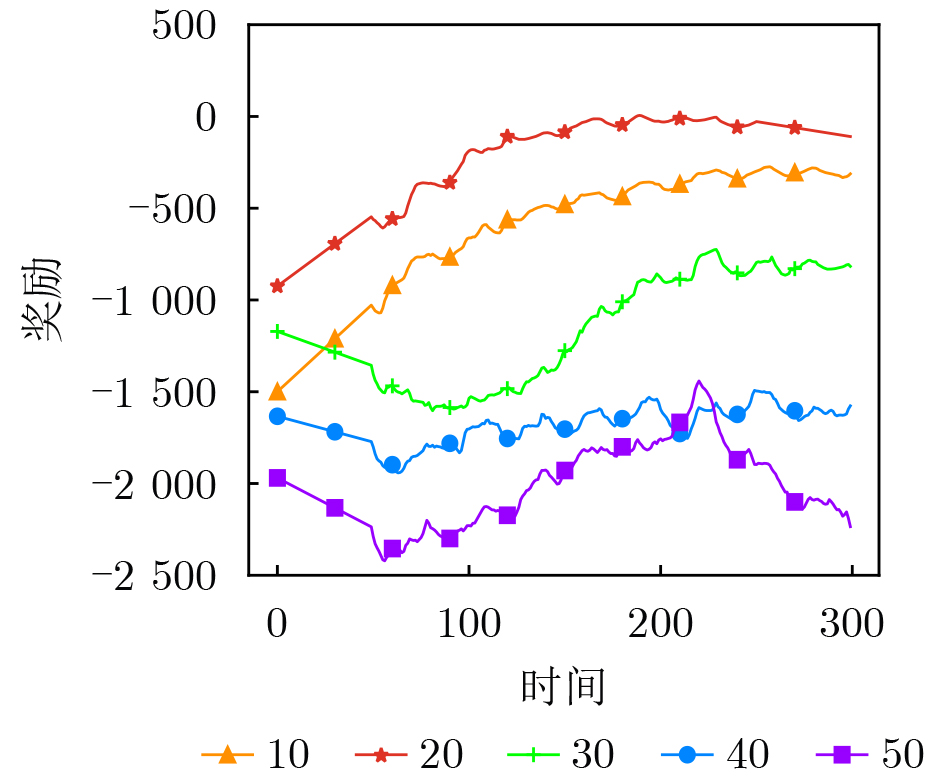
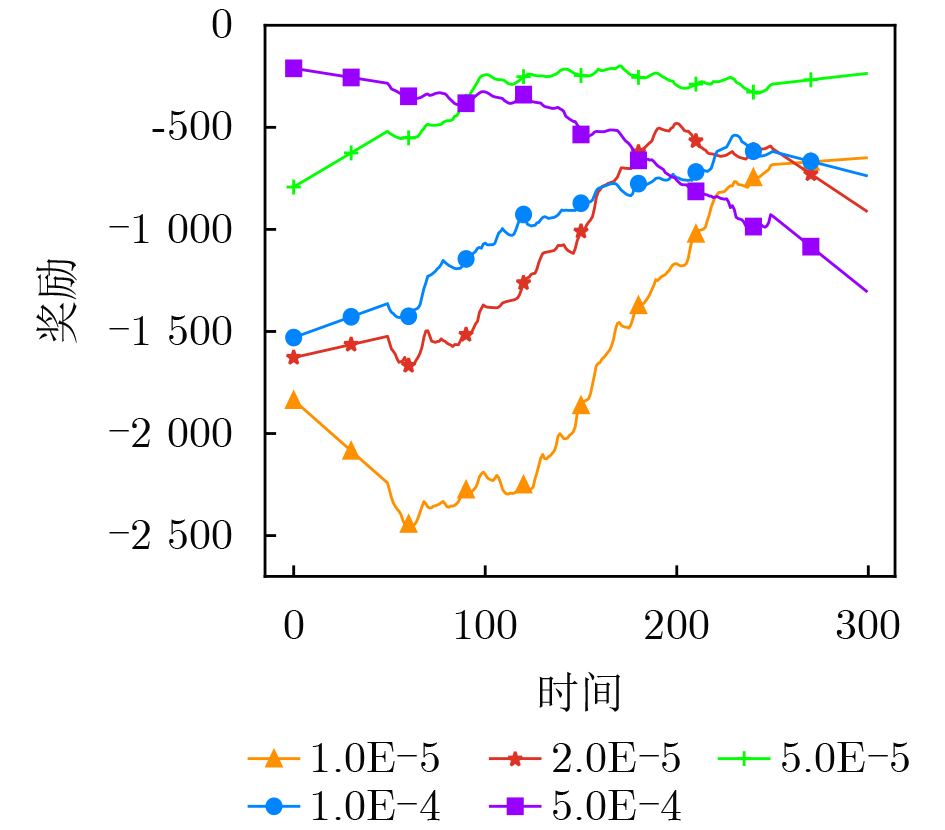
A Two-Stage Framework for CAN Bus Attack Detection by Fusing Temporal and Deep Features
TAN Mingming, ZHANG Heng, WANG Xin, LI Ming, ZHANG Jian, YANG Ming
Available online  , doi: 10.11999/JEIT250651
Abstract:
  Objective  The Controller Area Network (CAN), the de facto standard for in-vehicle communication, is inherently vulnerable to cyberattacks. Existing Intrusion Detection Systems (IDSs) face a fundamental trade-off: achieving fine-grained classification of diverse attack types often requires computationally intensive models that exceed the resource limitations of on-board Electronic Control Units (ECUs). To address this problem, this study proposes a two-stage attack detection framework for the CAN bus that fuses temporal and deep features. The framework is designed to achieve both high classification accuracy and computational efficiency, thereby reconciling the tension between detection performance and practical deployability.  Methods  The proposed framework adopts a “detect-then-classify” strategy and incorporates two key innovations. (1) Stage 1: Temporal Feature-Aware Anomaly Detection. Two custom features are designed to quantify anomalies: Payload Data Entropy (PDE), which measures content randomness, and ID Frequency Mean Deviation (IFMD), which captures behavioral deviations. These features are processed by a Bidirectional Long Short-Term Memory (BiLSTM) network that exploits contextual temporal information to achieve high-recall anomaly detection. (2) Stage 2: Deep Feature-Based Fine-Grained Classification. Triggered only for samples flagged as anomalous, this stage employs a lightweight one-dimensional ParC1D-Net. The core ParC1D Block (Fig. 4) integrates depthwise separable one-dimensional convolution, Squeeze-and-Excitation (SE) attention, and a Feed-Forward Network (FFN), enabling efficient feature extraction with minimal parameters. Stage 1 is optimized using BCEWithLogitsLoss, whereas Stage 2 is trained with Cross-Entropy Loss.  Results and Discussions  The efficacy of the proposed framework is evaluated on public datasets. (1) State-of-the-art performance. On the Car-Hacking dataset (Table 5), an accuracy and F1-score of 99.99% are achieved, exceeding advanced baselines. On the more challenging Challenge dataset (Table 6), superior accuracy (99.90%) and a competitive F1-score (99.70% are also obtained. (2) Feature contribution analysis. Ablation studies (Tables 7 and 8) confirm the critical role of the proposed features. Removal of the IFMD feature results in the largest performance reduction, highlighting the importance of behavioral modeling. A synergistic effect is observed when PDE and IFMD are applied together. (3) Spatiotemporal efficiency. The complete model remains lightweight at only 0.39 MB. Latency tests (Table 9) demonstrate real-time capability, with average detection times of 0.62 ms on a GPU and 0.93 ms on a simulated CPU (batch size = 1). A system-level analysis (Section 3.5.4) further shows that the two-stage framework is approximately 1.65 times more efficient than a single-stage model in a realistic sparse-attack scenario.  Conclusions  This study establishes the two-stage framework as an effective and practical solution for CAN bus intrusion detection. By decoupling detection from classification, the framework resolves the trade-off between accuracy and on-board deployability. Its strong performance, combined with a minimal computational footprint, indicates its potential for securing real-world vehicular systems. Future research could extend the framework and explore hardware-specific optimizations.
A one-dimensional 5G millimeter-wave wide-angle Scanning Array Antenna Using AMC Structure
MA Zhangang, ZHANG Qing, FENG Sirun, ZHAO Luyu
Available online  , doi: 10.11999/JEIT250719
Abstract:
  Objective  With the rapid advancement of 5G millimeter-wave technology, antennas are required to achieve high gain, wide beam coverage, and compact size, particularly in environments characterized by strong propagation loss and blockage. Conventional millimeter-wave arrays often face difficulties in reconciling wide-angle scanning with high gain and broadband operation due to element coupling and narrow beamwidths. To overcome these challenges, this study proposes a one-dimensional linear array antenna incorporating an Artificial Magnetic Conductor (AMC) structure. The AMC’s in-phase reflection is exploited to improve bandwidth and gain while enabling wide-angle scanning of ±80° at 26 GHz. By adopting a 0.4-wavelength element spacing and stacked topology, the design provides an effective solution for 5G millimeter-wave terminals where spatial constraints and performance trade-offs are critical. The findings highlight the potential of AMC-based arrays to advance antenna technology for future high-speed, low-latency 5G applications by combining broadband operation, high directivity, and broad coverage within compact form factors.  Methods  This study develops a high-performance single-polarized one-dimensional linear millimeter-wave array antenna through a multi-layered structural design integrated with AMC technology. The design process begins with theoretical analysis of the pattern multiplication principle and array factor characteristics, which identify 0.4-wavelength element spacing as an optimal balance between wide-angle scanning and directivity. A stacked three-layer antenna unit is then constructed, consisting of square patch radiators on the top layer, a cross-shaped coupling feed structure in the middle layer, and an AMC-loaded substrate at the bottom. The AMC provides in-phase reflection in the 21–30 GHz band, enhancing bandwidth and suppressing surface wave coupling. Full-wave simulations (HFSS) are performed to optimize AMC dimensions, feed networks, and array layout, confirming bandwidth of 23.7–28 GHz, peak gain of 13.9 dBi, and scanning capability of ±80°. A prototype is fabricated using printed circuit board technology and evaluated with a vector network analyzer and anechoic chamber measurements. Experimental results agree closely with simulations, demonstrating an operational bandwidth of 23.3–27.7 GHz, isolation better than −15 dB, and scanning coverage up to ±80°. These results indicate that the synergistic interaction between AMC-modulated radiation fields and the array coupling mechanism enables a favorable balance among wide bandwidth, high gain, and wide-angle scanning.  Results and Discussions  The influence of array factor on directional performance is analyzed, and the maximum array factor is observed when the element spacing is between 0.4λ and 0.46λ (Fig. 2). The in-phase reflection of the AMC structure in the 21–30 GHz range significantly enhances antenna characteristics, broadening the bandwidth by 50% compared with designs without AMC and increasing the gain at 26 GHz by 1.5 dBi (Fig. 10, Fig. 13). The operational bandwidth of 23.3–27.7 GHz is confirmed by measurements (Fig. 17a). When the element spacing is optimized to 4.6 mm (0.4λ) and the coupling radiation mechanisms are adjusted, the H-plane half-power beamwidth (HPBW) of the array elements is extended to 180° (Fig. 8, Fig. 9), with a further gain improvement of 0.6 dBi at the scanning edges (Fig. 11b). The three-layer stacked structure—comprising the radiation, isolation, and AMC layers—achieves isolation better than –15 dB (Fig. 17a). Experimental validation demonstrates wide-angle scanning capability up to ±80°, showing close agreement between simulated and measured results (Fig. 11, Fig. 17b). The proposed antenna is therefore established as a compact, high-performance solution for 5G millimeter-wave terminals, offering wide bandwidth, high gain, and broad scanning coverage.  Conclusions  A one-dimensional linear wide-angle scanning array antenna based on an AMC structure is presented for 5G millimeter-wave applications. Through theoretical analysis, simulation optimization, and experimental validation, balanced improvement in broadband operation, high gain, and wide-angle scanning is achieved. Pattern multiplication theory and array factor analysis are applied to determine 0.4-wavelength element spacing as the optimal compromise between scanning angle and directivity. A stacked three-layer configuration is adopted, and the AMC’s in-phase reflection extends the bandwidth to 23.7–28.5 GHz, representing a 50% increase. Simulation and measurement confirm ±80° scanning at 26 GHz with a peak gain of 13.8 dBi, which is 1.3 dBi higher than that of non-AMC designs. The close consistency between experimental and simulated results verifies the feasibility of the design, providing a compact and high-performance solution for millimeter-wave antennas in mobile communication and vehicular systems. Future research is expected to explore dual-polarization integration and adaptation to complex environments.
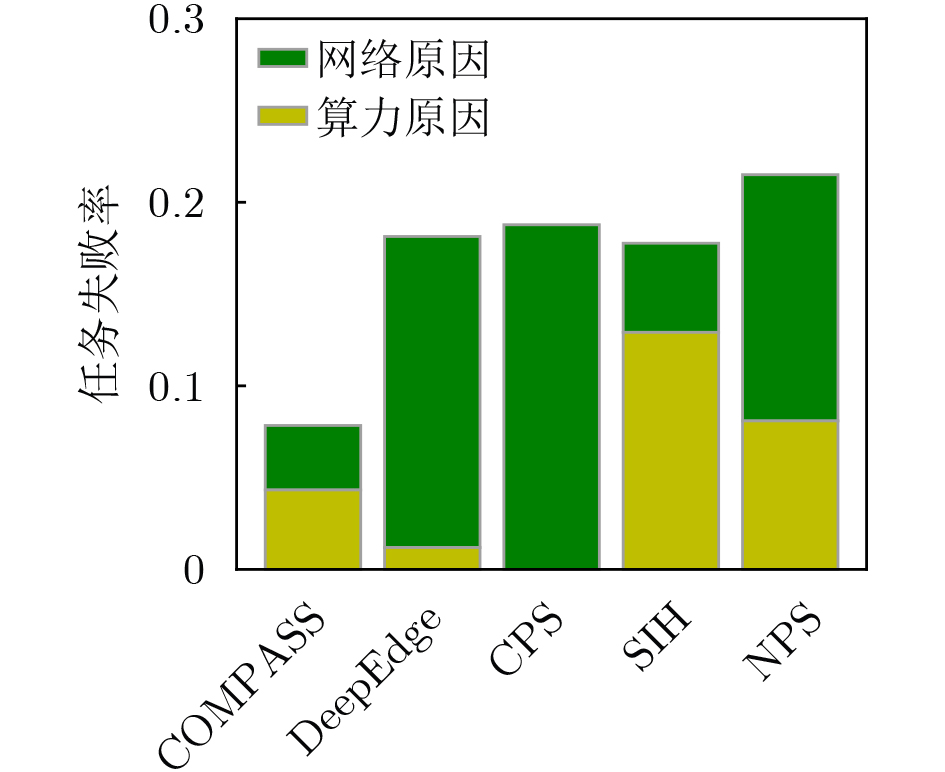
Adaptive Cache Deployment Based on Congestion Awareness and Content Value in LEO Satellite Networks
LIU Zhongyu, XIE Yaqin, ZHANG Yu, ZHU Jianyue
Available online  , doi: 10.11999/JEIT250670
Abstract:
  Objective  Low Earth Orbit (LEO) satellite networks are central to future space–air–ground integrated systems, offering global coverage and low-latency communication. However, their high-speed mobility leads to rapidly changing topologies, and strict onboard cache constraints hinder efficient content delivery. Existing caching strategies often overlook real-time network congestion and content attributes (e.g., freshness), which leads to inefficient resource use and degraded Quality of Service (QoS). To address these limitations, we propose an adaptive cache placement strategy based on congestion awareness. The strategy dynamically couples real-time network conditions, including link congestion and latency, with a content value assessment model that incorporates both popularity and freshness.This integrated approach enhances cache hit rates, reduces backhaul load, and improves user QoS in highly dynamic LEO satellite environments, enabling efficient content delivery even under fluctuating traffic demands and resource constraints.  Methods  The proposed strategy combines a dual-threshold congestion detection mechanism with a multi-dimensional content valuation model. It proceeds in three steps. First, satellite nodes monitor link congestion in real time using dual latency thresholds and relay congestion status to downstream nodes through data packets. Second, a two-dimensional content value model is constructed that integrates popularity and freshness. Popularity is updated dynamically using an Exponential Weighted Moving Average (EWMA), which balances historical and recent request patterns to capture temporal variations in demand. Freshness is evaluated according to the remaining data lifetime, ensuring that expired or near-expired content is deprioritized to maintain cache efficiency and relevance. Third, caching thresholds are adaptively adjusted according to congestion level, and a hop count control factor is introduced to guide caching decisions. This coordinated mechanism enables the system to prioritize high-value content while mitigating congestion, thereby improving overall responsiveness and user QoS.  Results and Discussions  Simulations conducted on ndnSIM demonstrate the superiority of the proposed strategy over PaCC (Popularity-Aware Closeness-based Caching), LCE (Leave Copy Everywhere), LCD (Leave Copy Down), and Prob (probability-based caching with probability = 0.5). The key findings are as follows. (1) Cache hit rate. The proposed strategy consistently outperforms conventional methods. As shown in Fig. 8, the cache hit rate rises markedly with increasing cache capacity and Zipf parameter, exceeding those of LCE, LCD, and Prob. Specifically, the proposed strategy achieves improvements of 43.7% over LCE, 25.3% over LCD, 17.6% over Prob, and 9.5% over PaCC. Under high content concentration (i.e., larger Zipf parameters), the improvement reaches 29.1% compared with LCE, highlighting the strong capability of the strategy in promoting high-value content distribution. (2) Average routing hop ratio. The proposed strategy also reduces routing hops compared with the baselines. As shown in Fig. 9, the average hop ratio decreases as cache capacity and Zipf parameter increase. Relative to PaCC, the proposed strategy lowers the average hop ratio by 2.24%, indicating that content is cached closer to users, thereby shortening request paths and improving routing efficiency. (3) Average request latency. The proposed strategy achieves consistently lower latency than all baseline methods. As summarized in Table 2 and Fig. 10, the reduction is more pronounced under larger cache capacities and higher Zipf parameters. For instance, with a cache capacity of 100 MB, latency decreases by approximately 2.9%, 5.8%, 9.0%, and 10.3% compared with PaCC, Prob, LCD, and LCE, respectively. When the Zipf parameter is 1.0, latency reductions reach 2.7%, 5.7%, 7.2%, and 8.8% relative to PaCC, Prob, LCD, and LCE, respectively. Concretely, under a cache capacity of 100 MB and Zipf parameter of 1.0, the average request latency of the proposed strategy is 212.37 ms, compared with 236.67 ms (LCE), 233.45 ms (LCD), 225.42 ms (Prob), and 218.62 ms (PaCC).  Conclusions  This paper presents a congestion-aware adaptive caching placement strategy for LEO satellite networks. By combining real-time congestion monitoring with multi-dimensional content valuation that considers both dynamic popularity and freshness, the strategy achieves balanced improvements in caching efficiency and network stability. Simulation results show that the proposed method markedly enhances cache hit rates, reduces average routing hops, and lowers request latency compared with existing schemes such as PaCC, Prob, LCD, and LCE. These benefits hold across different cache sizes and request distributions, particularly under resource-constrained or highly dynamic conditions, confirming the strategy’s adaptability to LEO environments. The main innovations include a closed-loop feedback mechanism for congestion status, dynamic adjustment of caching thresholds, and hop-aware content placement, which together improve resource utilization and user QoS. This work provides a lightweight and robust foundation for high-performance content delivery in satellite–terrestrial integrated networks. Future extensions will incorporate service-type differentiation (e.g., delay-sensitive vs. bandwidth-intensive services), and orbital prediction to proactively optimize cache migration and updates, further enhancing efficiency and adaptability in 6G-enabled LEO networks.
Integrating Representation Learning and Knowledge Graph Reasoning for Diabetes and Complications Prediction
WANG Yuao, HUANG Yeqi, LI Qingyuan, LIU Yun, JING Shenqi, SHAN Tao, GUO Yongan
Available online  , doi: 10.11999/JEIT250798
Abstract:
  Objective  Diabetes mellitus and its complications are recognized as major global health challenges, causing severe morbidity, high healthcare costs, and reduced quality of life. Accurate joint prediction of these conditions is essential for early intervention but is hindered by data heterogeneity, sparsity, and complex inter-entity relationships. To address these challenges, a Representation Learning Enhanced Knowledge Graph-based Multi-Disease Prediction (REKG-MDP) model is proposed. Electronic Health Records (EHRs) are integrated with supplementary medical knowledge to construct a comprehensive Medical Knowledge Graph (MKG), and higher-order semantic reasoning combined with relation-aware representation learning is applied to capture complex dependencies and improve predictive accuracy across multiple diabetes-related conditions.  Methods  The REKG-MDP framework consists of three modules. First, a MKG is constructed by integrating structured EHR data from the MIMIC-IV dataset with external disease knowledge. Patient-side features include demographics, laboratory indices, and medical history, whereas disease-side attributes cover comorbidities, susceptible populations, etiological factors, and diagnostic criteria. This integration mitigates data sparsity and enriches semantic representation. Second, a relation-aware embedding module captures four relational patterns: symmetric, antisymmetric, inverse, and compositional. These patterns are used to optimize entity and relation embeddings for semantic reasoning. Third, a Hierarchical Attention-based Graph Convolutional Network (HA-GCN) aggregates multi-hop neighborhood information. Dynamic attention weights capture both local and global dependencies, and a bidirectional mechanism enhances the modeling of patient–disease interactions.  Results and Discussions  Experiments demonstrate that REKG-MDP consistently outperforms four baselines: two machine learning models (DCKD-RF and bSES-AC-RUN-FKNN) and two graph-based models (KGRec and PyRec). Compared with the strongest baseline, REKG-MDP achieves average improvements in P, F1, and NDCG of 19.39%, 19.67%, and 19.39% for single-disease prediction (\begin{document}$ n=1 $\end{document}); 16.71%, 21.83%, and 23.53% for \begin{document}$ n=3 $\end{document}; and 22.01%, 20.34%, and 20.88% for \begin{document}$ n=5 $\end{document} (Table 4). Ablation studies confirm the contribution of each module. Removing relation-pattern modeling reduces performance metrics by approximately 12%, removing hierarchical attention decreases them by 5–6%, and excluding disease-side knowledge produces the largest decline of up to 20% (Fig. 5). Sensitivity analysis indicates that increasing the embedding dimension from 32 to 128 enhances performance by more than 11%, whereas excessive dimensionality (256) leads to over-smoothing (Fig. 6). Adjusting the \begin{document}$ \beta $\end{document} parameter strengthens sample discrimination, improving P, F1, and NDCG by 9.28%, 27.9%, and 8.08%, respectively (Fig. 7).  Conclusions  REKG-MDP integrates representation learning with knowledge graph reasoning to enable multi-disease prediction. The main contributions are as follows: (1) integrating heterogeneous EHR data with disease knowledge mitigates data sparsity and enhances semantic representation; (2) modeling diverse relational patterns and applying hierarchical attention improves the capture of higher-order dependencies; and (3) extensive experiments confirm the model’s superiority over state-of-the-art baselines, with ablation and sensitivity analyses validating the contribution of each module. Remaining challenges include managing extremely sparse data and ensuring generalization across broader populations. Future research will extend REKG-MDP to model temporal disease progression and additional chronic conditions.
Wave-MambaCT: Low-dose CT Artifact Suppression Method Based on Wavelet Mamba
CUI Xueying, WANG Yuhang, LIU Bin, SHANGGUAN Hong, ZHANG Xiong
Available online  , doi: 10.11999/JEIT250489
Abstract:
  Objective  Low-Dose Computed Tomography (LDCT) reduces patient radiation exposure but introduces substantial noise and artifacts into reconstructed images. Convolutional Neural Network (CNN)-based denoising approaches are limited by local receptive fields, which restrict their abilities to capture long-range dependencies. Transformer-based methods alleviate this limitation but incur quadratic computational complexity relative to image size. In contrast, State Space Model (SSM)–based Mamba frameworks achieve linear complexity for long-range interactions. However, existing Mamba-based methods often suffer from information loss and insufficient noise suppression. To address these limitations, we propose the Wave-MambaCT model.  Methods  The proposed Wave-MambaCT model adopts a multi-scale framework that integrates Discrete Wavelet Transform (DWT) with a Mamba module based on the SSM. First, DWT performs a two-level decomposition of the LDCT image, decoupling noise from Low-Frequency (LF) content. This design directs denoising primarily toward the High-Frequency (HF) components, facilitating noise suppression while preserving structural information. Second, a residual module combined with a Spatial-Channel Mamba (SCM) module extracts both local and global features from LF and HF bands at different scales. The noise-free LF features are then used to correct and enhance the corresponding HF features through an attention-based Cross-Frequency Mamba (CFM) module. Finally, inverse wavelet transform is applied in stages to progressively reconstruct the image. To further improve denoising performance and network stability, multiple loss functions are employed, including L1 loss, wavelet-domain LF loss, and adversarial loss for HF components.  Results and Discussions  Extensive experiments on the simulated Mayo Clinic datasets, the real Piglet datasets, and the hospital clinical dataset DeepLesion show that Wave-MambaCT provides superior denoising performance and generalization. On the Mayo dataset, a PSNR of 31.6528 is achieved, which is higher than that of the suboptimal method DenoMamba (PSNR 31.4219), while MSE is reduced to 0.00074 and SSIM and VIF are improved to 0.8851 and 0.4629, respectively (Table 1). Visual results (Figs. 46) demonstrate that edges and fine details such as abdominal textures and lesion contours are preserved, with minimal blurring or residual artifacts compared with competing methods. Computational efficiency analysis (Table 2) indicates that Wave-MambaCT maintains low FLOPs (17.2135 G) and parameters (5.3913 M). FLOPs are lower than those of all networks except RED-CNN, and the parameter count is higher only than those of RED-CNN and CTformer. During training, 4.12 minutes per epoch are required, longer only than RED-CNN. During testing, 0.1463 seconds are required per image, which is at a medium level among the compared methods. Generalization tests on the Piglet datasets (Figs. 7, 8, Tables 3, 4) and DeepLesion (Fig. 9) further confirm the robustness and generalization capacity of Wave-MambaCT.In the proposed design, HF sub-bands are grouped, and noise-free LF information is used to correct and guide their recovery. This strategy is based on two considerations. First, it reduces network complexity and parameter count. Second, although the sub-bands correspond to HF information in different orientations, they are correlated and complementary as components of the same image. Joint processing enhances the representation of HF content, whereas processing them separately would require a multi-branch architecture, inevitably increasing complexity and parameters. Future work will explore approaches to reduce complexity and parameters when processing HF sub-bands individually, while strengthening their correlations to improve recovery. For structural simplicity, SCM is applied to both HF and LF feature extraction. However, redundancy exists when extracting LF features, and future studies will explore the use of different Mamba modules for HF and LF features to further optimize computational efficiency.  Conclusions  Wave-MambaCT integrates DWT for multi-scale decomposition, a residual module for local feature extraction, and an SCM module for efficient global dependency modeling to address the denoising challenges of LDCT images. By decoupling noise from LF content through DWT, the model enables targeted noise removal in the HF domain, facilitating effective noise suppression. The designed RSCM, composed of residual blocks and SCM modules, captures fine-grained textures and long-range interactions, enhancing the extraction of both local and global information. In parallel, the Cross-band Enhancement Module (CEM) employs noise-free LF features to refine HF components through attention-based CFM, ensuring structural consistency across scales. Ablation studies (Table 5) confirm the essential contributions of both SCM and CEM modules to maintaining high performance. Importantly, the model’s staged denoising strategy achieves a favorable balance between noise reduction and structural preservation, yielding robustness to varying radiation doses and complex noise distributions.
Research on Directional Modulation Multi-carrier Waveform Design for Integrated Sensing and Communication
HUANG Gaojian, ZHANG Shengzhuang, DING Yuan, LIAO Kefei, JIN Shuanggen, LI Xingwang, OUYANG Shan
Available online  , doi: 10.11999/JEIT250680
Abstract:
  Objective  With the concurrent evolution of wireless communication and radar technologies, spectrum congestion has become increasingly severe. Integrated Sensing and Communication (ISAC) has emerged as an effective approach that unifies sensing and communication functionalities to achieve efficient spectrum and hardware sharing. Orthogonal Frequency Division Multiplexing (OFDM) signals are regarded as a key candidate waveform due to their high flexibility. However, estimating target azimuth angles and suppressing interference from non-target directions remain computationally demanding, and confidential information transmitted in these directions is vulnerable to eavesdropping. To address these challenges, the combination of Directional Modulation (DM) and OFDM, termed OFDM-DM, provides a promising solution. This approach enables secure communication toward the desired direction, suppresses interference in other directions, and reduces radar signal processing complexity. The potential of OFDM-DM for interference suppression and secure waveform design is investigated in this study.  Methods  As a physical-layer security technique, DM is used to preserve signal integrity in the intended direction while deliberately distorting signals in other directions. Based on this principle, an OFDM-DM ISAC waveform is developed to enable secure communication toward the target direction while simultaneously estimating distance, velocity, and azimuth angle. The proposed waveform has two main advantages: the Bit Error Rate (BER) at the radar receiver is employed for simple and adjustable azimuth estimation, and interference from non-target directions is suppressed without additional computational cost. The waveform maintains the OFDM constellation in the target direction while distorting constellation points elsewhere, which reduces correlation with the original signal and enhances target detection through time-domain correlation. Moreover, because element-wise complex division in the Two-Dimensional Fast Fourier Transform (2-D FFT) depends on signal integrity, phase distortion in signals from non-target directions disrupts phase relationships and further diminishes the positional information of interference sources.  Results and Discussions  In the OFDM-DM ISAC system, the transmitted signal retains its communication structure within the target beam, whereas constellation distortion occurs in other directions. Therefore, the BER at the radar receiver exhibits a pronounced main lobe in the target direction, enabling accurate azimuth estimation (Fig. 5). In the time-domain correlation algorithm, the target distance is precisely determined, while correlation in non-target directions deteriorates markedly due to DM, thereby achieving effective interference suppression (Fig. 6). Additionally, during 2-D FFT processing, signal distortion disrupts the linear phase relationship among modulation symbols in non-target directions, causing conventional two-dimensional spectral estimation to fail and further suppressing positional information of interference sources (Fig. 7). Additional simulations yield one-dimensional range and velocity profiles (Fig. 8). The results demonstrate that the OFDM-DM ISAC waveform provides structural flexibility, physical-layer security, and low computational complexity, making it particularly suitable for environments requiring high security or operating under strong interference conditions.  Conclusions  This study proposes an OFDM-DM ISAC waveform and systematically analyzes its advantages in both sensing and communication. The proposed waveform inherently suppresses interference from non-target directions, eliminating target ambiguity commonly encountered in traditional ISAC systems and thereby enhancing sensing accuracy. Owing to the spatial selectivity of DM, only legitimate directions can correctly demodulate information, whereas unintended directions fail to recover valid data, achieving intrinsic physical-layer security. Compared with existing methods, the proposed waveform simultaneously attains secure communication and interference suppression without additional computational burden, offering a lightweight and high-performance solution suitable for resource-constrained platforms. Therefore, the OFDM-DM ISAC waveform enables high-precision sensing while maintaining communication security and hardware feasibility, providing new insights for multi-carrier ISAC waveform design.
Unsupervised 3D Medical Image Segmentation With Sparse Radiation Measurement
XIAOFAN Yu¹, LANLAN Zou², WENQI Gu², JUN Cai, BIN Kang², KANG Ding
Available online  , doi: 10.11999/JEIT250841
Abstract:
  Objective  Three-dimensional medical image segmentation is recognized as a pivotal task in modern medical image analysis. Compared with two-dimensional imaging, it captures the spatial morphology of organs and lesions more comprehensively and provides clinicians with detailed structural information, thereby facilitating early disease screening, personalized surgical planning, and treatment evaluation. With rapid advances in artificial intelligence, three-dimensional segmentation is increasingly regarded as a key technology for diagnostic support, precision therapy, and intraoperative navigation. However, existing methods such as SwinUNETR-v2 and UNETR++ rely heavily on large-scale voxel-level annotations, which incur high annotation costs and limit clinical applicability. Moreover, high-quality segmentation frequently depends on multi-view projections to obtain complete volumetric data, resulting in increased radiation exposure and physiological burden for patients. Consequently, segmentation under sparse radiation measurements is posed as an important challenge. Neural Attenuation Fields (NAF) have recently been proposed as a promising approach for low-dose reconstruction by recovering linear attenuation coefficient fields from sparse views. Nevertheless, their potential for three-dimensional segmentation remains largely unexplored. To address this gap, a unified framework named NA-SAM3D is proposed, which integrates NAF-based reconstruction with interactive segmentation to achieve unsupervised 3D segmentation under sparse-view conditions, thereby reducing annotation dependence and improving boundary perception.  Methods  The proposed framework is designed in two stages. In the first stage, sparse-view reconstruction is performed using NAF to generate a continuous three-dimensional attenuation coefficient tensor from sparse X-ray projections. Ray sampling and positional encoding are applied to arbitrary 3D points, and the encoded features are passed into a multi-layer perceptron (MLP) to predict linear attenuation coefficients that serve as input for subsequent segmentation. In the second stage, interactive segmentation is conducted. A three-dimensional image encoder is used to extract high-dimensional features from the attenuation coefficient tensor, while clinician-provided point prompts indicate regions of interest. These prompts are embedded into semantic features by an interactive user module and fused with image features to guide the mask decoder in producing preliminary masks. Because point prompts provide only local positional cues, boundary ambiguity and mask over-expansion may occur. To mitigate these issues, a Density-Guided Module (DGM) is introduced at the decoder output stage: NAF-derived attenuation coefficients are converted into a density-aware attention map, which is fused with preliminary mask predictions to strengthen tissue boundary perception and improve segmentation accuracy in complex anatomical regions.  Results and Discussions  NA-SAM3D is validated on a self-constructed colorectal cancer dataset comprising 299 patient cases (in collaboration with Nanjing Hospital of Traditional Chinese Medicine) and on two public benchmarks: the Lung CT Segmentation Challenge (LCTSC) and the Liver Tumor Segmentation Challenge (LiTS). Experimental results show that NA-SAM3D achieves overall better performance than the mainstream unsupervised 3D segmentation methods based on full radiation observation (SAM-MED series) and reaches accuracy comparable to or even higher than the fully supervised model SwinUNETR-v2. Compared with SAM-MED3D, NA-SAM3D improves the Dice on the LCTSC dataset by more than 3%, while HD95 and ASD decrease by 5.29 mm and 1.32 mm, respectively, demonstrating better boundary localization and surface consistency. Compared with the sparse-field-based segmentation method SA3D, NA-SAM3D achieves higher Dice scores on all three datasets (Table 1). Compared with the fully supervised model SwinUNETR-v2, NA-SAM3D reduces HD95 by 1.28 mm, and the average Dice is only 0.3% lower. Compared with SA3D, NA-SAM3D increases the average Dice by about 6.6% and reduces HD95 by about 11 mm, further verifying its ability to recover structural details and boundary information under sparse-view conditions (Table 2). Although the overall performance of NA-SAM3D is slightly lower than that of the fully supervised UNETR++ model, it still demonstrates strong competitiveness and good generalization under label-free inference. Qualitative results show that in complex pelvic and intestinal regions, NA-SAM3D produces clearer boundaries and higher contour consistency (Fig. 3). On public datasets, segmentation of the lung and liver also shows superior boundary localization and contour integrity (Fig. 4). Three-dimensional visualization further verifies that in colorectal, lung, and liver regions, NA-SAM3D achieves better structural continuity and boundary preservation than SAM-MED2D and SAM-MED3D (Fig. 5). The Density-Guided Module further improves boundary sensitivity, increasing Dice and mIoU by 1.20% and 3.31% on the self-constructed dataset, and by 4.49 and 2.39 percentage points on the LiTS dataset (Fig. 6).  Conclusions  An unsupervised 3D medical image segmentation framework, NA-SAM3D, is proposed, which integrates NAF reconstruction with interactive 3D segmentation to achieve high-precision segmentation under sparse radiation measurements. The Density-Guided Module effectively leverages attenuation coefficient priors to enhance recognition of complex lesion boundaries. Experimental results demonstrate that the method approaches the performance of fully supervised approaches under unsupervised inference, with an average 2.0% Dice improvement, indicating substantial practical value and clinical potential for low-dose imaging and complex anatomical segmentation. Future work will focus on optimizing the model for additional anatomical regions and evaluating its practical application in preoperative planning.
Optimization of Short Packet Communication Resources for UAV Assisted Power Inspection
CHU Hang, DONG Zhihao, CAO Jie, SHI Huaifeng, ZENG Haiyong, ZHU Xu
Available online  , doi: 10.11999/JEIT250852
Abstract:
  Objective  In Unmanned Aerial Vehicles(UAV)-assisted power grid inspection, real-time collection and transmission of multi-modal data (key parameters, images, and videos) are critical for secure grid operation. These tasks present heterogeneous communication demands, including ultra-reliable low-latency and real-time high-bandwidth. However, the scarcity of wireless communication resources and UAV energy constraints make these demands difficult to meet, which in turn compromises data timeliness and overall task effectiveness. To address these challenges, this article aims to develop a collaborative optimization framework for data transmission scheduling and communication resource allocation, thereby minimizing system overhead while strictly satisfying task performance and reliability requirements.  Methods  To address the challenges mentioned above, this article constructs a collaborative optimization framework for data transmission scheduling and communication resource allocation. In terms of data transmission scheduling, it is modeled as a Markov Decision Process (MDP), incorporating communication consumption into the decision cost. At the resource allocation level, Non-Orthogonal Multiple Access (NOMA) technology is introduced to improve spectral efficiency. This method can significantly reduce communication costs while ensuring transmission reliability, providing effective support for heterogeneous data transmission in UAV-assisted power inspection scenarios.  Results and Discussions  To verify the effectiveness of the proposed framework, comprehensive simulations were conducted. A scenario was established where the task of the drone is to collect data from multiple distributed power towers within a designated area. There is a trade-off between reliability and speed (Fig. 3). At the same transmission rate, the bit error rate can be reduced by about an order of magnitude. When the minimum long-packet signal-to-noise ratio threshold of 7 dB is adopted in the simulation, the optimized transmission system can reduce the bit error rate from the 10–3 level to the 10–5 level while sacrificing only about 0.4 Mbps of transmission rate. After algorithm optimization, a lower effective signal-to-noise ratio is required at the same bit error rate; under the same signal-to-noise ratio, the short-packet error rate is better, which means that the system performance is more stable and the transmission efficiency is higher (Fig. 4).  Conclusions  This paper proposes a novel collaborative optimization framework that effectively addresses the challenges of limited resources and heterogeneous demands in UAV power inspection. By establishing a coordinated framework that deeply integrates MDP-based adaptive scheduling with NOMA-based joint resource allocation, it successfully balances the trade-off between communication performance and system overhead. This work provides a valuable theoretical and practical foundation for achieving efficient, low-cost, and reliable data transmission in future intelligent autonomous aerial systems..
Performance Analysis of Double RIS-Assisted Multi-Antenna Cooperative NOMA with Short-Packet Communication
SONG Wenbin, CHEN Dechuan, ZHANG Xingang, WANG Zhipeng, SUN Xiaolin, WANG Baoping
Available online  , doi: 10.11999/JEIT250761
Abstract:
  Objective  Numerous existing studies on short-packet communication systems rely on the assumption of ideal transceiver devices. However, this assumption is unrealistic because radio-frequency transceiver hardware inevitably suffers from impairments such as phase noise and amplifier nonlinearity. Such impairments are particularly pronounced in short-packet communication systems, where low-cost hardware components are widely employed. However, the performance of reconfigurable intelligent surface (RIS)-assisted multi-antenna cooperative non-orthogonal multiple access (NOMA) short-packet communication systems with hardware impairments has not been investigated. Furthermore, the impact of the number of base station (BS) antennas and RIS reflecting elements on the reliable performance remains unexplored. Therefore, this paper investigates the reliable performance of double RIS-assisted multi-antenna cooperative NOMA short-packet communication systems, where one RIS facilitates communication between a multi-antenna BS and a near user, and the other RIS enhances communication between the near user and a far user.  Methods  Based on finite blocklength information theory, closed-form expressions for the average block error rate (BLER) of the near and far users are derived under the optimal antenna selection strategy. These expressions provide an efficient and convenient approach for evaluating the reliability of the considered system. Next, the effective throughput is formulated, and the optimal blocklength that maximizes it under reliability and latency constraints is derived.  Results and Discussions  The theoretical average BLER results show excellent agreement with Monte Carlo simulation results, confirming the validity of the derivations. The average BLER for the near and far users decreases as the transmit signal-to-noise ratio (SNR) increases. Moreover, for a given transmit SNR, increasing the blocklength significantly reduces the average BLER for the near and far users (Fig. 2). The reason for this improvement is that longer blocklengths decrease the transmission rate, thereby enhancing system reliability. The average BLER for the near user initially decreases before reaching a minimum and then increases as the power allocation coefficient increases (Fig. 3). This trend is due to the fact that increasing the power allocation coefficient reduces the BLER for decoding the near user's signal but increases the complexity of the successive interference cancellation (SIC) process. In contrast, the average BLER for the far user increases as the power allocation coefficient increases. The double RIS-assisted transmission scheme demonstrates superior performance compared to the single RIS-assisted and non-RIS-assisted transmission schemes (Fig. 4). Specifically, as the number of RIS reflecting elements increases, the performance advantage of the proposed scheme over these benchmark schemes becomes increasingly significant. The average BLER for the far user saturates as the number of BS antennas increases (Fig. 5). This is due to the fact that the relaying link becomes the dominant performance bottleneck when the number of BS antennas exceeds a certain value. As the blocklength increases, the effective throughput first reaches a maximum and then gradually decreases (Fig. 6). This is because when the blocklength is too small, a higher BLER results in poor effective throughput. When the blocklength is too large, a lower transmission rate also leads to poor effective throughput. As the quality of hardware improves, the optimal blocklength decreases. This can be justified by the fact that lower hardware impairments reduce decoding errors, meaning that shorter blocklengths can be used to reduce transmission latency while still satisfying reliability constraints.  Conclusions  This paper investigates the performance of the double RIS-assisted multi-antenna cooperative NOMA short-packet communication system under hardware impairments. Closed-form expressions for the average BLER of the near and far users are derived under the optimal antenna selection strategy. Furthermore, the effective throughput is analyzed, and the optimal blocklength that maximizes the effective throughput under reliability and latency constraints is determined. Simulation results demonstrate that the double RIS-assisted transmission scheme achieves superior performance compared to the single RIS-assisted and non-RIS-assisted transmission schemes. In addition, increasing the number of BS antennas does not always improve the average BLER for the far user due to the relaying link constraint. Power allocation is critical for ensuring user reliability. The near user should carefully balance self-signal demodulation and SIC under a total power constraint. Superior hardware quality enhances short-packet communication efficiency by lowering the optimal blocklength. Future work will focus on developing RIS configuration schemes that simultaneously maximize energy efficiency (EE) and ensure user fairness in NOMA to address the needs of energy-constrained IoT devices.
Robust Resource Allocation Algorithm for Active Reconfigurable Intelligent Surface-Assisted Symbiotic Secure Communication Systems
MA Rui, LI Yanan, TIAN Tuanwei, LIU Shuya, DENG Hao, ZHANG Jinlong
Available online  , doi: 10.11999/JEIT250811
Abstract:
  Objective  The existing research on Reconfigurable Intelligent Surface (RIS)-assisted symbiotic radio systems has primarily focused on passive RIS. However, due to the severe double-fading effect, it is difficult to achieve significant capacity gains using passive RIS in communication scenarios with strong direct paths. The assistance of the active RIS can effectively solve this problem. Moreover, the signal amplification capability of active RIS enhances the signal-to-noise ratio of the secondary signal and improves the security of the primary signal. Additionally, by considering imperfect Successive Interference Cancellation (SIC), a penalized-based Successive Convex Approximation (SCA) algorithm utilizing alternating optimization is investigated.  Methods  The original optimization problem is challenging to solve directly due to its complex and non-convex constraints. Thus, the alternating optimization method is adopted to decouple the original optimization problem into two subproblems. These subproblems pertain to designing the transmit beamforming vector at the primary transmitter and the reflection coefficient matrix at the active RIS. Then, the variable substitution, the equivalent transformation, and the penalty-based SCA methods are utilized for alternating iterative solutions. Specifically, for the beamforming design, the rank-one constraint is first equivalently transformed. The penalty-based SCA method is then applied to recover the rank-one optimal solution, and iterative optimization is finally employed to obtain the result. For the reflection coefficient matrix design, the problem is first reformulated. Auxiliary variables are then introduced to avoid feasibility check issues, after which a penalty-based SCA approach is used to handle the rank-one constraint. The solution is ultimately obtained using the CVX toolbox. Based on the above procedures, a robust resource allocation algorithm based on penalty is proposed using alternating optimization.  Results and Discussions  The convergence curves of the proposed algorithm under different numbers of primary transmitter antennas (K) and RIS reflecting elements (N) is shown (Fig.3). The results indicate that the total power consumption of the system gradually decreases with the increase of iterations and converges within a finite number of steps. The relationship between the total power consumption of the system and the Signal-to-Interference-and-Noise Ratio (SINR) threshold of the secondary signal is depicted (Fig.4). As the SINR threshold increases, the system requires more power to maintain the lowest service quality of the secondary signal, leading to a rise in the total power consumption. Besides, with the imperfect interference cancellation factor decreases, the total power consumption of the system diminishes. To compare performance, three baseline algorithms are introduced (Fig.5), namely: the passive RIS, the active RIS with random phase shift, and the non-robust algorithm. The total system power consumption under the proposed algorithm is consistently lower than that of the passive RIS and active RIS with random phase shift. Although additional power is consumed by the active RIS itself, the savings in transmit power outweigh this consumption, resulting in higher overall energy efficiency. When random phase shifts are applied, the active beamforming and amplification capabilities of the RIS are underutilized. This forces the primary transmitter to solely compensate for meeting the performance constraints, thereby increasing its power consumption. Besides, due to the consideration of imperfect SIC in the proposed algorithm, a higher transmit power is required to compensate for residual interference to satisfy the secondary system’s minimum SINR constraint. As a result, the total power consumption remains higher than that of the non-robust algorithm. The influence of the primary signal’s secrecy rate threshold on the secure energy efficiency of the primary system under different N has been revealed (Fig.6). The results indicate that there exists an optimal secrecy rate threshold, which maximizes the secure energy efficiency of the main system. To investigate the impact of the active RIS deployment on the total power consumption of the system, the positions of each node are rearranged (Fig.7). The fading effect experienced is weakened as the active RIS is placed closer to the receiver, thus the total system power consumption is reduced.  Conclusions  This paper investigates the total power consumption of an active RIS-assisted symbiotic secure communication system under imperfect SIC. To improve the energy efficiency of the system, a system-wide total power minimization problem is formulated, subject to multiple constraints including the quality of service for both primary and secondary signals, as well as the power and phase shift constraints of the active RIS. To address this non-convex problem with uncertain disturbance parameters, techniques such as the variable substitution, the equivalent transformation and the penalty-based SCA method are employed to convert the original problem into a convex optimization form. Simulation results validate the effectiveness of the proposed algorithm, demonstrating a significant reduction in the total system power consumption compared to benchmark schemes.
Research on Collaborative Reasoning Framework and Algorithms of Cloud-Edge Large Models for Intelligent Auxiliary Diagnosis Systems
HE Qian, ZHU Lei, LI Gong, YOU Zhengpeng, YUAN Lei, JIA Fei
Available online  , doi: 10.11999/JEIT250828
Abstract:
  Objective  The deployment of large language models (LLMs) in intelligent auxiliary diagnosis is constrained by two critical challenges: insufficient computing power for localized deployment in hospitals and significant privacy risks associated with medical data transmission and storage in cloud environments. Low-parameter local LLMs suffer from 20%-30% lower accuracy in medical knowledge Q&A and 15%-25% reduced medical knowledge coverage compared to full-parameter cloud LLMs, while cloud-based solutions face inherent data security and privacy protection issues. To address these dilemmas, this study aims to propose a cloud-edge LLM collaborative reasoning framework and corresponding algorithms for intelligent auxiliary diagnosis systems. The core objective is to develop a cloud-edge collaborative reasoning agent integrated with intelligent routing and dynamic semantic desensitization capabilities, enabling dynamic task allocation between edge (hospital-end) and cloud (regional cloud) sides. This framework seeks to balance diagnostic accuracy, data privacy security, and resource utilization efficiency, providing a viable technical paradigm for the advancement of medical artificial intelligence systems.  Methods  The proposed framework adopts a layered architectural design, consisting of a four-tier progressive architecture on the edge side and a four-tier service-oriented architecture on the cloud side (Fig. 1). The edge side encompasses resource, data, model, and application layers, with the model layer hosting lightweight medical LLMs and the cloud-edge collaborative agent. The cloud side includes AI IaaS, AI PaaS, AI MaaS, and AI SaaS layers, serving as a convergence center for computing power and advanced models. The collaborative reasoning process follows a structured business workflow (Fig. 2), starting with user input parsed by the agent to extract clinical key features, followed by reasoning node decision-making. Two core technologies underpin the agent: 1) Intelligent routing: This mechanism prioritizes edge-side processing by default and dynamically selects optimal reasoning paths (edge or cloud) through a dual-driven weight update strategy. It integrates semantic feature similarity (calculated via Chinese word segmentation and pre-trained medical language models) and historical decision data, with exponential moving average used to update feature libraries for adaptive optimization. 2) Dynamic semantic desensitization: Employing a three-stage architecture (sensitive entity recognition, semantic correlation analysis, and hierarchical desensitization decision-making), this technology identifies sensitive entities via a domain-enhanced named entity recognition (NER) model, calculates entity sensitivity and desensitization priority, and enforces a semantic similarity constraint to avoid excessive desensitization. Three desensitization strategies (complete deletion, general replacement, partial masking) are applied based on entity sensitivity. Experimental validation was conducted using two open-source Chinese medical knowledge graphs (CMeKG and CPubMedKG) covering over 2.7 million medical entities. The experimental environment (Fig. 3) deployed a qwen3:1.7b model on the edge and the Jiutian LLM on the cloud, with a 5,000-sample evaluation dataset divided into entity-level, relation-level, and subgraph-level questions. Performance was assessed using three core metrics: answer accuracy, average token consumption, and average response time.  Results and Discussions  Experimental results demonstrate that the proposed framework achieves remarkable performance across key evaluation dimensions. In terms of answer accuracy, the intelligent routing mechanism yields overall accuracy of 72.44% (CMeKG)(Fig. 4) and 66.20% (CPubMedKG) (Fig. 5), which are significantly higher than those of the edge-side LLM alone (60.73% and 54.18%) and nearly comparable to the cloud LLM (72.68% and 66.49%). This confirms that the framework maintains diagnostic consistency with cloud-based solutions while leveraging edge-side capabilities. Regarding resource efficiency, the intelligent routing model reduces average token consumption to 61.27, accounting for only 45.63% of the cloud LLM’s token usage (131.68) (Fig. 6), resulting in substantial cost savings. In terms of response time, the edge-side LLM exhibits a latency exceeding 6s due to computing power limitations, while the cloud LLM achieves 0.44s latency via dedicated line access (8% of the 5.46s latency with internet access). The intelligent routing model’s average latency falls between the edge and cloud LLMs under both access modes (Fig. 7), aligning with expected performance trade-offs. The framework demonstrates strong applicability across typical medical scenarios (Table 1), including outpatient triage, chronic disease management, medical image analysis, intensive care, and health consultation, by combining local real-time processing advantages with cloud-based deep reasoning capabilities. However, limitations exist in emergency rescue scenarios with poor network conditions (due to latency constraints) and rare disease diagnosis (due to insufficient edge-side training samples and potential loss of individual features during desensitization). These results collectively validate that the cloud-edge collaborative reasoning mechanism effectively optimizes computing resource overhead while ensuring diagnostic result consistency.  Conclusions  This study successfully constructs a cloud-edge LLM collaborative reasoning framework for intelligent auxiliary diagnosis systems, addressing the key challenges of limited local computing power and cloud data privacy risks. By integrating intelligent routing, prompt engineering adaptation, and dynamic semantic desensitization technologies, the framework achieves a balanced optimization of diagnostic accuracy, data security, and resource economy. The experimental validation confirms that the framework’s performance is comparable to that of cloud-only LLMs in terms of accuracy while significantly reducing resource consumption, providing a new technical path for medical intelligence upgrading. Future research will focus on three directions: first, intelligent on-demand scheduling of computing and network resources to address latency issues caused by edge-side computing bottlenecks; second, collaborative deployment of localized LLMs with Retrieval-Augmented Generation (RAG) to enhance edge-side standalone accuracy to over 90%; and third, expansion of medical diagnostic evaluation indicators to establish a three-dimensional "scenario-node-indicator" system, incorporating sensitivity, specificity, and AUC for clinical-oriented validation.
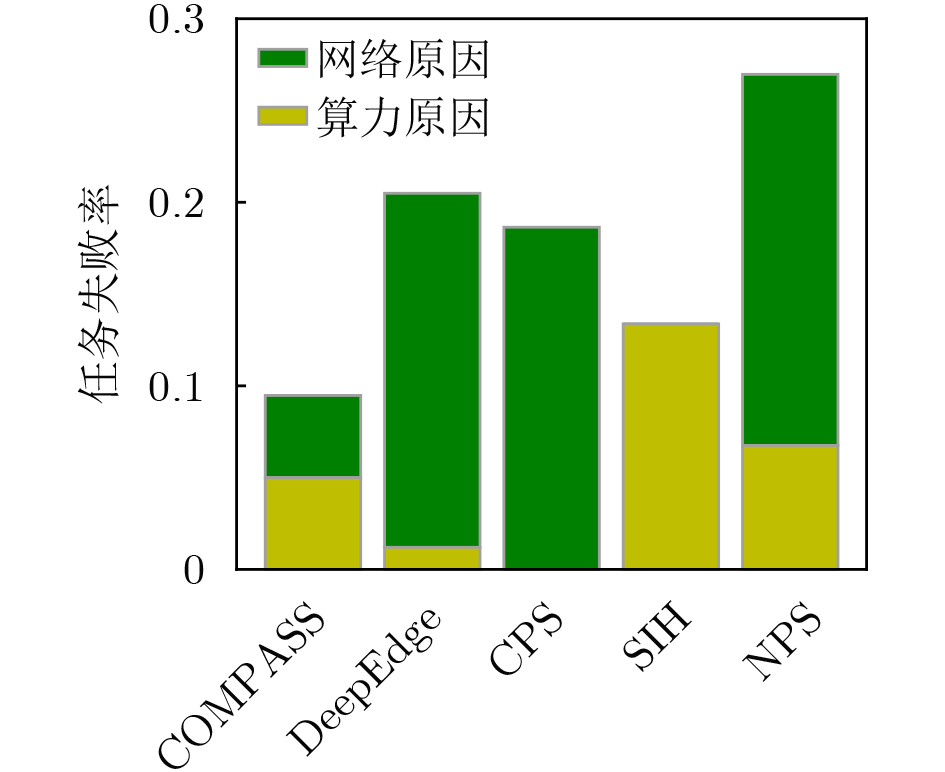
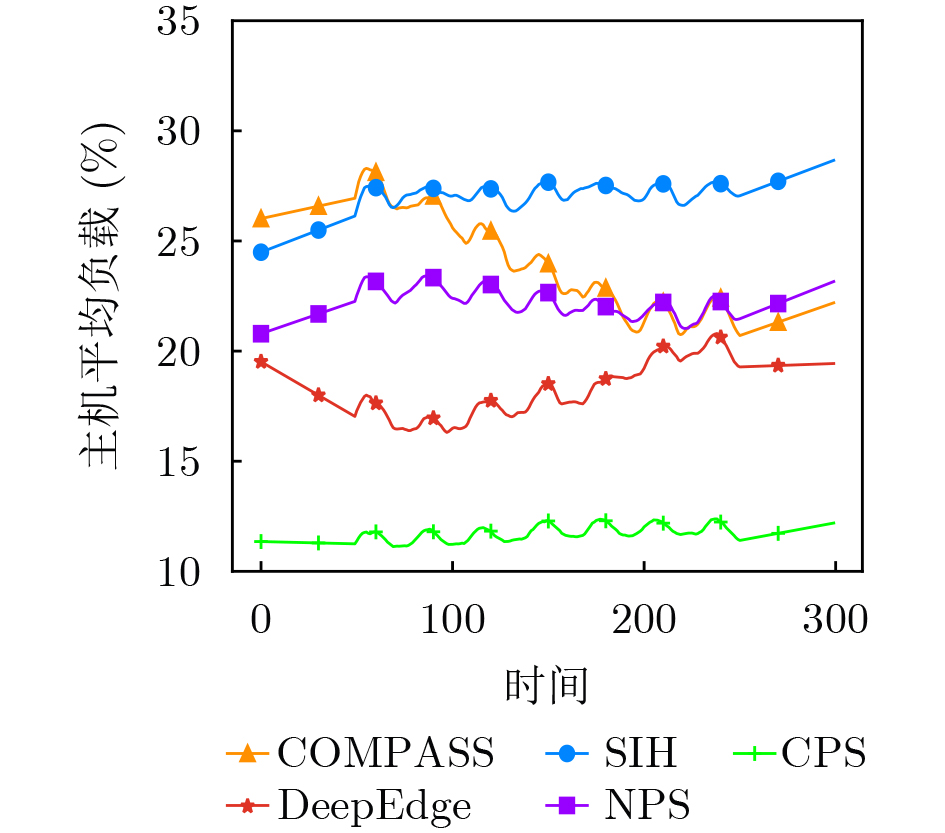
Data-Driven Secure Control for Cyber-Physical Systems under Denial-of-Service Attacks: An Online Mode-Dependent Switching-Q-Learning Strategy
ZHANG Ruifeng, YANG Rongni
Available online  , doi: 10.11999/JEIT250746
Abstract:
  Objective   The open network architecture of cyber-physical systems (CPSs) enables remarkable flexibility and scalability, but it also renders CPSs highly vulnerable to cyber-attacks. Particularly, denial-of-service (DoS) attacks have emerged as one of the predominant threats, which can cause packet loss and reduce system performance by directly jamming channels. On the other hand, CPSs under dormant and active DoS attacks can be regarded as dual-mode switched systems with stable and unstable subsystems, respectively. Therefore, it is worth exploring how to utilize the switched system theory to design a secure control approach with high degrees of freedom and low conservatism. However, due to the influence of complex environments such as attacks and noises, it is difficult to model practical CPSs exactly. Currently, although a Q-learning-based control method demonstrates potential for handling unknown CPSs, the significant research gap exists in switched systems with unstable modes, particularly for establishing the evaluable stability criterion. Therefore, it remains to be investigated for unknown CPSs under DoS attacks to apply switched system theory to design the learning-based control algorithm and evaluable security criterion.   Methods   An online mode-dependent switching-Q-learning strategy is presented to study the data-driven evaluable criterion and secure control for unknown CPSs under DoS attacks. Initially, the CPSs under dormant and active DoS attacks are transformed into switched systems with stable and unstable subsystems, respectively. Subsequently, the optimal control problem of the value function is addressed for the model-based switched systems by designing a new generalized switching algebraic Riccati equation (GSARE) and obtaining the corresponding mode-dependent optimal security controller. Furthermore, the existence and uniqueness of the GSARE’s solution are proved. In what follows, with the help of model-based results, a data-driven optimal security control law is proposed by developing a novel online mode-dependent switching-Q-learning control algorithm. Finally, through utilizing the learned control gain and parameter matrices from the above algorithm, a data-driven evaluable security criterion with the attack frequency and duration is established based on the switching constraints and subsystem constraints.   Results and Discussions   In order to verify the efficiency and advantage of the proposed methods, comparative experiments of the wheeled robot are displayed in this work. Firstly, compare the model-based result (Theorem 1) and the data-driven result (Algorithm 1) as follows: From the iterative process curves of control gain and parameter matrices (Fig. 2 and Fig. 3), it can be observed that the optimal control gain and parameter matrices under threshold errors can all be successfully obtained from both the model-based GSARE and the data-driven algorithm. Meanwhile, the tracking errors of CPSs can converge to 0 by utilizing the above data-driven controller (Fig. 5), which ensures the exponential stability of CPSs and verifies the efficiency of our proposed switching-Q-learning algorithm. Secondly, it is evident from learning process curves (Fig.4) that although the initial value of the learned control gain is not stabilizable, the optimal control gain can still be successfully learned to stabilize the system from Algorithm 1. This result significantly reduces conservatism compared to existing Q-learning approaches, which take stabilizable initial control gains as the learning premise. Thirdly, compare the data-driven evaluable security criterion in Theorem 2 of this work and existing criteria as follows: While the switching parameters learned from Algorithm 1 do not satisfy the popular switching constraint to obtain the model dwell-time, by utilizing the evaluable security criterion proposed in this paper, the attack frequency and duration are obtained based on the new switching constraints and subsystem constraints. Furthermore, it is seen from the comparison of the evaluable security criteria (Tab.1) that our proposed evaluable security criterion is less conservative than the existing evaluable criteria. Finally, the learned optimal controller and the obtained DoS attack constraints are applied to the tracking control experiment of a wheeled robot under DoS attacks, and the result is compared with existing results via Q-learning controllers. It is evident from the tracking trajectory comparisons of the robot (Fig.6 and Fig.7) that the robot enables significantly faster and more accurate trajectory tracking with the help of our proposed switching-Q-learning controller. Therefore, the efficiency and advantage of the proposed algorithm and criterion in this work are verified.   Conclusions   Based on the learning strategy and the switched system theory, this study presents an online mode-dependent switching-Q-learning control algorithm and the corresponding evaluable security criterion for the unknown CPSs under DoS attacks. The detailed results are provided as follows: (1) By representing the unknown CPSs under dormant and active DoS attacks as unknown switched systems with stable and unstable subsystems, respectively, the security problem of CPSs under DoS attacks is transformed into a stabilization problem of the switched systems, which offers high design freedom and low conservatism. (2) A novel online mode-dependent switching-Q-learning control algorithm is developed for unknown switched systems with unstable modes. Through the comparative experiments, the proposed switching-Q-learning algorithm effectively increases the design freedom of controllers and decreases conservatism over existing Q-learning algorithms. (3) A new data-driven evaluable security criterion with the attack frequency and duration is established based on the switching constraints and subsystem constraints. It is evident from the comparative criteria that the proposed criterion demonstrates significantly reduced conservatism over existing evaluable criteria via single subsystem constraints and traditional model dwell-time constraints.
A Sparse-Reconstruction-Based Fast Localization Algorithm for Mixed Far-Field and Near-Field Sources
FU Shijian, QIU Longhao, LIANG Guolong
Available online  , doi: 10.11999/JEIT250165
Abstract:
  Objective  Source localization is a critical research area in array signal processing, with applications in radar, sonar, and wireless communications. Traditional localization methods, which are based on either far-field or near-field models individually, face significant challenges in effectively separating and localizing mixed far-field and near-field sources. Existing algorithms, such as subspace-based methods, suffer from high computational complexity, limited localization accuracy, and degraded performance in low Signal-to-Noise Ratio (SNR) scenarios. In addition, these methods assume that near-field sources are located within the Fresnel Region, leading to localization errors and a reduction in effective array aperture. Improved algorithms, such as Multiple Sparse Bayesian Learning for Far and Near-field sources (FN-MSBL), successfully overcame these limitations and achieved higher localization accuracy. However, the high computational cost of matrix inversion during each iteration restricts its real-time applicability. Therefore, this paper aims to address these limitations and issues by proposing a novel algorithm that not only develops a sparse representation model for mixed near-field and far-field sources based on the covariance domain but also integrates sparse reconstruction with the Generalized Approximate Message Passing (GAMP) and Variational Bayesian Inference (VBI) frameworks. The primary goal is to achieve high-precision localization of mixed sources while significantly reducing computational costs, thereby enabling real-time applicability.  Methods  The proposed algorithms, termed Covariance-based VBI for Far and Near-field sources (FN-CVBI) and Covariance-based GAMP-VBI for Far and Near-field sources (FN-GAMP-CVBI), are developed through several key methods. First, a unified sparse representation model for mixed far-field and near-field sources is constructed based on the covariance vector. This model leverages the improved SNR of the covariance vector compared to the original array output, enabling more accurate far-field Direction Of Arrival (DOA) estimation. Second, to mitigate the estimation errors in the sample covariance matrix, a pre-whitening operation is applied to the covariance vector. This step effectively minimizes the correlation between the elements of the covariance vector, thereby enhancing the robustness of the sparse reconstruction algorithm. Third, a hierarchical Bayesian model is established to enforce sparsity, and VBI is employed to estimate the parameters. The VBI framework iteratively updates the posterior distributions of the hidden variables, ensuring convergence to a near-optimal solution. Fourth, to address the significant computational complexity associated with traditional VBI methods, the GAMP algorithm is embedded into the VBI framework. GAMP replaces the computationally expensive matrix inversion operations in VBI, significantly reducing the computational burden. The detailed implementation steps of GAMP are provided in Table 1. In conclusion, by combining the advantages of sparse reconstruction, VBI, and GAMP, the proposed algorithm not only improves localization accuracy but also significantly reduces computational complexity, making it suitable for real-time applications.  Results and Discussions  The proposed algorithm FN-GAMP-CVBI demonstrates significant improvements in both localization accuracy and computational efficiency. Computational complexity analysis demonstrates that the algorithm significantly reduces computational costs (Table 2). In terms of localization accuracy, the proposed algorithms, FN-CVBI and FN-GAMP-CVBI, both outperform compared methods such as LOFNS and FN-MSBL (Fig.3, Fig.4), particularly in low SNR and sufficient snapshots scenarios (Fig.5, Fig.6), and demonstrate superior performance in resolving closely spaced far-field sources (Fig.7). Experimental validation using lake trial data further confirms the effectiveness of the proposed algorithms, as evidenced by sharper spectral peaks and minimal false peaks in the background noise of Bearing Time Recording (BTR) (Fig.9). In addition, FN-CVBI achieves the highest accuracy in far-field DOA estimation and near-field localization. The computational time of FN-GAMP-CVBI is reduced by up to 95% compared to FN-MSBL, making the algorithm highly efficient for real-time applications (Table 4). Overall, the proposed FN-GAMP-CVBI algorithm strikes an effective balance between localization accuracy and computational efficiency.  Conclusions  This paper presents a novel approach to mixed far-field and near-field source localization by integrating sparse reconstruction with the GAMP-VBI framework. The proposed FN-GAMP-CVBI algorithm addresses the limitations of traditional methods, offering a balanced trade-off between computational efficiency and localization accuracy. The simulation results demonstrate superior performance, particularly in scenarios with sufficient snapshots and low SNR. Experimental validation further confirms the effectiveness and efficiency of the proposed algorithms. Overall, the proposed FN-GAMP-CVBI algorithm strikes an effective balance between localization accuracy and computational efficiency. Its ability to simultaneously handle both far-field and near-field sources, combined with its low computational complexity, positions it as a promising solution for real-time mixed source localization in complex environments.
Application of WAM Data Set and Classification Method of Electromagnetic Wave Absorbing Materials
YUAN Yuyang, ZHANG Junhan, LI Dandan, SHA Jian jun
Available online  , doi: 10.11999/JEIT250166
Abstract:
The performance of electromagnetic radiation shielding and absorbing materials is mainly determined by thickness, maximum reflection loss, and effective absorption bandwidth. Research focuses on metal-organic frameworks, carbon-based, and ceramic absorbing materials, and weak artificial intelligence is used to analyze the WAM (Wave Absorption Materials) dataset. After dividing the dataset into training and testing sets, data augmentation and correlation and principal component analysis are conducted. The decision tree algorithm is used to establish classification indicators, and it is found that the reflection loss of MOFs (Metal Organic Frameworks) materials is better than that of carbon-based materials, and MOFs materials are more likely to meet the maximum reflection loss value of less than –45 dB. The generalization performance of the random forest algorithm is better than that of the decision tree algorithm, and the ROC-AUC value is higher. The neural network is used for classification research, and the results show that the self-organizing mapping neural network performs better in classification, while the probabilistic neural network has a poor effect. After extending the binary classification problem to a three-class classification problem, nonlinear classification, clustering, and Boosting algorithms are used, and it is found that the maximum reflection loss is a key indicator. Further analysis shows that the WAM dataset is nonlinearly separable, and the fuzzy clustering effect is better.Artificial intelligence helps to reveal the relationship between material properties and absorbing performance, accelerate the development of new materials, and support the construction of the knowledge graph and knowledge base of absorbing materials.  Objective   Computational materials science, high-throughput experimentation, and the Materials Genome Initiative (MGI) have become prominent research frontiers in materials science. The Materials Genome Initiative serves as a strategic framework and developmental roadmap aimed at advancing materials research through artificial intelligence. Similar to gene sequencing in bioinformatics, its primary goal is to facilitate the discovery of novel material compositions and structures. Extracting valuable insights from large-scale datasets contributes significantly to cost reduction, efficiency improvement, interdisciplinary integration, and leapfrog advancements in materials development. Big data analytics, high-performance computing, and advanced algorithms constitute the foundational pillars of this initiative, providing critical support for the research and development of new materials. However, a prerequisite for discovering new material compositions and structures lies in the effective screening of candidate materials to identify those with outstanding properties that satisfy engineering application requirements. This necessitates the construction of comprehensive datasets, the development of robust classification algorithms, further enhancement of model generalization capabilities, and the advancement of associated application software.  Methods   This study was conducted using pattern recognition methods. First, a self-developed Wave-Absorbing Materials (WAM) dataset was constructed, comprising a test set and a validation set. Data preprocessing was carried out initially, which included data augmentation, data merging, and principal component analysis. Decision trees and random forests were employed to establish classification indicators and define the basis for classification. Self-Organizing Maps (SOM) and Probabilistic Neural Networks (PNN) were utilized for the classification task. Finally, the accuracy rates of different clustering algorithms were compared, revealing that the fuzzy clustering algorithm demonstrated relatively superior performance and was capable of achieving satisfactory results.  Results and Discussions   It was found that the reflection loss of MOFs (Metal Organic Frameworks) materials is superior to that of carbon-based materials. Semantic segmentation algorithms are not applicable to the classification of the WAM dataset. The classification accuracy of SOM is better than that of PNN. The WAM dataset is not linearly separable, and the classification results depend on the data distribution characteristics of the dataset itself. The maximum reflection loss is the key indicator for classification.  Conclusions   For the construction of the dataset of absorbing materials, a self-created WAM dataset was first built, which solved the problem that there was no dataset for the study of absorbing materials using pattern recognition reported in the known literature. The performance of various algorithms was compared and studied, and the optimal algorithm was determined based on the characteristics of the dataset. The traditional binary classification problem was extended to three classifications, preparing for the next step of multi-classification problem research. The use of artificial intelligence algorithms is conducive to improving the credibility and reliability of the research, and is beneficial to saving time costs and human resources. This method can explore the relationship between material properties and absorbing performance. It is conducive to shortening the research and development cycle, providing assistance for the screening of new materials, and providing support for the construction of the knowledge base of absorbing materials. The useful knowledge extracted from WAM is troubled by the problem of data sparsity, so there are certain limitations to artificial intelligence.
A Reliable Service Chain Option for Global Migration of Intelligent Twins in Vehicular Metaverses
QIU Xianyi, WEN Jinbo, KANG Jiawen, ZHANG Tao, CAI Chengjun, LIU Jiqiang, XIAO Ming
Available online  , doi: 10.11999/JEIT250612
Abstract:
  Objective  As an emerging paradigm for integrating and evolving metaverses and intelligent transportation systems, vehicle metaverses are gradually becoming a key driving force for transforming the automotive industry. In this context, intelligent twins serve as digital copies that cover the entire lifecycle of vehicles and manage vehicular applications, providing users with immersive vehicular services. However, due to cybersecurity threats, particularly Distributed Denial of Service (DDoS) attacks, the seamless migration of intelligent twins across different RoadSide Units (RSUs) leads to challenges such as excessive data transmission delays and data leakage. This paper proposes a globally optimized scheme for secure dynamic intelligent twin migration based on RSU chains, aimed at addressing data transmission latency and network security issues in vehicular metaverses, ensuring that intelligent twins can be reliably and securely migrated through RSU chains even under various types of DDoS attacks.  Methods  Firstly, a set of reliable RSU chains is constructed through an RSU communication interruption-free mechanism, enabling the rational deployment of intelligent twins for seamless RSU connectivity. This mechanism ensures continuous communication by dynamically adjusting RSU chain configurations based on real-time network conditions and vehicle movements. Then, the secure migration problem of intelligent twins along these RSU chains is modeled as a Partially Observable Markov Decision Process (POMDP). The POMDP framework captures dynamic network state variables such as RSU loads, available bandwidth, computational capacity, and attack types. These variables are continuously monitored to inform decision-making processes. The migration efficiency and security evaluation of RSU chains are based on the total migration delay and the number of DDoS attacks encountered, which are then used as reward functions to optimize decisions. Over time, the DRL agents learn from interactions with the environment, optimizing the selections of RSU chains for secure and efficient intelligent twin migration. Through this algorithm, the proposed scheme effectively addresses the issue of excessive data transmission delays in vehicular metaverses caused by network attacks, ensuring reliable and secure intelligent twin migration even under various types of DDoS attacks.  Results and Discussions  The proposed secure dynamic intelligent twin migration scheme is based on the MADRL framework to select efficient and secure RSU chains in the POMDP. By defining an appropriate reward function, the the efficiency and security performance of intelligent twin migration across RSU chains are evaluated by assessing the impact of varying RSU chain lengths and different attack scenarios on system performance. Simulation results demonstrate that the proposed scheme can effectively enhance the security of intelligent twin migration in vehicular metaverses. Specifically, shorter RSU chains achieve lower migration delays than longer chains due to fewer handovers and lower communication overhead (Fig. 2). Additionally, the total reward reaches its maximum value when the RSU chain length is 6 (Fig. 3). The MADQN approach demonstrates strong defense capabilities against DDoS attacks. Under direct attacks, the MADQN approach yields final rewards that are 65.3% and 51.8% higher than those achieved by the random and greedy strategies, respectively. Against indirect attacks, MADQN improves upon other approaches by 9.3%. Under hybrid attack conditions, MADQN raises the final reward by 29% and 30.9% compared with the random and greedy strategies, respectively (Fig. 4), which shows the effectiveness and advantages of the DRL-based defense strategy in dealing with complex and dynamic attacks. Additionally, as indicated by experimental results (Figs. 5-7), when compared with other DRL algorithms such as PPO, A2C, and QR-DQN, the MADQN algorithm demonstrates superior performance under direct, indirect, and hybrid DDoS attacks. In conclusion, the proposed scheme ensures reliable and efficient intelligent twin migration across RSUs, even under diverse security threats, thereby supporting high-quality interactions in vehicular metaverses.  Conclusions  This study addresses the challenge of ensuring secure and efficient global migration of intelligent twins in vehicular metaverses by integrating RSU chains with a POMDP-based optimization framework. By utilizing the MADQN algorithm, the proposed scheme enhances the efficiency and security of intelligent twin migration under various network conditions and attack scenarios. Simulation results show that the efficiency and security of intelligent twin migration have been significantly enhanced. On the one hand, under the same driving route, shorter RSU chains are associated with higher migration efficiency and stronger security defense capabilities. On the other hand, when facing various types of DDoS attacks, MADQN consistently outperforms other baseline algorithms. The results show that the MADQN algorithm achieves higher final rewards than random and greedy strategies in various attack scenarios. Compared with other DRL algorithms, MADQN increases the final reward by as much as 50.1%. It indicates that MADQN offers superior reward outcomes and greater adaptability in complex attack environments. For future work, we will focus on further improving the communication security of RSU chains, such as implementing authentication mechanisms to ensure that only authenticated vehicles can access RSU edge communication networks.
Complete Coverage Path Planning Algorithm Based on Rulkov-like Chaotic Mapping
LIU Sicong, HE Ming, LI Chunbiao, HAN Wei, LIU Chengzhuo, XIA Hengyu
Available online  , doi: 10.11999/JEIT250887
Abstract:
  Objective  This study proposes a novel complete coverage path planning (CCPP) algorithm based on a sine-constrained Rolkov-like hyper-chaotic (SRHC) mapping, addressing critical challenges in robotic path planning. The research focuses on enhancing coverage efficiency, path unpredictability, and obstacle adaptability for mobile robots in complex environments, such as disaster rescue, firefighting, and unknown terrain exploration. Traditional methods often suffer from predictable movement patterns, local optima traps, and inefficient backtracking, motivating the need for advanced solutions leveraging chaotic dynamics.  Methods  The SRHC-CCPP algorithm integrates: 1. SRHC Mapping A hyper-chaotic system with nonlinear coupling (Eq. 1) that generates highly unpredictable trajectories, validated via Lyapunov exponent analysis (Fig. 3a–b). Phase-space diagrams (Fig. 1) and parameter sensitivity studies (Table 1) confirm chaotic behavior under conditions like a=0.01a=0.01, b=1.3b=1.3. 2. Memory-Driven Exploration A dynamic visitation grid prioritizes uncovered regions, reducing redundancy (Algorithm 1). 3. Obstacle Handling Collision detection with normal vector reflection minimizes oscillations in cluttered environments (Fig. 4). Simulations employed a Mecanum-wheel robot model (Eq. 2) for omnidirectional mobility.  Results and Discussions  1. Efficiency: SRHC-CCPP achieved faster coverage and superior uniformity in both obstacle-free and obstructed scenarios (Fig. 56). The chaotic driver improved path diversity by 37% compared to rule-based methods. 2. Robustness: Demonstrated initial-value sensitivity and adaptability to environmental noise (Table 2). 3. Scalability: Low computational overhead enabled deployment in large-scale grids (>104 cells).  Conclusions  The SRHC-CCPP algorithm advances robotic path planning by: 1. Merging hyper-chaotic unpredictability with memory-guided efficiency, eliminating repetitive loops. 2. Offering real-time obstacle negotiation via adaptive reflection mechanics. 3. Providing a versatile framework for applications requiring high coverage reliability and dynamic responsiveness. Future work may explore multi-agent extensions and 3D environments.
Multi-Channel Switching Array DOA Estimation Algorithm Based on FRIDA
CHEN Tao, XI Haolin, ZHAN Lei, YU Yuwei
Available online  , doi: 10.11999/JEIT250350
Abstract:
  Objective  With the increasing complexity of the electromagnetic environment, the requirements for estimation accuracy in practical direction finding systems are rising. Increasing the size of the antenna array is an effective means of improving the estimation accuracy of the actual direction finding system, but increasing the size of the antenna significantly increases the complexity of the actual direction finding system. This paper aims to reduce the number of channels used while maintaining the performance of DOA estimation for full-channel data. By combining the advantages of the channel compression algorithm in reducing the number of channels used with the structure of time-modulated arrays that incorporate switches in the RF front-end, This paper proposes a Multi-Channel Switching Array DOA Estimation Algorithm Based on FRIDA.  Methods  The algorithm first introduces a selection matrix consisting of switches between the antenna array and the channel, which is responsible for passing the signal data received by the particular antenna selected into the channel, i.e., a particular subarray is selected to receive the data through the selection matrix. Switching different subarrays to collect different less channel received data covariance matrix, by stipulating the common array elements in each subarray to ensure the phase consistency in the covariance matrix, these covariance matrices recover the dimensionality of the covariance matrix after the weighted summation to obtain the total covariance matrix. The total covariance matrix is weighted and summed to obtain the full-channel received data vector after weighting and summing the elements of the total covariance matrix that correspond to the same spacing of the array elements. The FRI reconstruction model is then constructed using the full-channel received data vector, and finally the estimated incident angle is obtained by using the proximal gradient descent algorithm together with the parameter recovery algorithm.  Results and Discussions  Simulation results of DOA estimation for SA-FRI at multiple source incidence show that: the full-channel received data vectors constructed using multiple covariance matrices of the less-channeled received data are able to discriminate multi-source incident signals, and their performance in this aspect is approximately the same as that of the full-channeled received data(Fig 2). Simulation results of the estimation accuracy with the number of snapshots and SNR under different channel numbers show that the estimation accuracy of the algorithm proposed in this paper with different channel numbers increases with the number of snapshots and SNR, and the more channels are used, the higher the DOA estimation accuracy is under the same SNR and the number of snapshots (Fig 3, Fig 4). Simulation results of DOA estimation accuracy of four different algorithms under different SNR and number of snapshots show that the DOA estimation accuracy of the four algorithms increases with the increase of SNR and number of snapshots, and the algorithms proposed in this paper outperform the other algorithms under the same conditions(Fig 5, Fig 6). Meanwhile, the same results were obtained by verifying the actual measured data(Fig 9), which further proved the effectiveness of the algorithm proposed in this paper.  Conclusions  Aiming at the problem of how to reduce the number of channels used in the actual DOA estimation system, this paper proposes an array switching DOA estimation based on proximal gradient descent. The algorithm firstly reduces the number of channels using the switching matrix, and then obtains multiple covariance matrices by switching different subarray access channels for multiple acquisitions, uses these covariance matrices to recover and complete the covariance matrix of the full-channel received data, and uses the matrix, and finally obtains the estimation of the DOA parameter of the incident signal by using the proximal gradient descent algorithm. At the same time, the simulation verifies that the proposed algorithm can reduce the use of channels under the premise of guaranteeing certain estimation accuracy. In addition, the effectiveness of the algorithm is further verified by the DOA estimation of the measured data collected through the actual DOA estimation system, which obtains results similar to those of the simulation.
Kepler’s Laws Inspired Single Image Detail Enhancement Algorithm
JIANG He, SUN Mang, ZHENG Zhou, WU Peilin, CHENG Deqiang, ZHOU Chen
Available online  , doi: 10.11999/JEIT250455
Abstract:
  Objective  In recent years, single-image detail enhancement based on residual learning have attracted extensive attention. These algorithms update the residual layer by leveraging the similarity between the residual layer and the detail layer, and then linearly combine it with the original image to enhance image details. However, this update process is a greedy algorithm, which is prone to trapping the system in local optima, thereby limiting the overall performance. Inspired by Kepler’s laws, this study analogizes the residual update to the dynamic adjustment of planetary positions. By applying Kepler's laws and calculating the global optimal position of the planets, precise updates of the residual layer are achieved.  Methods  The input image is divided into multiple blocks. For each block, its candidate blocks are regarded as “lanets”, and the best matching block is treated as a “star”. The positions of the “planets” and the “star” are updated by calculating the differences between each “planet” and the original image block until the positions converge, thereby determining the location of the global optimal matching block.  Results and Discussions  In this study, 16 algorithms are tested on three datasets at two different magnification levels (Table 1). The test results show that the proposed algorithm performs excellently in both PSNR and SSIM evaluations. During the detail enhancement process, compared with other algorithms, the proposed algorithm demonstrates stronger edge preservation capabilities (Fig.7). However, the algorithm proposed in this paper is not robust to noise (Fig.8-Fig.10), and the performance of the detail-enhanced images continues to decline as the noise intensity increases (Fig.11). Both the initial gravitational constant and the gravitational attenuation rate constant show a fluctuating trend, that is, they first increase and then decrease (Fig.12). When the gradient loss and texture loss weights are set to 0.001, the KLDE system achieves the best performance (Fig.13).  Conclusions  This study proposes a single-image detail enhancement algorithm inspired by Keple’s laws. By analogizing the residual update process to the dynamic adjustment of planetary positions, the algorithm utilizes Kepler's laws to optimize the update of residual layers, alleviating the local optimum problem caused by greedy search and achieving more precise image detail enhancement. Experimental results show that this algorithm outperforms existing methods in both visual effects and quantitative metrics, and can achieve natural enhancement performance. However, it is worth noting that the algorithm has a relatively long running time, with the computational bottleneck being limited by the iterative update of candidate blocks and the calculation of parameters such as gravity. Future work will focus on optimizing the algorithm structure to reduce invalid searches and improve system operation efficiency. Additionally, this algorithm does not require training and has good performance, and it shows potential and promotion value in scenarios such as high-precision offline image enhancement.
T3FRNet: A Cloth-Changing Person Re-identification via Texture-aware Transformer Tuning Fine-grained Reconstruction method
ZHUANG Jianjun, WANG Nan
Available online  , doi: 10.11999/JEIT250476
Abstract:
  Objective  Compared to conventional person re-identification, Cloth-Changing person Re-Identification (CC Re-ID) requires moving beyond the reliance on the stability of a person’s appearance features over time, instead demanding models with greater robustness and generalization capabilities to address real-world application scenarios. Existing deep feature representation methods can leverage salient regions or attribute information to obtain discriminative features and mitigate the impact of clothing variations, yet their performance often degrades under changing environments. To address the challenges of effective feature extraction and limited training samples in CC Re-ID tasks, this paper proposes a novel Texture-aware Transformer Tuning Fine-grained Reconstruction Network (T3FRNet), which aims to fully exploit fine-grained information within person images, enhance the robustness of feature learning, and reduce the adverse impact of clothing changes on model performance, ultimately overcoming performance bottlenecks under scene variations.  Methods  To better compensate for the limitations of local receptive fields, T3FRNet incorporates a Transformer-based attention mechanism into the ResNet50 backbone, constructing a hybrid architecture named ResFormer50. This design facilitates spatial relational modeling on top of local features, enhancing the model’s perceptual capacity for feature extraction while maintaining a balance between efficiency and performance. The fine-grained Texture-Aware (TA) module concatenates processed texture features with deep semantic features, thereby improving the model’s recognition capability under clothing variations. Meanwhile, the Adaptive Hybrid Pooling (AHP) module performs channel-wise autonomous aggregation, enabling deeper and more refined mining of feature representations. This contributes to achieving a balance between global representation consistency and robustness to clothing changes. A novel Adaptive Fine-grained Reconstruction (AFR) strategy introduces adversarial perturbations and selective reconstruction at a fine-grained level. Without relying on explicit supervision, the AFR strategy significantly enhances the model’s robustness and generalization against clothing changes and local detail perturbations, thereby improving recognition accuracy in real-world scenarios. Finally, a Joint Perception Loss (JP-Loss) is designed by integrating fine-grained identity robustness loss, texture feature loss, the widely used identity classification loss, and triplet loss. This composite loss jointly supervises the model to learn robust fine-grained identity features, ultimately boosting its performance under challenging cloth-changing conditions.  Results and Discussions  To validate the effectiveness of the proposed model, extensive evaluations are conducted on two widely used CC Re-ID benchmarks, LTCC, PRCC and Celeb-reID, as well as a large-scale dataset, DeepChange (Table 1). Under cloth-changing scenarios, the model achieves Rank-1/mAP scores of 45.6%/19.8% on LTCC, 70.6%/69.1% on PRCC (Table 2), 64.6%/18.4% on Celeb-reID(Table 3), and 58.0%/20.8% on DeepChange (Table 4), outperforming existing state-of-the-art approaches. The TA module effectively extracts latent local texture details within person images and, in conjunction with the AFR strategy, performs fine-grained adversarial perturbations and selective reconstruction. This enhances fine-grained feature representations, enabling the proposed method to also achieve 96.2% Rank-1 and 89.3% mAP on the clothing-consistent Market-1501 dataset (Table 5). The introduction of the JP-Loss further supports the TA module and AFR strategy by enabling fine-grained adaptive regulation and clustering of texture-sensitive identity features (Table 6). Furthermore, when Transformer-based attention mechanism is integrated after stage2 of the ResNet50, the model achieves improved local structural perception and global context modeling with only a slight increase in computational overhead, thereby enhancing overall performance (Table 7). Additionally, setting the \begin{document}$ \beta $\end{document} parameter to 0.5 (Fig.5) enables the JP-Loss to effectively balance global texture consistency and local fine-grained discriminability, thereby enhancing the overall robustness and accuracy of CC Re-ID. Finally, visualization experiments based on the PRCC dataset (Fig.6) offer intuitive evidence of the model’s superior feature extraction capability and highlight the significance of the Transformer-based attention mechanism. The top 10 ranking retrieval results of the baseline model and T3FRNet in the clothing changing scenario (Fig.7) intuitively demonstrate that T3FRNet has better stability and accuracy.  Conclusions  This paper proposes a CC Re-ID method based on T3FRNet, composed of the ResFormer50 backbone, TA module, AHP module, AFR strategy, and JP-Loss. Extensive experiments conducted on four publicly available cloth-changing benchmarks and one clothing-consistent dataset demonstrate the effectiveness and superiority of the proposed approach. Under long-term scenarios, Rank-1/mAP on the LTCC and PRCC datasets achieve significant improvements of 16.8%/8.3% and 30.4%/32.9% respectively. The ResFormer50 backbone facilitates spatial relationship modeling on top of local fine-grained features, while the TA module and AFR strategy enhance the expressiveness of fine-grained representations. The AHP module effectively balances the model’s sensitivity to local textures with the stability of global features, thereby ensuring strong feature representation alongside robustness. JP-Loss assists the model in constraining fine-grained feature representations and performing adaptive regulation, thereby enhancing its generalization capability in diverse and challenging cloth-changing scenarios. Future work will focus on simplifying the model architecture to reduce computational complexity and latency, aiming to strike a better balance between high recognition accuracy and deployment efficiency.
Stealthy Path Planning Algorithm for UAV Swarm Based on Improved APF-RRT* Under Dynamic Threat
ZHANG Xinrui, SHI Chenguang, WU Zhifeng, WEN Wen, ZHOU Jianjiang
Available online  , doi: 10.11999/JEIT250554
Abstract:
  Objective  The efficient penetration and survivability of unmanned aerial vehicle (UAV) swarms in complex battlefield environments critically depend on robust trajectory planning. With the increasing deployment of advanced air defense systems—featuring radar network, anti-aircraft artillery and dynamic no-fly zones—conventional planning methods struggle to meet simultaneous requirements for stealth, feasibility, and safety. Although prior studies have contributed valuable insights into UAV swarm path planning, they present several limitations: (1) Most research focuses on detection models for single radars and does not sufficiently incorporate the coupling between UAV radar cross section (RCS) and stealth trajectory optimization; (2) UAV kinematic constraints are often treated independently of stealth characteristics; (3) Environmental threats are typically modeled as static and singular, overlooking real-time dynamic threats; (4) Stealth planning is predominantly studied for individual UAVs, with limited attention to swarm-level coordination. This work addresses these gaps by proposing a cooperative stealth trajectory planning framework that integrates real-time threat perception with swarm dynamics optimization, significantly enhancing survivability in contested airspace.  Methods  To overcome the aforementioned challenges, this paper proposes a stealth path planning algorithm for UAV swarm based on improved artificial potential field (APF) and rapidly-exploring random trees star (RRT*) framework under dynamic threat. First, a multi-threat environment model is constructed, incorporating radars, anti-aircraft artillery, and fixed obstacles. A comprehensive stealth cost function is developed by integrating UAV RCS characteristics, accounting for flight distance, radar detection probability, and artillery threat probability. Second, a stealth trajectory optimization model is formulated with the objective of minimizing the overall cost function, subject to strict constraints on UAV kinematics, swarm coordination, and path feasibility. To solve this model efficiently, an enhanced APF-RRT* algorithm is designed. A rolling-window strategy is introduced to facilitate continuous local replanning in response to dynamic threats, enabling real-time trajectory updates and improving responsiveness to sudden changes in the threat landscape. Furthermore, a target-biased sampling technique is applied to reduce sampling redundancy, thereby enhancing algorithmic convergence speed. By combining the global search capability of RRT* with the local adaptability of APF, the proposed approach enables UAV swarms to generate stealth-optimal paths in real time while maintaining high levels of safety and coordination in adversarial environments.  Results and Discussions  Simulation experiments validate the effectiveness of the proposed algorithm. During global path planning, some UAVs enter regions threatened by dynamic no-fly zones, radars, and artillery systems, while others successfully reach their destinations through unobstructed paths. In the local replanning phase, affected UAVs adaptively adjust their trajectories to minimize radar detection probability and overall stealth cost. When encountering mobile threats, UAVs perform lateral evasive maneuvers to avoid collisions and ensure mission completion. In contrast, the detection probabilities of the UAVs requiring replanning all exceed the specified threshold for networked radar detection under the comparison algorithms. This indicates that, in practical scenarios, the comparison algorithms fail to generate UAV swarm trajectories that meet platform safety requirements, rendering them ineffective. Comparative simulations demonstrate that the proposed method significantly outperforms existing approaches by reducing stealth costs and improving trajectory feasibility and swarm coordination. The algorithm achieves optimal swarm-level stealth and ensures safe and efficient penetration in dynamic environments.  Conclusions  This study addresses the problem of stealth trajectory planning for UAV swarms in dynamic threat environments by proposing an improved APF-RRT* algorithm. The following key findings are derived from extensive simulations conducted across different contested scenarios (Section 5): (1) The proposed algorithm reduces the voyage distance by 11.1km in scene 1 and 66.9km in scene 2 compared with the baseline RRT* method (Tab. 3, Tab. 5), primarily due to RCS-minimizing attitude adjustments by heading angle chang (Fig. 3, Fig. 6); (2) The networked radar detection probability remains below the 30% threshold for all UAVs (Fig. 4(a), Fig. 7(a)), whereas comparison algorithm exceed the safety limit of 98% of the group members at most (Fig. 4(b), Fig. 7(b), Fig. 9(a), Fig. 9(b)); (3) The rolling-window replanning mechanism enables real-time avoidance of mobile threats such as dynamic no-fly zones and anti-aircraft artillery (Fig. 5, Fig. 8), while simultaneously reducing the comprehensive trajectory cost by 9.0% in Scene 1 and 15.6% in Scene 2 compared with the baseline RRT method (Tab. 3, Tab. 5). (4) Cooperative constraints embedded in the planning algorithm maintain safe inter-UAV separation and jointly optimize swarm-level stealth performance (Fig. 2, Fig. 5, Fig. 8). These results collectively demonstrate the superiority of the proposed method in balancing stealth optimization, dynamic threat adaptation, and swarm kinematic feasibility. Future research will extend this framework to 3D complex terrain environments and integrate deep reinforcement learning to further enhance predictive threat response and battlefield adaptability.
Flexible Network Modal Packet Processing Pipeline Construction Mechanism for Cloud-Network Convergence Environment
ZHU Jun, XU Qi, ZHANG Fujun, WANG Yongjie, ZOU Tao, LONG Keping
Available online  , doi: 10.11999/JEIT250806
Abstract:
  Objective  With the deep integration of information network technologies and vertical application fields, the demand for cloud-network convergence infrastructure has become increasingly prominent, and the boundaries between cloud computing and network technologies are becoming more blurred. The development of cloud-network convergence technologies has given rise to diverse network service requirements, further posing new challenges for the flexible processing of multi-modal network packets. The device-level network modal packet processing flexible pipeline construction mechanism is key to realizing an integrated environment that supports a variety of network technologies. This mechanism constructs a protocol packet processing flexible pipeline architecture that, based on different network modals and service demands, customizes a series of protocol packet processing operations, including packet parsing, packet editing, and packet forwarding, thus improving the adaptability of networks in cloud-network convergence environments. This flexible design allows the pipeline processing flow to be adjusted according to actual service demands, meeting the functional and performance requirements of different network transmission scenarios.  Methods  The construction of a device-level flexible pipeline faces two major challenges: (1) how to flexibly process diverse network modal packet protocols based on polymorphic network element devices, requiring coordination of various heterogeneous resources to quickly identify, parse, and correctly handle network modal packets in various formats; (2) how to ensure that the pipeline construction is flexible, providing a mechanism to dynamically generate and configure pipeline structures. This mechanism should not only adjust the number of stages in the pipeline but also allow customization of the specific functions of each stage. To address these challenges, this paper proposes a polymorphic network element abstraction model that integrates heterogeneous resources. It employs a hyper-converged approach using high-performance switching ASIC chips paired with more programmable but slightly weaker FPGA and CPU devices at the device-level hardware architecture layer. Through the synergy of hardware and software, it meets the flexibility demands for unified support of custom network protocols. On the basis of the network element abstraction model, a protocol packet flexible processing compilation mechanism is further designed, constructing a flexible pipeline architecture that supports customizable configurations to accommodate different network service transmission requirements. It is a front-end, mid-end, back-end three-stage compilation architecture. At the same time, in response to the adaptive issues between differentiated network modal demands and heterogeneous resources, a flexible pipeline technology based on IR slicing is proposed. This approach precisely decomposes and reconstructs the integrated IR of multiple network modals into several IR subsets according to specific optimization methods, ensuring the original functionality and semantics, thus enabling flexible customization of the network modal processing pipeline through collaborative handling of heterogeneous resources. By utilizing an intermediate representation slicing algorithm, this mechanism decomposes and maps hybrid processing logic of multiple network modalities onto heterogeneous hardware resources such as ASICs, FPGAs, and CPUs, thereby constructing a custom-configurable flexible pipeline that adapts to various network service transmission requirements.  Results and Discussions  To demonstrate the construction effect of the flexible pipeline, this paper introduces a prototype verification system for polymorphic network elements. As shown in Fig. 6, the system is equipped with Centec CTC8180 switch chips, multiple domestic FPGA chips, and domestic multi-core CPU chips. On this polymorphic network element prototype verification system, protocol processing pipelines for IPv4, GEO, and MF network modals were constructed, compiled, and deployed. As shown in Fig. 7, actual packet capture tests have verified that different network modals use different packet processing pipelines. To validate the core mechanism of network modal flexible pipeline construction, we compared the IR code size before and after slicing under the three network modals and network modal allocation strategies in Section 6.2. The integrated P4 code for the three network modals, after front-end compilation, produced an unsliced intermediate code of 32,717 lines. According to the modal allocation scheme, slicing was performed during the middle-end compilation stage, resulting in IR slices for ASIC, CPU, and FPGA with code sizes of 23,164, 23,282, and 22,772 lines, respectively. Finally, the performance of multi-modal protocol packet processing was evaluated, focusing on the impact of different traffic allocation schemes on the network modal protocol packet processing performance. According to the experimental results in Fig. 9, it can be observed that the average packet processing delay for Scheme 1 is significantly higher than the other schemes, reaching 4.237 milliseconds. In contrast, the average forwarding processing delay for Schemes 2, 3, and 4 decreased to 54.16 microseconds, 32.63 microseconds, and 15.48 microseconds, respectively. This shows that with changes in the traffic allocation strategy, especially the adjustment of CPU resources for GEO and MF modals, network packet processing bottlenecks can be effectively reduced, thereby significantly improving multi-modal network communication efficiency.  Conclusions  Experimental evaluations confirm the superiority of the proposed flexible pipeline in terms of construction effects and functional fulfillment. The results show that the proposed method can effectively address complex network environments and diverse service demands, demonstrating strong performance. Future work will further optimize this architecture and expand its applicability, aiming to provide more powerful and flexible technical support for network packet processing in hyper-converged cloud-network environments.
A Test-Time Adaptive Method for Nighttime Image-Aided Beam Prediction
SUN kunayng, YAO Rui, ZHU Hancheng, ZHAO JIaqi, LI Xixi, HU Dianlin, HUANG Wei
Available online  , doi: 10.11999/JEIT250530
Abstract:
To address the high latency of traditional beam management methods in dynamic scenarios and the severe performance degradation of vision-aided beam prediction under adverse environmental conditions in millimeter-wave (mmWave) communication systems, this work proposes a nighttime image-assisted beam prediction method based on test-time adaptation (TTA). While mmWave communications rely on massive multiple input multiple output (MIMO) technology to achieve high-gain narrow beam alignment, conventional beam scanning mechanisms suffer from exponential complexity and latency bottlenecks, failing to meet the demands of high-mobility scenarios such as vehicular networks. Existing vision-assisted approaches employ deep learning models to extract image features and map them to beam parameters. However, in low-light, rainy, or foggy environments, the distribution shift between training data and real-time image features leads to a drastic decline in prediction accuracy. This work innovatively introduces a TTA mechanism, overcoming the limitations of conventional static inference paradigms. By performing a single gradient back propagation for entire model parameters during inference on real-time low-quality images, the proposed method dynamically aligns cross-domain feature distributions without requiring prior collection or annotation of adverse scenario data. Besides, an entropy minimization-based consistency learning strategy is designed to enforce prediction consistency between original and augmented views, driving model parameter updates toward maximizing prediction confidence and reducing uncertainty. Experimental results on real-world nighttime scenarios demonstrate that the proposed method achieves a top-3 beam prediction accuracy of 93.01%, outperforming static schemes by almost20% and significantly surpassing traditional low-light enhancement approaches. Leveraging the cross-domain consistency of background semantics in fixed-base-station deployment scenarios, this lightweight online adaptation mechanism enhances model robustness, offering a novel pathway for efficient beam management in mmWave systems operating in complex open environments.  Objective  Millimeter-wave communication, a cornerstone of 5G and beyond, relies on massive multiple-input multiple-output (MIMO) architectures to mitigate severe path loss through high-gain narrow beam alignment. However, traditional beam management schemes, dependent on exhaustive beam scanning and channel measurement, incur exponential complexity and latency (hundreds of milliseconds), rendering them impractical for high-mobility scenarios like vehicular networks. Vision-aided beam prediction has emerged as a promising solution, leveraging deep learning to map visual features (e.g., user location, motion) to optimal beam parameters. Despite its daytime success (>90% accuracy), this approach suffers catastrophic performance degradation under low-light, rain, or fog due to domain shifts between training data (e.g., daylight images) and real-time degraded inputs. Existing solutions rely on costly offline data augmentation with limited generalization to unseen harsh environment. This work addresses these limitations by proposing a lightweight, online adaptation framework that dynamically aligns cross-domain features during inference, eliminating the need for pre-collected harsh environment data. The necessity lies in enabling robust mmWave communications in unpredictable environments, a critical step toward practical deployment in autonomous driving and industrial IoT.  Methods  This TTA method operates in three stages. First, a pre-trained beam prediction model (ResNet-18 backbone) is initialized using daylight images and labeled beam indices. During inference, real-time low-quality nighttime images are fed into two parallel pipelines: (1) the original view and (2) a data-augmented view incorporating Gaussian noise. A consistency loss minimizes the prediction distance between these two views, enforcing robustness against local feature perturbations. Simultaneously, an entropy minimization loss sharpens the output probability distribution by penalizing high prediction uncertainty. These combined losses drive single-step gradient back propagation to update the model's entire parameters. This process aligns feature distributions between the training (daylight) and testing (nighttime) domains without altering the global semantic understanding, as illustrated in Fig. 2. The system architecture integrates a roadside base station equipped with an RGB camera and a 32-element antenna array, capturing environmental data and executing real-time beam prediction.  Results and Discussions  Experiments on a real-world dataset demonstrate the method’s superiority. Under nighttime conditions, the proposed TTA framework achieves 93.01% top-3 beam prediction accuracy, outperforming static inference (71.25%) and traditional low-light enhancement methods (85.27%) (Table 3). Ablation studies confirm the effectiveness of both the online feature alignment method designed for small-batch data (Table 4) and the entropy minimization with multi-view consistency learning (Table 5). Figure 4 illustrates the continuous online adaptation performance during testing, revealing rapid convergence that enables base stations to swiftly recover performance after new environmental disturbances occur.  Conclusions  To address the insufficient robustness of existing visual-aided beam prediction methods in dynamically changing environments, this study introduces a test-time adaptation framework using nighttime image-aided beam prediction. Firstly, a novel small-batch adaptive feature alignment strategy is developed to resolve feature mismatch in unseen domains while meeting real-time communication constraints. Besides, a joint optimization framework integrates classical low-light image enhancement with multi-view consistency learning, enhancing feature discrimination under complex lighting conditions. Experiments were conducted using real-scene data to validate the proposed algorithm. Results demonstrate that the method achieves over 20% higher Top-3 beam prediction accuracy compared to direct testing. This improvement highlights the method's effectiveness in dynamic environments. This approach provides new technical pathways for optimizing visual-aided communication systems in non-ideal conditions. Future work may extend to beam prediction under rain/fog and multi-modal perception-assisted communication systems.
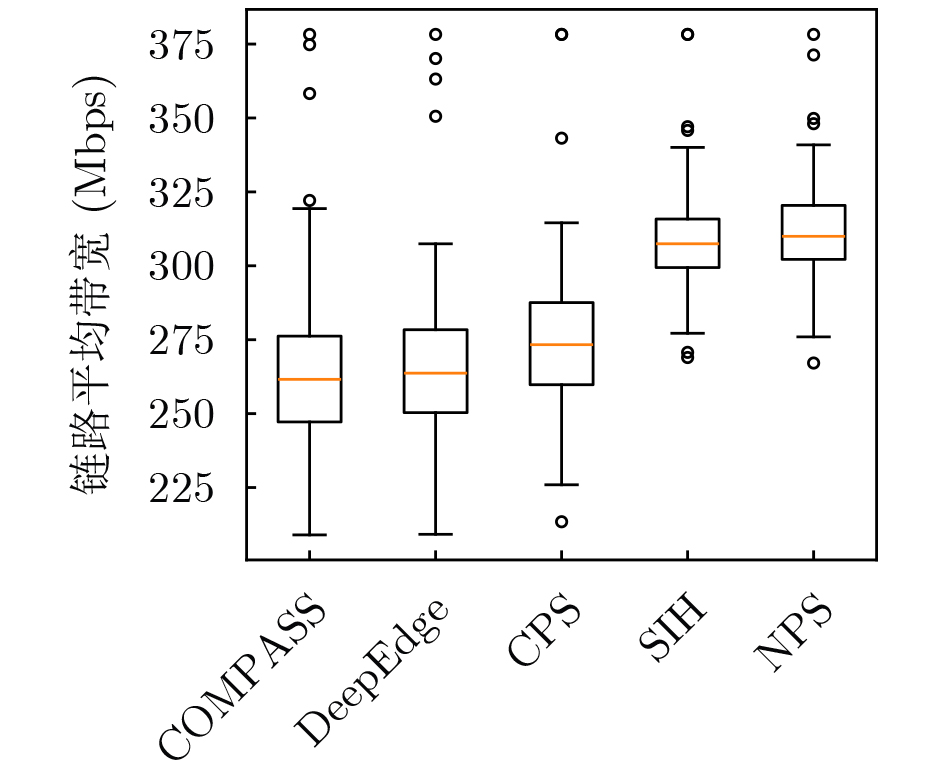
Low Complexity Sequential Decoding Algorithm of PAC Code for Short Packet Communication
DAI Jingxin, YIN Hang, WANG Yuhuan, LV Yansong, YANG Zhanxin, LV Rui, XIA Zhiping
Available online  , doi: 10.11999/JEIT250533
Abstract:
  Objective  With the rise of the intelligent Internet of Things (IoT), short packet communication among IoT devices must meet stringent requirements for low latency, high reliability, and very short packet length, posing challenges to the design of channel coding schemes. As an advanced variant of polar codes, Polarization-Adjusted Convolutional (PAC) codes enhance the error-correction performance of polar codes at medium and short code lengths, approaching the dispersion bound in some cases. This makes them promising for short packet communication. However, the high decoding complexity required to achieve near-bound error-correction performance limits their practicality. To address this, we propose two low complexity sequential decoding algorithms: Low Complexity Fano Sequential (LC-FS) and Low Complexity Stack (LC-S). Both algorithms effectively reduce decoding complexity with negligible loss in error-correction performance.  Methods  To reduce the decoding complexity of Fano-based sequential decoding algorithms, we propose the LC-FS algorithm. This method exploits special nodes to terminate decoding at intermediate levels of the decoding tree, thereby reducing the complexity of tree traversal. Special nodes are classified into two types according to decoder structure: low-rate nodes (Type-\begin{document}$ \mathrm{T} $\end{document} node) and high-rate nodes [Rate-1 and Single Parity-Check (SPC) nodes]. This classification minimizes unnecessary hardware overhead by avoiding excessive subdivision of special nodes. For each type, a corresponding LC-FS decoder and node-movement strategy are developed. To reduce the complexity of stack-based decoding algorithms, we propose the LC-S algorithm. While preserving the low backtracking feature of stack-based decoding, this method introduces tailored decoding structures and node-movement strategies for low-rate and high-rate special nodes. Therefore, the LC-S algorithm achieves significant complexity reduction without compromising error-correction performance.  Results and Discussions  The performance of the proposed LC-FS and LC-S decoding algorithms is evaluated through extensive simulations in terms of Frame Error Rate (FER), Average Computational Complexity (ACC), Maximum Computational Complexity (MCC), and memory requirements. Traditional Fano sequential, traditional stack, and Fast Fano Sequential (FFS) decoding algorithms are set as benchmarks. The simulation results show that the LC-FS and LC-S algorithms exhibit negligible error-correction performance loss compared with traditional Fano sequential and stack decoders (Fig. 5). Across different PAC codes, both algorithms effectively reduce decoding complexity. Specifically, as increases, the reductions in ACC and MCC become more pronounced. For ACC, LC-FS decoding algorithm (\begin{document}$T = 4$\end{document}) achieves reductions of 13.77% (\begin{document}$N = 256$\end{document}, \begin{document}$K = 128$\end{document}), 11.42% (\begin{document}$N = 128$\end{document}, \begin{document}$K = 64$\end{document}), and 25.52% (\begin{document}$N = 64$\end{document}, \begin{document}$K = 32$\end{document}) on average compared with FFS (Fig. 6). LC-S decoding algorithm (\begin{document}$T = 4$\end{document}) reduces ACC by 56.48% (\begin{document}$N = 256$\end{document}, \begin{document}$K = 128$\end{document}), 47.63% (\begin{document}$N = 128$\end{document}, \begin{document}$K = 64$\end{document}), and 49.61% (\begin{document}$N = 64$\end{document}, \begin{document}$K = 32$\end{document}) on average compared with the traditional stack algorithm (Fig. 6). For MCC, LC-FS decoding algorithm (\begin{document}$T = 4$\end{document}) achieves reductions of 29.71% (\begin{document}$N = 256$\end{document}, \begin{document}$K = 128$\end{document}), 21.18% (\begin{document}$N = 128$\end{document}, \begin{document}$K = 64$\end{document}), and 23.62% (\begin{document}$N = 64$\end{document}, \begin{document}$K = 32$\end{document}) on average compared with FFS (Fig. 7). LC-S decoding algorithm (\begin{document}$T = 4$\end{document}) reduces MCC by 67.17% (\begin{document}$N = 256$\end{document}, \begin{document}$K = 128$\end{document}), 49.33% (\begin{document}$N = 128$\end{document}, \begin{document}$K = 64$\end{document}), and 51.84% (\begin{document}$N = 64$\end{document}, \begin{document}$K = 32$\end{document}) on average compared with the traditional stack algorithm (Fig. 7). By exploiting low-rate and high-rate special nodes to terminate decoding at intermediate levels of the decoding tree, the LC-FS and LC-S algorithms also reduce memory requirements (Table 2). However, as \begin{document}$T$\end{document} increases, the memory usage of LC-S rises because all extended paths of low-rate special nodes are pushed into the stack. The increase in \begin{document}$T$\end{document} enlarges the number of extended paths, indicating its critical role in balancing decoding complexity and memory occupation (Fig. 8).  Conclusions  To address the high decoding complexity of sequential decoding algorithms for PAC codes, this paper proposes two low complexity approaches: the LC-FS and LC-S algorithms. Both methods classify special nodes into low-rate and high-rate categories and design corresponding decoders and movement strategies. By introducing Type-\begin{document}$ \mathrm{T} $\end{document} nodes, the algorithms further eliminate redundant computations during decoding, thereby reducing complexity. Simulation results demonstrate that the LC-FS and LC-S algorithms substantially decrease decoding complexity while maintaining the error-correction performance of PAC codes at medium and short code lengths.
Multimodal Hypergraph Learning Guidance with Global Noise Enhancement for Sentiment Analysis under Missing Modality Information
HUANG Chen, LIU Huijie, ZHANG Yan, YANG Chao, SONG Jianhua
Available online  , doi: 10.11999/JEIT250649
Abstract:
  Objective  Multimodal Sentiment Analysis (MSA) has shown considerable promise in interdisciplinary domains such as Natural Language Processing (NLP) and Affective Computing, particularly by integrating information from ElectroEncephaloGraphy (EEG) signals, visual images, and text to classify sentiment polarity and provide a comprehensive understanding of human emotional states. However, in complex real-world scenarios, challenges including missing modalities, limited high-level semantic correlation learning across modalities, and the lack of mechanisms to guide cross-modal information transfer substantially restrict the generalization ability and accuracy of sentiment recognition models. To address these limitations, this study proposes a Multimodal Hypergraph Learning Guidance method with Global Noise Enhancement (MHLGNE), designed to improve the robustness and performance of MSA under conditions of missing modality information in complex environments.  Methods  The overall architecture of the MHLGNE model is illustrated in Fig. 2 and consists of the Adaptive Global Noise Sampling Module, the Multimodal Hypergraph Learning Guiding Module, and the Sentiment Prediction Target Module. A pretrained language model is first applied to encode the multimodal input data. To simulate missing modality conditions, the input data are constructed with incomplete modal information, where a modality \begin{document}$ m\in \{e,v,t\} $\end{document} is randomly absent. The adaptive global noise sampling strategy is then employed to supplement missing modalities from a global perspective, thereby improving adaptability and enhancing both robustness and generalization in complex environments. This design allows the model to handle noisy data and missing modalities more effectively. The Multimodal Hypergraph Learning Guiding Module is further applied to capture high-level semantic correlations across different modalities, overcoming the limitations of conventional methods that rely only on feature alignment and fusion. By guiding cross-modal information transfer, this module enables the model to focus on essential inter-modal semantic dependencies, thereby improving sentiment prediction accuracy. Finally, the performance of MHLGNE is compared with that of State-Of-The-Art (SOTA) MSA models under two conditions: complete modality data and randomly missing modality information.  Results and Discussions  Three publicly available MSA datasets (SEED-IV, SEED-V, and DREAMER) are employed, with features extracted from EEG signals, visual images, and text. To ensure robustness, standard cross-validation is applied, and the training process is conducted with iterative adjustments to the noise sampling strategy, modality fusion method, and hypergraph learning structure to optimize sentiment prediction. Under the complete modality condition, MHLGNE is observed to outperform the second-best M2S model across most evaluation metrics, with accuracy improvements of 3.26%, 2.10%, and 0.58% on SEED-IV, SEED-V, and DREAMER, respectively. Additional metrics also indicate advantages over other SOTA methods. Under the random missing modality condition, MHLGNE maintains superiority over existing MSA approaches, with improvements of 1.03% in accuracy, 0.24% in precision, and 0.08 in Kappa score. The adaptive noise sampling module is further shown to effectively compensate for missing modalities. Unlike conventional models that suffer performance degradation under such conditions, MHLGNE maintains robustness by generating complementary information. In addition, the multimodal hypergraph structure enables the capture of high-level semantic dependencies across modalities, thereby strengthening cross-modal information transfer and offering clear advantages when modalities are absent. Ablation experiments confirm the independent contributions of each module. The removal of either the adaptive noise sampling or the multimodal hypergraph learning guiding module results in notable performance declines, particularly under high-noise or severely missing modality conditions. The exclusion of the cross-modal information transfer mechanism causes a substantial decline in accuracy and robustness, highlighting its essential role in MSA.  Conclusions  The MHLGNE model, equipped with the Adaptive Global Noise Sampling Module and the Multimodal Hypergraph Learning Guiding Module, markedly improves the performance of MSA under conditions of missing modalities and in tasks requiring effective cross-modal information transfer. Experiments on SEED-IV, SEED-V, and DREAMER confirm that MHLGNE exceeds SOTA MSA models across multiple evaluation metrics, including accuracy, precision, Kappa score, and F1 score, thereby demonstrating its robustness and effectiveness. Future work may focus on refining noise sampling strategies and developing more sophisticated hypergraph structures to further strengthen performance under extreme modality-missing scenarios. In addition, this framework has the potential to be extended to broader sentiment analysis tasks across diverse application domains.
Entropy Quantum Collaborative Planning Method for Emergency Path of Unmanned Aerial Vehicles Driven by Survival Probability
WANG Enliang, ZHANG Zhen, SUN Zhixin
Available online  , doi: 10.11999/JEIT250694
Abstract:
  Objective  Natural disaster emergency rescue places stringent requirements on the timeliness and safety of Unmanned Aerial Vehicle (UAV) path planning. Conventional optimization objectives, such as minimizing total distance, often fail to reflect the critical time-sensitive priority of maximizing the survival probability of trapped victims. Moreover, existing algorithms struggle with the complex constraints of disaster environments, including no-fly zones, caution zones, and dynamic obstacles. To address these challenges, this paper proposes an Entropy-Enhanced Quantum Ripple Synergy Algorithm (E2QRSA). The primary goals are to establish a survival probability maximization model that incorporates time decay characteristics and to design a robust optimization algorithm capable of efficiently handling complex spatiotemporal constraints in dynamic disaster scenarios.  Methods  E2QRSA enhances the Quantum Ripple Optimization framework through four key innovations: (1) information entropy–based quantum state initialization, which guides population generation toward high-entropy regions; (2) multi-ripple collaborative interference, which promotes beneficial feature propagation through constructive superposition; (3) entropy-driven parameter control, which dynamically adjusts ripple propagation according to search entropy rates; and (4) quantum entanglement, which enables information sharing among elite individuals. The model employs a survival probability objective function that accounts for time-sensitive decay, base conditions, and mission success probability, subject to constraints including no-fly zones, warning zones, and dynamic obstacles.  Results and Discussions  Simulation experiments are conducted in medium- and large-scale typhoon disaster scenarios. The proposed E2QRSA achieves the highest survival probabilities of 0.847 and 0.762, respectively (Table 1), exceeding comparison algorithms such as SEWOA and PSO by 4.2–16.0%. Although the paths generated by E2QRSA are not the shortest, they are the most effective in maximizing survival chances. The ablation study (Table 3) confirms the contribution of each component, with the removal of multi-ripple interference causing the largest performance decrease (9.97%). The dynamic coupling between search entropy and ripple parameters (Fig. 2) is validated, demonstrating the effectiveness of the adaptive control mechanism. The entanglement effect (Fig. 4) is shown to maintain population diversity. In terms of constraint satisfaction, E2QRSA-planned paths consume only 85.2% of the total available energy (Table 5), ensuring a safe return, and all static and dynamic obstacles are successfully avoided, as visually verified in the 3D path plots (Figs. 6 and 7).  Conclusions  E2QRSA effectively addresses the challenge of UAV path planning for disaster relief by integrating adaptive entropy control with quantum-inspired mechanisms. The survival probability objective captures the essential requirements of disaster scenarios more accurately than conventional distance minimization. Experimental validation demonstrates that E2QRSA achieves superior solution quality and faster convergence, providing a robust technical basis for strengthening emergency response capabilities.
A Method for Named Entity Recognition in Military Intelligence Domain Using Large Language Models
LI Yongbin, LIU Lian, ZHENG Jie
Available online  , doi: 10.11999/JEIT250764
Abstract:
  Objective  Named Entity Recognition (NER) is a fundamental task in information extraction within specialized domains, particularly military intelligence. It plays a critical role in situation assessment, threat analysis, and decision support. However, conventional NER models face major challenges. First, the scarcity of high-quality annotated data in the military intelligence domain is a persistent limitation. Due to the sensitivity and confidentiality of military information, acquiring large-scale, accurately labeled datasets is extremely difficult, which severely restricts the training performance and generalization ability of supervised learning–based NER models. Second, military intelligence requires handling complex and diverse information extraction tasks. The entities to be recognized often possess domain-specific meanings, ambiguous boundaries, and complex relationships, making it difficult for traditional models with fixed architectures to adapt flexibly to such complexity or achieve accurate extraction. This study aims to address these limitations by developing a more effective NER method tailored to the military intelligence domain, leveraging Large Language Models (LLMs) to enhance recognition accuracy and efficiency in this specialized field.  Methods  To achieve the above objective, this study focuses on the military intelligence domain and proposes a NER method based on LLMs. The central concept is to harness the strong semantic reasoning capabilities of LLMs, which enable deep contextual understanding of military texts, accurate interpretation of complex domain-specific extraction requirements, and autonomous execution of extraction tasks without heavy reliance on large annotated datasets. To ensure that general-purpose LLMs can rapidly adapt to the specialized needs of military intelligence, two key strategies are employed. First, instruction fine-tuning is applied. Domain-specific instruction datasets are constructed to include diverse entity types, extraction rules, and representative examples relevant to military intelligence. Through fine-tuning with these datasets, the LLMs acquire a more precise understanding of the characteristics and requirements of NER in this field, thereby improving their ability to follow targeted extraction instructions. Second, Retrieval-Augmented Generation (RAG) is incorporated. A domain knowledge base is developed containing expert knowledge such as entity dictionaries, military terminology, and historical extraction cases. During the NER process, the LLM retrieves relevant knowledge from this base in real time to support entity recognition. This strategy compensates for the limited domain-specific knowledge of general LLMs and enhances recognition accuracy, particularly for rare or complex entities.  Results and Discussions  Experimental results indicate that the proposed LLM–based NER method, which integrates instruction fine-tuning and RAG, achieves strong performance in military intelligence NER tasks. Compared with conventional NER models, it demonstrates higher precision, recall, and F1-score, particularly in recognizing complex entities and managing scenarios with limited annotated data. The effectiveness of this method arises from several key factors. The powerful semantic reasoning capability of LLMs enables a deeper understanding of contextual nuances and ambiguous expressions in military texts, thereby reducing missed and false recognitions commonly caused by rigid pattern-matching approaches. Instruction fine-tuning allows the model to better align with domain-specific extraction requirements, ensuring that the recognition results correspond more closely to the practical needs of military intelligence analysis. Furthermore, the incorporation of RAG provides real-time access to domain expert knowledge, markedly enhancing the recognition of entities that are highly specialized or morphologically variable within military contexts. This integration effectively mitigates the limitations of traditional models that lack sufficient domain knowledge.  Conclusions  This study proposes a LLM–based NER method for the military intelligence domain, effectively addressing the challenges of limited annotated data and complex extraction requirements encountered by traditional models. By combining instruction fine-tuning and RAG, general-purpose LLMs can be rapidly adapted to the specialized demands of military intelligence, enabling the construction of an efficient domain-specific expert system at relatively low cost. The proposed method provides an effective and scalable solution for NER tasks in military intelligence scenarios, enhancing both the efficiency and accuracy of information extraction in this field. It offers not only practical value for military intelligence analysis and decision support but also methodological insight for NER research in other specialized domains facing similar data and complexity constraints, such as aerospace and national security. Future research will focus on optimizing instruction fine-tuning strategies, expanding the domain knowledge base, and reducing computational cost to further improve model performance and applicability.
Secrecy Rate Maximization Algorithm for IRS Assisted UAV-RSMA Systems
WANG Zhengqiang, KONG Weidong, WAN Xiaoyu, FAN Zifu, DUO Bin
Available online  , doi: 10.11999/JEIT250452
Abstract:
  Objective  Under the stringent requirements of Sixth-Generation(6G) mobile communication networks for spectral efficiency, energy efficiency, low latency, and wide coverage, Unmanned Aerial Vehicle (UAV) communication has emerged as a key solution for 6G and beyond, leveraging its Line-of-Sight propagation advantages and flexible deployment capabilities. Functioning as aerial base stations, UAVs significantly enhance network performance by improving spectral efficiency and connection reliability, demonstrating irreplaceable value in critical scenarios such as emergency communications, remote area coverage, and maritime operations. However, UAV communication systems face dual challenges in high-mobility environments: severe multi-user interference in dense access scenarios that substantially degrades system performance, alongside critical physical-layer security threats resulting from the broadcast nature and spatial openness of wireless channels that enable malicious interception of transmitted signals. Rate-Splitting Multiple Access (RSMA) mitigates these challenges by decomposing user messages into common and private streams, thereby providing a flexible interference management mechanism that balances decoding complexity with spectral efficiency. This makes RSMA especially suitable for high-density user access scenarios. In parallel, Intelligent Reflecting Surfaces (IRS) have emerged as a promising technology to dynamically reconfigure wireless propagation through programmable electromagnetic unit arrays. IRS improves the quality of legitimate links while reducing the capacity of eavesdropping links, thereby enhancing physical-layer security in UAV communications. It is noteworthy that while existing research has predominantly centered on conventional multiple access schemes, the application potential of RSMA technology in IRS-assisted UAV communication systems remains relatively unexplored. Against this background, this paper investigates secure transmission strategies in IRS-assisted UAV-RSMA systems.  Methods  This paper investigates the effect of eavesdroppers on the security performance of UAV communication systems and proposes an IRS-assisted RSMA-based UAV communication model. The system comprises a multi-antenna UAV base station, an IRS mounted on a building, multiple single-antenna legitimate users, and multiple single-antenna eavesdroppers. The optimization problem is formulated to maximize the system secrecy rate by jointly optimizing precoding vectors, common secrecy rate allocation, IRS phase shifts, and UAV positioning. The problem is highly non-convex due to the strong coupling among these variables, rendering direct solutions intractable. To overcome this challenge, a two-layer optimization framework is developed. In the inner layer, with UAV position fixed, an alternating optimization strategy divides the problem into two subproblems: (1) joint optimization of precoding vectors and common secrecy rate allocation and (2) optimization of IRS phase shifts. Non-convex constraints are transformed into convex forms using techniques such as Successive Convex Approximation (SCA), relaxation variables, first-order Taylor expansion, and Semidefinite Relaxation (SDR). In the outer layer, the Particle Swarm Optimization (PSO) algorithm determines the UAV deployment position based on the optimized inner-layer variables.  Results and Discussions  Simulation results show that the proposed algorithm outperforms RSMA without IRS, NOMA with IRS, and NOMA without IRS in terms of secrecy rate. (Fig. 2) illustrates that the secrecy rate increases with the number of iterations and converges under different UAV maximum transmit power levels and antenna configurations. (Fig. 3) demonstrates that increasing UAV transmit power significantly enhances the secrecy rate for both the proposed and benchmark schemes. This improvement arises because higher transmit power strengthens the signal received by legitimate users, increasing their achievable rates and enhancing system secrecy performance. (Fig. 4) indicates that the secrecy rate grows with the number of UAV antennas. This improvement is due to expanded signal coverage and greater spatial degrees of freedom, which amplify effective signal strength in legitimate user channels. (Fig. 5) shows that both the proposed scheme and NOMA with IRS achieve higher secrecy rate as the number of IRS reflecting elements increases. The additional elements provide greater spatial degrees of freedom, improving channel gains for legitimate users and strengthening resistance to eavesdropping. In contrast, benchmark schemes operating without IRS assistance exhibit no performance improvement and maintain constant secrecy rate. This result highlights the critical role of the IRS in enabling secure communications. Finally, (Fig. 6) demonstrates the optimal UAV position when \begin{document}${P_{\max }} = 30{\text{ dBm}}$\end{document}. Deploying the UAV near the center of legitimate users and adjacent to the IRS minimizes the average distance to users, thereby reducing path loss and fully exploiting IRS passive beamforming. This placement strengthens legitimate signals while suppressing the eavesdropping link, leading to enhanced secrecy performance.  Conclusions  This study addresses secure communication scenarios with multiple eavesdroppers by proposing an IRS-assisted secure resource allocation algorithm for UAV-enabled RSMA systems. An optimization problem is formulated to maximize the system secrecy rate under multiple constraints, including UAV transmit power, by jointly optimizing precoding vectors, common rate allocation, IRS configurations, and UAV positioning. Due to the non-convex nature of the problem, a hierarchical optimization framework is developed to decompose it into two subproblems. These are effectively solved using techniques such as SCA, SDR, Gaussian randomization, and PSO. Simulation results confirm that the proposed algorithm achieves substantial secrecy rate gains over three benchmark schemes, thereby validating its effectiveness.
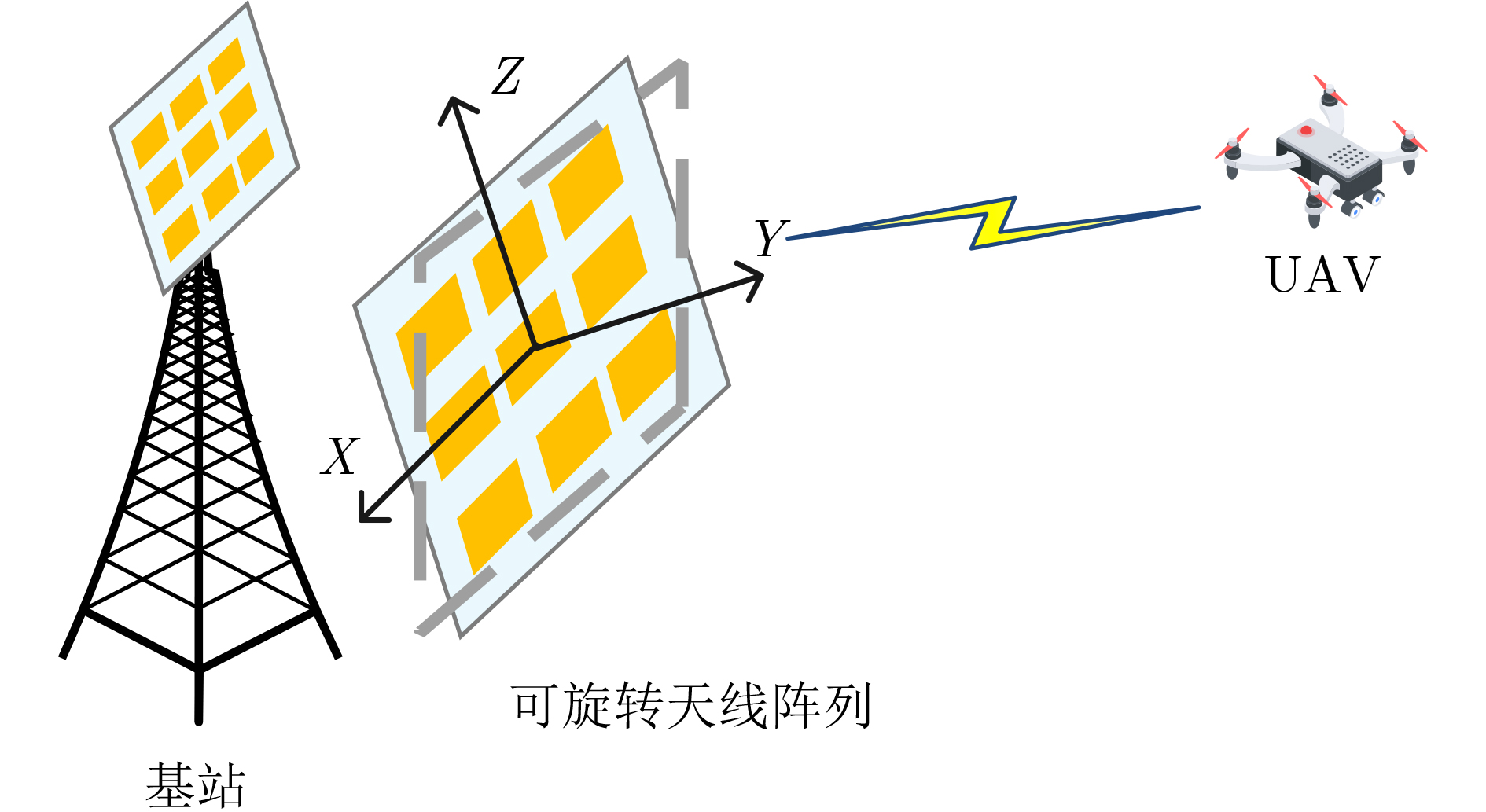
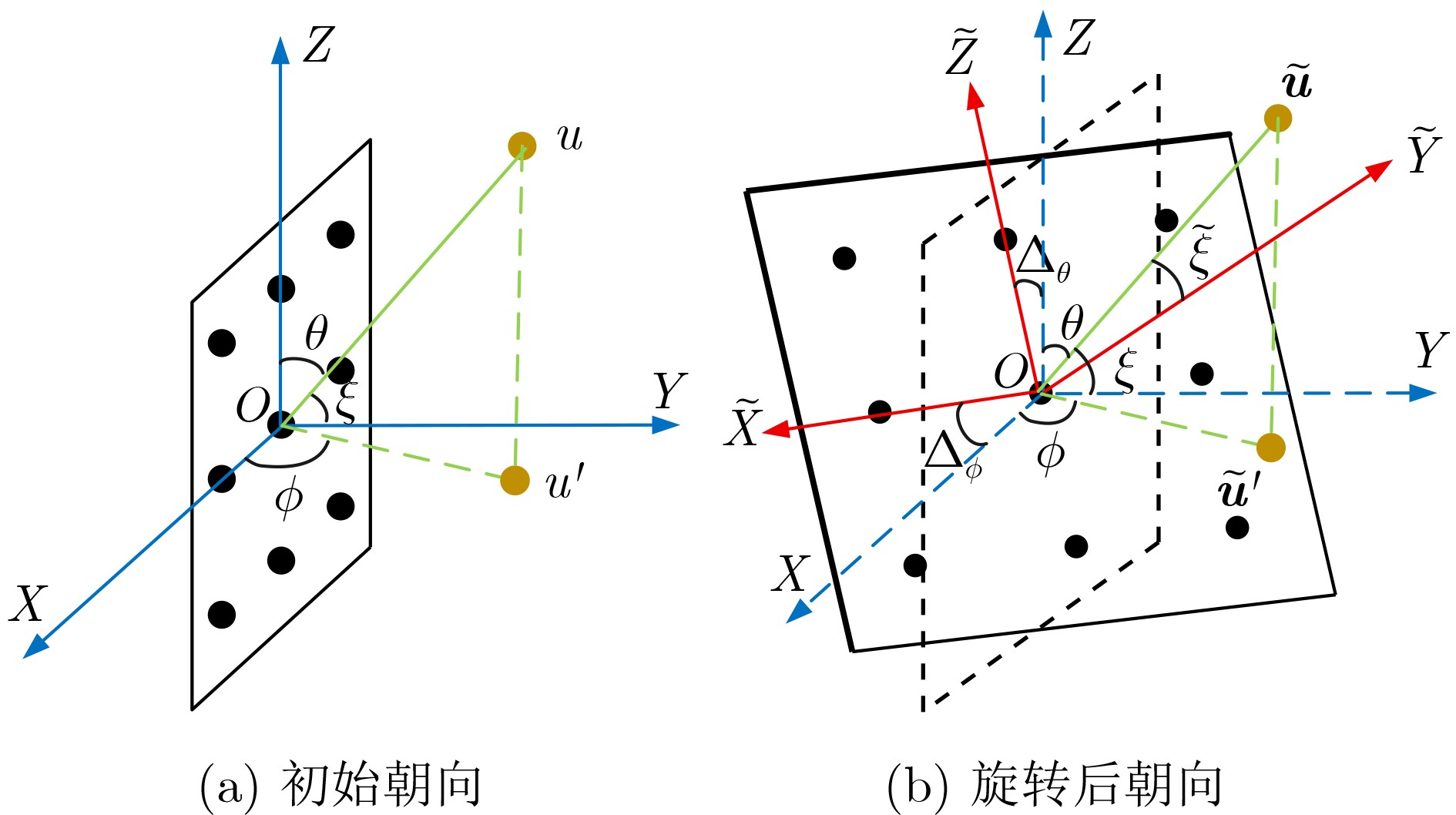
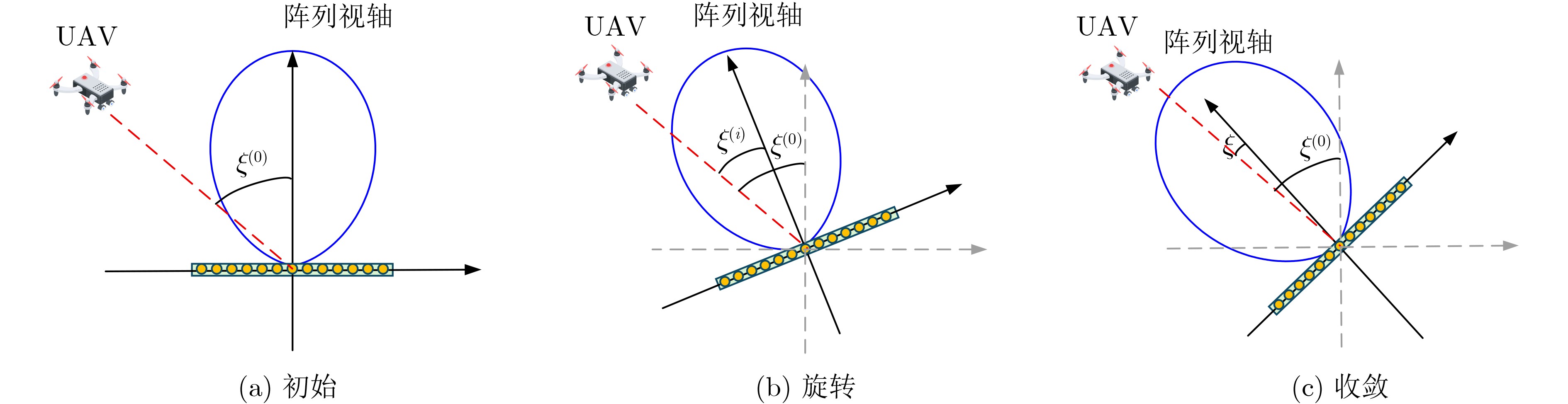
BIRD1445: Large-scale Multimodal Bird Dataset for Ecological Monitoring
WANG Hongchang, XIAN Fengyu, XIE Zihui, DONG Miaomiao, JIAN Haifang
Available online  , doi: 10.11999/JEIT250647
Abstract:
  Objective  With the rapid advancement of Artificial Intelligence (AI) and growing demands in ecological monitoring, high-quality multimodal datasets have become essential for training and deploying AI models in specialized domains. Existing bird datasets, however, face notable limitations, including challenges in field data acquisition, high costs of expert annotation, limited representation of rare species, and reliance on single-modal data. To overcome these constraints, this study proposes an efficient framework for constructing large-scale multimodal datasets tailored to ecological monitoring. By integrating heterogeneous data sources, employing intelligent semi-automatic annotation pipelines, and adopting multi-model collaborative validation based on heterogeneous attention fusion, the proposed approach markedly reduces the cost of expert annotation while maintaining high data quality and extensive modality coverage. This work offers a scalable and intelligent strategy for dataset development in professional settings and provides a robust data foundation for advancing AI applications in ecological conservation and biodiversity monitoring.  Methods  The proposed multimodal dataset construction framework integrates multi-source heterogeneous data acquisition, intelligent semi-automatic annotation, and multi-model collaborative verification to enable efficient large-scale dataset development. The data acquisition system comprises distributed sensing networks deployed across natural reserves, incorporating high-definition intelligent cameras, custom-built acoustic monitoring devices, and infrared imaging systems, supplemented by standardizedpublic data to enhance species coverage and modality diversity. The intelligent annotation pipeline is built upon four core automated tools: (1) spatial localization annotation leverages object detection algorithms to generate bounding boxes; (2) fine-grained classification employs Vision Transformer models for hierarchical species identification; (3) pixel-level segmentation combines detection outputs with SegGPT models to produce instance-level masks; and (4) multimodal semantic annotation uses Qwen large language models to generate structured textual descriptions. To ensure annotation quality and minimize manual verification costs, a multi-scale attention fusion verification mechanism is introduced. This mechanism integrates seven heterogeneous deep learning models, each with different feature perception capacities across local detail, mid-level semantic, and global contextual scales. A global weighted voting module dynamically assigns fusion weights based on model performance, while a prior knowledge-guided fine-grained decision module applies category-specific accuracy metrics and Top-K model selection to enhance verification precision and computational efficiency.  Results and Discussions  The proposed multi-scale attention fusion verification method dynamically assesses data quality based on heterogeneous model predictions, forming the basis for automated annotation validation. Through optimized weight allocation and category-specific verification strategies, the collaborative verification framework evaluates the effect of different model combinations on annotation accuracy. Experimental results demonstrate that the optimal verification strategy—achieved by integrating seven specialized models—outperforms all baseline configurations across evaluation metrics. Specifically, the method attains a Top-1 accuracy of 95.39% on the CUB-200-2011 dataset, exceeding the best-performing single-model baseline, which achieves 91.79%, thereby yielding a 3.60% improvement in recognition precision. The constructed BIRD1445 dataset, comprising 3.54 million samples spanning 1,445 bird species and four modalities, outperforms existing datasets in terms of coverage, quality, and annotation accuracy. It serves as a robust benchmark for fine-grained classification, density estimation, and multimodal learning tasks in ecological monitoring.  Conclusions  This study addresses the challenge of constructing large-scale multimodal datasets for ecological monitoring by integrating multi-source data acquisition, intelligent semi-automatic annotation, and multi-model collaborative verification. The proposed approach advances beyond traditional manual annotation workflows by incorporating automated labeling pipelines and heterogeneous attention fusion mechanisms as the core quality control strategy. Comprehensive evaluations on benchmark datasets and real-world scenarios demonstrate the effectiveness of the method: (1) the verification strategy improves annotation accuracy by 3.60% compared to single-model baselines on the CUB-200-2011 dataset; (2) optimal trade-offs between precision and computational efficiency are achieved using Top-K = 3 model selection, based on performance–complexity alignment; and (3) in large-scale annotation scenarios, the system ensures high reliability across 1,445 species categories. Despite its effectiveness, the current approach primarily targets species with sufficient data. Future work should address the representation of rare and endangered species by incorporating advanced data augmentation and few-shot learning techniques to mitigate the limitations posed by long-tail distributions.
Optimal Federated Average Fusion of Gaussian Mixture–Probability Hypothesis Density Filters
XUE Yu, XU Lei
Available online  , doi: 10.11999/JEIT250759
Abstract:
  Objective  To realize optimal decentralized fusion tracking of uncertain targets, this study proposes a federated average fusion algorithm for Gaussian Mixture–Probability Hypothesis Density (GM-PHD) filters, designed with a hierarchical structure. Each sensor node operates a local GM-PHD filter to extract multi-target state estimates from sensor measurements. The fusion node performs three key tasks: (1) maintaining a master filter that predicts the fusion result from the previous iteration; (2) associating and merging the GM-PHDs of all filters; and (3) distributing the fused result and several parameters to each filter. The association step decomposes multi-target density fusion into four categories of single-target estimate fusion. We derive the optimal single-target estimate fusion both in the absence and presence of missed detections. Information assignment applies the covariance upper-bounding theory to eliminate correlation among all filters, enabling the proposed algorithm to achieve the accuracy of Bayesian fusion. Simulation results show that the federated fusion algorithm achieves optimal tracking accuracy and consistently outperforms the conventional Arithmetic Average (AA) fusion method. Moreover, the relative reliability of each filter can be flexibly adjusted.  Methods  The multi-sensor multi-target density fusion is decomposed into multiple groups of single-target component merging through the association operation. Federated filtering is employed as the merging strategy, which achieves the Bayesian optimum owing to its inherent decorrelation capability. Section 3 rigorously extends this approach to scenarios with missed detections. To satisfy federated filtering’s requirement for prior estimates, a master filter is designed to compute the predicted multi-target density, thereby establishing a hierarchical architecture for the proposed algorithm. In addition, auxiliary measures are incorporated to compensate for the observed underestimation of cardinality.  Results and Discussions  modified Mahalanobis distance (Fig.3). The precise association and the single-target decorrelation capability together ensure the theoretical optimality of the proposed algorithm, as illustrated in Fig. 2. Compared with conventional density fusion, the Optimal Sub-Pattern Assignment (OSPA) error is reduced by 8.17% (Fig. 4). The advantage of adopting a small average factor for the master filter is demonstrated in Figs. 5 and 6. The effectiveness of the measures for achieving cardinality consensus is also validated (Fig. 7). Another competitive strength of the algorithm lies in the flexibility of adjusting the average factors (Fig. 8). Furthermore, the algorithm consistently outperforms AA fusion across all missed detection probabilities (Fig. 9).  Conclusions  This paper achieves theoretically optimal multi-target density fusion by employing federated filtering as the merging method for single-target components. The proposed algorithm inherits the decorrelation capability and single-target optimality of federated filtering. A hierarchical fusion architecture is designed to satisfy the requirement for prior estimates. Extensive simulations demonstrate that: (1) the algorithm can accurately associate filtered components belonging to the same target, thereby extending single-target optimality to multi-target fusion tracking; (2) the algorithm supports flexible adjustment of average factors, with smaller values for the master filter consistently preferred; and (3) the superiority of the algorithm persists even under sensor malfunctions and high missed detection rates. Nonetheless, this study is limited to GM-PHD filters with overlapping Fields Of View (FOVs). Future work will investigate its applicability to other filter types and spatially non-overlapping FOVs.
Lightweight Incremental Deployment for Computing-Network Converged AI Services
WANG Qinding, TAN bin, HUANG Guangping, DUAN Wei, YANG Dong, ZHANG Hongke
Available online  , doi: 10.11999/JEIT250663
Abstract:
  Objective   The rapid expansion of Artificial Intelligence (AI) computing services has heightened the demand for flexible access and efficient utilization of computing resources. Traditional Domain Name System (DNS) and IP-based scheduling mechanisms are constrained in addressing the stringent requirements of low latency and high concurrency, highlighting the need for integrated computing-network resource management. To address these challenges, this study proposes a lightweight deployment framework that enhances network adaptability and resource scheduling efficiency for AI services.  Methods   The AI-oriented Service IDentifier (AISID) is designed to encode service attributes into four dimensions: Object, Function, Method, and Performance. Service requests are decoupled from physical resource locations, enabling dynamic resource matching. AISID is embedded within IPv6 packets (Fig. 5), consisting of a 64-bit prefix for identification and a 64-bit service-specific suffix (Fig. 4). A lightweight incremental deployment scheme is implemented through hierarchical routing, in which stable wide-area routing is managed by ingress gateways, and fine-grained local scheduling is handled by egress gateways (Fig. 6). Ingress and egress gateways are incrementally deployed under the coordination of an intelligent control system to optimize resource allocation. AISID-based paths are encapsulated at ingress gateways using Segment Routing over IPv6 (SRv6), whereas egress gateways select optimal service nodes according to real-time load data using a weighted least-connections strategy (Fig. 8). AISID lifecycle management includes registration, query, migration, and decommissioning phases (Table 2), with global synchronization maintained by the control system. Resource scheduling is dynamically adjusted according to real-time network topology and node utilization metrics (Fig. 7).  Results and Discussions   Experimental results show marked improvements over traditional DNS/IP architectures. The AISID mechanism reduces service request initiation latency by 61.3% compared to DNS resolution (Fig. 9), as it eliminates the need for round-trip DNS queries. Under 500 concurrent requests, network bandwidth utilization variance decreases by 32.8% (Fig. 10), reflecting the ability of AISID-enabled scheduling to alleviate congestion hotspots. Computing resource variance improves by 12.3% (Fig. 11), demonstrating more balanced workload distribution across service nodes. These improvements arise from AISID’s precise semantic matching in combination with the hierarchical routing strategy, which together enhance resource allocation efficiency while maintaining compatibility with existing IPv6/DNS infrastructure (Fig. 23). The incremental deployment approach further reduces disruption to legacy networks, confirming the framework’s practicality and viability for real-world deployment.  Conclusions   This study establishes a computing-network convergence framework for AI services based on semantic-driven AISID and lightweight deployment. The key innovations include AISID’s semantic encoding, which enables dynamic resource scheduling and decoupled service access, together with incremental gateway deployment that optimizes routing without requiring major modifications to legacy networks. Experimental validation demonstrates significant improvements in latency reduction, bandwidth efficiency, and balanced resource utilization. Future research will explore AISID’s scalability across heterogeneous domains and its robustness under dynamic network conditions.
Recent Advances of Programmable Schedulers
ZHAO Yazhu, GUO Zehua, DOU Songshi, FU Xiaoyang
Available online  , doi: 10.11999/JEIT250657
Abstract:
  Objective  In recent years, diversified user demands, dynamic application scenarios, and massive data transmissions have imposed increasingly stringent requirements on modern networks. Network schedulers play a critical role in ensuring efficient and reliable data delivery, enhancing overall performance and stability, and directly shaping user-perceived service quality. Traditional scheduling algorithms, however, rely largely on fixed hardware, with scheduling logic hardwired during chip design. These designs are inflexible, provide coarse and static scheduling granularity, and offer limited capability to represent complex policies. Therefore, they hinder rapid deployment, increase upgrade costs, and fail to meet the evolving requirements of heterogeneous and large-scale network environments. Programmable schedulers, in contrast, leverage flexible hardware architectures to support diverse strategies without hardware replacement. Scheduling granularity can be dynamically adjusted at the flow, queue, or packet level to meet varied application requirements with precision. Furthermore, they enable the deployment of customized logic through data plane programming languages, allowing rapid iteration and online updates. These capabilities significantly reduce maintenance costs while improving adaptability. The combination of high flexibility, cost-effectiveness, and engineering practicality positions programmable schedulers as a superior alternative to traditional designs. Therefore, the design and optimization of high-performance programmable schedulers have become a central focus of current research, particularly for data center networks and industrial Internet applications, where efficient, flexible, and controllable traffic scheduling is essential.  Methods  The primary objective of current research is to design universal, high-performance programmable schedulers. Achieving simultaneous improvements across multiple performance metrics, however, remains a major challenge. Hardware-based schedulers deliver high performance and stability but incur substantial costs and typically support only a limited range of scheduling algorithms, restricting their applicability in large-scale and heterogeneous network environments. In contrast, software-based schedulers provide flexibility in expressing diverse algorithms but suffer from inherent performance constraints. To integrate the high performance of hardware with the flexibility of software, recent designs of programmable schedulers commonly adopt First-In First-Out (FIFO) or Push-In First-Out (PIFO) queue architectures. These approaches emphasize two key performance metrics: scheduling accuracy and programmability. Scheduling accuracy is critical, as modern applications such as real-time communications, online gaming, telemedicine, and autonomous driving demand strict guarantees on packet timing and ordering. Even minor errors may result in increased latency, reduced throughput, or connection interruptions, compromising user experience and service reliability. Programmability, by contrast, enables network devices to adapt to diverse scenarios, supporting rapid deployment of new algorithms and flexible responses to application-specific requirements. Improvements in both accuracy and programmability are therefore essential for developing efficient, reliable, and adaptable network systems, forming the basis for future high-performance deployments.  Results and Discussions  The overall packet scheduling process is illustrated in (Fig. 1), where scheduling is composed of scheduling algorithms and schedulers. At the ingress or egress pipelines of end hosts or network devices, scheduling algorithms assign a Rank value to each packet, determining the transmission order based on relative differences in Rank. Upon arrival at the traffic manager, the scheduler sorts and forwards packets according to their Rank values. Through the joint operation of algorithms and schedulers, packet scheduling is executed while meeting quality-of-service requirements. A comparative analysis of the fundamental principles of FIFO and PIFO scheduling mechanisms (Fig. 2) highlights their differences in queue ordering and disorder control. At present, most studies on programmable schedulers build upon these two foundational architectures (Fig. 3), with extensions and optimizations primarily aimed at improving scheduling accuracy and programmability. Specific strategies include admission control, refinement of scheduling algorithms, egress control, and advancements in data structures and queue mechanisms. On this basis, the current research progress on programmable schedulers is reviewed and systematically analyzed. Existing studies are compared along three key dimensions: structural characteristics, expressive capability, and approximation accuracy (Table 1).  Conclusions  Programmable schedulers, as a key technology for next-generation networks, enable flexible traffic management and open new possibilities for efficient packet scheduling. This review has summarized recent progress in the design of programmable schedulers across diverse application scenarios. The background and significance of programmable schedulers within the broader packet scheduling process were first clarified. An analysis of domestic and international literature shows that most current studies focus on FIFO-based and PIFO-based architectures to improve scheduling accuracy and programmability. The design approaches of these two architectures were examined, the main technical methods for enhancing performance were summarized, and their structural characteristics, expressive capabilities, and approximation accuracy were compared, highlighting respective advantages and limitations. Potential improvements in existing research were also identified, and future development directions were discussed. Nevertheless, the design of a universal, high-performance programmable scheduler remains a critical challenge. Achieving optimal performance across multiple metrics while ensuring high-quality network services will require continued joint efforts from both academia and industry.
Research on ECG Pathological Signal Classification Empowered by Diffusion Generative Data
GE Beining, CHEN Nuo, JIN Peng, SU Xin, LU Xiaochun
Available online  , doi: 10.11999/JEIT250404
Abstract:
  Objective  ElectroCardioGram (ECG) signals are key indicators of human health. However, their complex composition and diverse features make visual recognition prone to errors. This study proposes a classification algorithm for ECG pathological signals based on data generation. A Diffusion Generative Network (DGN), also known as a diffusion model, progressively adds noise to real ECG signals until they approach a noise distribution, thereby facilitating model processing. To improve generation speed and reduce memory usage, a Knowledge Distillation-Diffusion Generative Network (KD-DGN) is proposed, which demonstrates superior memory efficiency and generation performance compared with the traditional DGN. This work compares the memory usage, generation efficiency, and classification accuracy of DGN and KD-DGN, and analyzes the characteristics of the generated data after lightweight processing. In addition, the classification effects of the original MIT-BIH dataset and an extended dataset (MIT-BIH-PLUS) are evaluated. Experimental results show that convolutional networks extract richer feature information from the extended dataset generated by DGN, leading to improved recognition performance of ECG pathological signals.  Methods  The generative network-based ECG signal generation algorithm is designed to enhance the performance of convolutional networks in ECG signal classification. The process begins with a Gaussian noise-based image perturbation algorithm, which obscures the original ECG data by introducing controlled randomness. This step simulates real-world variability, enabling the model to learn more robust representations. A diffusion generative algorithm is then applied to reconstruct and reproduce the data, generating synthetic ECG signals that preserve the essential characteristics of the original categories despite the added noise. This reconstruction ensures that the underlying features of ECG signals are retained, allowing the convolutional network to extract more informative features during classification. To improve efficiency, the approach incorporates knowledge distillation. A teacher-student framework is adopted in which a lightweight student model is trained from the original, more complex teacher ECG data generation model. This strategy reduces computational requirements and accelerates the data generation process, improving suitability for practical applications. Finally, two comparative experiments are designed to validate the effectiveness and accuracy of the proposed method. These experiments evaluate classification performance against existing approaches and provide quantitative evidence of its advantages in ECG signal processing.  Results and Discussions  The data generation algorithm yields ECG signals with a Signal-to-Noise Ratio (SNR) comparable to that of the original data, while presenting more discernible signal features. The student model constructed through knowledge distillation produces ECG samples with the same SNR as those generated by the teacher model, but with substantially reduced complexity. Specifically, the student model achieves a 50% reduction in size, 37.5% lower memory usage, and a 57% shorter runtime compared with the teacher model (Fig. 6). When the convolutional network is trained with data generated by the KD-DGN, its classification performance improves across all metrics compared with a convolutional network trained without KD-DGN. Precision reaches 95.7%, and the misidentification rate is reduced to approximately 3% (Fig. 9).  Conclusions  The DGN provides an effective data generation strategy for addressing the scarcity of ECG datasets. By supplying additional synthetic data, it enables convolutional networks to extract more diverse class-specific features, thereby improving recognition performance and reducing misidentification rates. Optimizing DGN with knowledge distillation further enhances efficiency, while maintaining SNR equivalence with the original DGN. This optimization reduces computational cost, conserves machine resources, and supports simultaneous task execution. Moreover, it enables the generation of new data without LOSS, allowing convolutional networks to learn from larger datasets at lower cost. Overall, the proposed approach markedly improves the classification performance of convolutional networks on ECG signals. Future work will focus on further algorithmic optimization for real-world applications.
Cross Modal Hashing of Medical Image Semantic Mining for Large Language Model
LIU Qinghai, WU Qianlin, LUO Jia, TANG Lun, XU Liming
Available online  , doi: 10.11999/JEIT250529
Abstract:
  Objective  A novel cross-modal hashing framework driven by Large Language Models (LLMs) is proposed to address the semantic misalignment between medical images and their corresponding textual reports. The objective is to enhance cross-modal semantic representation and improve retrieval accuracy by effectively mining and matching semantic associations between modalities.  Methods  The generative capacity of LLMs is first leveraged to produce high-quality textual descriptions of medical images. These descriptions are integrated with diagnostic reports and structured clinical data using a dual-stream semantic enhancement module, designed to reinforce inter-modality alignment and improve semantic comprehension. A structural similarity-guided hashing scheme is then developed to encode both visual and textual features into a unified Hamming space, ensuring semantic consistency and enabling efficient retrieval. To further enhance semantic alignment, a prompt-driven attention template is introduced to fuse image and text features through fine-tuned LLMs. Finally, a contrastive loss function with hard negative mining is employed to improve representation discrimination and retrieval accuracy.  Results and Discussions  Experiments are conducted on a multimodal medical dataset to compare the proposed method with existing cross-modal hashing baselines. The results indicate that the proposed method significantly outperforms baseline models in terms of precision and Mean Average Precision (MAP) (Table 3; Table 4). On average, a 7.21% improvement in retrieval accuracy and a 7.72% increase in MAP are achieved across multiple data scales, confirming the effectiveness of the LLM-driven semantic mining and hashing approach.  Conclusions  Experiments are conducted on a multimodal medical dataset to compare the proposed method with existing cross-modal hashing baselines. The results indicate that the proposed method significantly outperforms baseline models in terms of precision and Mean Average Precision (MAP) (Table 3; Table 4). On average, a 7.21% improvement in retrieval accuracy and a 7.72% increase in MAP are achieved across multiple data scales, confirming the effectiveness of the LLM-driven semantic mining and hashing approach.
Depression Screening Method Driven by Global-Local Feature Fusion
ZHANG Siyong, QIU Jiefan, ZHAO Xiangyun, XIAO Kejiang, CHEN Xiaofu, MAO Keji
Available online  , doi: 10.11999/JEIT250035
Abstract:
  Objective  Depression is a globally prevalent mental disorder that poses a serious threat to the physical and mental health of millions of individuals. Early screening and diagnosis are essential to reducing severe consequences such as self-harm and suicide. However, conventional questionnaire-based screening methods are limited by their dependence on the reliability of respondents’ answers, their difficulty in balancing efficiency with accuracy, and the uneven distribution of medical resources. New auxiliary screening approaches are therefore needed. Existing Artificial Intelligence (AI) methods for depression detection based on facial features primarily emphasize global expressions and often overlook subtle local cues such as eye features. Their performance also declines in scenarios where partial facial information is obscured, for instance by masks, and they raise privacy concerns. This study proposes a Global-Local Fusion Axial Network (GLFAN) for depression screening. By jointly extracting global facial and local eye features, this approach enhances screening accuracy and robustness under complex conditions. A corresponding dataset is constructed, and experimental evaluations are conducted to validate the method’s effectiveness. The model is deployed on edge devices to improve privacy protection while maintaining screening efficiency, offering a more objective, accurate, efficient, and secure depression screening solution that contributes to mitigating global mental health challenges.  Methods  To address the challenges of accuracy and efficiency in depression screening, this study proposes GLFAN. For long-duration consultation videos with partial occlusions such as masks, data preprocessing is performed using OpenFace 2.0 and facial keypoint algorithms, combined with peak detection, clustering, and centroid search strategies to segment the videos into short sequences capturing dynamic facial changes, thereby enhancing data validity. At the model level, GLFAN adopts a dual-branch parallel architecture to extract global facial and local eye features simultaneously. The global branch uses MTCNN for facial keypoint detection and enhances feature extraction under occlusion using an inverted bottleneck structure. The local branch detects eye regions via YOLO v7 and extracts eye movement features using a ResNet-18 network integrated with a convolutional attention module. Following dual-branch feature fusion, an integrated convolutional module optimizes the representation, and classification is performed using an axial attention network.  Results and Discussions  The performance of GLFAN is evaluated through comprehensive, multi-dimensional experiments. On the self-constructed depression dataset, high accuracy is achieved in binary classification tasks, and non-depression and severe depression categories are accurately distinguished in four-class classification. Under mask-occluded conditions, a precision of 0.72 and a precision of 0.690 are obtained for depression detection. Although these values are lower than the precision of 0.87 and precision of 0.840 observed under non-occluded conditions, reliable screening performance is maintained. Compared with other advanced methods, GLFAN achieves higher recall and F1 scores. On the public AVEC2013 and AVEC2014 datasets, the model achieves lower Mean Absolute Error (MAE) values and shows advantages in both short- and long-sequence video processing. Heatmap visualizations indicate that GLFAN dynamically adjusts its attention according to the degree of facial occlusion, demonstrating stronger adaptability than ResNet-50. Edge device tests further confirm that the average processing delay remains below 17.56 milliseconds per frame, and stable performance is maintained under low-bandwidth conditionsThe performance of GLFAN is evaluated through comprehensive, multi-dimensional experiments. On the self-constructed depression dataset, high accuracy is achieved in binary classification tasks, and non-depression and severe depression categories are accurately distinguished in four-class classification. Under mask-occluded conditions, a precision of 0.72 and a recall of 0.690 are obtained for depression detection. Although these values are lower than the precision of 0.87 and recall of 0.840 observed under non-occluded conditions, reliable screening performance is maintained. Compared with other advanced methods, GLFAN achieves higher recall and F1 scores. On the public AVEC2013 and AVEC2014 datasets, the model achieves lower Mean Absolute Error (MAE) values and shows advantages in both short- and long-sequence video processing. Heatmap visualizations indicate that GLFAN dynamically adjusts its attention according to the degree of facial occlusion, demonstrating stronger adaptability than ResNet-50. Edge device tests further confirm that the average processing delay remains below 17.56 frame/s, and stable performance is maintained under low-bandwidth conditions.  Conclusions  This study proposes a depression screening approach based on edge vision technology. A lightweight, end-to-end GLFAN is developed to address the limitations of existing screening methods. The model integrates global facial features extracted via MTCNN with local eye-region features captured by YOLO v7, followed by effective feature fusion and classification using an Axial Transformer module. By emphasizing local eye-region information, GLFAN enhances performance in occluded scenarios such as mask-wearing. Experimental validation using both self-constructed and public datasets demonstrates that GLFAN reduces missed detections and improves adaptability to short-duration video inputs compared with existing models. Grad-CAM visualizations further reveal that GLFAN prioritizes eye-region features under occluded conditions and shifts focus to global facial features when full facial information is available, confirming its context-specific adaptability. The model has been successfully deployed on edge devices, offering a lightweight, efficient, and privacy-conscious solution for real-time depression screening.
Optimized Design of Non-Transparent Bridge for Heterogeneous Interconnects in Hyper-converged Infrastructure
ZHENG Rui, SHEN Jianliang, LV Ping, DONG Chunlei, SHAO Yu, ZHU Zhengbin
Available online  , doi: 10.11999/JEIT250272
Abstract:
  Objective  The integration of heterogeneous computing resource clusters into modern Hyper-Converged Infrastructure (HCI) systems imposes stricter performance requirements in latency, bandwidth, throughput, and cross-domain transmission stability. Traditional HCI systems primarily rely on the Ethernet TCP/IP protocol, which exhibits inherent limitations, including low bandwidth efficiency, high latency, and limited throughput. Existing PCIe Switch products typically employ Non-Transparent Bridges (NTBs) for conventional dual-system connections or intra-server communication; however, they do not meet the performance demands of heterogeneous cross-domain transmission within HCI environments. To address this limitation, a novel Dual-Mode Non-Transparent Bridge Architecture (D-MNTBA) is proposed to support dual transmission modes. D-MNTBA combines a fast transmission mode via a bypass mechanism with a stable transmission mode derived from the Traditional Data Path Architecture (TDPA), thereby aligning with the data characteristics and cross-domain streaming demands of HCI systems. Hardware-level enhancements in address and ID translation schemes enable D-MNTBA to support more complex mappings while minimizing translation latency. These improvements increase system stability and effectively support the cross-domain transmission of heterogeneous data in HCI systems.  Methods  To overcome the limitations of traditional single-pass architectures and the bypass optimizations of the TDPA, the proposed D-MNTBA incorporates both a fast transmission path and a stable transmission path. This dual-mode design enables the NTB to leverage the data characteristics of HCI systems for telegram-based streaming, thereby reducing dependence on intermediate protocols and data format conversions. The stable transmission mode ensures reliable message delivery, while the fast transmission mode—enhanced through hardware-level optimizations in address and ID translation—supports high-real-time cross-domain communication. This combination improves overall transmission performance by reducing both latency and system overhead. To meet the low-latency demands of the bypass transmission path, the architecture implements hardware-level enhancements to the address and ID conversion modules. The address translation module is expanded with a larger lookup table, allowing for more complex and flexible mapping schemes. This enhancement enables efficient utilization of non-contiguous and fragmented address spaces without compromising performance. Simultaneously, the ID conversion module is optimized through multiple conversion strategies and streamlined logic, significantly reducing the time required for ID translation.  Results and Discussions  Address translation in the proposed D-MNTBA is validated through emulation within a constructed HCI environment. The simulation log for indirect address translation shows no errors or deadlocks, and successful hits are observed on BAR2/3. During dual-host disk access, packet header addresses and payload content remain consistent, with no packet loss detected (Fig. 14), indicating that indirect address translation is accurately executed under D-MNTBA. ID conversion performance is evaluated by comparing the proposed architecture with the TDPA implemented in the PEX8748 chip. The switch based on D-MNTBA exhibits significantly shorter ID conversion times. A maximum reduction of approximately 34.9% is recorded, with an ID conversion time of 71 ns for a 512-byte payload (Fig. 15). These findings suggest that the ID function mapping method adopted in D-MNTBA effectively reduces conversion latency and enhances system performance. Throughput stability is assessed under sustained heavy traffic with payloads ranging from 256 to 2048 bytes. The maximum throughputs of D-MNTBA, the Ethernet card, and PEX8748 are measured at 1.36 GB/s, 0.97 GB/s, and 0.9 GB/s, respectively (Fig. 16). Compared to PEX8748 and the Ethernet architecture, D-MNTBA improves throughput by approximately 51.1% and 40.2%, respectively, and shows the slowest degradation trend, reflecting superior stability in heterogeneous cross-domain transmission. Bandwidth comparison reveals that D-MNTBA outperforms TDPA and the Ethernet card, with bandwidth improvements of approximately 27.1% and 19.0%, respectively (Fig. 17). These results highlight the significant enhancement in cross-domain transmission performance achieved by the proposed architecture in heterogeneous environments.  Conclusions  This study proposes a Dual-Mode D-MNTBA to address the challenges of heterogeneous interconnection in HCI systems. By integrating a fast transmission path enabled by a bypass architecture with the stable transmission path of the TDPA, D-MNTBA accommodates the specific data characteristics of cross-domain transmission in heterogeneous environments and enables efficient message routing. D-MNTBA enhances transmission stability while improving system-wide performance, offering robust support for high-real-time cross-domain transmission in HCI. It also reduces latency and overhead, thereby improving overall transmission efficiency. Compared with existing transmission schemes, D-MNTBA achieves notable gains in performance, making it a suitable solution for the demands of heterogeneous domain interconnects in HCI systems. However, the architectural enhancements, particularly the bypass design and associated optimizations, increase logic resource utilization and power consumption. Future work should focus on refining hardware design, layout, and wiring strategies to reduce logic complexity and resource consumption without compromising performance.

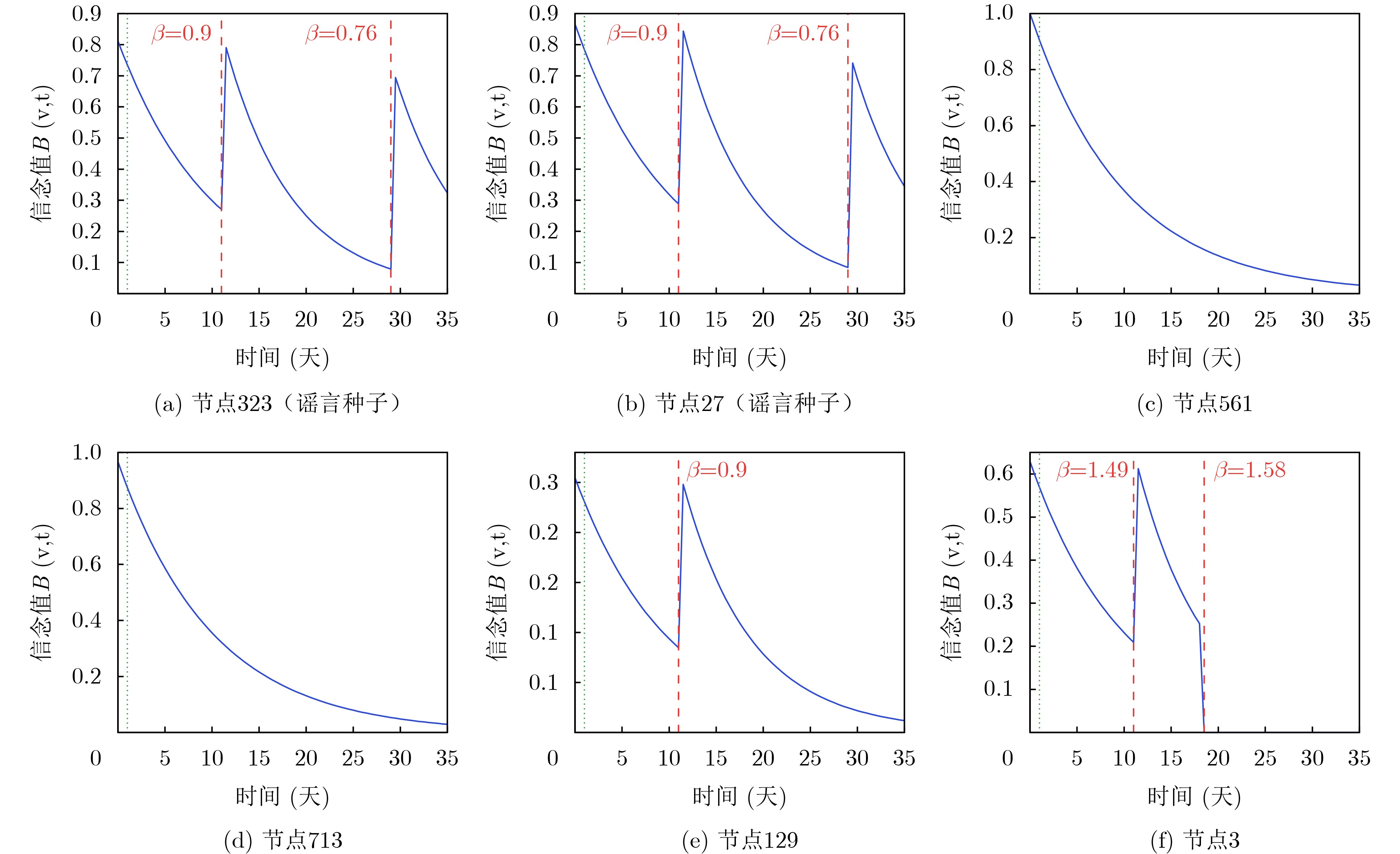
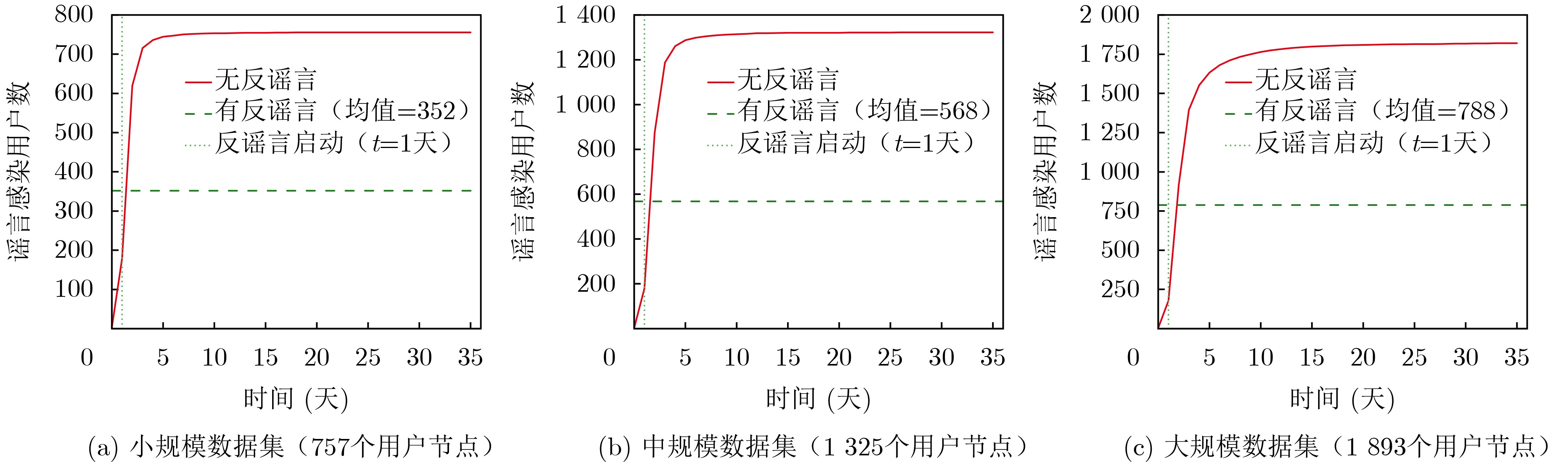
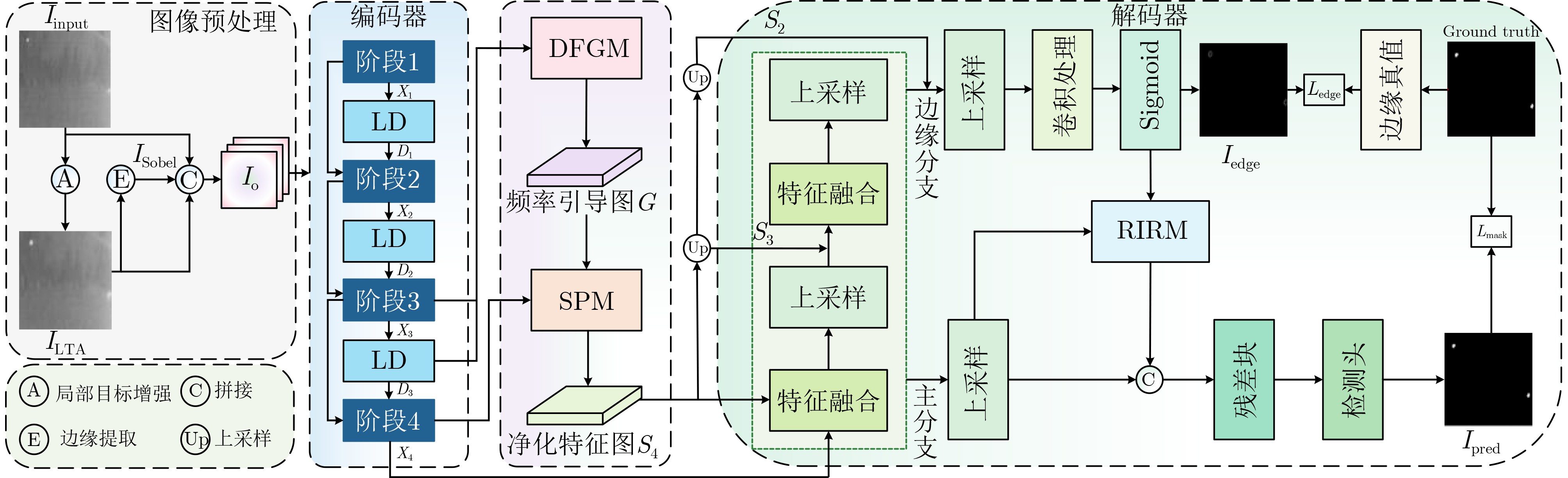
Continuous Federation of Noise-resistant Heterogeneous Medical Dialogue Using the Trustworthiness-based Evaluation
LIU Yupeng, ZHANG Jiang, TANG Shichen, MENG Xin, MENG Qingfeng
Available online  , doi: 10.11999/JEIT250057
Abstract:
  Objective   To address the key challenges of client model heterogeneity, data distribution heterogeneity, and text noise in medical dialogue federated learning, this paper proposes a trustworthiness-based, noise-resistant heterogeneous medical dialogue federated learning method, termed FedRH. FedRH enhances robustness by improving the objective function, aggregation strategy, and local update process, among other components, based on credibility evaluation.  Methods   Model training is divided into a local training stage and a heterogeneous federated learning stage. During local training, text noise is mitigated using a symmetric cross-entropy loss function, which reduces the risk of overfitting to noisy text. In the heterogeneous federated learning stage, an adaptive aggregation mechanism incorporates clean, noisy, and heterogeneous client texts by evaluating their quality. Local parameter updates consider both local and global parameters simultaneously, enabling continuous adaptive updates that improve resistance to both random and structured (syntax/semantic) noise and model heterogeneity. The main contributions are threefold: (1) A local noise-resistant training strategy that uses symmetric cross-entropy loss to prevent overfitting to noisy text during local training; (2) A heterogeneous federated learning approach based on client trustworthiness, which evaluates each client’s text quality and learning effectiveness to compute trust scores. These scores are used to adaptively weight clients during model aggregation, thereby reducing the influence of low-quality data while accounting for text heterogeneity; (3) A local continuous adaptive aggregation mechanism, which allows the local model to integrate fine-grained global model information. This approach reduces the adverse effects of global model bias caused by heterogeneous and noisy text on local updates.  Results and Discussions   The effectiveness of the proposed model is systematically validated through extensive, multi-dimensional experiments. The results indicate that FedRH achieves substantial improvements over existing methods in noisy and heterogeneous federated learning scenarios (Table 2, Table 3). The study also presents training process curves for both heterogeneous models (Figure 3) and isomorphic models (Figure 6), supplemented by parameter sensitivity analysis, ablation experiments, and a case study.  Conclusions   The proposed FedRH framework significantly enhances the robustness of federated learning for medical dialogue tasks in the presence of heterogeneous and noisy text. The main conclusions are as follows: (1) Compared to baseline methods, FedRH achieves superior performance in client-side models under heterogeneous and noisy text conditions. It demonstrates improvements across multiple metrics, including precision, recall, and factual consistency, and converges more rapidly during training. (2) Ablation experiments confirm that both the symmetric cross-entropy-based local training strategy and the credibility-weighted heterogeneous aggregation approach contribute to performance gains.
Precise Hand Joint Motion Analysis Driven by Complex Physiological Information
YAN Jiaqing, LIU Gengchen, ZHOU Qingqi, XUE Weiqi, ZHOU Weiao, TIAN Yunzhi, WANG Jiaju, DONG Zhekang, LI Xiaoli
Available online  , doi: 10.11999/JEIT250033
Abstract:
  Objective  The human hand is a highly dexterous organ essential for performing complex tasks. However, dysfunction due to trauma, congenital anomalies, or disease substantially impairs daily activities. Restoring hand function remains a major challenge in rehabilitation medicine. Virtual Reality (VR) technology presents a promising approach for functional recovery by enabling hand pose reconstruction from surface ElectroMyoGraphy (sEMG) signals, thereby facilitating neural plasticity and motor relearning. Current sEMG-based hand pose estimation methods are limited by low accuracy and coarse joint resolution. This study proposes a new method to estimate the motion of 15 hand joints using eight-channel sEMG signals, offering a potential improvement in rehabilitation outcomes and quality of life for individuals with hand impairment.  Methods  The proposed method, termed All Hand joints Posture Estimation (AHPE), incorporates a continuous denoising network that combines sparse attention and multi-channel attention mechanisms to extract spatiotemporal features from sEMG signals. A dual-decoder architecture estimates both noisy hand poses and the corresponding correction ranges. These outputs are subsequently refined using a Bidirectional Long Short-Term Memory (BiLSTM) network to improve pose accuracy. Model training employs a composite loss function that integrates Mean Squared Error (MSE) and Kullback-Leibler (KL) divergence to enhance joint angle estimation and capture inter-joint dependencies. Performance is evaluated using the NinaproDB8 and NinaproDB5 datasets, which provide sEMG and hand pose data for single-finger and multi-finger movements, respectively.  Results and Discussions  The AHPE model outperforms existing methods—including CNN-Transformer, DKFN, CNN-LSTM, TEMPOnet, and RPC-Net—in estimating hand poses from multi-channel sEMG signals. In within-subject validation (Table 1), AHPE achieves a Root Mean Squared Error (RMSE) of 2.86, a coefficient of determination (R2) of 0.92, and a Mean Absolute Deviation (MAD) of 1.79° for MetaCarPophalangeal (MCP) joint rotation angle estimation. In between-subject validation (Table 2), the model maintains high accuracy with an RMSE of 3.72, an R2 of 0.88, and an MAD of 2.36°, demonstrating strong generalization. The model’s capacity to estimate complex hand gestures is further confirmed using the NinaproDB5 dataset. Estimated hand poses are visualized with the Mano Torch hand model (Fig. 4, Fig. 5). The average R2 values for finger joint extension estimation are 0.72 (thumb), 0.692 (index), 0.696 (middle), 0.689 (ring), and 0.696 (little finger). Corresponding RMSE values are 10.217°, 10.257°, 10.290°, 10.293°, and 10.303°, respectively. A grid error map (Fig. 6) highlights prediction accuracy, with red regions indicating higher errors.  Conclusions  The AHPE model offers an effective approach for estimating hand poses from sEMG signals, addressing key challenges such as signal noise, high dimensionality, and inter-individual variability. By integrating mixed attention mechanisms with a dual-decoder architecture, the model enhances both accuracy and robustness in multi-joint hand pose estimation. Results confirm the model’s capacity to reconstruct detailed hand kinematics, supporting its potential for applications in hand function rehabilitation and human-machine interaction. Future work will aim to improve robustness under real-world conditions, including sensor noise and environmental variation.
Breakthrough in Solving NP-Complete Problems Using Electronic Probe Computers
XU Jin, YU Le, YANG Huihui, JI Siyuan, ZHANG Yu, YANG Anqi, LI Quanyou, LI Haisheng, ZHU Enqiang, SHI Xiaolong, WU Pu, SHAO Zehui, LENG Huang, LIU Xiaoqing
Available online  , doi: 10.11999/JEIT250352
Abstract:
This study presents a breakthrough in addressing NP-complete problems using a newly developed Electronic Probe Computer (EPC60). The system employs a hybrid serial–parallel computational model and performs large-scale parallel operations through seven probe operators. In benchmark tests on 3-coloring problems in graphs with 2,000 vertices, EPC60 achieves 100% accuracy, outperforming the mainstream solver Gurobi, which succeeds in only 6% of cases. Computation time is reduced from 15 days to 54 seconds. The system demonstrates high scalability and offers a general-purpose solution for complex optimization problems in areas such as supply chain management, finance, and telecommunications.  Objective   NP-complete problems pose a fundamental challenge in computer science. As problem size increases, the required computational effort grows exponentially, making it infeasible for traditional electronic computers to provide timely solutions. Alternative computational models have been proposed, with biological approaches—particularly DNA computing—demonstrating notable theoretical advances. However, DNA computing systems continue to face major limitations in practical implementation.  Methods  Computational Model: EPC is based on a non-Turing computational model in which data are multidimensional and processed in parallel. Its database comprises four types of graphs, and the probe library includes seven operators, each designed for specific graph operations. By executing parallel probe operations, EPC efficiently addresses NP-complete problems.Structural Features:EPC consists of four subsystems: a conversion system, input system, computation system, and output system. The conversion system transforms the target problem into a graph coloring problem; the input system allocates tasks to the computation system; the computation system performs parallel operations via probe computation cards; and the output system maps the solution back to the original problem format.EPC60 features a three-tier hierarchical hardware architecture comprising a control layer, optical routing layer, and probe computation layer. The control layer manages data conversion, format transformation, and task scheduling. The optical routing layer supports high-throughput data transmission, while the probe computation layer conducts large-scale parallel operations using probe computation cards.  Results and Discussions  EPC60 successfully solved 100 instances of the 3-coloring problem for graphs with 2,000 vertices, achieving a 100% success rate. In comparison, the mainstream solver Gurobi succeeded in only 6% of cases. Additionally, EPC60 rapidly solved two 3-coloring problems for graphs with 1,500 and 2,000 vertices, which Gurobi failed to resolve after 15 days of continuous computation on a high-performance workstation.Using an open-source dataset, we identified 1,000 3-colorable graphs with 1,000 vertices and 100 3-colorable graphs with 2,000 vertices. These correspond to theoretical complexities of O(1.3289n) for both cases. The test results are summarized in Table 1.Currently, EPC60 can directly solve 3-coloring problems for graphs with up to n vertices, with theoretical complexity of at least O(1.3289n).On April 15, 2023, a scientific and technological achievement appraisal meeting organized by the Chinese Institute of Electronics was held at Beijing Technology and Business University. A panel of ten senior experts conducted a comprehensive technical evaluation and Q&A session. The committee reached the following unanimous conclusions:1. The probe computer represents an original breakthrough in computational models.2. The system architecture design demonstrates significant innovation.3. The technical complexity reaches internationally leading levels.4. It provides a novel approach to solving NP-complete problems.Experts at the appraisal meeting stated, “This is a major breakthrough in computational science achieved by our country, with not only theoretical value but also broad application prospects.” In cybersecurity, EPC60 has also demonstrated remarkable potential. Supported by the National Key R&D Program of China (2019YFA0706400), Professor Xu Jin’s team developed an automated binary vulnerability mining system based on a function call graph model. Evaluation of the system using the Modbus Slave software showed over 95% vulnerability coverage, far exceeding the 75 vulnerabilities detected by conventional depth-first search algorithms. The system also discovered a previously unknown flaw, the “Unauthorized Access Vulnerability in Changyuan Shenrui PRS-7910 Data Gateway” (CNVD-2020-31406), highlighting EPC60’s efficacy in cybersecurity applications.The high efficiency of EPC60 derives from its unique computational model and hardware architecture. Given that all NP-complete problems can be polynomially reduced to one another, EPC60 provides a general-purpose solution framework. It is therefore expected to be applicable in a wide range of domains, including supply chain management, financial services, telecommunications, energy, and manufacturing.  Conclusions   The successful development of EPC offers a novel approach to solving NP-complete problems. As technological capabilities continue to evolve, EPC is expected to demonstrate strong computational performance across a broader range of application domains. Its distinctive computational model and hardware architecture also provide important insights for the design of next-generation computing systems.
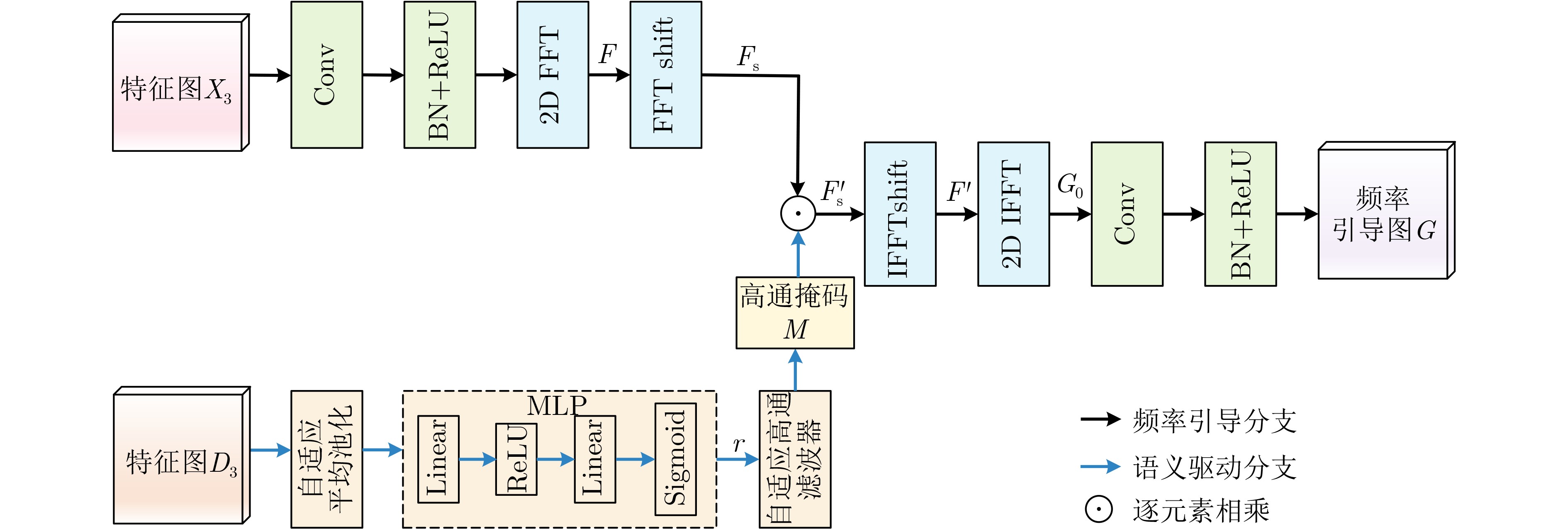
Research on an EEG-based Neurofeedback System for the Auxiliary Intervention of Post-Traumatic Stress Disorder
TAN Lize, DING Peng, WANG Fan, LI Na, GONG Anmin, NAN Wenya, LI Tianwen, ZHAO Lei, FU Yunfa
Available online  , doi: 10.11999/JEIT250093
Abstract:
  Objective  The ElectroEncephaloGram (EEG)-based Neurofeedback Regulation (ENR) system is designed for real-time modulation of dysregulated stress responses to reduce symptoms of Post-Traumatic Stress Disorder (PTSD) and anxiety. This study evaluates the system’s effectiveness and applicability using a series of neurofeedback paradigms tailored for both PTSD patients and healthy participants.  Methods  Employing real-time EEG monitoring and feedback, the ENR system targets the regulation of alpha wave activity, to alleviate mental health symptoms associated with dysregulated stress responses. The system integrates MATLAB and Unity3D to support a complete workflow for EEG data acquisition, processing, storage, and visual feedback. Experimental validation includes both PTSD patients and healthy participants to assess the system’s effects on neuroplasticity and emotional regulation. Primary assessment indices include changes in alpha wave dynamics and self-reported reductions in stress and anxiety.  Results and Discussions  Compared with conventional therapeutic methods, the ENR system shows significant potential in reducing symptoms of PTSD and anxiety. During functionality tests, the system effectively captures and regulates alpha wave activity, enabling real-time and efficient neurofeedback. Dynamic adjustment of feedback thresholds and task paradigms allows participants to improve stress responses and emotional states following training. Quantitative data indicate clear enhancements in EEG pattern modulation, while qualitative assessments reflect improvements in participants’ self-reported stress and anxiety levels.  Conclusion  This study presents an effective and practical EEG-based neurofeedback regulation system that proves applicable and beneficial for both individuals with PTSD and healthy participants. The successful implementation of the system provides a new technological approach for mental health interventions and supports ongoing personalized neuroregulation strategies. Future research should explore broader applications of the system across neurological conditions to fully assess its efficacy and scalability.
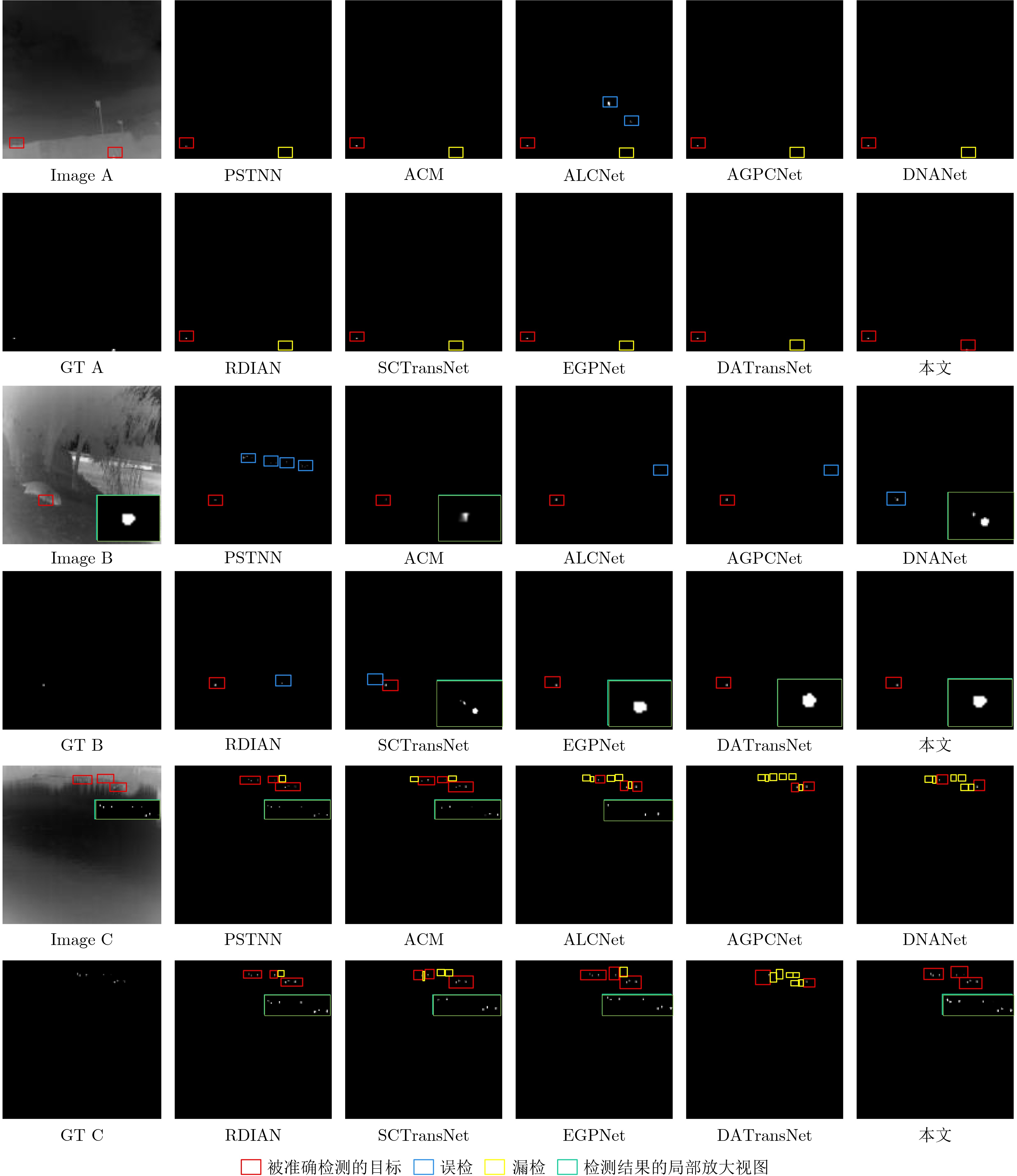
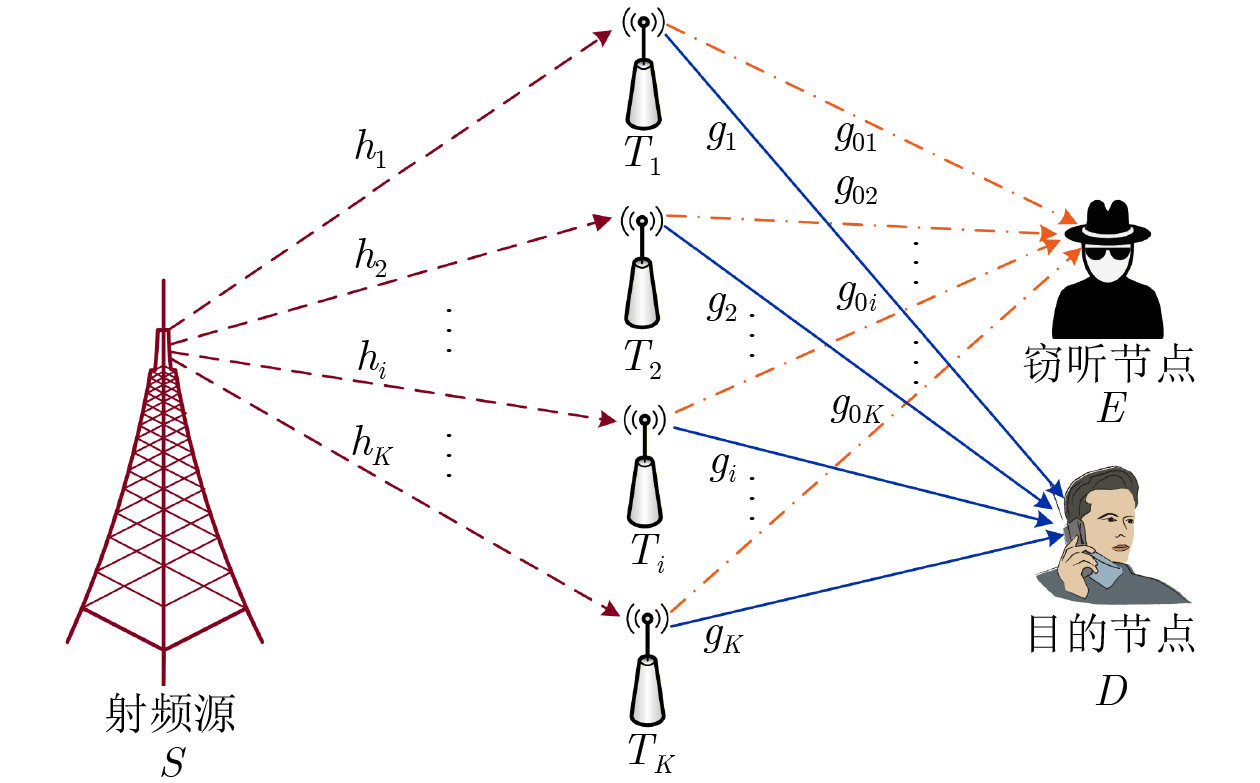
Personalized Federated Learning Method Based on Collation Game and Knowledge Distillation
SUN Yanhua, SHI Yahui, LI Meng, YANG Ruizhe, SI Pengbo
Available online  , doi: 10.11999/JEIT221203
Abstract:
To overcome the limitation of the Federated Learning (FL) when the data and model of each client are all heterogenous and improve the accuracy, a personalized Federated learning algorithm with Collation game and Knowledge distillation (pFedCK) is proposed. Firstly, each client uploads its soft-predict on public dataset and download the most correlative of the k soft-predict. Then, this method apply the shapley value from collation game to measure the multi-wise influences among clients and quantify their marginal contribution to others on personalized learning performance. Lastly, each client identify it’s optimal coalition and then distill the knowledge to local model and train on private dataset. The results show that compared with the state-of-the-art algorithm, this approach can achieve superior personalized accuracy and can improve by about 10%.
The Range-angle Estimation of Target Based on Time-invariant and Spot Beam Optimization
Wei CHU, Yunqing LIU, Wenyug LIU, Xiaolong LI
Available online  , doi: 10.11999/JEIT210265
Abstract:
The application of Frequency Diverse Array and Multiple Input Multiple Output (FDA-MIMO) radar to achieve range-angle estimation of target has attracted more and more attention. The FDA can simultaneously obtain the degree of freedom of transmitting beam pattern in angle and range. However, its performance is degraded due to the periodicity and time-varying of the beam pattern. Therefore, an improved Estimating Signal Parameter via Rotational Invariance Techniques (ESPRIT) algorithm to estimate the target’s parameters based on a new waveform synthesis model of the Time Modulation and Range Compensation FDA-MIMO (TMRC-FDA-MIMO) radar is proposed. Finally, the proposed method is compared with identical frequency increment FDA-MIMO radar system, logarithmically increased frequency offset FDA-MIMO radar system and MUltiple SIgnal Classification (MUSIC) algorithm through the Cramer Rao lower bound and root mean square error of range and angle estimation, and the excellent performance of the proposed method is verified.
Satellite Navigation
Research on GRI Combination Design of eLORAN System
LIU Shiyao, ZHANG Shougang, HUA Yu
Available online  , doi: 10.11999/JEIT201066
Abstract:
To solve the problem of Group Repetition Interval (GRI) selection in the construction of the enhanced LORAN (eLORAN) system supplementary transmission station, a screening algorithm based on cross interference rate is proposed mainly from the mathematical point of view. Firstly, this method considers the requirement of second information, and on this basis, conducts a first screening by comparing the mutual Cross Rate Interference (CRI) with the adjacent Loran-C stations in the neighboring countries. Secondly, a second screening is conducted through permutation and pairwise comparison. Finally, the optimal GRI combination scheme is given by considering the requirements of data rate and system specification. Then, in view of the high-precision timing requirements for the new eLORAN system, an optimized selection is made in multiple optimal combinations. The analysis results show that the average interference rate of the optimal combination scheme obtained by this algorithm is comparable to that between the current navigation chains and can take into account the timing requirements, which can provide referential suggestions and theoretical basis for the construction of high-precision ground-based timing system.