Advanced Search
Turn off MathJax
Article Contents
LIU Jia, MAO Die, JIANG Zirui, CAO Yihan, CHEN Dapeng. DCP-YOLO: A Lightweight Anti-UAV Object Detection Network[J]. Journal of Electronics & Information Technology. doi: 10.11999/JEIT261031
Citation: LIU Jia, MAO Die, JIANG Zirui, CAO Yihan, CHEN Dapeng. DCP-YOLO: A Lightweight Anti-UAV Object Detection Network[J]. Journal of Electronics & Information Technology. doi: 10.11999/JEIT261031

DCP-YOLO: A Lightweight Anti-UAV Object Detection Network

doi: 10.11999/JEIT261031 cstr: 32379.14.JEIT261031
Funds:  The National Natural Science Foundation of China (62473200, 62203226), Jiangsu Province Youth Science and Technology Talent Support Project (JSTJ-2024-195), “Qinglan Project” of Jiangsu Province
  • Received Date: 2026-07-27
  • Accepted Date: 2026-10-19
  • Rev Recd Date: 2026-10-19
  • Available Online: 2026-10-28
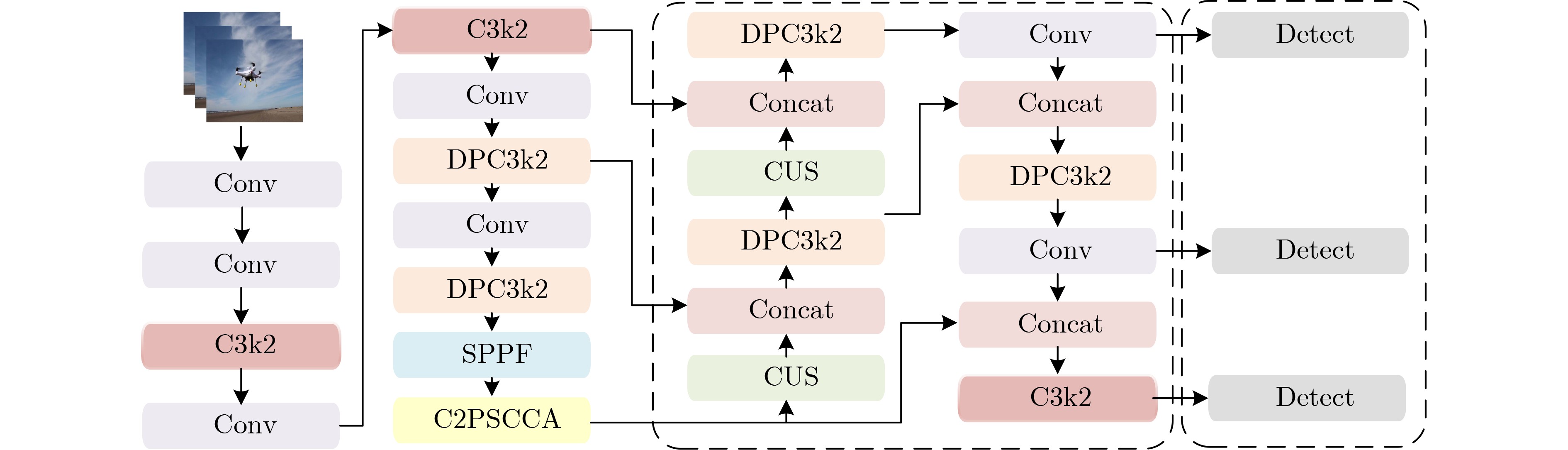
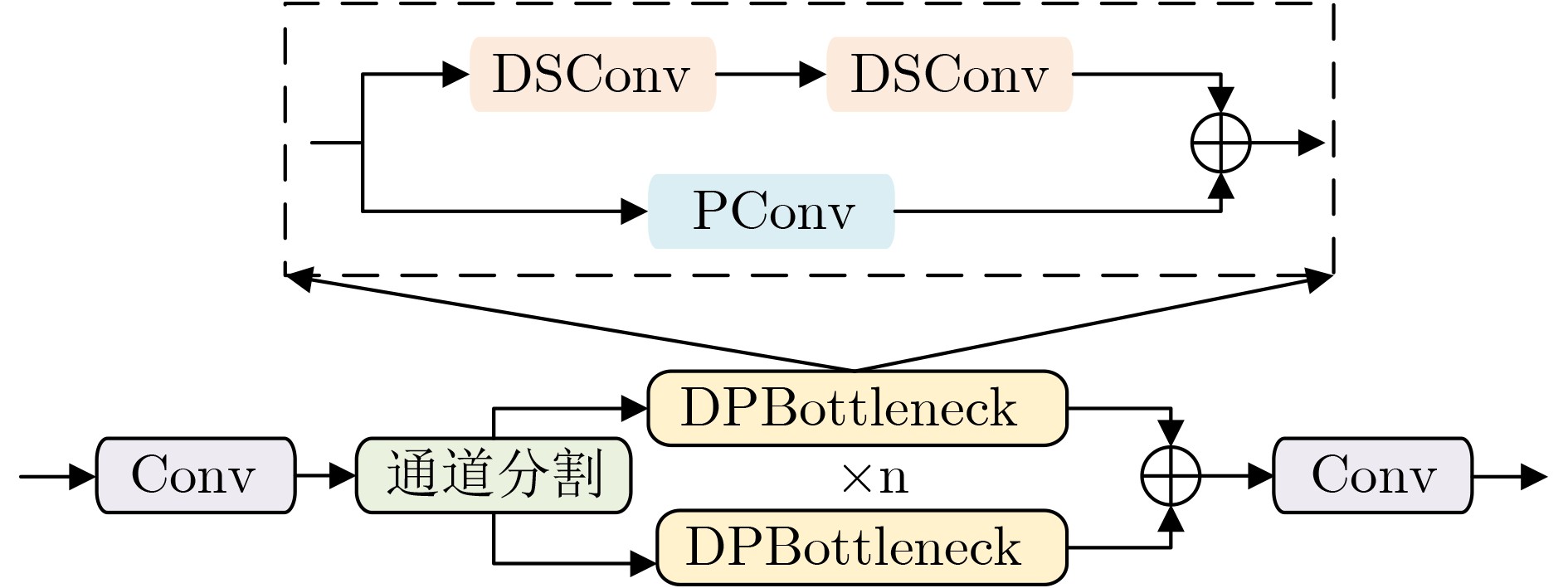
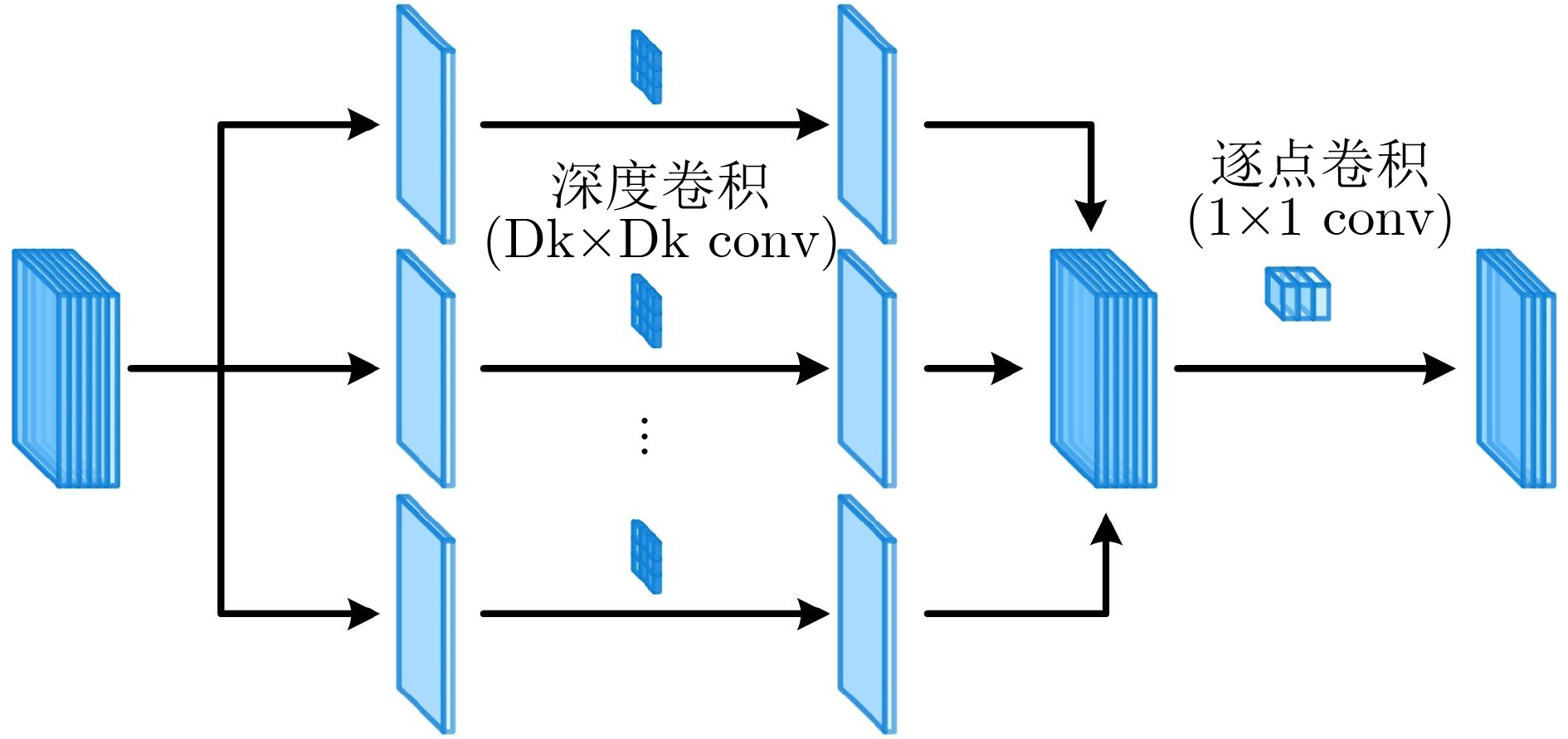
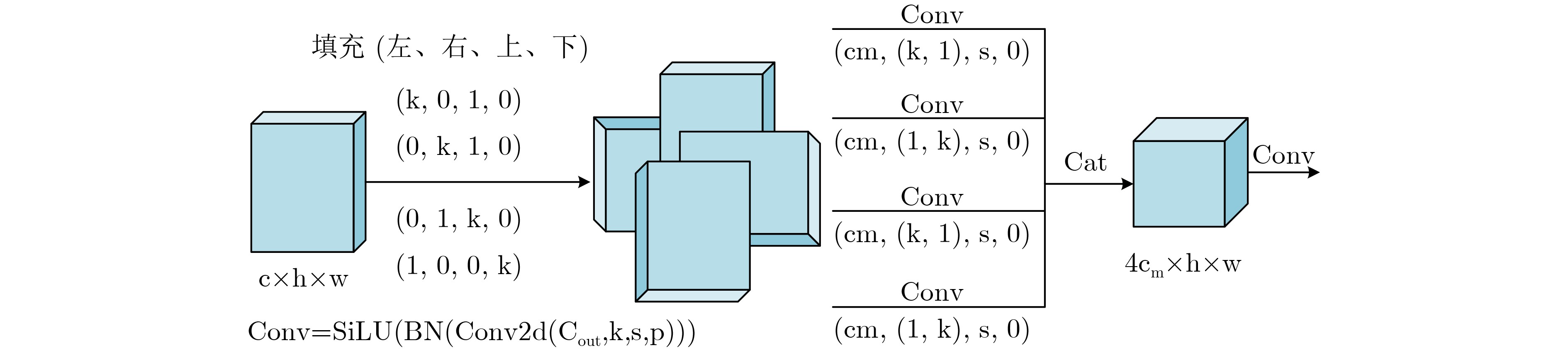
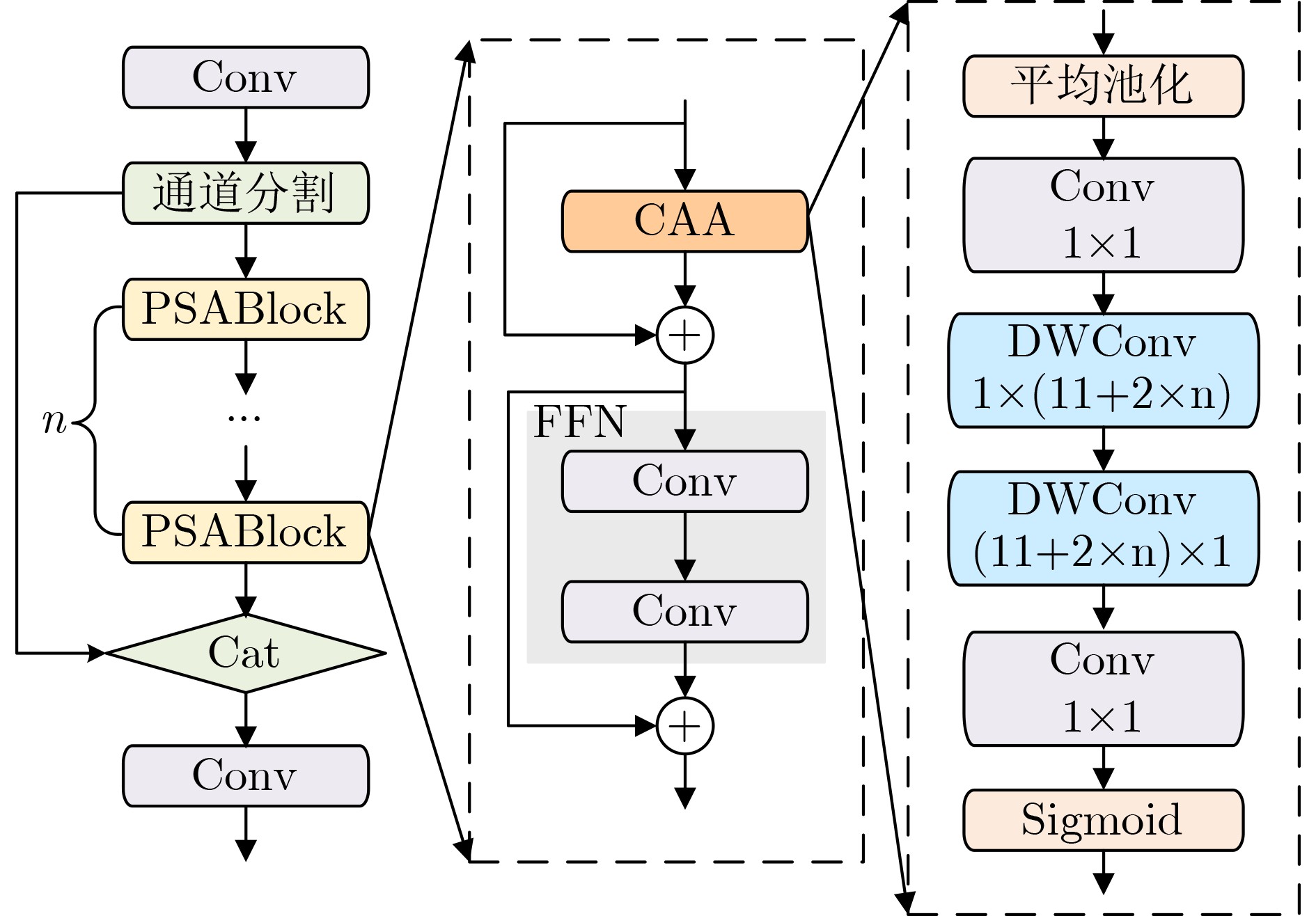
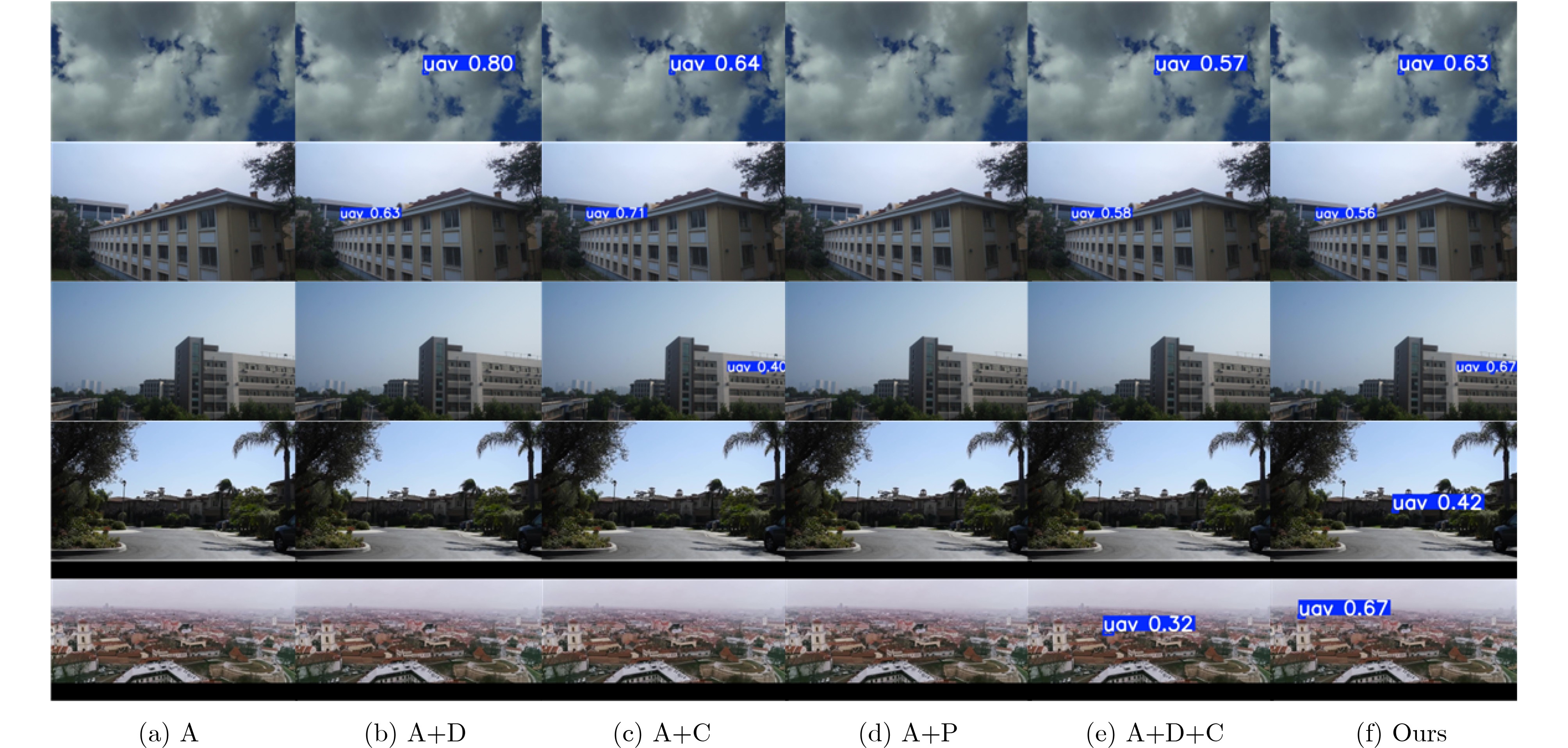
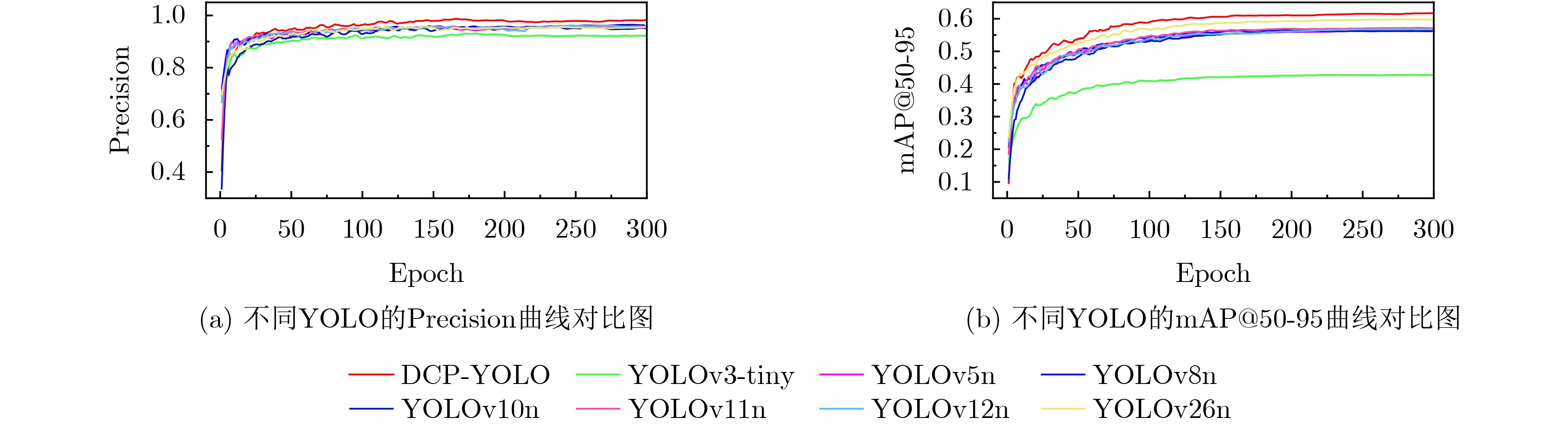
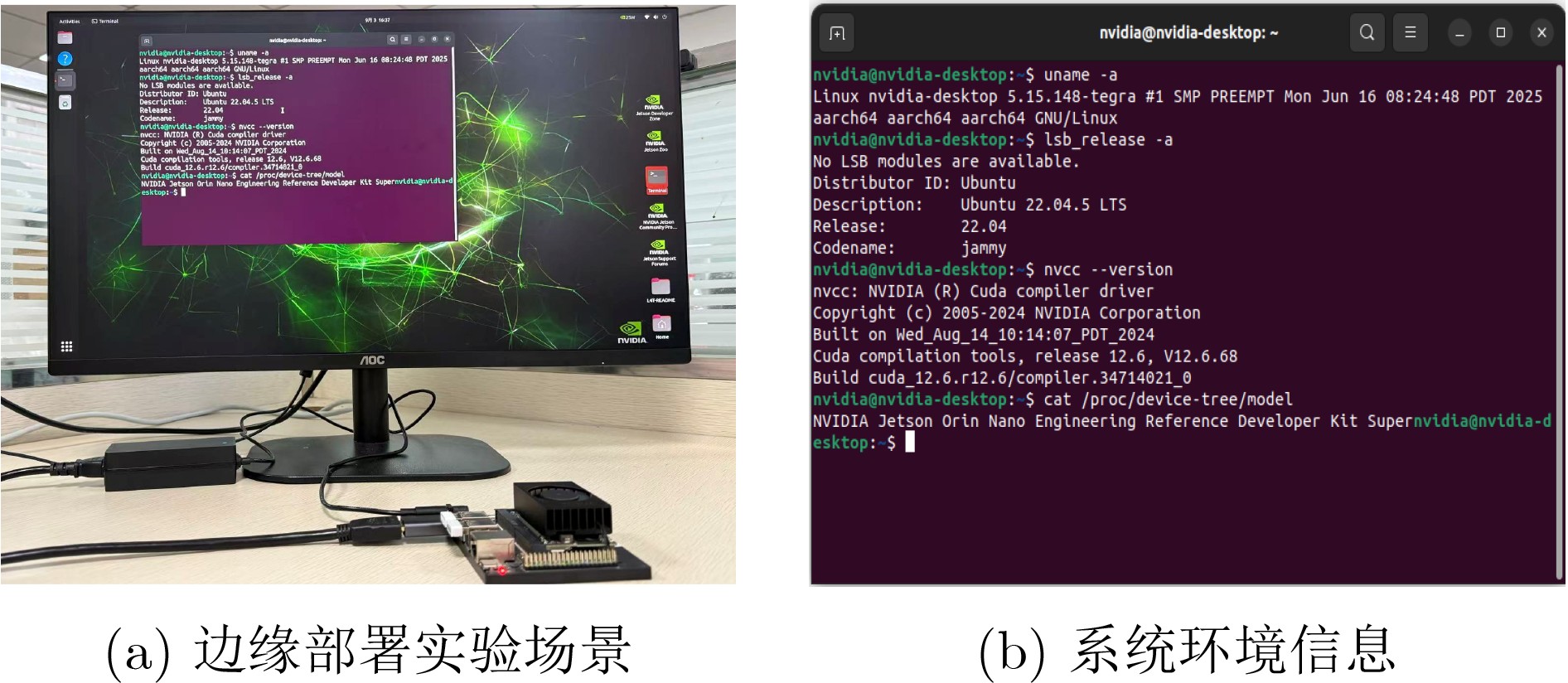
  •   Objective  With the rapid development of the low-altitude economy, Unmanned Aerial Vehicles (UAVs) are increasingly used in aerial photography, logistics, environmental monitoring, and emergency rescue. However, unauthorized UAV operations pose growing challenges to public safety and low-altitude airspace management. Vision-based anti-UAV detection has attracted considerable attention because of its relatively low cost, rich visual information, and ease of deployment. Compared with objects in conventional detection tasks, UAV targets in low-altitude surveillance images are often characterized by small sizes, weak textures, substantial pose variations, and complex background interference. Repeated feature downsampling can weaken or eliminate their edge and structural information, resulting in missed detections, false alarms, and inaccurate localization. Furthermore, practical anti-UAV detection systems must balance detection accuracy, computational complexity, and real-time performance under limited hardware resources. Existing lightweight detection networks often struggle to preserve discriminative spatial details while maintaining computational efficiency, particularly when UAV targets occupy only a small proportion of the input image. To address these challenges, a lightweight anti-UAV object detection network, DCP-YOLO, is proposed based on YOLOv26n, a model from the You Only Look Once (YOLO) family. The objective is to improve the feature representation and detection accuracy of tiny UAV targets while maintaining a compact network structure and real-time inference capability.  Methods  DCP-YOLO is developed by modifying the lightweight YOLOv26n framework to improve the detection performance of tiny UAV targets while maintaining real-time inference capability. The network incorporates three complementary modules. First, a lightweight feature extraction module, DPC3k2, is designed by integrating Depthwise Separable Convolution (DSConv) and Pinwheel-shaped Convolution (PConv) into the backbone network. This module enhances multidirectional feature representation while reducing computational complexity, enabling more discriminative feature extraction for small UAV targets. DSConv reduces redundant computation by separating spatial feature extraction from channel mapping, while PConv uses asymmetrically padded convolutional branches to capture directional edge and contour information. Second, a learnable reverse upsampling module, CUS, is introduced during feature fusion to replace conventional interpolation-based upsampling. By reconstructing high-frequency edge and texture information lost during downsampling, CUS improves feature reconstruction quality and preserves spatial details during cross-scale feature fusion. Third, a contextual attention enhancement module, C2PSCAA, is constructed by incorporating Context Anchor Attention (CAA) into the C2PSA structure. This module is placed at the end of the backbone network to strengthen long-range spatial dependency modeling and multiscale contextual feature representation with limited additional computational overhead. Through the coordinated optimization of lightweight feature extraction, high-frequency detail reconstruction, and contextual attention modeling, DCP-YOLO improves the representation of tiny UAV targets while maintaining low computational complexity and supporting efficient inference.  Results and Discussions  Experiments are conducted on the DUT Anti-UAV, TIB-Net, and VisDrone2019 datasets to evaluate the detection accuracy, computational efficiency, and generalization capability of DCP-YOLO. The ablation results in Table 2 and Table 4 demonstrate the contributions of DPC3k2, CUS, and C2PSCAA to lightweight feature extraction, high-frequency detail reconstruction, and contextual feature modeling, respectively. On the DUT Anti-UAV dataset, integrating these modules increases precision, recall, mAP@50, and mAP@50-95 to 98.7%, 90.0%, 92.4%, and 61.7%, respectively. The resulting model contains only 2.29 M parameters and achieves an inference speed of 210.71 frames per second (fps). On the TIB-Net dataset, DCP-YOLO achieves an mAP@50 of 91.0% and an mAP@50-95 of 39.0%, representing improvements of 1.2 and 2.6 percentage points over the baseline, respectively. These results confirm the effectiveness and complementary contributions of the three modules under different target scales and background conditions. The visualization results in Fig. 6 further illustrate the improved detection of tiny UAV targets in cluttered scenes, with fewer missed detections and false alarms in the examples shown. The comparison results in Table 5 indicate that DCP-YOLO achieves higher detection accuracy than the evaluated YOLO-series detectors while maintaining low computational complexity and a compact model size. Compared with the baseline YOLOv26n, mAP@50 and mAP@50-95 increase from 90.0% and 59.4% to 92.4% and 61.7%, respectively, corresponding to improvements of 2.4 and 2.3 percentage points. Meanwhile, computational complexity decreases from 5.2 to 5.0 Giga Floating-Point Operations (GFLOPs). The convergence curves in Fig. 8 show that DCP-YOLO maintains higher precision and mAP@50-95 during training. Furthermore, the comparison results in Table 6 demonstrate that the proposed method achieves competitive or superior detection performance compared with recent anti-UAV and small-object detection methods while retaining a lightweight architecture. The detection results in Fig. 7 further illustrate its ability to identify tiny UAV targets against complex backgrounds. The results on VisDrone2019 in Tables 7 and 8 show that DCP-YOLO also improves detection performance while reducing the number of parameters, computational complexity, and model size. Although VisDrone2019 differs substantially from anti-UAV datasets in target categories and imaging viewpoints, DCP-YOLO improves mAP@50-95 by 1.1 percentage points over YOLOv26n, indicating its adaptability to different scene conditions. To evaluate practical deployment feasibility, the models are further tested on an NVIDIA Jetson Orin Nano platform using TensorRT acceleration under a 25 W power setting, as illustrated in Fig. 9. As shown in Table 9, DCP-YOLO achieves an mAP@50 of 94.59%, an mAP@50-95 of 62.70%, and an inference speed of 116.02 fps in 16-bit Floating-Point (FP16) mode, with a memory consumption of 3.00 GB. Although the inference speed is lower than the 181.27 fps achieved by the baseline on the same edge platform, DCP-YOLO maintains real-time inference capability while achieving higher detection accuracy. The reduction in inference speed may be partly attributable to the additional frequency-domain computations required by the CUS module. These results indicate that reductions in theoretical computational complexity do not necessarily translate into corresponding improvements in actual inference speed.  Conclusions  A lightweight anti-UAV object detection network, DCP-YOLO, is proposed to address the challenges of insufficient small-target feature representation, high-frequency detail loss, and limited computational resources in low-altitude UAV detection. By jointly optimizing lightweight feature extraction, learnable reverse upsampling, and contextual attention modeling, the proposed method improves the detection accuracy of tiny UAV targets while maintaining a compact network structure. Experimental results on the DUT Anti-UAV, TIB-Net, and VisDrone2019 datasets demonstrate the effectiveness of the proposed modules and their applicability under different scene conditions. Compared with the baseline network, DCP-YOLO achieves higher detection accuracy with fewer parameters and lower theoretical computational complexity. Edge deployment experiments further demonstrate that the proposed method maintains real-time inference capability on a resource-constrained platform despite the additional computational overhead associated with feature reconstruction. Nevertheless, detecting extremely small targets under severe occlusion, adverse weather, and low-light conditions remains challenging because of the degradation of discriminative visual information. In addition, the current network primarily relies on single-frame images and does not explicitly exploit temporal information from consecutive frames or complementary information from multiple sensing modalities. Future work will investigate the integration of target tracking, temporal feature modeling, and multimodal perception, together with further optimization of computationally intensive operations and model compression, to improve detection robustness, generalization capability, and deployment efficiency in complex low-altitude environments.
  • loading
  • [1]
    聂伟, 戴琪霏, 杨小龙, 等. 基于多维信号特征的无人机探测识别方法[J]. 电子与信息学报, 2024, 46(3): 1089–1099. doi: 10.11999/JEIT230302.

    NIE Wei, DAI Qifei, YANG Xiaolong, et al. Unmanned aerial vehicle detection and recognition method based on multi-dimensional signal feature[J]. Journal of Electronics & Information Technology, 2024, 46(3): 1089–1099. doi: 10.11999/JEIT230302.
    [2]
    STUDIAWAN H, GRISPOS G, and CHOO K K R. Unmanned aerial vehicle (UAV) forensics: The good, the bad, and the unaddressed[J]. Computers & Security, 2023, 132: 103340. doi: 10.1016/j.cose.2023.103340.
    [3]
    WANG Bingshu, LI Qiang, MAO Qianchen, et al. A survey on vision-based anti unmanned aerial vehicles methods[J]. Drones, 2024, 8(9): 518. doi: 10.3390/drones8090518.
    [4]
    CHAUHAN D, KAGATHARA H, MEWADA H, et al. Nation’s defense: A comprehensive review of anti-drone systems and strategies[J]. IEEE Access, 2025, 13: 53476–53505. doi: 10.1109/ACCESS.2025.3550338.
    [5]
    GIRSHICK R, DONAHUE J, DARRELL T, et al. Rich feature hierarchies for accurate object detection and semantic segmentation[C]. 2014 IEEE Conference on Computer Vision and Pattern Recognition, Columbus, USA, 2014: 580–587. doi: 10.1109/CVPR.2014.81.
    [6]
    GIRSHICK R. Fast R-CNN[C]. 2015 IEEE International Conference on Computer Vision (ICCV), Santiago, Chile, 2015: 1440–1448. doi: 10.1109/ICCV.2015.169.
    [7]
    HE Kaiming, GKIOXARI G, DOLLÁR P, et al. Mask R-CNN[C]. 2017 IEEE International Conference on Computer Vision (ICCV), Venice, Italy, 2017: 2980–2988. doi: 10.1109/ICCV.2017.322.
    [8]
    LIU Wei, ANGUELOV D, ERHAN D, et al. SSD: Single shot MultiBox detector[C]. 14th European Conference on Computer Vision – ECCV 2016, Amsterdam, The Netherlands, 2016: 21–37. doi: 10.1007/978-3-319-46448-0_2.
    [9]
    REDMON J, DIVVALA S, GIRSHICK R, et al. You only look once: Unified, real-time object detection[C]. 2016 IEEE Conference on Computer Vision and Pattern Recognition (CVPR), Las Vegas, USA, 2016: 779–788. doi: 10.1109/CVPR.2016.91.
    [10]
    SAPKOTA R, CHEPPALLY R H, SHARDA A, et al. YOLO26: Key architectural enhancements and performance benchmarking for real-time object detection[J]. arXiv preprint arXiv: 2509.25164, 2025.
    [11]
    HU Xiang, ZHANG Xinding, HU Jianmin, et al. AAP2-YOLO: A model improvement about counter-UAV detection[C]. 2025 IEEE 6th International Conference on Computer, Big Data, Artificial Intelligence (ICCBD+AI), Xiamen, China, 2025: 1–6. doi: 10.1109/ICCBDAI66607.2025.11388615.
    [12]
    WANG Rijun, YANG Chunhui, TENG Xianglong, et al. YOLO-ADD: A high-precision detection model for small low-altitude drones in complex scenarios[J]. Applied Soft Computing, 2026, 199: 115347. doi: 10.1016/j.asoc.2026.115347.
    [13]
    DING Shaobo, ZHANG Maowei, LIU Datong, et al. DCR-YOLO: An enhanced anti-UAV detection method based on triple collaborative optimization strategy[J]. Aerospace Science and Technology, 2026, 168: 111319. doi: 10.1016/j.ast.2025.111319.
    [14]
    JIANG Panpan, YANG Xiaohua, WAN Yaping, et al. DRBD-YOLOv8: A lightweight and efficient anti-UAV detection model[J]. Sensors, 2024, 24(22): 7148. doi: 10.3390/s24227148.
    [15]
    YANG Jiyuan, GUO Tao, HAN Jinzu, et al. YOLO11n-SMSH: An improved UAV target detection model for YOLO11n[EB/OL]. https://www.preprints.org/manuscript/202509.0262, 2025.
    [16]
    吴林, 曹雯. YOLO-SCDI: 基于改进YOLOv8的车辆检测算法[J]. 电子与信息学报, 2025, 47(10): 3967–3978. doi: 10.11999/JEIT250238.

    WU Lin and CAO Wen. YOLO-SCDI: A vehicle detection algorithm based on an improved YOLOv8[J]. Journal of Electronics & Information Technology, 2025, 47(10): 3967–3978. doi: 10.11999/JEIT250238.
    [17]
    侯国家, 马佳琦, 王岳川, 等. UWF-YOLO: 冗余信息优化的轻量化水下目标检测[J]. 电子与信息学报, 2026, 48(7): 2876–2886. doi: 10.11999/JEIT251129.

    HOU Guojia, MA Jiaqi, WANG Yuechuan, et al. UWF-YOLO: A lightweight framework for underwater object detection via redundant information optimization[J]. Journal of Electronics & Information Technology, 2026, 48(7): 2876–2886. doi: 10.11999/JEIT251129.
    [18]
    贾亮, 林铭文, 戚丽瑾, 等. 面向无人机航拍图像的多尺度目标检测研究[J]. 半导体光电, 2024, 45(3): 501–507,514. doi: 10.16818/j.issn1001-5868.2024010903.

    JIA Liang, LIN Mingwen, QI Lijin, et al. Multiscale target detection for UAV aerial images[J]. Semiconductor Optoelectronics, 2024, 45(3): 501–507,514. doi: 10.16818/j.issn1001-5868.2024010903.
    [19]
    FENG Sheng, PU Xingchen, HU Yanting, et al. ET-YOLOv6: Tiny object detection algorithm on UAV targets based on star operation and cross-level fusion mechanism[EB/OL]. https://www.preprints.org/manuscript/202501.1348, 2025.
    [20]
    WANG Songwei, SHUAI Jianping, YANG Yuzhu, et al. DRF-YOLO model for small UAV detection through multi-scale residual enhancement and progressive feature fusion[J]. Applied System Innovation, 2025, 8(6): 179. doi: 10.3390/asi8060179.
    [21]
    方贤进, 姜雪凤, 徐留权, 等. CFS-YOLO: 一种利用粗细粒度搜索与焦点调制的早期火灾检测方法[J]. 电子与信息学报, 2025, 47(6): 1976–1991. doi: 10.11999/JEIT240928.

    FANG Xianjin, JIANG Xuefeng, XU Liuquan, et al. CFS-YOLO: An early fire detection method via coarse and fine grain search and focus modulation[J]. Journal of Electronics & Information Technology, 2025, 47(6): 1976–1991. doi: 10.11999/JEIT240928.
    [22]
    刘杰, 刘书豪, 田明, 等. 复杂环境下无人机航拍小目标检测算法[J]. 电子与信息学报, 2026, 48(4): 1763–1773. doi: 10.11999/JEIT251126.

    LIU Jie, LIU Shuhao, TIAN Ming, et al. Small object detection algorithm for UAV aerial images in complex environments[J]. Journal of Electronics & Information Technology, 2026, 48(4): 1763–1773. doi: 10.11999/JEIT251126.
    [23]
    肖振久, 赖思宇, 曲海成. 多层次精细化无人机图像目标检测[J]. 光电工程, 2025, 52(5): 240287. doi: 10.12086/oee.2025.240287.

    XIAO Zhenjiu, LAI Siyu, and QU Haicheng. Multi-level refined UAV image target detection[J]. Opto-Electronic Engineering, 2025, 52(5): 240287. doi: 10.12086/oee.2025.240287.
    [24]
    YANG Qiu, CHEN Chunmei, GONG Yuming, et al. RCF-YOLO: High precision small object visual detection algorithm for anti-UAV[J]. Measurement, 2026, 275: 121260. doi: 10.1016/j.measurement.2026.121260.
    [25]
    DU Yan, DAI Zifeng, WU Teng, et al. TARG-YOLO: An efficient small target detection framework for UAV[J]. Machine Vision and Applications, 2026, 37(2): 35. doi: 10.1007/s00138-026-01792-2.
    [26]
    贾小军, 唐彪, 骆淑云, 等. 基于频域感知特征融合的无人机航拍图像小目标检测算法[J]. 光电工程, 2026, 53(2): 250208. doi: 10.12086/oee.2026.250208.

    JIA Xiaojun, TANG Biao, LUO Shuyun, et al. A small target detection algorithm for UAV aerial images based on frequency domain perception feature fusion[J]. Opto-Electronic Engineering, 2026, 53(2): 250208. doi: 10.12086/oee.2026.250208.
    [27]
    HOWARD A G, ZHU Menglong, CHEN Bo, et al. MobileNets: Efficient convolutional neural networks for mobile vision applications[EB/OL]. https://arxiv.org/abs/1704.04861, 2017.
    [28]
    YANG Jiangnan, LIU Shuangli, WU Jingjun, et al. Pinwheel-shaped convolution and scale-based dynamic loss for infrared small target detection[C]. The 39th AAAI Conference on Artificial Intelligence, Philadelphia, USA, 2025: 9202–9210. doi: 10.1609/aaai.v39i9.32996.
    [29]
    HUANG Xuhong, LIU Shiqi, ZHANG Kai, et al. Reverse convolution and its applications to image restoration[C]. 2025 IEEE/CVF International Conference on Computer Vision (ICCV), Honolulu, USA, 2025: 10507–10516. doi: 10.1109/ICCV51701.2025.00978.
    [30]
    CAI Xinhao, LAI Qiuxia, WANG Yuwei, et al. Poly kernel inception network for remote sensing detection[C]. 2024 IEEE/CVF Conference on Computer Vision and Pattern Recognition (CVPR), Seattle, USA, 2024: 27706–27716. doi: 10.1109/CVPR52733.2024.02617.
    [31]
    ZHAO Jie, ZHANG Jingshu, LI Dongdong, et al. Vision-based anti-UAV detection and tracking[J]. IEEE Transactions on Intelligent Transportation Systems, 2022, 23(12): 25323–25334. doi: 10.1109/TITS.2022.3177627.
    [32]
    SUN Han, YANG Jian, SHEN Jiaquan, et al. TIB-Net: Drone detection network with tiny iterative backbone[J]. IEEE Access, 2020, 8: 130697–130707. doi: 10.1109/ACCESS.2020.3009518.
    [33]
    ZHU Pengfei, WEN Longyin, DU Dawei, et al. Detection and tracking meet drones challenge[J]. IEEE Transactions on Pattern Analysis and Machine Intelligence, 2022, 44(11): 7380–7399. doi: 10.1109/tpami.2021.3119563.
  • 加载中

Catalog

    通讯作者: 陈斌, bchen63@163.com
    • 1. 

      沈阳化工大学材料科学与工程学院 沈阳 110142

    1. 本站搜索
    2. 百度学术搜索
    3. 万方数据库搜索
    4. CNKI搜索

    Figures(9)  / Tables(9)

    Article Metrics

    Article views (201) PDF downloads(43) Cited by()
    Proportional views
    Related

    /

    DownLoad:  Full-Size Img  PowerPoint
    Return
    Return