Advanced Search
Turn off MathJax
Article Contents
WU Wei, YANG Xinjie, WANG Shuai, MA Nan. Joint Power Control and Resource Allocation for NR-V2X Over Unlicensed Spectrum[J]. Journal of Electronics & Information Technology. doi: 10.11999/JEIT260796
Citation: WU Wei, YANG Xinjie, WANG Shuai, MA Nan. Joint Power Control and Resource Allocation for NR-V2X Over Unlicensed Spectrum[J]. Journal of Electronics & Information Technology. doi: 10.11999/JEIT260796

Joint Power Control and Resource Allocation for NR-V2X Over Unlicensed Spectrum

doi: 10.11999/JEIT260796 cstr: 32379.14.JEIT260796
Funds:  The National Natural Science Foundation of China (U21A20448)
  • Received Date: 2026-06-15
  • Accepted Date: 2026-09-17
  • Rev Recd Date: 2026-09-17
  • Available Online: 2026-09-27
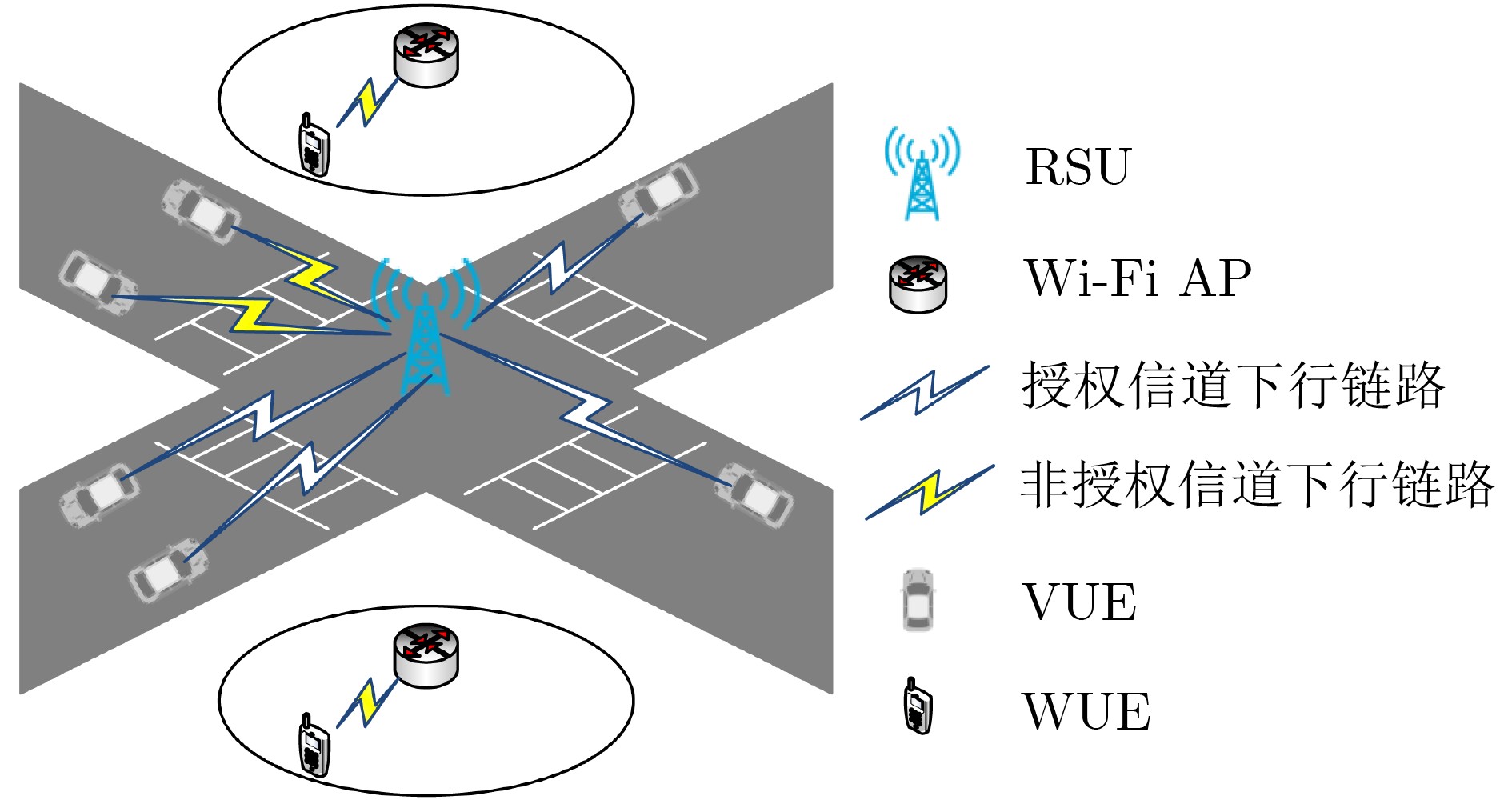
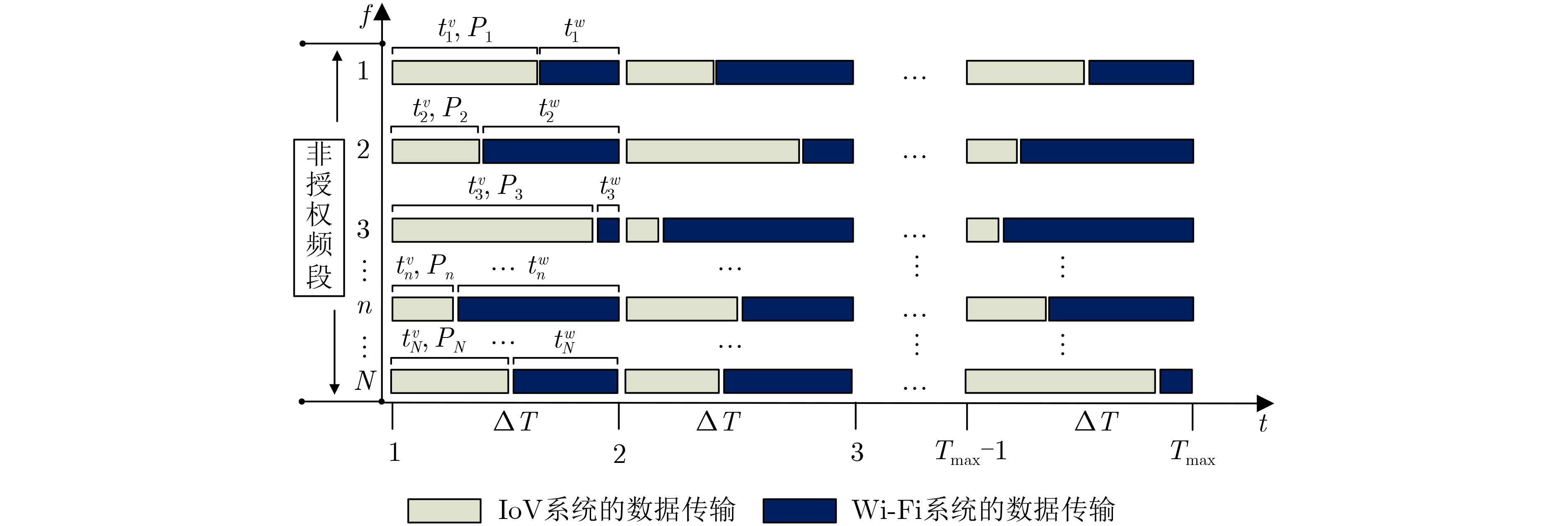
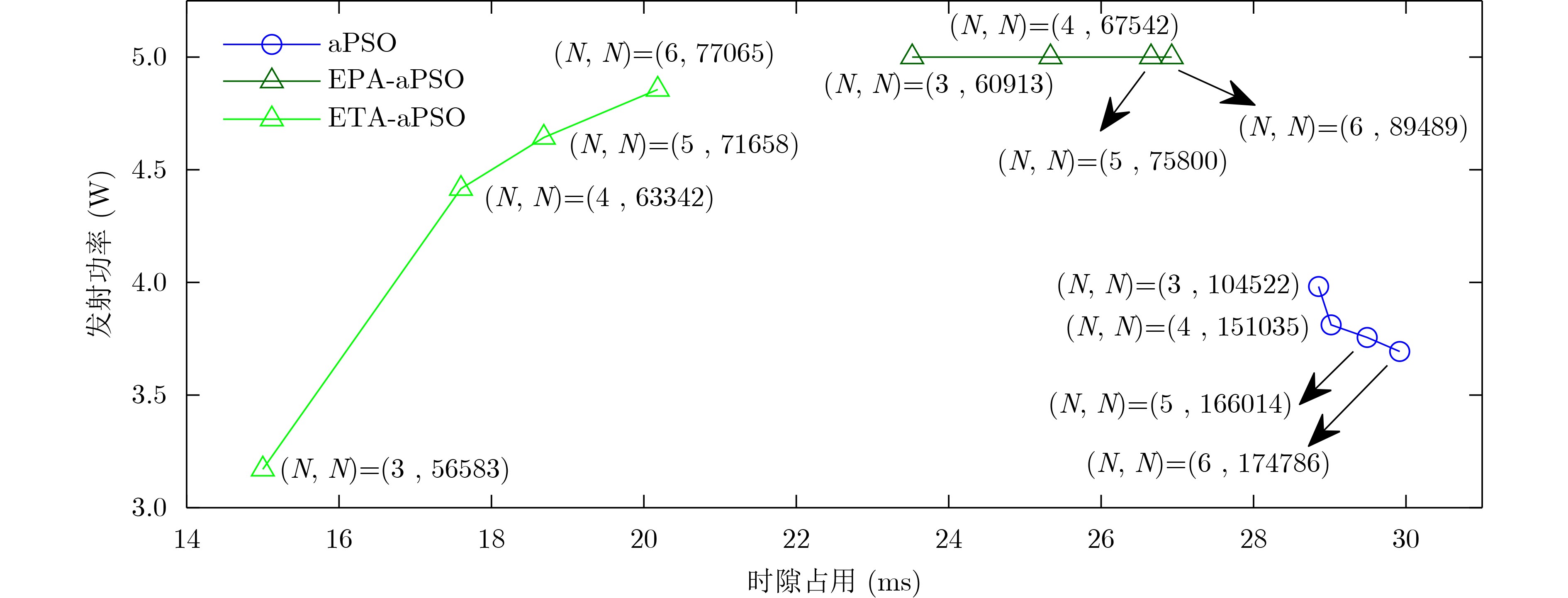
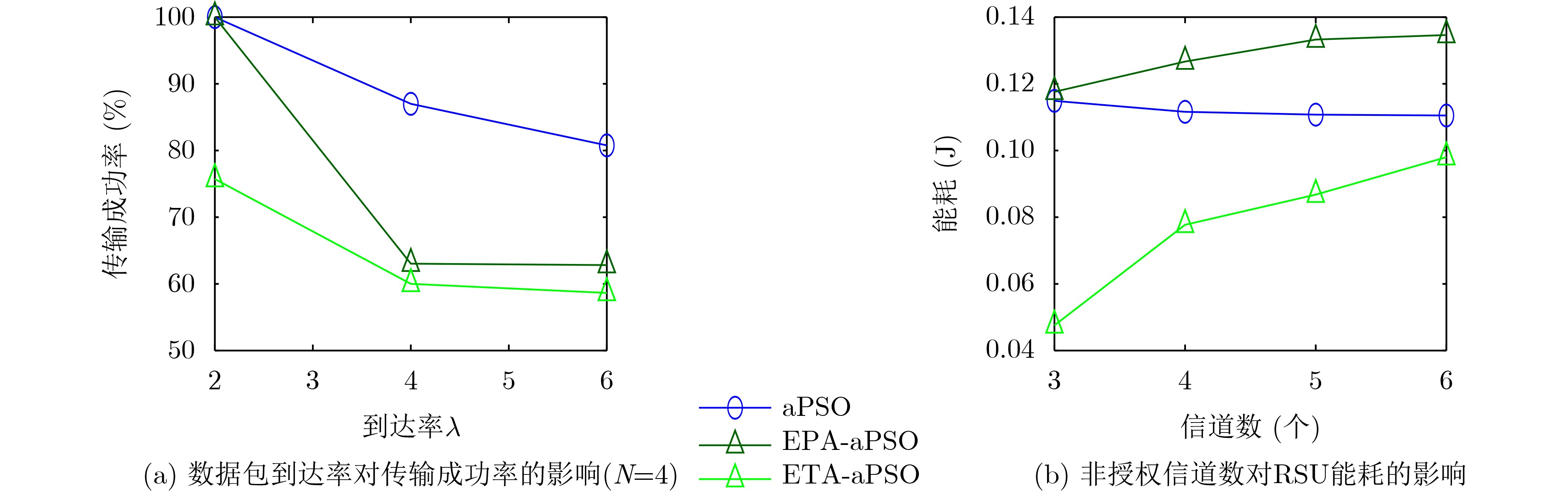
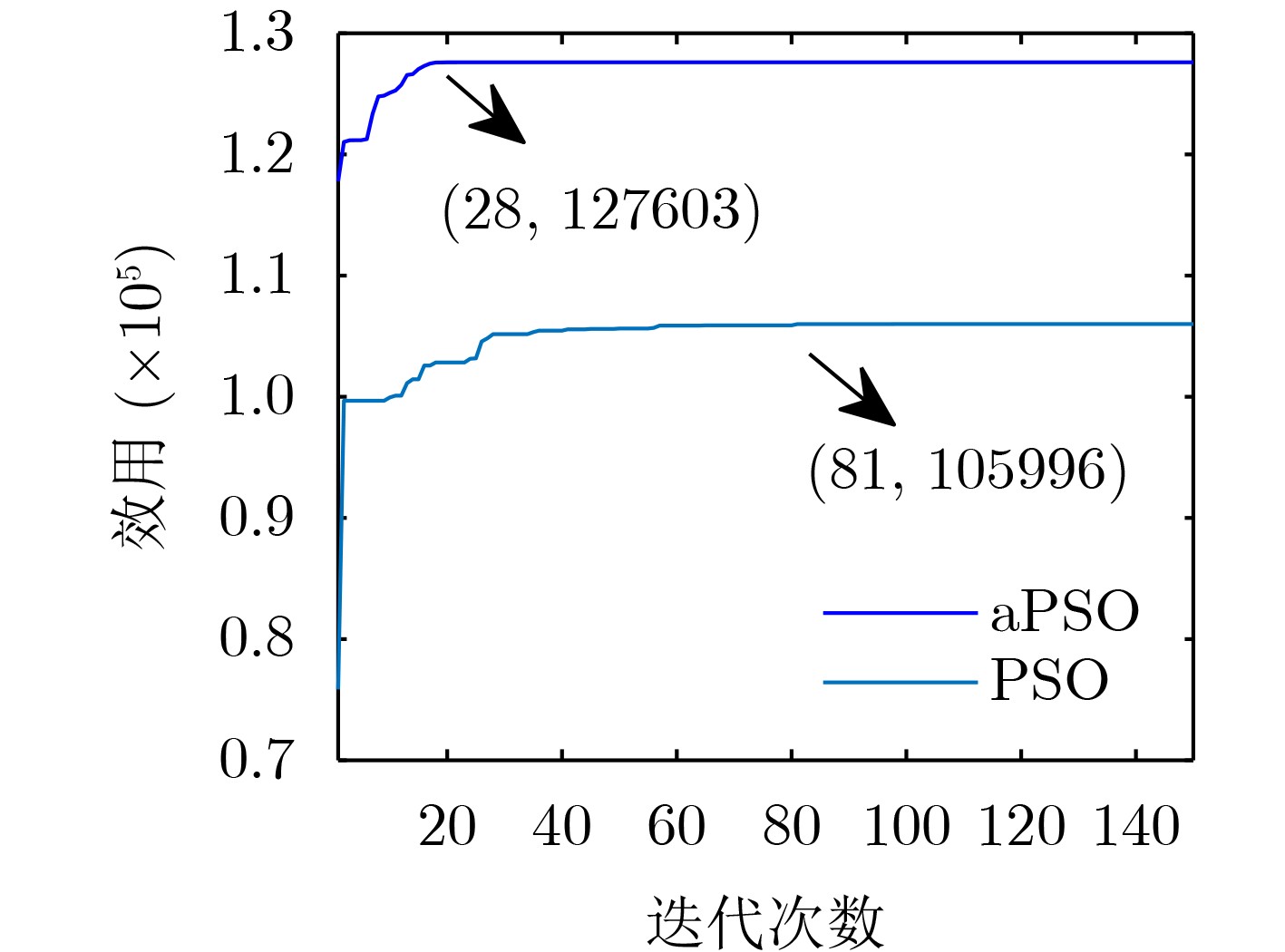
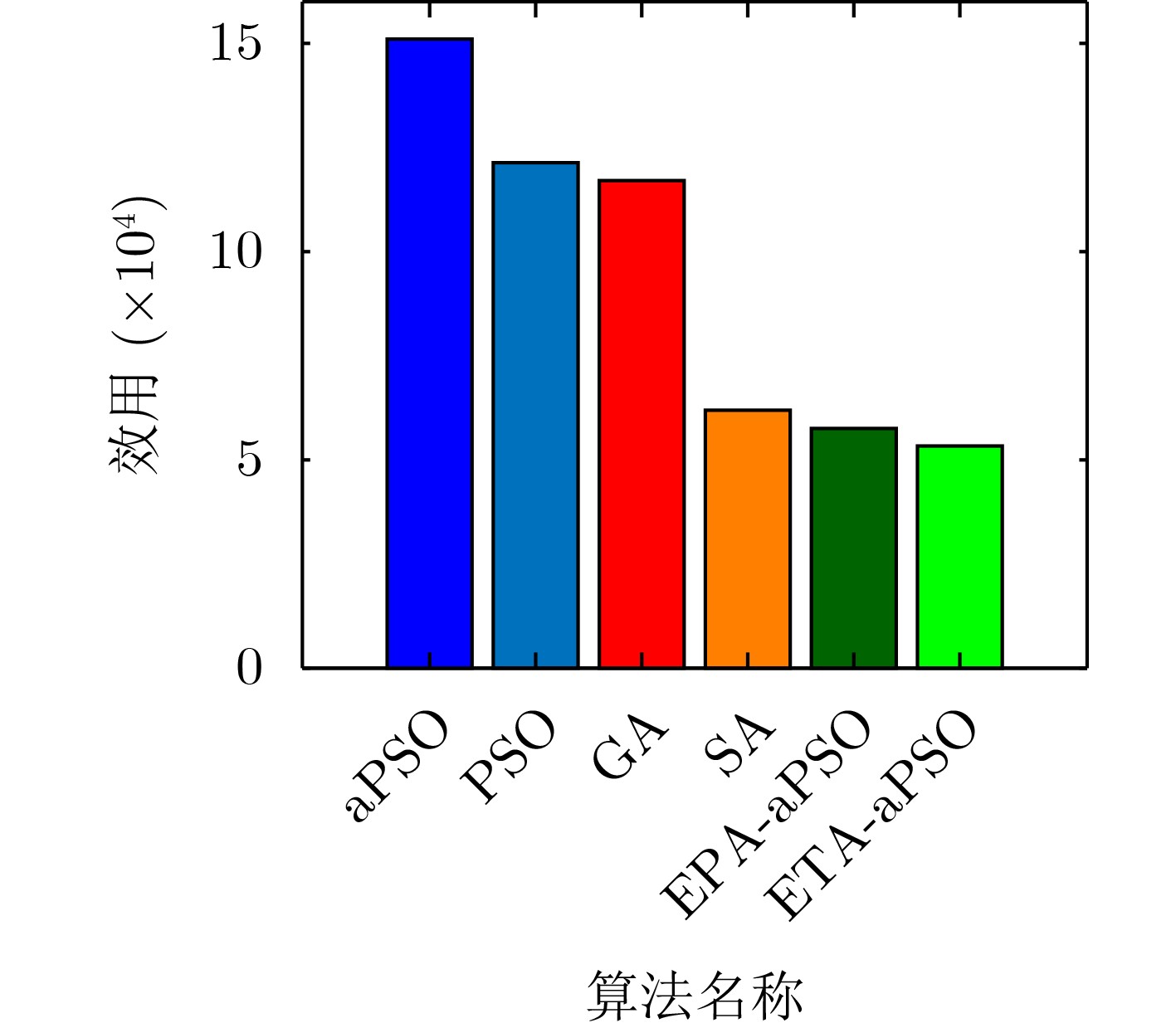
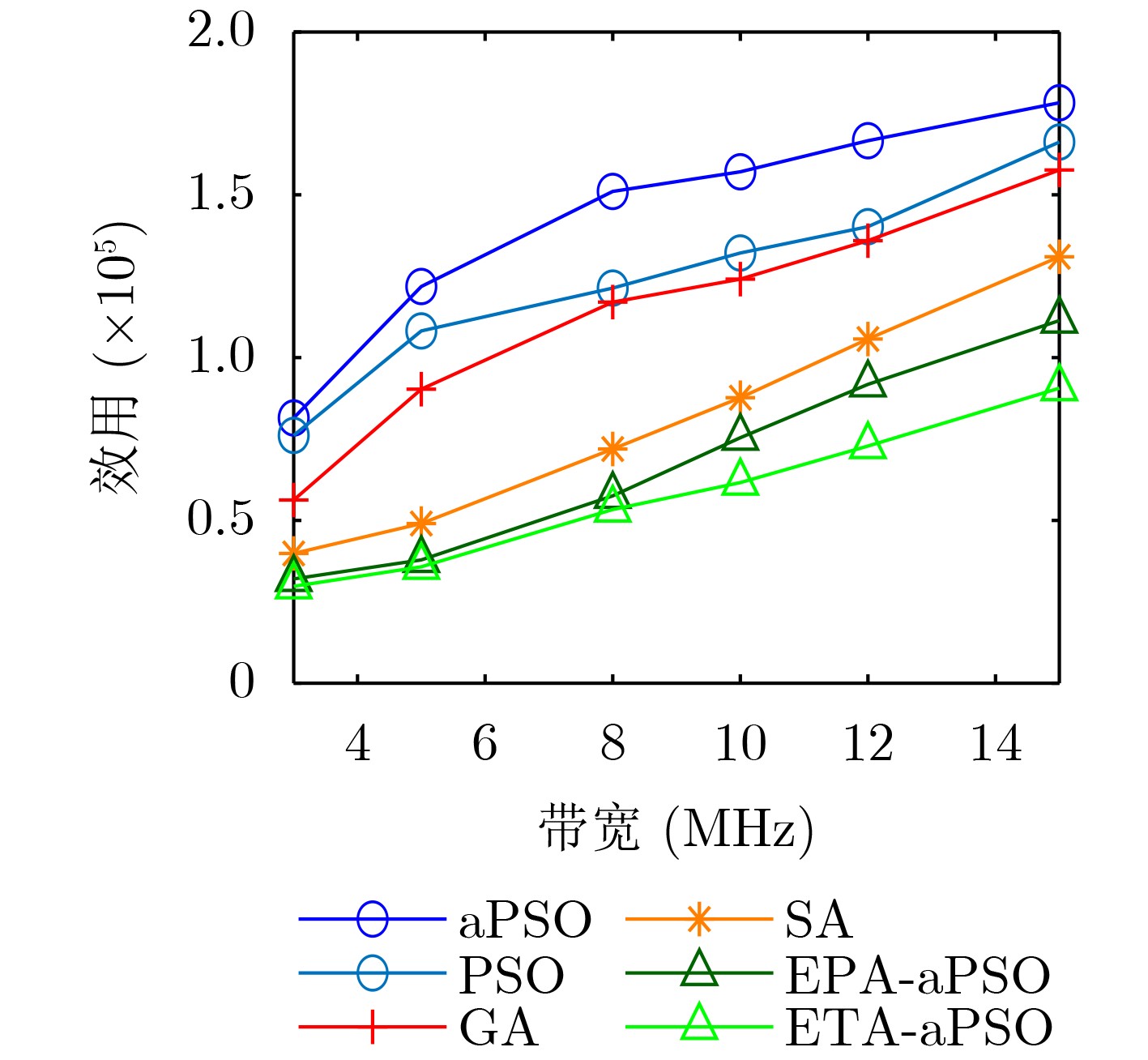
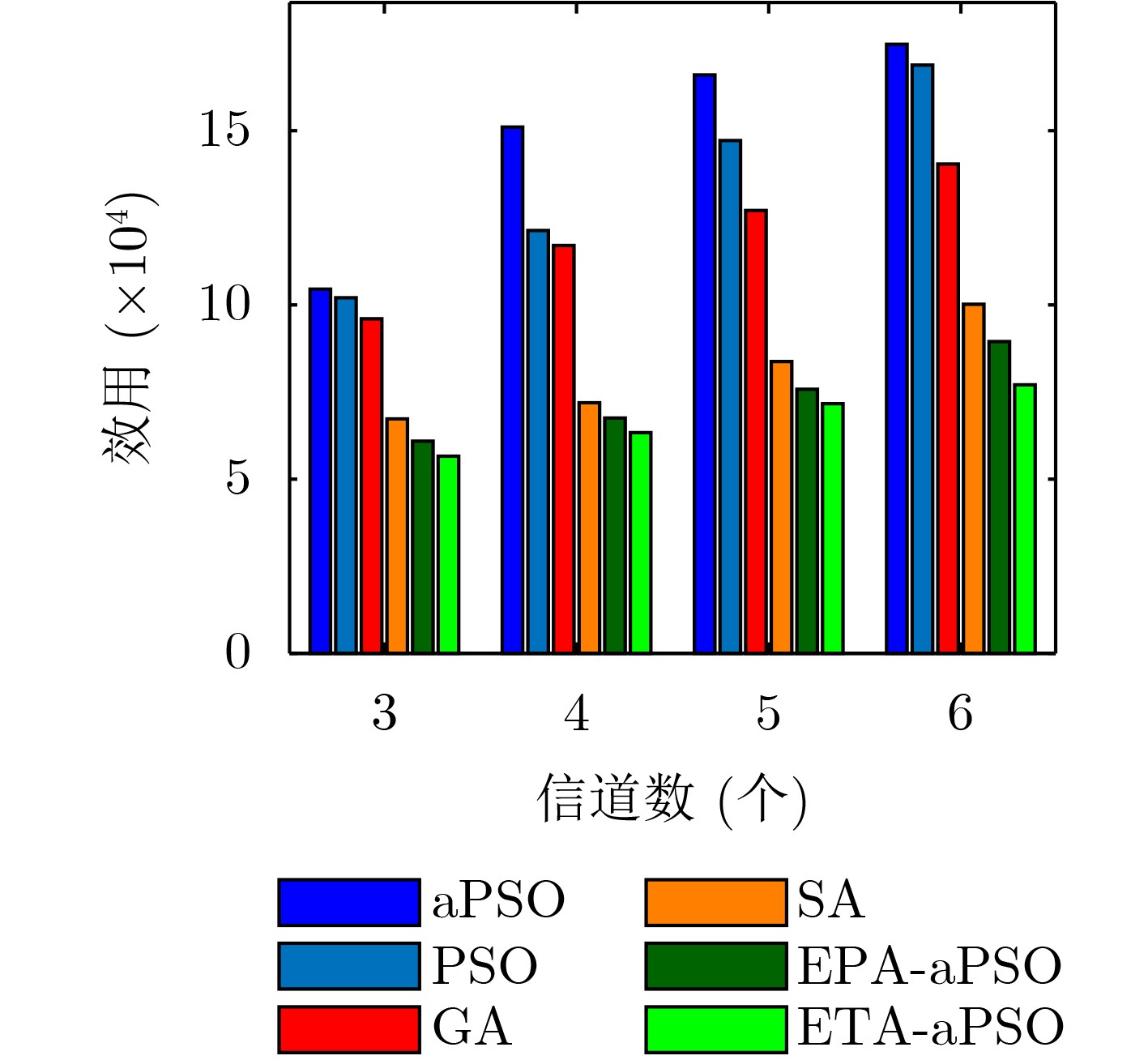
  •   Objective  With the rapid growth of data transmission demands in the Internet of Vehicles (IoV), the limited licensed spectrum has become a critical bottleneck for large-scale IoV deployment. Dynamic access to unlicensed spectrum offers a promising solution. However, existing spectrum sharing methods inadequately address fairness for unlicensed spectrum providers such as Wi-Fi systems, and lack a comprehensive definition of their costs and benefits. To address these issues, this paper proposes a joint power control and resource allocation scheme for IoV paid access to Wi-Fi unlicensed spectrum. A holistic utility function is designed to balance IoV throughput gains and spectrum occupancy costs against Wi-Fi performance degradation due to spectrum leasing. A fairness index and a dynamic pricing factor are introduced to ensure fair value exchange between the two systems. The resource allocation problem is formulated as a non-convex NP-hard utility maximization problem, and an associated Particle Swarm Optimization (aPSO) algorithm is developed by exploiting the correlation between consecutive time slots and a dynamic inertia weight to obtain suboptimal solutions efficiently. The proposed approach aims to enhance IoV data transmission performance while guaranteeing Wi-Fi service quality, achieving an effective balance between resource efficiency and system fairness.  Methods  A heterogeneous scenario consisting of an IoV system and a Wi-Fi system is considered. The IoV Roadside Unit (RSU) serves vehicular users via licensed spectrum, while multiple Wi-Fi access points operate on independent unlicensed channels. When licensed resources are insufficient, the RSU dynamically accesses multiple unlicensed channels to transmit IoV data packets. Packet arrivals follow a Poisson distribution, packet sizes follow a normal distribution, and each packet must be transmitted on a single channel within a maximum delay constraint. A holistic utility function is constructed by jointly considering IoV transmission gains and spectrum occupation costs against Wi-Fi performance degradation and compensation revenues. A fairness index and a dynamic price factor are introduced to ensure equitable spectrum sharing under Wi-Fi performance constraints. The joint optimization of RSU transmit power, channel occupancy time, and the price factor is formulated as a non-convex NP-hard utility maximization problem. To solve it, an aPSO algorithm is proposed. The algorithm exploits consecutive time-slot correlation to initialize particle positions and adopts a dynamic inertia weight to balance global exploration and local exploitation, thereby achieving an effective suboptimal solution with improved convergence performance.  Results and Discussions  Simulation results verify the superior performance of the proposed aPSO algorithm. Figure 3 shows that aPSO achieves the highest overall utility across different unlicensed channel numbers by jointly optimizing time occupancy and transmit power, while EPA-aPSO and ETA-aPSO require more power or time due to single-dimensional optimization. Figure 4(a) indicates that aPSO maintains the highest packet transmission success rate, even under overload conditions. In Fig. 4(b), aPSO’s energy consumption slowly decreases as channel number grows, effectively balancing energy and transmission performance, unlike ETA-aPSO's low power consumption at the cost of a low success rate. Figure 5 demonstrates that aPSO converges at the 28th iteration, about 65% faster than standard PSO, and attains a higher utility. Figure 6 shows that aPSO significantly outperforms GA and SA under $ B=10\;\text{MHz} $. Figures 7 and 8 further confirm the robustness of aPSO: its utility remains clearly superior under varying channel bandwidths and numbers, whereas EPA-aPSO and ETA-aPSO exhibit limited scalability.  Conclusions  This paper proposes a joint power control and resource allocation scheme with an aPSO algorithm for IoV paid access to Wi-Fi unlicensed spectrum. By constructing a holistic utility function incorporating a fairness index and a dynamic price factor, the resource allocation is formulated as a utility maximization problem and solved by the proposed aPSO algorithm. The main findings are as follows: (1) The proposed aPSO algorithm converges approximately 65% faster than standard PSO while attaining a higher overall utility; (2) The joint optimization scheme maintains the highest packet transmission success rate even under overload conditions and achieves an effective balance between RSU energy consumption and transmission performance; (3) aPSO consistently outperforms EPA-aPSO, ETA-aPSO, PSO, GA, and SA across varying channel numbers and bandwidths, verifying its robustness and effectiveness in complex resource allocation problems. However, this study considers a single RSU scenario, and future work will investigate distributed cooperative resource allocation mechanisms in multi-RSU and large-scale IoV environments.
  • loading
  • [1]
    MISHRA P and SINGH G. Internet of vehicles for sustainable smart cities: Opportunities, issues, and challenges[J]. Smart Cities, 2025, 8(3): 93. doi: 10.3390/smartcities8030093.
    [2]
    KHEZRI E, HASSANZADEH H, YAHYA R O, et al. Security challenges in internet of vehicles (IoV) for ITS: A survey[J]. Tsinghua Science and Technology, 2025, 30(4): 1700–1723. doi: 10.26599/TST.2024.9010083.
    [3]
    HUANG Bangzhen, FAN Xuwei, ZHENG Shaolong, et al. Collaborative sensing-aware task offloading and resource allocation for integrated sensing-communication- and computation-enabled internet of vehicles (IoV)[J]. Sensors, 2025, 25(3): 723. doi: 10.3390/s25030723.
    [4]
    左琳立, 夏士超, 李云, 等. 车联网的服务缓存和任务迁移机制[J]. 电子与信息学报, 2025, 47(8): 2563–2572. doi: 10.11999/JEIT241097.

    ZUO Linli, XIA Shichao, LI Yun, et al. Service caching and task migration mechanism based on internet of vehicles[J]. Journal of Electronics & Information Technology, 2025, 47(8): 2563–2572. doi: 10.11999/JEIT241097.
    [5]
    KIM T W, LEE S, LEE D H, et al. Priority-driven resource allocation with reuse for platooning in 5G vehicular network[J]. Sustainability, 2025, 17(4): 1747. doi: 10.3390/su17041747.
    [6]
    束锋, 张钧豪, 张旗, 等. 混合智能反射面辅助感通算一体化车联网的联合功率时间分配方法[J]. 电子与信息学报, 2025, 47(4): 1026–1042. doi: 10.11999/JEIT240719.

    SHU Feng, ZHANG Junhao, ZHANG Qi, et al. Hybrid reconfigurable intelligent surface assisted sensing communication and computation for joint power and time allocation in vehicle ad-hoc network[J]. Journal of Electronics & Information Technology, 2025, 47(4): 1026–1042. doi: 10.11999/JEIT240719.
    [7]
    SHEN Xianhao, LI Mingze, YANG Jiazhi, et al. Research on dynamic spectrum sharing in the internet of vehicles based on blockchain and game theory[J]. Sensors, 2026, 26(4): 1190. doi: 10.3390/s26041190.
    [8]
    霍如, 吕科呈, 黄韬. 车联网中路径预测驱动的任务切分与计算资源分配方法[J]. 电子与信息学报, 2025, 47(10): 3658–3669. doi: 10.11999/JEIT250135.

    HUO Ru, LÜ Kecheng, and HUANG Tao. Task segmentation and computing resource allocation method driven by path prediction in internet of vehicles[J]. Journal of Electronics & Information Technology, 2025, 47(10): 3658–3669. doi: 10.11999/JEIT250135.
    [9]
    KHADEM M, ANSARIFARD M, MOKARI N, et al. Dynamic fairness-aware spectrum auction for enhanced licensed shared access in UAV-based networks[J]. IEEE Transactions on Communications, 2025, 73(5): 3076–3092. doi: 10.1109/TCOMM.2024.3486985.
    [10]
    ZHANG Erqing, YIN Sixing, and MA Huisheng. Stackelberg game-based power allocation for V2X communications[J]. Sensors, 2020, 20(1): 58. doi: 10.3390/s20010058.
    [11]
    SHI Jianfeng, YANG Zhaohui, XU Hao, et al. Dynamic resource allocation for LTE-based vehicle-to-infrastructure networks[J]. IEEE Transactions on Vehicular Technology, 2019, 68(5): 5017–5030. doi: 10.1109/TVT.2019.2903822.
    [12]
    LIU Qingli and MA Yongjie. Communication resource allocation method in vehicular networks based on federated multi-agent deep reinforcement learning[J]. Scientific Reports, 2025, 15: 30866. doi: 10.1038/s41598-025-15982-x.
    [13]
    KIM M S. A throughput analysis using a non-saturated Markov chain model for LTE-LAA and WLAN coexistence[J]. Mathematics, 2025, 13(1): 59. doi: 10.3390/math13010059.
    [14]
    ALHULAYIL M, LÓPEZ-BENÍTEZ M, ALAMMAR M M, et al. Toward fair spectrum sharing: An enhanced fixed waiting time model for LAA and Wi-Fi networks coexistence[J]. IEEE Access, 2025, 13: 73735–73744. doi: 10.1109/ACCESS.2025.3564136.
    [15]
    WANG Lu, ZENG Ming, GUO Jing, et al. Joint bandwidth and transmission opportunity allocation for the coexistence between NR-U and WiFi systems in the unlicensed band[J]. IEEE Transactions on Vehicular Technology, 2021, 70(11): 11881–11893. doi: 10.1109/TVT.2021.3116378.
    [16]
    ADITYA S R, DHUA S, KUMAR A, et al. Deep reinforcement learning based bandwidth part assignment in 5G NR-U[C]. 2024 IEEE 21st Consumer Communications & Networking Conference (CCNC), Las Vegas, USA, 2024: 1010–1013. doi: 10.1109/CCNC51664.2024.10454667.
    [17]
    SU Yuhan, HUANG Lianfen, and LIWANG Minghui. Joint power control and time allocation for UAV-assisted IoV networks over licensed and unlicensed spectrum[J]. IEEE Internet of Things Journal, 2024, 11(1): 1522–1533. doi: 10.1109/JIOT.2023.3291370.
    [18]
    YAO Di, ZHANG Kai, SONG Huaju, et al. On optimization of resource allocation for LTE aided by WLAN networks with unlicensed frequency bands in internet of vehicles[J]. IET Communications, 2024, 18(20): 1868–1877. doi: 10.1049/cmu2.12723.
    [19]
    BAIRAGI A K, ABEDIN S F, TRAN N H, et al. QoE-enabled unlicensed spectrum sharing in 5G: A game-theoretic approach[J]. IEEE Access, 2018, 6: 50538–50554. doi: 10.1109/ACCESS.2018.2868875.
    [20]
    SU Yuhan, LIWANG Minghui, GAO Zhibin, et al. Coexistence of cellular V2X and Wi-Fi over unlicensed spectrum with reinforcement learning[C]. ICC 2020 - 2020 IEEE International Conference on Communications (ICC), Dublin, Ireland, 2020: 1–6. doi: 10.1109/ICC40277.2020.9149440.
    [21]
    BAJRACHARYA R, SHRESTHA R, HASSAN S A, et al. Dynamic pricing for intelligent transportation system in the 6G unlicensed band[J]. IEEE Transactions on Intelligent Transportation Systems, 2022, 23(7): 9853–9868. doi: 10.1109/TITS.2021.3120015.
    [22]
    3rd Generation Partnership Project. 3GPP TR 36.885 V14.0. 0–2016 Study on LTE-based V2X services (Release 14)[S]. Sophia Antipolis: 3GPP, 2016. (查阅网上资料, 标准编号及出版地信息不确定, 请确认).
    [23]
    KO H, LEE J, and PACK S. A fair listen-before-talk algorithm for coexistence of LTE-U and WLAN[J]. IEEE Transactions on Vehicular Technology, 2016, 65(12): 10116–10120. doi: 10.1109/TVT.2016.2533627.
  • 加载中

Catalog

    通讯作者: 陈斌, bchen63@163.com
    • 1. 

      沈阳化工大学材料科学与工程学院 沈阳 110142

    1. 本站搜索
    2. 百度学术搜索
    3. 万方数据库搜索
    4. CNKI搜索

    Figures(8)  / Tables(2)

    Article Metrics

    Article views (27) PDF downloads(0) Cited by()
    Proportional views
    Related

    /

    DownLoad:  Full-Size Img  PowerPoint
    Return
    Return