Advanced Search
Turn off MathJax
Article Contents
LIU Yuhan, LIU Suning, ZHANG Haiying, MENG Weixiao. Space-Time Joint Clutter Suppression Technology for ISAC Sensing Echo Signals[J]. Journal of Electronics & Information Technology. doi: 10.11999/JEIT260591
Citation: LIU Yuhan, LIU Suning, ZHANG Haiying, MENG Weixiao. Space-Time Joint Clutter Suppression Technology for ISAC Sensing Echo Signals[J]. Journal of Electronics & Information Technology. doi: 10.11999/JEIT260591

Space-Time Joint Clutter Suppression Technology for ISAC Sensing Echo Signals

doi: 10.11999/JEIT260591 cstr: 32379.14.JEIT260591
Funds:  The National Natural Science Foundation of China (62271168)
  • Received Date: 2026-05-12
  • Accepted Date: 2026-09-14
  • Rev Recd Date: 2026-09-14
  • Available Online: 2026-09-19
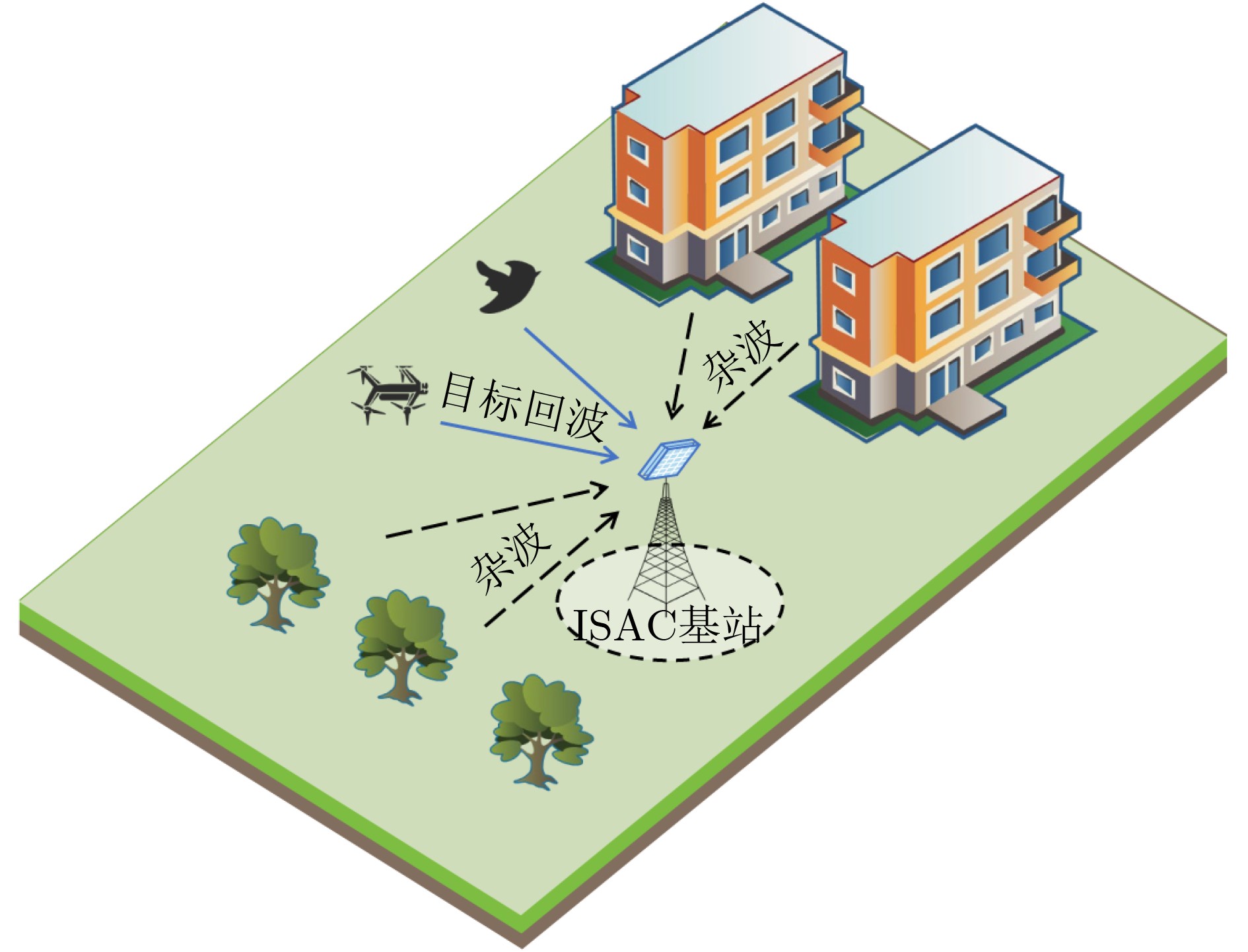
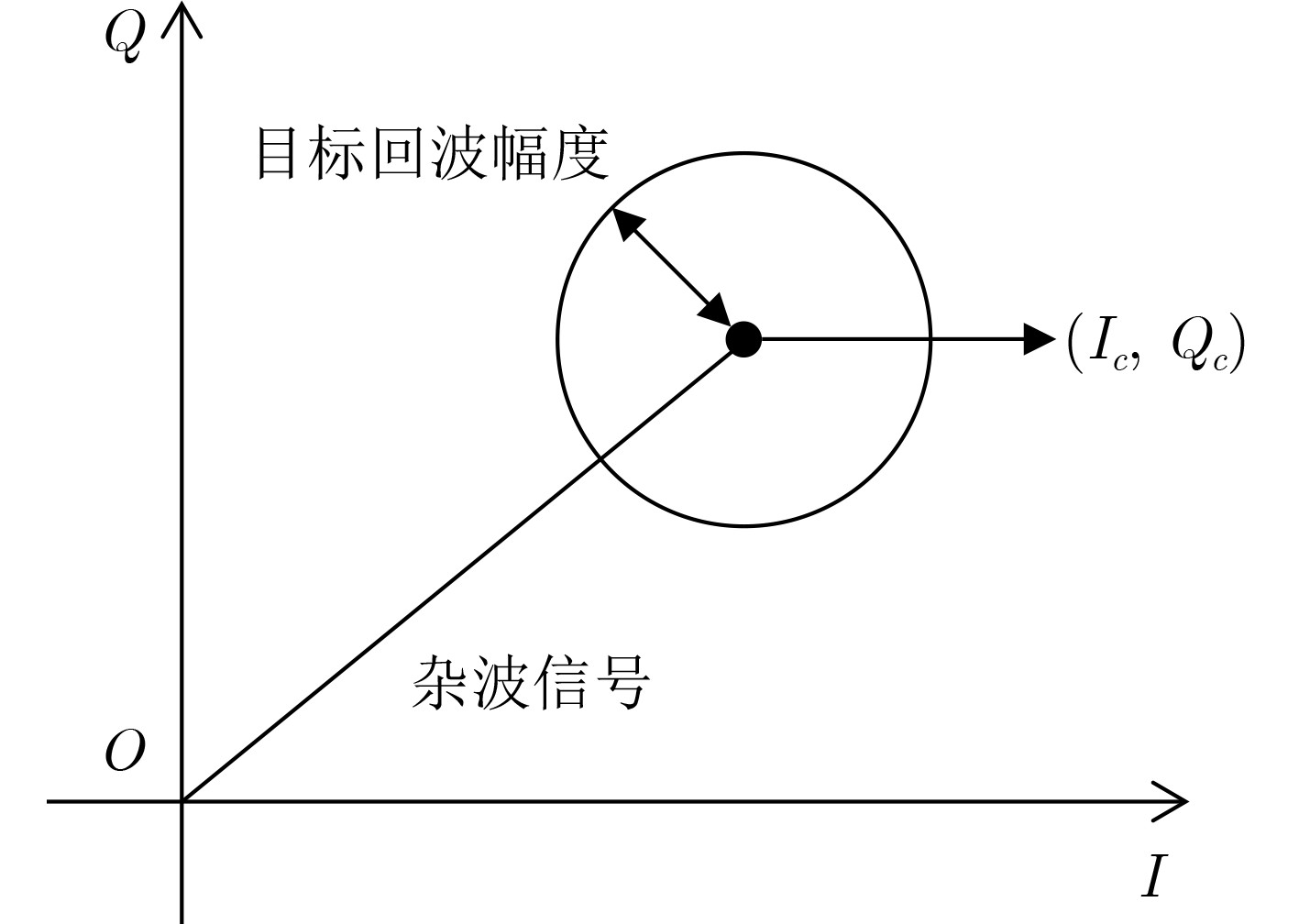
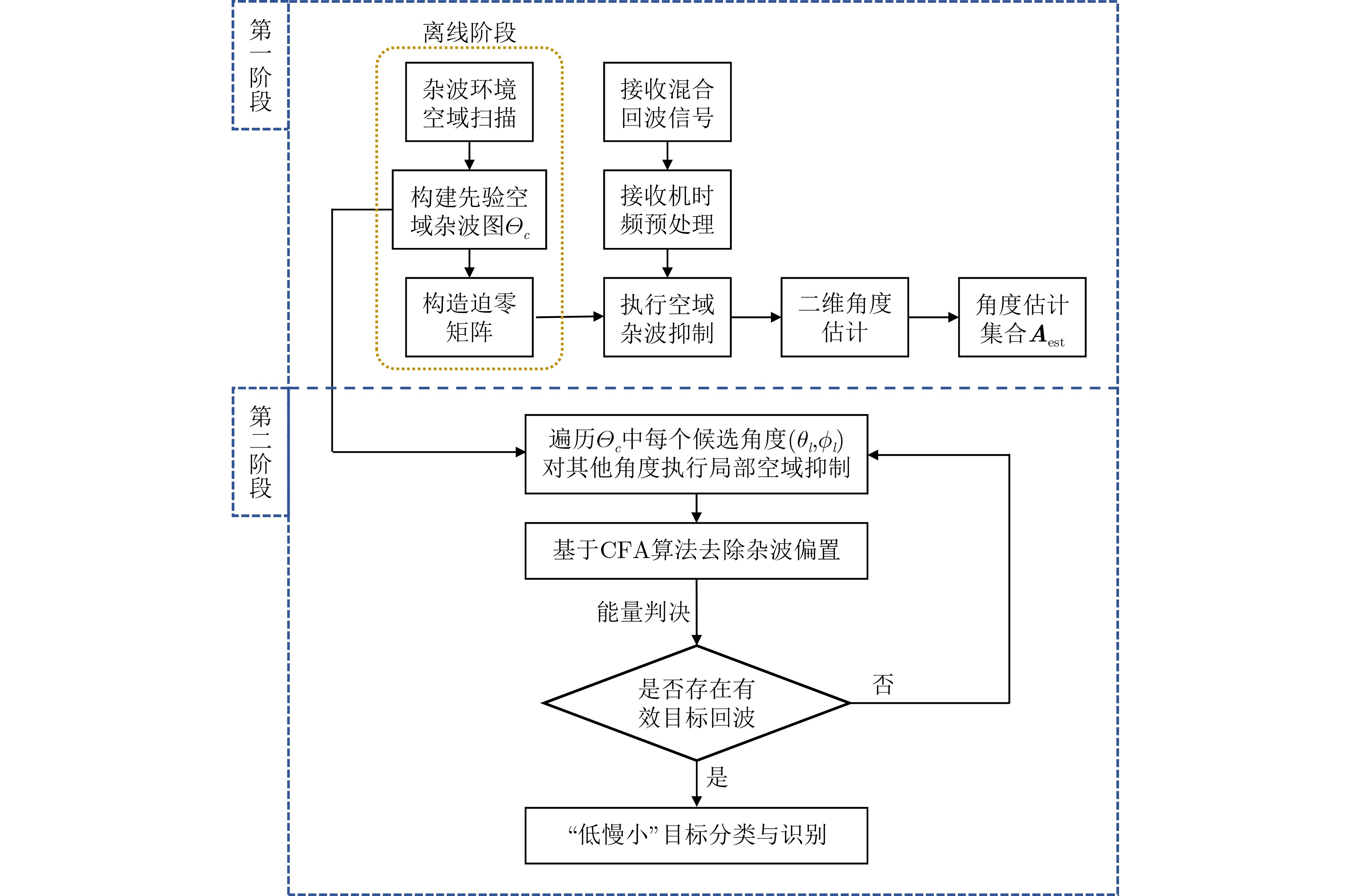
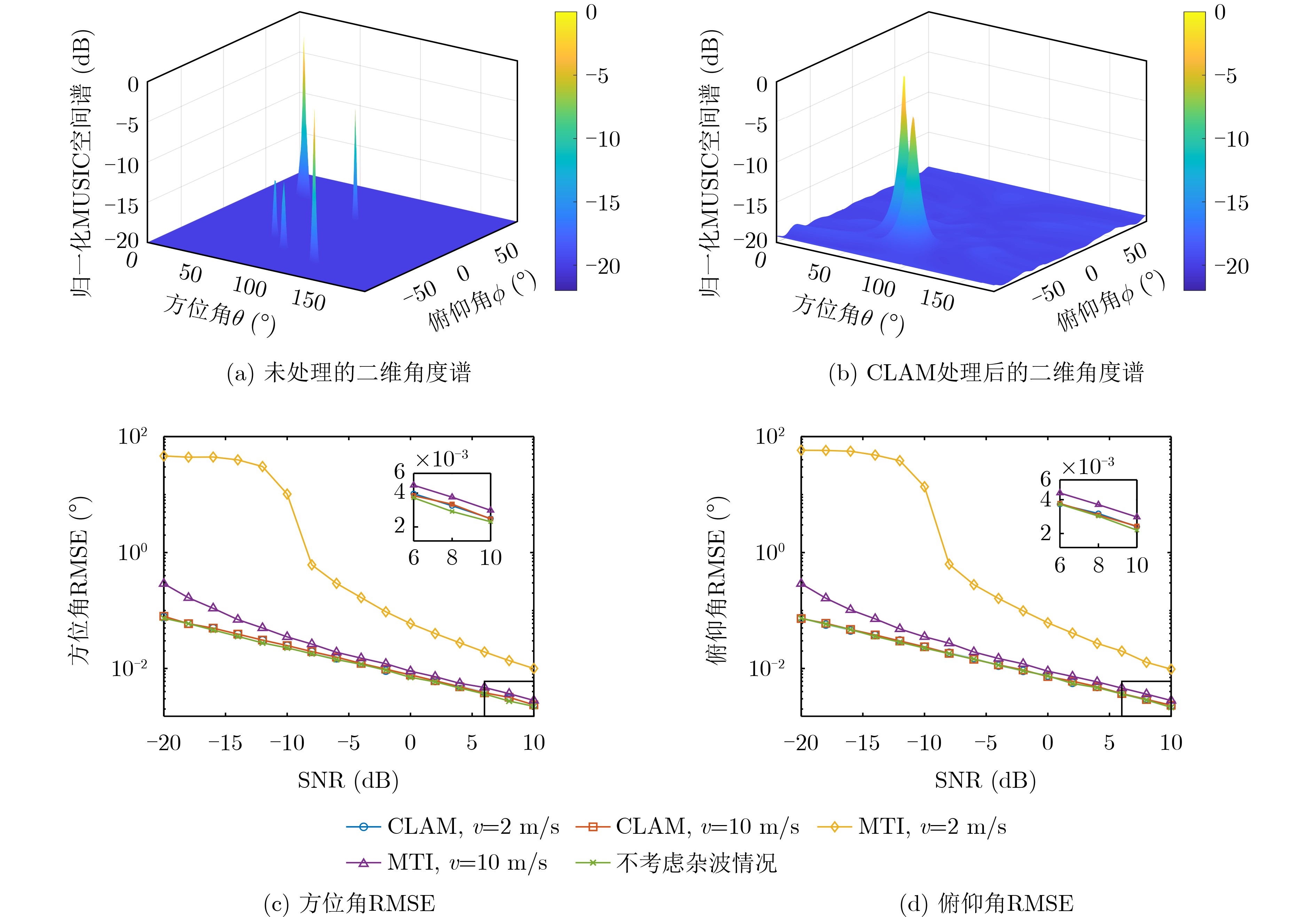
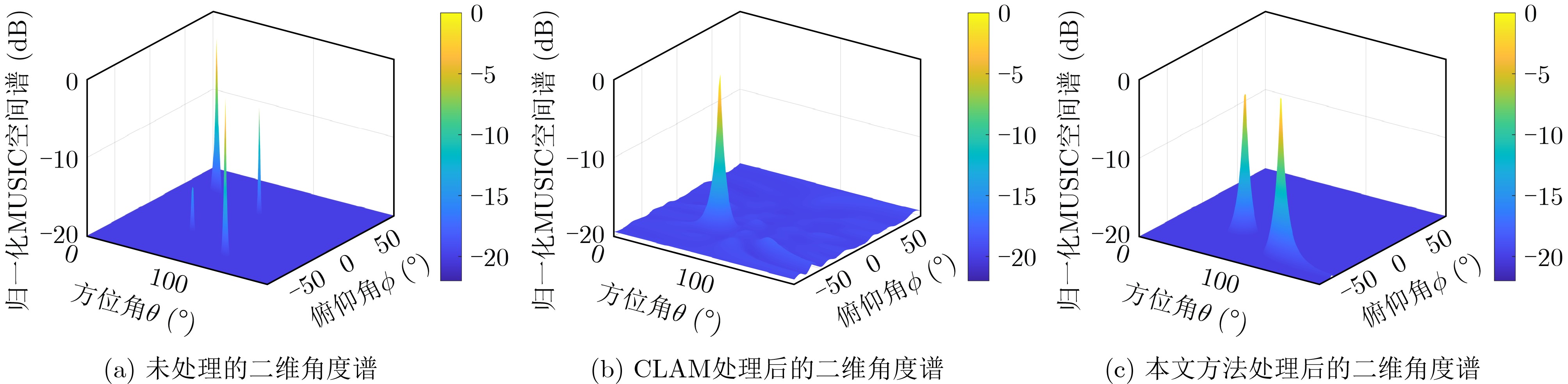
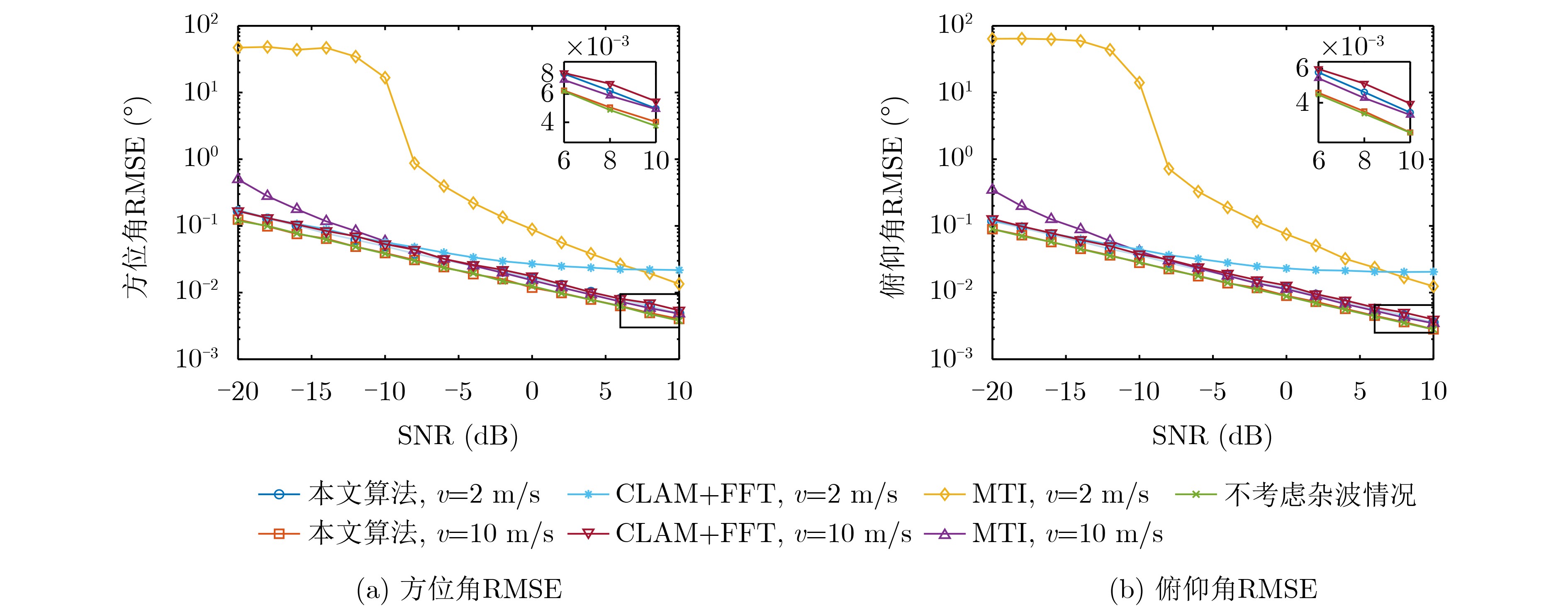
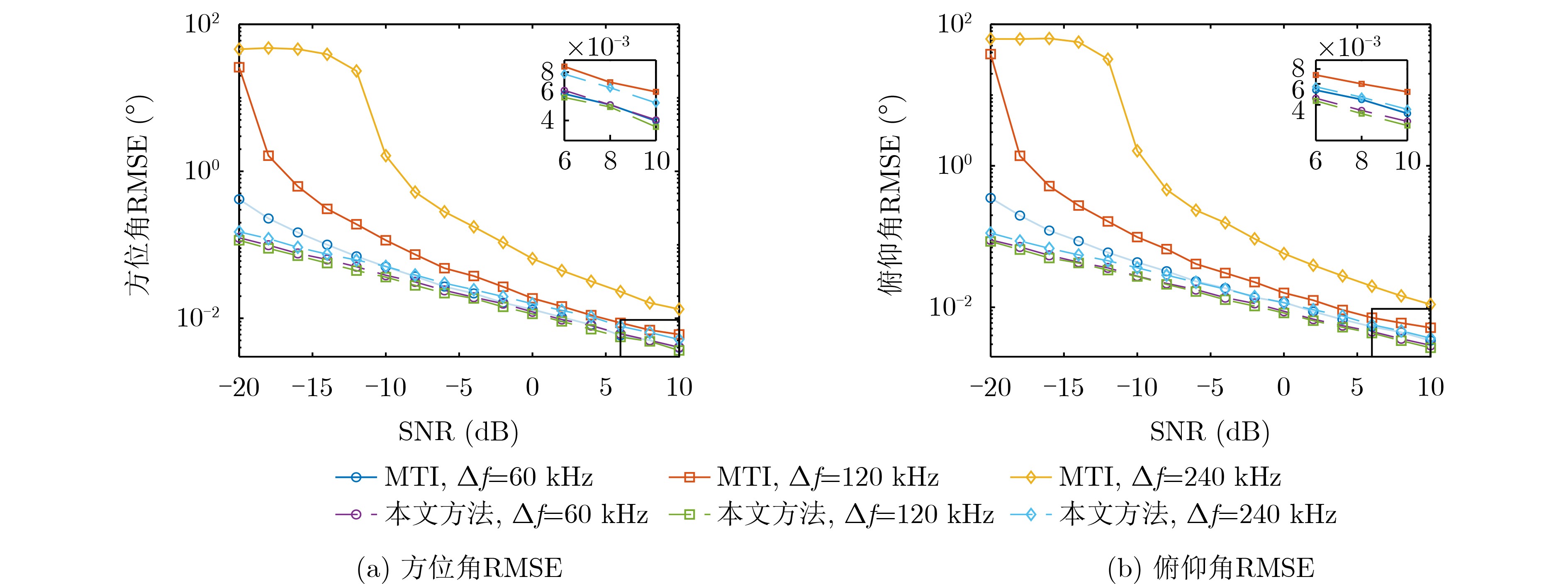
  •   Objective  The rapid development of low-altitude logistics, urban air mobility, and security monitoring requires Integrated Sensing and Communication (ISAC) systems to detect weak uncooperative “low, slow, and small” (LSS) targets while reusing communication waveforms and hardware. In practical low-altitude environments, echoes from buildings, towers, and ground facilities may be much stronger than target echoes and mask targets during range, angle, and Doppler processing. Static clutter exhibits stable directions of arrival and near-zero-Doppler slow-time components. Conventional moving target indication (MTI) suppresses zero-frequency clutter but may attenuate low-speed targets and distort micro-Doppler modulation. Spatial nulling based on clutter angles preserves low-Doppler information, but it may remove a target together with clutter when their angles are close. Neither approach alone can simultaneously ensure strong clutter rejection, low-speed target preservation, and robustness to angular overlap. Therefore, this study proposes a joint spatial–slow-time clutter suppression method that exploits environmental angular prior information while preserving weak low-speed target signatures.  Methods  After reception of the MIMO-OFDM sensing echo, down-conversion, digitization, cyclic-prefix removal, and FFT processing are performed. Element-wise division by the transmitted communication symbols removes data modulation, and measurements over array elements, subcarriers, and slow-time symbols are stacked into a three-dimensional sensing data matrix. The proposed method comprises offline clutter-angle-map construction and online two-stage suppression. During the offline stage, an inverse FFT along the subcarrier dimension separates range cells in pure clutter measurements. Strong clutter cells are selected, their slow-time snapshots construct spatial covariance matrices, and two-dimensional MUSIC estimates the azimuth and elevation angles of dominant static scatterers. These angles are stored in a clutter angle map (CLAM) as reusable environmental prior information. During online sensing, steering vectors associated with the stored angles form a clutter spatial manifold matrix, from which an orthogonal projection operator is derived to remove spatially separable static clutter. To maintain model consistency, steering vectors for subsequent angle estimation are projected using the same operator. When a target lies close to a stored clutter direction, the CLAM angles are examined individually. For each candidate direction, the remaining CLAM directions are treated as interference and suppressed using a normalized local orthogonal projection, while the current direction is retained. This traversal avoids prematurely removing an angularly overlapped target and provides a candidate slow-time sequence for further discrimination. The residual sequence of each subcarrier is mapped onto the complex I/Q plane, where residual static clutter appears as an approximately fixed DC offset and a moving target forms a circular arc due to slow-time phase evolution. Because low target speeds and finite observation intervals may produce only short arcs, Taubin circle fitting estimates the circle center through a normalized generalized eigenvalue problem. The estimated center represents the residual clutter bias and is subtracted from the complex slow-time samples. Thus, CLAM-guided global projection removes spatially separable clutter, while local angular traversal and circle fitting handle angular overlap and residual slow-time clutter without modifying the target phase trajectory.  Results and Discussions  MIMO-OFDM simulations under the ISAC architecture verify the proposed method in several representative scenarios. When target and clutter angles are separated, the method preserves distinct target peaks in the two-dimensional angular spectrum, and the root mean square errors (RMSEs) of azimuth and elevation estimation are substantially lower than those of conventional MTI (Fig. 4). When target and clutter angles are close, spatial filtering alone may suppress the target together with the clutter and cause missed detection (Fig. 5). The proposed local traversal and circle-fitting stage resolves this limitation and, at a low target speed of 2 m/s, reduces the angle-estimation RMSE to a level close to the ideal clutter-free result, outperforming both MTI and CLAM+FFT (Fig. 6). It also exhibits lower sensitivity to changes in subcarrier spacing than MTI, indicating stronger robustness to communication-system bandwidth configurations (Fig. 7). Time-frequency results further show that MTI causes nonlinear distortion and energy loss in the target echo, whereas the proposed method retains the principal translational component and the periodic rotor-induced micro-Doppler structures required for fine-grained target characterization (Fig. 8).  Conclusions  The proposed joint spatial–slow-time method suppresses strong static clutter while retaining weak LSS target information. It provides accurate angle estimation in both angularly separated and closely spaced target–clutter scenarios, with a particularly clear advantage for low-speed targets. By estimating and removing the residual DC bias through circle fitting instead of Doppler-domain high-pass filtering, it avoids unnecessary target-energy attenuation and preserves micro-Doppler structures needed for subsequent classification and recognition. The method therefore provides purified, high-fidelity echoes for downstream low-altitude target perception. Future work will investigate dynamic clutter broadening in measured environments and intelligent target classification using real-world echo data.
  • loading
  • [1]
    LIU Fan, MASOUROS C, PETROPULU A P, et al. Joint radar and communication design: Applications, state-of-the-art, and the road ahead[J]. IEEE Transactions on Communications, 2020, 68(6): 3834–3862. doi: 10.1109/TCOMM.2020.2973976.
    [2]
    胡杨林, 张天魁, 李博, 等. 无人机使能的通信感知一体化组网与技术研究综述[J]. 电子与信息学报, 2025, 47(4): 859–875. doi: 10.11999/JEIT241116.

    HU Yanglin, ZHANG Tiankui, LI Bo, et al. A survey on UAV-enabled integrated sensing and communication networking and technologies[J]. Journal of Electronics & Information Technology, 2025, 47(4): 859–875. doi: 10.11999/JEIT241116.
    [3]
    SU Yu, CHENG Qianqian, and LIU Ziyang. Integrated sensing and communication for UAV detection: A reinforcement learning-based approach[C]. Proceedings of the 2024 IEEE Cyber Science and Technology Congress (CyberSciTech), Boracay Island, Philippines, 2024: 540–543. doi: 10.1109/CyberSciTech64112.2024.00096.
    [4]
    WU Zeyang, PENG Yuexing, and WANG Wenbo. Deep learning-based unmanned aerial vehicle detection in the low altitude clutter background[J]. IET Signal Processing, 2022, 16(5): 588–600. doi: 10.1049/sil2.12133.
    [5]
    ZHANG Hao, WEI Shunjun, MIN Rui, et al. Robust FMCW radar clutter suppression for UAV detection via learning physics-informed priors[J]. IEEE Transactions on Aerospace and Electronic Systems, 2026, 62: 6180–6195. doi: 10.1109/TAES.2026.3664357.
    [6]
    HOU Huiling, YANG Zhiliang, and PANG Cunsuo. Rotor UAV’s micro-Doppler signal detection and parameter estimation based on FRFT-FSST[J]. Sensors, 2021, 21(21): 7314. doi: 10.3390/s21217314.
    [7]
    CHEN V C, LI Fayin, HO S S, et al. Micro-Doppler effect in radar: Phenomenon, model, and simulation study[J]. IEEE Transactions on Aerospace and Electronic Systems, 2006, 42(1): 2–21. doi: 10.1109/TAES.2006.1603402.
    [8]
    陈小龙, 陈唯实, 饶云华, 等. 飞鸟与无人机目标雷达探测与识别技术进展与展望[J]. 雷达学报, 2020, 9(5): 803–827. doi: 10.12000/JR20068.

    CHEN Xiaolong, CHEN Weishi, RAO Yunhua, et al. Progress and prospects of radar target detection and recognition technology for flying birds and unmanned aerial vehicles[J]. Journal of Radars, 2020, 9(5): 803–827. doi: 10.12000/JR20068.
    [9]
    ZHANG Ruihang, XUE Jiayin, and ZHANG Tingting. Reliable clutter suppression for slow-moving weak target radar detection[C]. Proceedings of the 2025 IEEE International Conference on Communications Workshops (ICC Workshops), Montreal, Canada, 2025: 354–359. doi: 10.1109/ICCWorkshops67674.2025.11162253.
    [10]
    GUO Yifan, LIAO Guisheng, LI Jun, et al. A clutter suppression method based on NSS-RPCA in heterogeneous environments for SAR-GMTI[J]. IEEE Transactions on Geoscience and Remote Sensing, 2020, 58(8): 5880–5891. doi: 10.1109/TGRS.2020.2972060.
    [11]
    LIU Qi, SONG Meng, YU Jinghan, et al. A circular fitting clutter suppression algorithm based on ISAC for low altitude UAVs[J]. Sensors, 2025, 25(20): 6285. doi: 10.3390/s25206285.
    [12]
    张杰, 朱宇, 王洋. 微多普勒辅助的城市环境无人机编队检测方法[J]. 电子与信息学报, 2024, 46(9): 3583–3591. doi: 10.11999/JEIT240203.

    ZHANG Jie, ZHU Yu, and WANG Yang. Micro-Doppler-assisted unmanned aerial vehicle formation detection method in urban environments[J]. Journal of Electronics & Information Technology, 2024, 46(9): 3583–3591. doi: 10.11999/JEIT240203.
    [13]
    LIU Fan, MASOUROS C, LI Ang, et al. MU-MIMO communications with MIMO radar: From co-existence to joint transmission[J]. IEEE Transactions on Wireless Communications, 2018, 17(4): 2755–2770. doi: 10.1109/TWC.2018.2803045.
    [14]
    刘昆, 贺雄鹏, 廖桂生, 等. 面向复杂场景的多通道慢速动目标稳健检测算法[J]. 电子与信息学报, 2024, 46(5): 2018–2027. doi: 10.11999/JEIT230958.

    LIU Kun, HE Xiongpeng, LIAO Guisheng, et al. A robust multi-channel moving target detection algorithm for complex scenes[J]. Journal of Electronics & Information Technology, 2024, 46(5): 2018–2027. doi: 10.11999/JEIT230958.
    [15]
    LEE N, PARK H, KIM H, et al. ISAC-STAP: Space-time adaptive processing for ISAC systems[C]. Proceedings of the 2024 IEEE Globecom Workshops (GC Wkshps), Cape Town, South Africa, 2024: 1–5. doi: 10.1109/GCWkshp64532.2024.11101537.
    [16]
    ZENG Yong and XU Xiaoli. Toward environment-aware 6G communications via channel knowledge map[J]. IEEE Wireless Communications, 2021, 28(3): 84–91. doi: 10.1109/MWC.001.2000327.
    [17]
    XU Zihan, ZHOU Zhiwen, WU Di, et al. Channel knowledge map-enhanced clutter suppression for integrated sensing and communication[C]. Proceedings of the 2024 IEEE/CIC International Conference on Communications in China (ICCC Workshops), Hangzhou, China, 2024: 90–95. doi: 10.1109/ICCCWorkshops62562.2024.10693799.
    [18]
    XU Zihan, ZHOU Zhiwen, WU Di, et al. CKM-enabled joint spatial--Doppler domain clutter suppression for low-altitude UAV ISAC[J]. IEEE Internet of Things Journal, 2026, 13(14): 31752–31767. doi: 10.1109/JIOT.2026.3689485.
  • 加载中

Catalog

    通讯作者: 陈斌, bchen63@163.com
    • 1. 

      沈阳化工大学材料科学与工程学院 沈阳 110142

    1. 本站搜索
    2. 百度学术搜索
    3. 万方数据库搜索
    4. CNKI搜索

    Figures(8)  / Tables(3)

    Article Metrics

    Article views (24) PDF downloads(1) Cited by()
    Proportional views
    Related

    /

    DownLoad:  Full-Size Img  PowerPoint
    Return
    Return